
LiteLLM Security Fitting Added to CISA List
Automatically translated
 Admin
AdminIn September 2, 2026, three of the seven deficits added to the Known Intelligence Catalog of CISA are directly aimed at artificial intelligence infrastructure. Along with LiteLLM, Starlette and Kestra, the first case that artificial intelligence components created almost half in a KEV party. The technical structure of the open in this article follows the attackers left in the network passages they deal with, and the steps to take up to 16 September.
Which Announces to CISA List?
According to the announcement of CISA on September 2, 2026 added seven zaffiliations to the catabol. The ground of the attachment is summarized with a single sentence: there is an active evidence of abuse.
According to the analysis published in Yahoo Finance AI components have been experienced for the first time in a KEV party. The names in the list fall into different layers of an artificial intelligence stack. LiteLLM model gateway, Starlette is the ASGI roof that stands under vLLM and MCP servers. Kestra workflow editor, JFrog Artifactory is located in the center of model and addictive warehouses.
Home | Component | CVSS | Last Date |
|---|---|---|---|
CVE-2026-59822 | Lite | 8. 8 | 16 September |
CVE-2026-48710 | Kludex Starlette | 6. 5 | 16 September |
CVE-2026-49869 | OSS | Not specified | 5 September |
CVE-2026-82329 | JFrog Artifactory | 9. 8 | 5 September |
CVE-2026-9586 | Sangoma Switchvox | Not specified | 5 September |
CVE-2026-83548 | SonicWall SMA 1000 | 10. 0 | 5 September |
CVE-2026-83549 | SonicWall SMA 1000 | Not specified | 5 September |
Recent dates are determined by BOD 26-04 directive. The old 21-day single-type period was removed; instead of 3, 14 or 60-day windows facing the internet opening of the presence, the degree of automaticization of abuse and technical effect. The time recognized for LiteLLM and Starlette expires on 16 September 2026.

What is LiteLLM Nozzle and How Does it Work?
CVE-2026-59822 is due to a authentication error in BerriAI LiteLLM’s Model Context Protocol flow ends. According to the news published in The Hacker News unencrypted offensives can log in the ID verified with a Bearer token that is fitting.
The origin of the error is located in OAuth2 passage. When key verification fails, the code produces a blank authorization object instead of upgrading the error. Next authorization checks are valid for this empty object. Thus, without a valid LiteLLM switch, it can access MCP tools connected to the gateway.
It affects all versions before 1.84.0 and went with 1.84.0. Because there are often multiple models providers and connected vehicles behind the gateway in corporate installations, access from one end can be expanded horizontally. Agent artificial intelligence The gateway in architectures already stands at a privileged point.
Why is Starlette Risk A Wider Surface?
CVE-2026-48710 is open with the lowest CVSS score in the list. The score is 6.5. The width of the surface is large than others.
Starlette is not a product that stands in front of a user. vLLM is based on LiteLLM and many MCP servers. The result does not see these components of teams in purchasing lists. The component comes as indirect dependency and does not enter asset inventory.
The angle itself is simple: an injection to the Host header allows the jump of the road-based authentication layer. Horizon3.ai was shown to be chained with another LiteLLM deficit (CVE-2026-42271, CVSS 8.7) in June 2026 analysis. At the end of the chain, authentication is skipped and remote code running is achieved.
The point that the exposure to points has measured different things is exactly this. Since the catalog input is single line, it does not carry this separation.

What Does Saldurganlar Do In Network Passes?
In the 26 August report of Microsoft, the real attacks were documented for LiteLLM, RAGFlow and Kestra installations. Based on the news published on eSecurity Planet In these attacks, identification information collection, persistent setting, reverse shell opening and crypto mining are seen together.
LiteLLM is transferred as follows the attackers entering the gateways:
Miner Placement: CVE-2026-42271 and CVE-2026-48710 are released XMRig miner through a ELF dual file. The main machine before installation is receiving fingerprints and the competing mining processes are terminated.
Key fastener: With the previously collected database information, the PostgreSQL layer behind LiteLLM is accessed. Target tables LiteLLM_ProxyModelTable and LiteLLM_VerificationToken. From here, models configuration, upstream provider switches, provider bits and virtual keys generated by proxy.
Persistence: ~/.ssh/authorized_keys access is permanently changed. Command control channels and detection blasting mechanisms are also added to the chain.
According to the findings of Wiz, there are Qilin (Agenda) ransomware group among actors using this chain. The same company also observed abuse trials for CVE-2026-59822 in his own ball cube network, trials destroyed model listing ends. The address of gateway switches makes the bill and data of multiple providers accounts in one institution open simultaneously. A similar image, agent-supported ransomware attack I was seen in the case.
Why Are Patches Different After 56 Days?
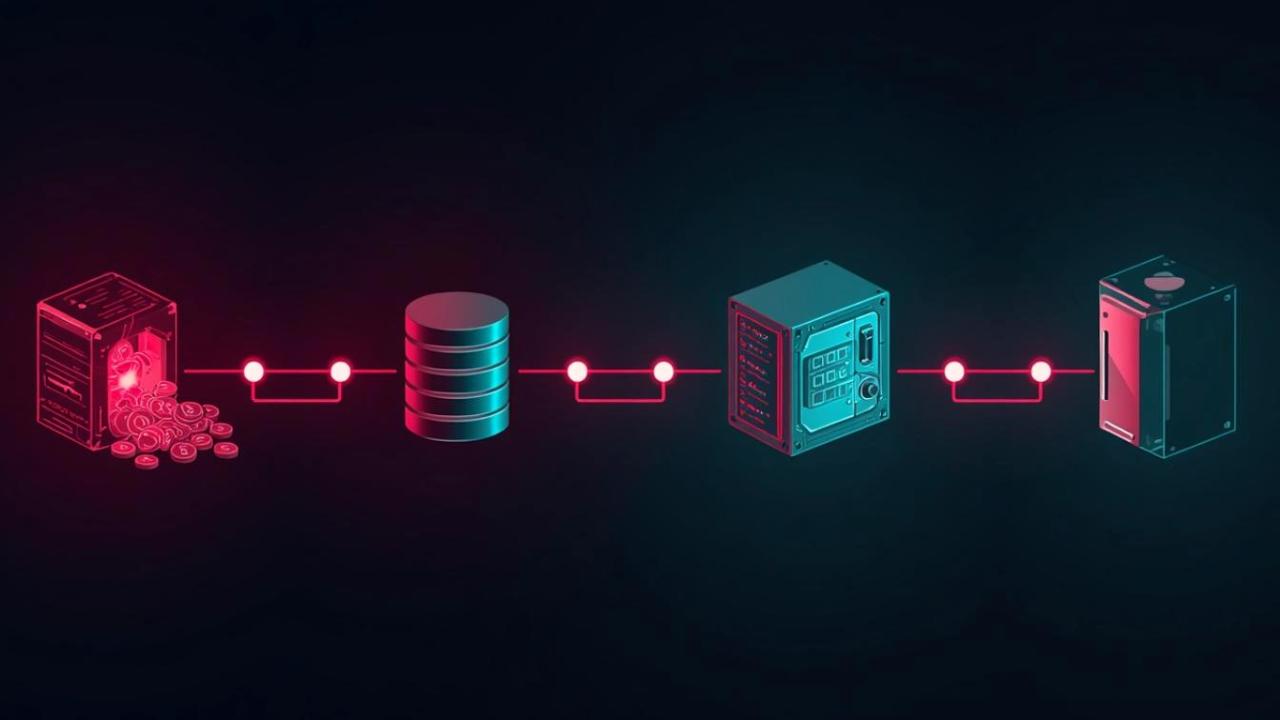
In addition to three artificial intelligence components, the patch has been published very first without cataloging. P.K. Sharma's KEV analysis The difference between the registration publication and catalog entry was measured: 99 days for Starlette, 68 days for Kestra, 56 days for LiteLLM.
There was nothing changing on the code on September 2. The changing single thing was that CISA has now declared that these open were abused. The two components of the catalog headers in the same analysis are mentioned incorrectly; the header is taken from a CWE that contradicts the definition of the record with its own definition.
The main problem for teams is not detected, inventory. These components are not purchased, it comes from a addictive tree. Asset lists based on purchasing records do not show them at all. It doesn’t mean being unfamiliar to the Katalo, but it just means that it hasn’t been declared yet.

What Do Teams Do Up To 16 September?
Catalog is connected to federal institutions, the private sector is directly contexting. The active abuse statement is a valid signal for everyone.
Version upgrade: LiteLLM 1.84.0 and later. At Starlette and Kestra side, upstream fixes are ready.
Dolayed addictive scan: Starlette works under which services, should be removed from the addictive tree, not from the purchase lists. vLLM and MCP servers will be viewed first.
Reducing Internet opening: Network passages, MCP bits, workflow platforms and management interfaces should be closed out or taken behind a layer with authentication.
Key rotation: In the installations that are likely to be installed, the provider switches and virtual keys generated by proxy should be renewed. The sludge switch protects the validity after the patch.
Trace search: ~/.ssh/authorized_keys unexpected changes on, unopened processor usage and unusual queries for LiteLLM database tables should be checked.
On the same week there were also movements on SonicWall side. In September 4, Singapore Cyber Security Agency calls to update organizations using SMA 1000. Artificial intelligence security The smallest privilege and regular audit recommendations on the side protect the validity in this case.

Frequently Asked Questions
What exactly does LiteLLM security deficit allow?
CVE-2026-59822 allows you to open a MCP session verified without a valid key. When a Fitting is sent to a Bearer token, OAuth2 passes the switch backup and puts a blank authorization object instead of failure verification. This object can reach vehicles connected to the aggressive gateway because it passes through the next controls.
Which LiteLLM version is secure?
1.84.0 and the next versions are secure. Open affects all versions before 1.84.0. If the upgrade isn't open to the internet and the limiting of the MCP ends with the access list provides a temporary reduction.
I am not using Starlette, can I still be affected?
High probability of influence. Starlette is not a product directly established, but a roof running under vLLM, LiteLLM and MCP servers. It does not appear in asset inventory because it is indirectly located in the addictive tree. Board version pip list or you need to check via the lock file.
CISA list connects companies in Turkey?
Legally context. The catalog gives the patch obligation for the federal non-governmental organizations in the USA. The meaning of entering the list is universal: there is evidence that the statements are abused in the wild nature. That’s why it’s a handy reference for the priority ranking.
How do I understand that my gateway is captured?
Microsoft has several repetitive tracks in attacks documented. ~/.ssh/authorized_keys unexpected switches in the file, continuous use of high processor and LiteLLM_ProxyModelTable with LiteLLM_VerificationToken unusual queries for tables are at the beginning of them. Inverted shell connections and traffic to the ends you don’t know should also be controlled.
The time recognized for LiteLLM and Starlette expires on 16 September 2026. If the patches are thought to be ready for months, it’s not clear what will be close to date, the question that the vulnerability has never entered into inventory in several institutions.
AdminÖğrenciler İçin Ücretsiz Yapay Zeka Araçları ve Paketleri


Yapay Zeka Öğrenmeye Nereden Başlanır?