What is Neuralink Brain Chip?
Automatically translated
 Creator
Elon Musk’s visionary company Neuralink is working on a breakthrough technology that targets direct communication between human brain and computers: brain chip. This ambitious project carries potential for revolutionizing in the field of medicine, developing human abilities and even shaping the future of humanity. However, besides these exciting possibilities, ethical concerns bring a number of important questions such as security risks and social effects. Today, what is Neuralink brain chip?, how it works, potential benefits and risks, ethical discussions and potential effects for the future.
Basics of Neuralink Technology
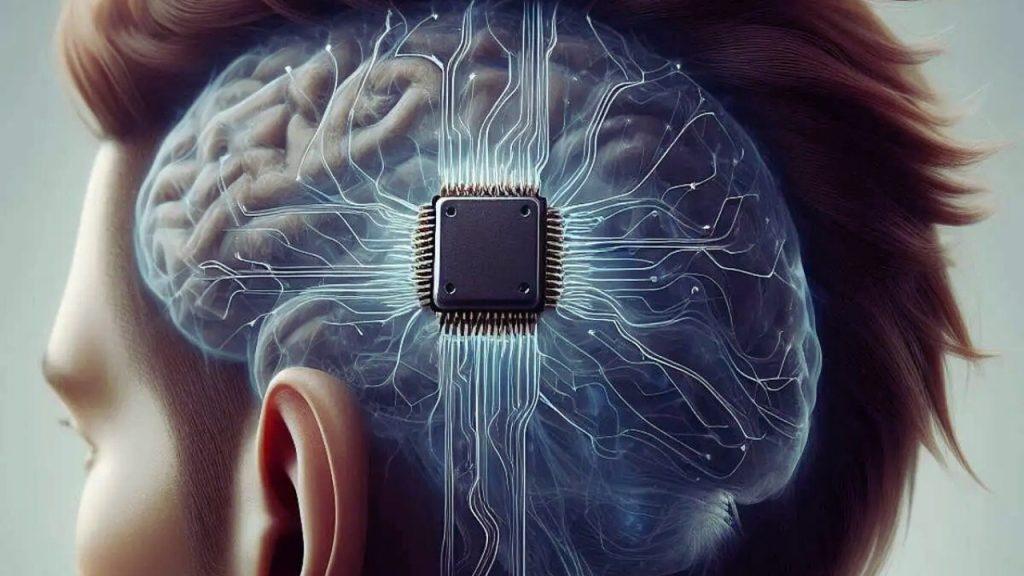
The brain chip developed by Neuralink is a small electronic device, mainly placed in the human brain with a surgical operation. This chip can read electrical activities of brain cells (ders) through thousands of fine electrodes and also send electrical signals to beyne. Objective, external devices with brain (computers, smartphones, prosthetics etc. ) It is to create a dual-way communication channel.
Chip Components and Working Principle
The main components of the Neuralink chip are:
- Ultra Fine Electrodes: These electrodes, which are much thinner than the hair wire, are gently placed in the brain tissue and can detect the electrical activity of each neuro with high precision.
- N1 Chip: This small silicone chip processes signals from electrodes, raises and converts digital data. The commands from external devices are also transmitted to electrical signals.
- Wireless Connection: The chip can transfer data to an external device (e.g. a smartphone) via a wireless connection and can receive commands from this device. This significantly increases the freedom of movement of patients.
- Surgical Robot: Neuralink developed a special surgical robot for precise and safe placement of the chip. This robot can perform the implantation process in precision and accuracy that human hand cannot reach.
The working principle is basically: neurons produce electrical signals during brain activity. Home p The electrodes on it detect these signals and with N1 chip. Chip sends these signals to an external device wirelessly by converting digital data. Special algorithms and software on this device can remove meaningful information from brain activity (for example, as a user wants to do what he think or what movement). In the same way, commands from an external device (for example, order to move a prosthetic arm), by the chip to be transmitted to electrical signals, and the emergence of the desired effect is achieved.
Potential Benefits: Medical Applications and Human Development Home
The potential benefits of the neuralink brain chip are spread to a fairly wide range and offers exciting possibilities for the development of both medical applications and human abilities. These possibilities are:
Medical Applications:
- Treatment of neurological diseases: It can be used to alleviate or even treat symptoms of various neurological diseases, such as Felç, Parkinson’s disease, Alzheimer’s disease, epilepsy, multipl sclerosis (MS). By modulate brain activity or imitating missing signals, it is potential to reduce the effects of these diseases. For example, it can be possible to check or communicate prostheses with the thoughts of paralysis patients.
- Expense of sensory losses: It can help overcome sensory obstacles such as blindness or hearing loss. Beyne has the potential to reduce or compensate the effects of these losses by direct transmitting visual or auditory information.
- Treatment of Spiritual Health Problems: Depression can offer new approaches to the treatment of mental health problems such as anxiety, obsessive compulsive disorder (OKB). It is potential to alleviate the symptoms of these situations by organizing brain activity or targeting certain brain regions.
Human Development:
- Enhancing Cognitive Talents: It is potential to improve cognitive functions such as learning, memory, attention. It can be possible to increase these capabilities through direct information transfer or optimization of brain activity.
- Directly Internition Communication (Telepati): In the future, a "telepati"-like communication that we see in science fiction films such as transferring thoughts and emotions directly to another bey.
- Human and Artificial Intelligence Integration: Human brain artificial intelligence Provides the possibility of integrating deeper and directly with systems. This can provide significant advantages in areas such as solving complex problems, acquiring new information and increasing creativity.
- Control and Interaction: It can be possible to control various external devices (computers, robots, virtual reality systems etc.) directly with thoughts. While this increases independence for disabled individuals, it can generally open a new era in human-machine interaction.
Potential Risks and Challenges
Although Neuralink is a huge potential stone of brain chip technology, it brings a number of important risks and difficulty:
- Surgical Risks: Brain surgery is always risk. Complications such as infection, bleeding, nerve damage can occur. The reliability and long-term effects of robotic surgical system used for placing the chip are also not fully known.
- Biological Compatibility and Long Term Effects: It is uncertain how the body will react to a foreign object (chip) and how it will affect with brain tissue for many years. Problems such as immune system reactions, tissue damage or decrease in the functionality of the chip may occur.
- Data Security and Privacy: The security and confidentiality of the data collected from the brain is extremely important. This data may lead to severe consequences of misconducting or unauthorized use of malicious people.
- Cyber Security Risks: The wireless connection of the chip can be vulnerable to cyber attacks. By providing unauthorized access from the outside, the function of the chip can be broken or harmful signals can be sent to the brain of the user.
- Accessibility and Cost: The development and implementation of this technology will probably be high cost. This situation carries the risk of technology only to be open to the access of a certain cutting and increase in in inequalities.
- Technological Limitations: The current technology is far from understanding and controlling the complex structure of the brain. The amount and type of information that the chip will read and write may be limited.
- Side Effects: Long-term side effects on the brain functions of the chip have not yet been fully understood. unexpected side effects such as behavior changes, personality changes or psychological problems may occur.
Ethics Discussions and Social Effects
Neuralink brain chip technology brings a number of deep ethical discussions and potential social impact:
- Human Nature and ID: The blurredness of the limits between the brain and the machine brings basic questions about human nature and identity. How to increase cognitive abilities or manipulate thoughts from the outside, affect the autonomy and self perception of the individual?
Future View: Is it a utopia, Distopia?
Neuralink brain chip technology accommodates both great prospects and serious worries for the future of humanity. The potential benefits of technology (the treatment of patients, vaccination of obstacles, development of human abilities) are incredibly attractive, while the risks and ethical problems that bring together can not be ignored.
In the future, how to shape this technology and how to influence society will largely depend on these factors:
- Technological Developments: Progress in technical features such as reliability, effectiveness, longevity and ease of use of the chip.
As a result, Neuralink brain chip is a revolutionary technology that has the potential to interconnect the doors of a new era for humanity. However, it is vital to carry out technological developments with ethical principles, legal regulations and a broad social consensus in order to perform these potential and avoid potential dystopian scenarios. Humanity, managing this powerful technology responsible and consciously will play a critical role in shaping our future.
Creator