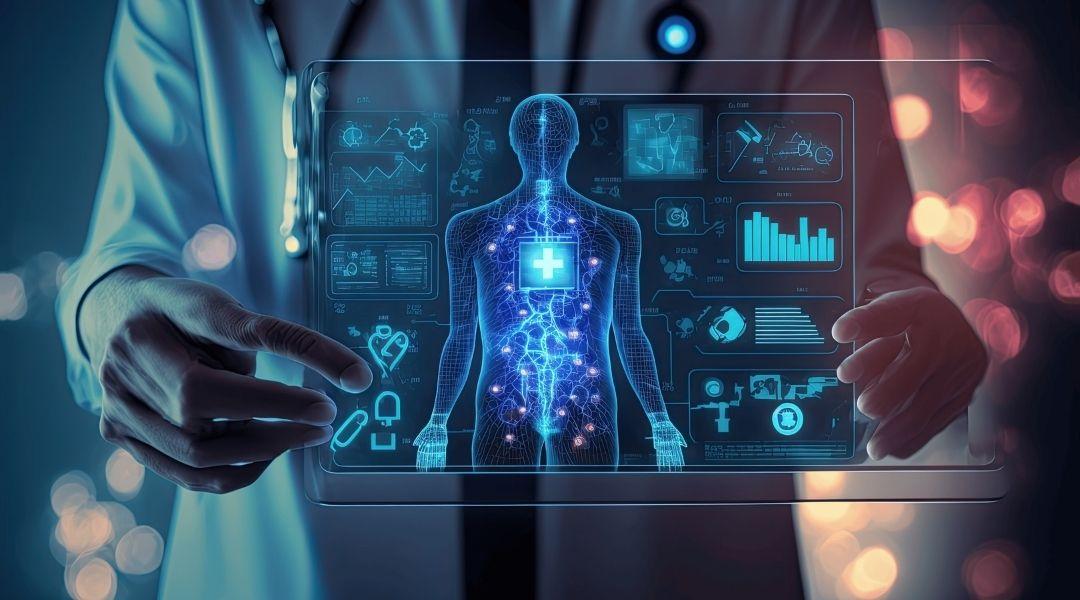
New Face of Early Diagnosis in Artificial Intelligence Health
Automatically translatedArtificial intelligence has started the biggest transformation in the field of health. There is now a powerful analysis mechanism that can provide direct early diagnosis, not only support the experience and diagnostic processes based on observation: AI-supported health systems Home. These systems can analyze millions of medical images, laboratory results and patient history in seconds. Thus, even the slightest abnormality that the human eye can be missed. Especially in diseases that early diagnosis such as cancer, heart diseases and neurological disorders, artificial intelligence technologies are revolutionary.
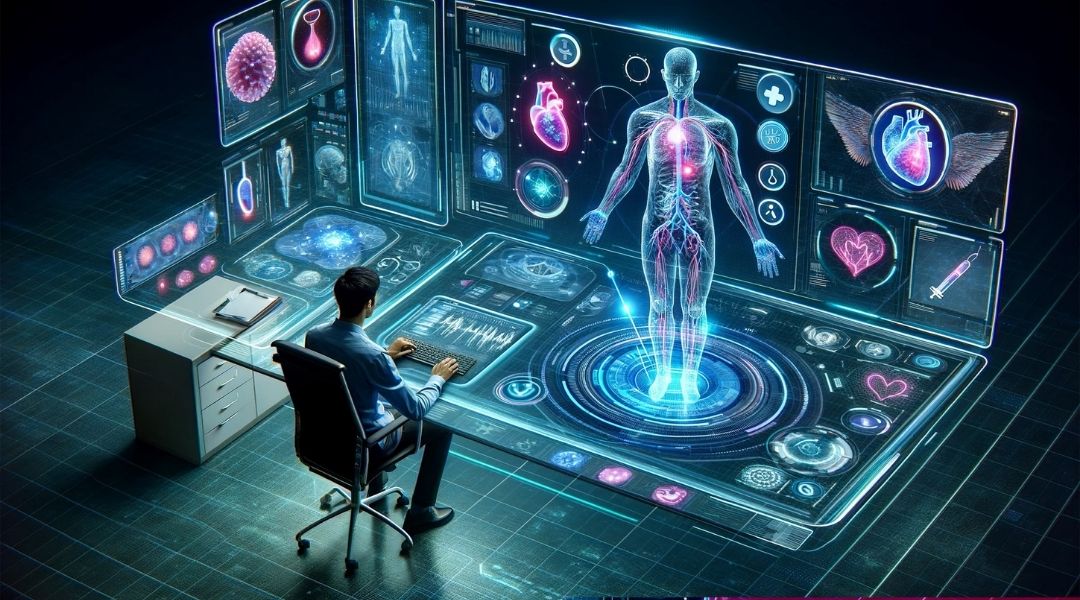
Today, medical imaging artificial intelligence algorithms By evaluating MRI and X-ray results, it can detect tumors, vascular congestions or brain changes with high accuracy rates. Even some systems help to identify risky individuals without revealing the symptoms of diseases and take protective measures. These developments not only speed up the diagnostic process of doctors, but also significantly lower the wrong diagnostic rates. Artificial intelligence practices in health are preparing to completely change the direction of medicine by offering personalized solutions in the treatment planning, not only diagnosis in the future.
How Does Artificial Intelligence Work In Early Diagnosis?
On the basis of the early diagnosis success of artificial intelligence in health, large data (big data) analysis lies in machine learning (machine learning) and deep learning technologies. Modern medicine is now based on algorithms that are not only observed, meaning from billions of data points. These systems can analyze past disease records, laboratory results, genetic information and medical images and take a special risk profile to every patient.
For example, a deep learning model is trained on thousands of MR or x-ray images, learning to recognize even the smallest traces of cancerous cells. This model then detects abnormal tissues by comparing with examples seen in the past, when it analyzes the image of a new patient. Artificial intelligence can provide early alert by detecting irregularities that are not noticeable in health practices, blood tests or heart rhythms. The working logic of these systems is based on three stages:
- Data Acquisition: Data generated by hospitals, laboratories and medical devices is transferred to the artificial intelligence system.
- Model Training: Algorithms learn to recognize images through these data. For example, an artificial intelligence model is the symptom of pneumonia in which they are from 100,000 lungs.
- Forecast and Decision Support: When training is completed, the model evaluates new data and informs doctors the potential risks or conditions.
In this way, doctors can notice a health problem that may take days to detect classical methods in minutes. Some algorithms even see a reliable second vision function in medicine, reaching 95% accuracy from human experts.
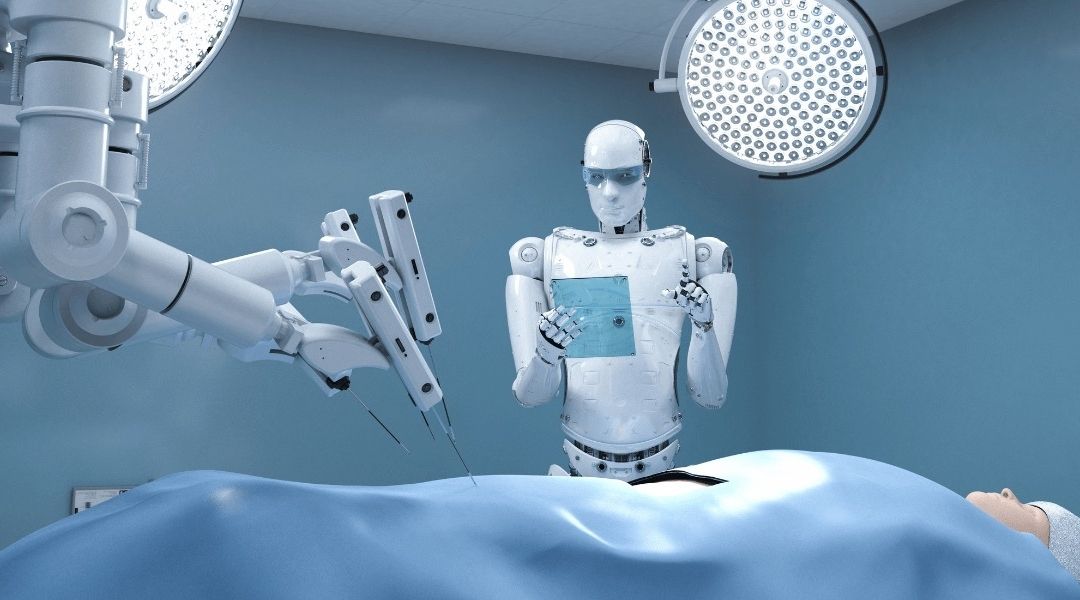
Successful Examples of Artificial Intelligence in Early Diagnosis
The rise in the health field of artificial intelligence is not only theoretical, but also proven by concrete results. The research conducted next to the world reveals that early diagnostics compete with human doctors in the detection of diseases of AI systems, even in some cases they left behind them.
For example, English A medical imaging artificial intelligence developed by has reached the same accuracy rate (94,5) with specialist doctors in diagnosis of eye diseases. This system detects diseases such as hastalıkları or diabetic retinopathy that can lead to blindness by analyzing retina scans. Similarly, a artificial intelligence model developed by Stanford University researchers achieved equivalent accuracy rate with dermatologists in skin cancer diagnosis. With thousands of skin lesions pictures, the model can distinguish cancerous and harmless legs.
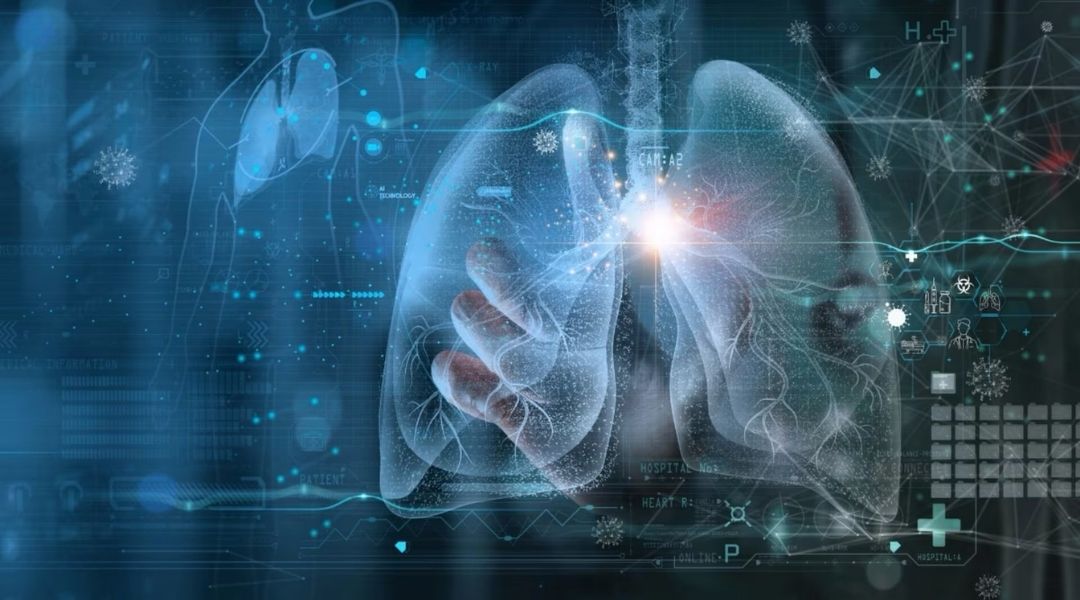
Medical imaging artificial intelligence technologies are not limited only to cancer or eye diseases. It revolutionizes early diagnosis in heart diseases. The systems developed by IBM Watson Health can predict the possible heart crises before weeks by analyzing heart rhythm disorders. The developments in this field are experienced in Turkey. In institutions such as Hacettepe University and Corporate Health Group, success rates were increased in tumor detection using artificial intelligence-supported imaging systems. Early diagnosis artificial intelligence algorithms allow doctors to start faster treatment while reducing workload. All these examples prove that artificial intelligence practices in health have become an integral part of modern medicine. This technology not only detects diseases earlier but also changes the overall efficiency of the health system from the root.
Large Power Needs Great Liability
Artificial intelligence creates a huge revolution in the field of early diagnosis in health but this revolution does not always go smoothly. False trained models can lead to missing data sets or incorrectly interpreted outputs, results that can directly affect human life. When the use of artificial intelligence in health is applied without ethical audit and clinical verification, the benefit can also lead to serious risks. Below are some negative examples that have experienced and proven accuracy in this field:
IBM Watson Health’s Oncology Diagnostic Errors (2018)
IBM’s Watson Health The project was developed with the aim of revolutionizing cancer treatments. However, the system revealed that some patients provide false and potentially harmful treatment recommendations. Errors were caused by the training of the system with limited patient data and producing kopuk recommendations from clinical reality. This incident showed that artificial intelligence should not only be large, but only feeding with accurate and diversified data.
Consistency in Google Health’s Meme Cancer Diagnosis (2020)
Google HealthThe artificial intelligence model developed by has experienced serious performance drop in patient groups in different countries while showing high accuracy in the laboratory environment. The wrong negative rate of the system has increased especially in screening results of women from Asia and African origin. This situation showed how the lack of cultural and genetic diversity in data sets can be reflected in artificial intelligence.
- diversity and quality of training data.
- Transparent inspection of systems.
- Protection of patient data.
- And most importantly, it is necessary to completely eliminate human control.
Artificial intelligence should be developed to strengthen their decisions not to replace doctors. However, if this balance is not protected, incorrect diagnosis that incorrect algorithms can lead can negatively affect thousands of patients. As a result, artificial intelligence is able to revolutionize early diagnosis in health, but it is necessary to build ethical, technical and legal foundations to be permanent. When technology is used correctly, it is possible to create a faster and fair health system without losing the human direction of medicine.
Microsoft MAI-Image-1: Microsoft’un İlk Şirket İçi Görüntü Motoru


OpenAI'da Alarm: Sam Altman "Kırmızı Kod" İlan Etti!