
New Policy Agenda of OpenAI: Democracy and Emniye Tags
Automatically translated
 Admin
AdminThe public policy published by OpenAI in March 2026 points the agenda to a milestone in the world of artificial intelligence. OpenAI as market leader is no longer just enough to improve technology: the game itself writes. 3 June two documents announced: artificial intelligence A framework for democratic governance and showing where the company wants to work with civil society with government public policy agent.
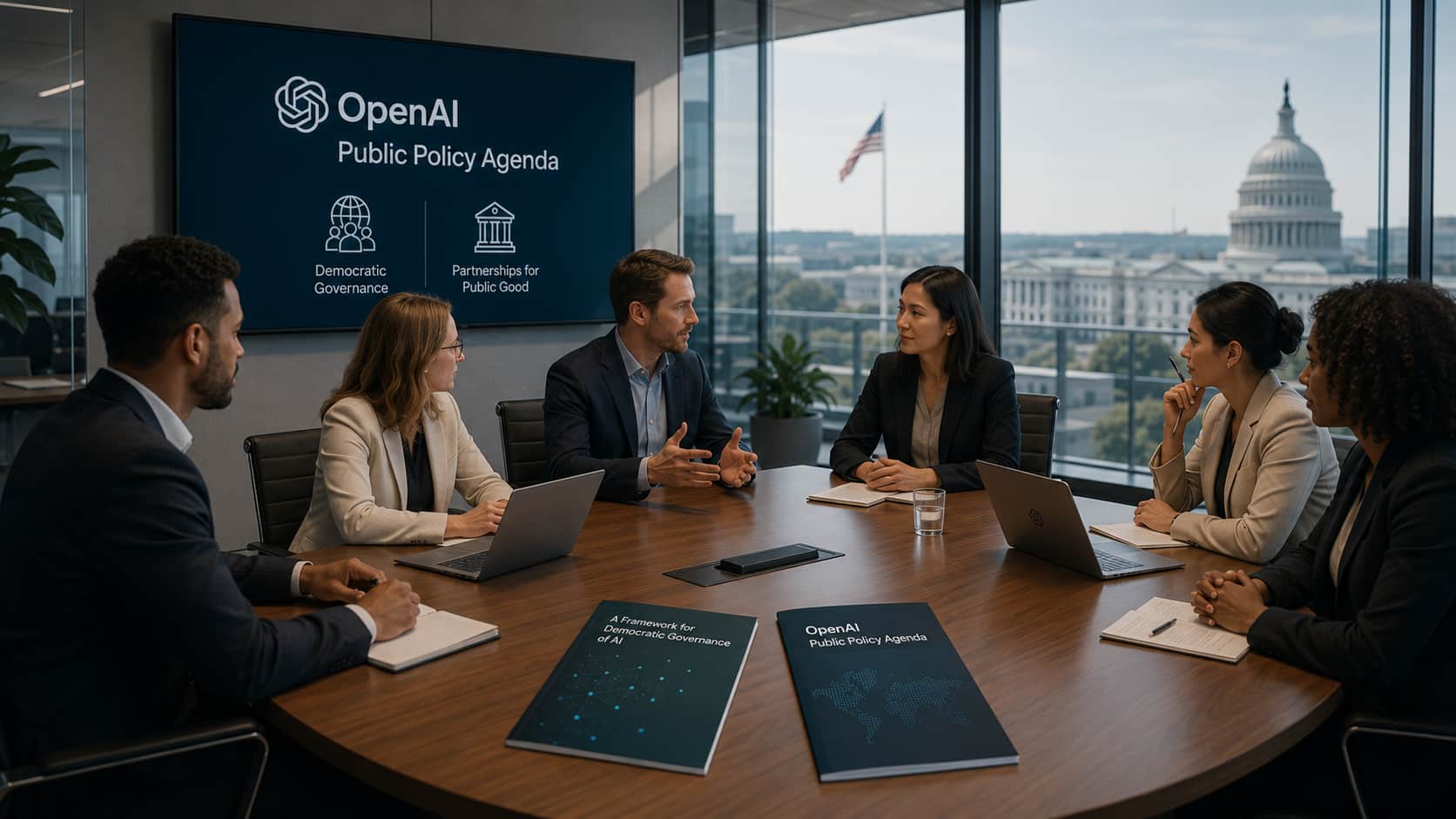
OpenAI’s Mission Redefined
OpenAI’s mission artificial general intelligence (AGI) to ensure the benefit of all humanity. However, when the founding document written in 2018 is mentioned twelve times from AGI, in the 2026 version, this concept goes only twice. This is not just an arrangement: How OpenAI sees itself, there is a change from the foundation. From a research laboratory that is in the AGI race, it is now turning into a company that distributes artificial intelligence systems on the scale today and can not postpone social impact questions with its governance.
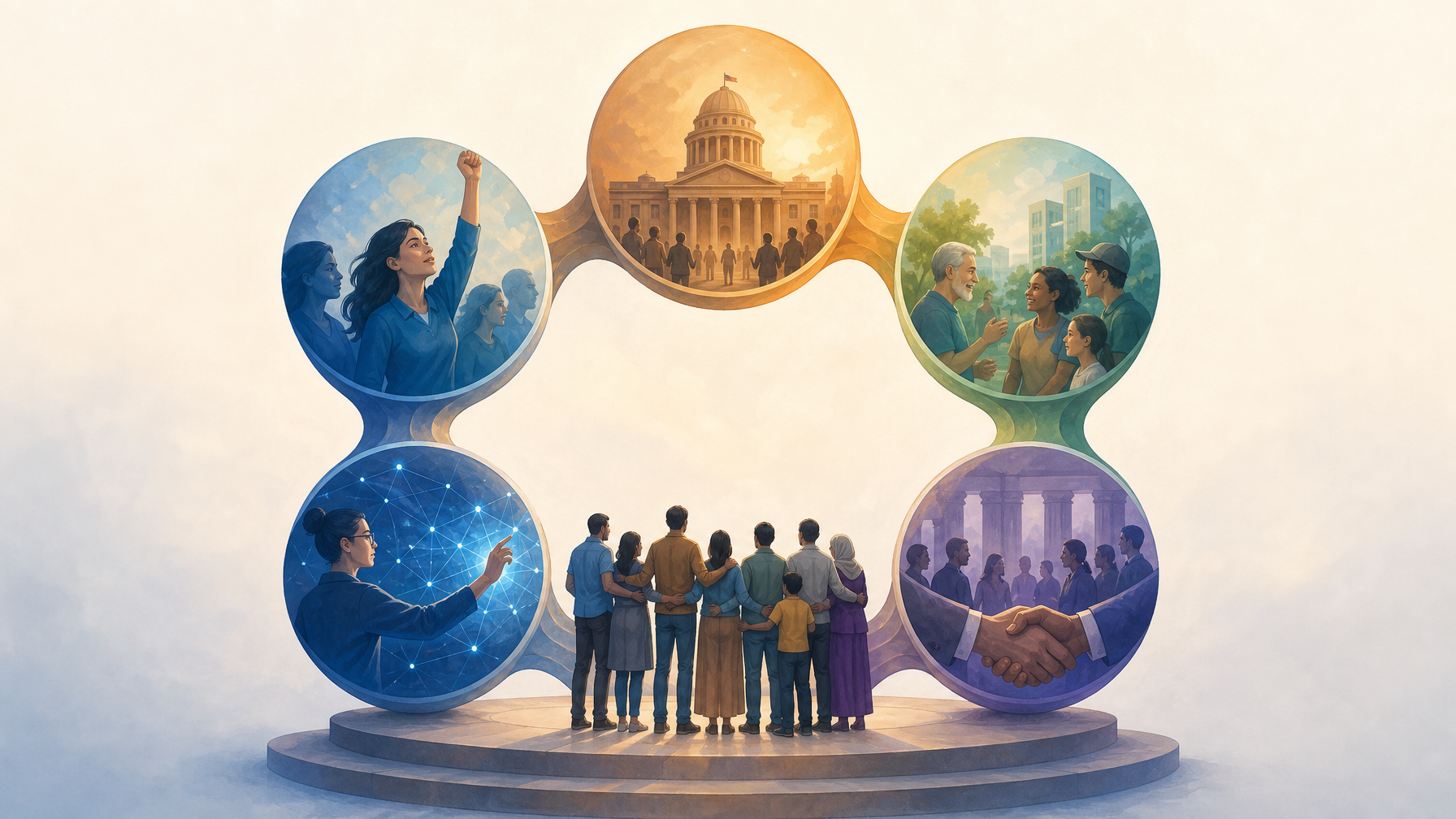
Five Principle, Four Floors A Larger Goal
OpenAI has five basic principles that guide the operation.
Democracy: Resistance to condensation of the power in the hands of several companies.
Tags: To believe that artificial intelligence can achieve everyone’s goals.
Universal prosperity: Everyone wants a future that can live a perfect life.
Flexibility: Artificial intelligence will give new risks and needs to collaborate with companies, ecosystems, governments and society to solve them.
Adaptability: The only way to deal with the challenges of a very unforeseen future is to be ready to update positions as we learned.
Looking beyond words, these principles express a non-commercial array of strategic topics. The 2018 document was built on the first single plural party commitments written in the language "we will do". 2026 document is sounding to a wider ecosystem: Governments need new economic models thinking, world major artificial intelligence infrastructure investments, and basic decisions on artificial intelligence need to be taken with democratic processes.
Youth, Policy Agenda
The issue in the center in the agenda of OpenAI is the border AI security and the company considers it as national and public safety priority. It supports compliance of standards for frames at the state level, risk assessments and accountability for advanced artificial intelligence models.
Youth security is another critical title. OpenAI defends risk-based regulations that support age verification mechanisms and accessible parental audit that make age-related protections mandatory. It also supports strong protections against harmful contents and manipulative interactions and responsibilities mechanisms such as independent audits.
Distribute Strength, Share Risk
OpenAI is committed to providing access to help employees gain practical AI skills and prepare for change in the economy. At the same time, AI supports measures that work on how to reshape business life and improve employer transparency. OpenAI’s workforce and economic conversion agenda includes business union on policies covering portable social rights, tax modernization, public asset funds and strong social security networks.

Democracy Theatre, Corporate Architect
The line calls of the research appear a remarkable fact in reading. OpenAI no longer only applies to the rules of artificial intelligence: He wants to be promised in the design of institutions to implement rules.
OpenAI CEO Sam Altman’s visits to Washington are part of this wide policy agenda. While the company promotes a vision based on public-private sector business union in artificial intelligence, it also discusses mechanisms that will ensure that the large economic value that artificial intelligence will be transferred to consumers.
What does the community think?
Supporters
Some opinions from the press, research institutions and non-governmental organizations argue that OpenAI may close the governance deficit of participation in policy processes. Training and health sectors believe that commercial artificial intelligence tools need such public guidance on large scale distribution. Some policy makers evaluate that private companies will be better if they write their rules.
News
Others pay attention to unopened risks. "In 2018"We have the first responsibility for humanityThe expression does not exist in 2026 version. There are defenders that this condition reflected a fundamental approach change. In addition, some observers consider that OpenAI’s power of artificial intelligence (including itself) is against single acquisition, as a public response given to increased criticism.
Frequently Asked Questions
What does OpenAI understand the "demokratification" principle?
OpenAI says that artificial intelligence power stand up against the only condensation. It also argues that basic decisions regarding artificial intelligence should be taken in line with not only laboratories, democratic processes and equality principles. With another expression, power is shared; otherwise the risk of centralization will grow.
Can these policies stop AGI?
No. OpenAI sees border artificial intelligence security as a national and public safety issue. Especially considering the most advanced artificial intelligence models can create serious risks in cybersecurity, chemistry, biology, radiology and nuclear (CBRN). In the U.S., it supports regulatory frameworks including transparency, public disaster risk assessments and enforceable accountability mechanisms.
How close does OpenAI work with governments?
In documents, California’s SB 53, New York’s RAISE Law, Illinois’s SB 315, Artificial Intelligence Standards and Innovation Center (CAISI) and President’s Advanced Artificial Intelligence Innovation and Security are held in initiatives such as Executive Emri. OpenAI also states that both US CAISI and UK are making voluntary agreements with Artificial Intelligence Security Institute and signed EU Artificial Intelligence Act Application Code.
What content titles do youth protection policies cover?
These include age verification requirements, regular youth safety risk assessments, accessible parental controls and open youth safety policies that protect privacy. In addition, the harmful or unfamiliar content that young people may encounter during their interaction with AI tools also cover serious security events and manipulative or misleading interactions.
Will this policy turn into the federal arrangement of my agenda?
Not yet known. Government initiatives will be shaped depending on the political priorities of the President Trump administration and the two-partial processes in the Congress. However, considering the corporate governance structure that OpenAI targets, these ideas seem likely to be implemented through regulatory mechanisms in time.
At least OpenAI is talking. In the long run, the conversation itself and who he spoke, most of the time my governor can be as decisive as himself.
AdminEndava'nın AI Ajanlarla Yazılım Teslimatı Dönüşümü


OpenAI Yapay Zekanın Yönetiminde Üç Adımlı Plan Sundu