NVIDIA DLSS 4.5 Technology Officially Introduced!
Automatically translated
 Writer
The evolution of visual technologies is one of the most concrete manifestations of the passion to force the technical limits of human history. NVIDIA is the newest ring of this evolution with announcements made under CES 2026 NVIDIA DLSS 4. 5 officially introduced technology. This version, which is a paradigma change, which has been reinterpreted with artificial intelligence of the pixels, is a new milat in the construction of digital universes.
NVIDIA DLSS 4.5 What is and why?
Graphic technologies face two basic problems for a long time: Is high resolution, high performance? These two elements in the game world often appear like opposite. Home NVIDIA The NVIDIA DLSS 4.5 introduced by is a new generation artificial intelligence solution that aims to eliminate this contrast.

DLSS (Deep Learning SuperSample) enables the display card to rebuild a image in low resolution with the help of artificial intelligence. So the screen card works under less load but the user experiences high quality experience. DLSS 4.5 is the system to a further level in terms of both quality and fluency.
What are the DLSS 4.5 Features?
Artificial intelligence-based image creation techniques pass far beyond the classic resolution upgrade logic with DLSS 4.5. The most remarkable one among the characteristics of DLSS 4.5, 2. Generation Transformer based Super Resolution mechanism. This system not only scale pixels, but also rebuilds the light data and texture depth in the scene by analyzing academically rigorously.
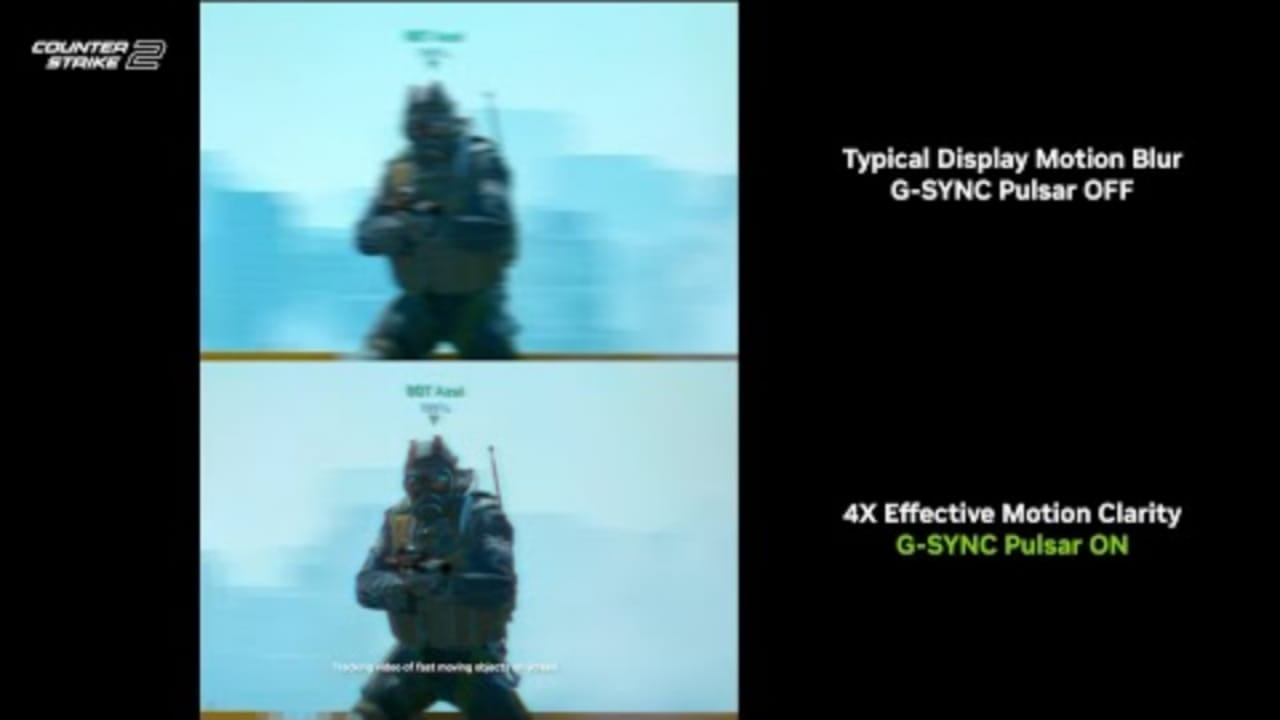
This technology carries out a perfection that visual loyalty can not distinguish human eye while minimizing the load on the GPU. DLSS 4.5 exceeds the structure limits with a softwareal deha by combining the complexity of beam monitoring, the predictive ability of artificial intelligence.
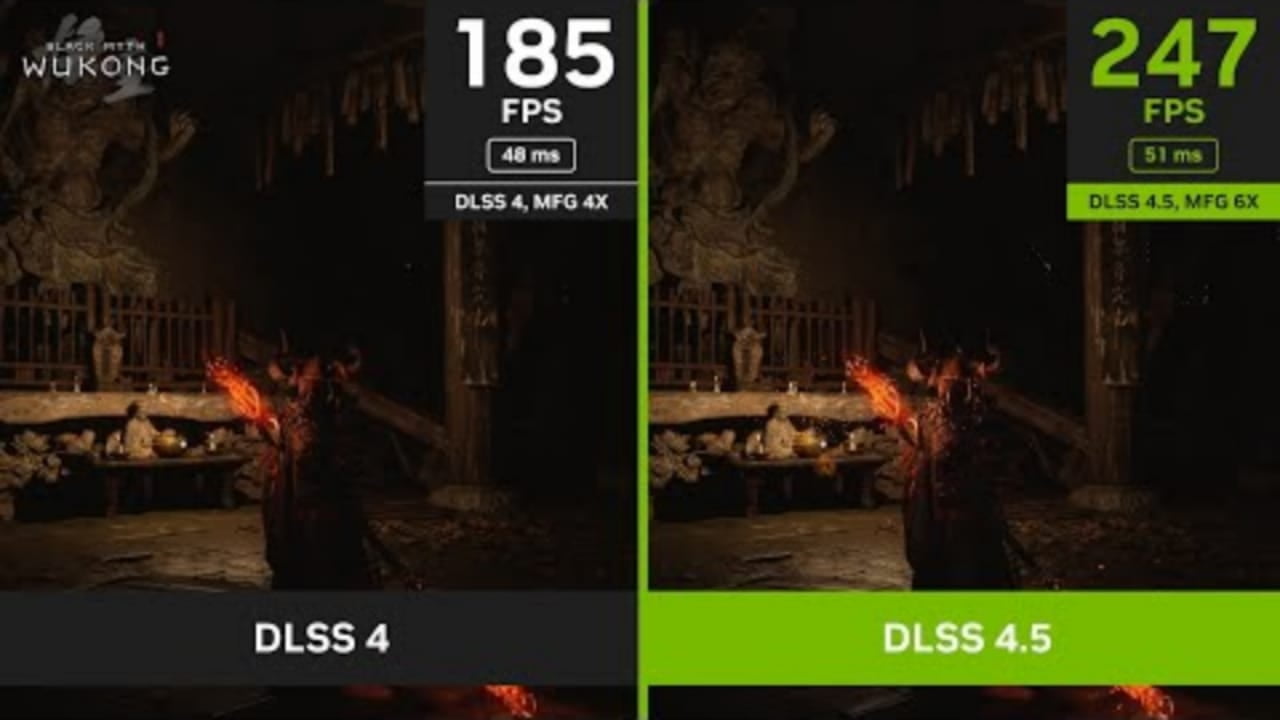
The innovations of DLSS 4.5 are not only limited to super resolution. In particular, systems such as 6x Multi Frame Generation and Dynamic Frame Generation turn square production into a contextual and dynamic calculation model by removing a static replication. Thanks to this approach, the system performs real-time square production by analyzing the intensity of the scene, so both delay times are balanced and the image fluency is optimized.
Also thanks to the integration of DLSS Override users and developers can manually activate the latest DLSS model in supported games. This makes DLSS 4.5 a modular and flexible graphic infrastructure rather than only one performance technology.
1. What is 6x Multi Frame Generation?
6x Multi Frame Generation is a technology that roots classic square production logic. Display card in traditional systems directly calculates each square. However, with DLSS 4.5, artificial intelligence produces intermediate squares by analyzing the movement data between two real squares available.
- The game engine produces 1 real square.
- Artificial intelligence analyzes this square and previous data.
- Araya adds 5 new estimated squares.
- 6 times higher square flow is provided in total.
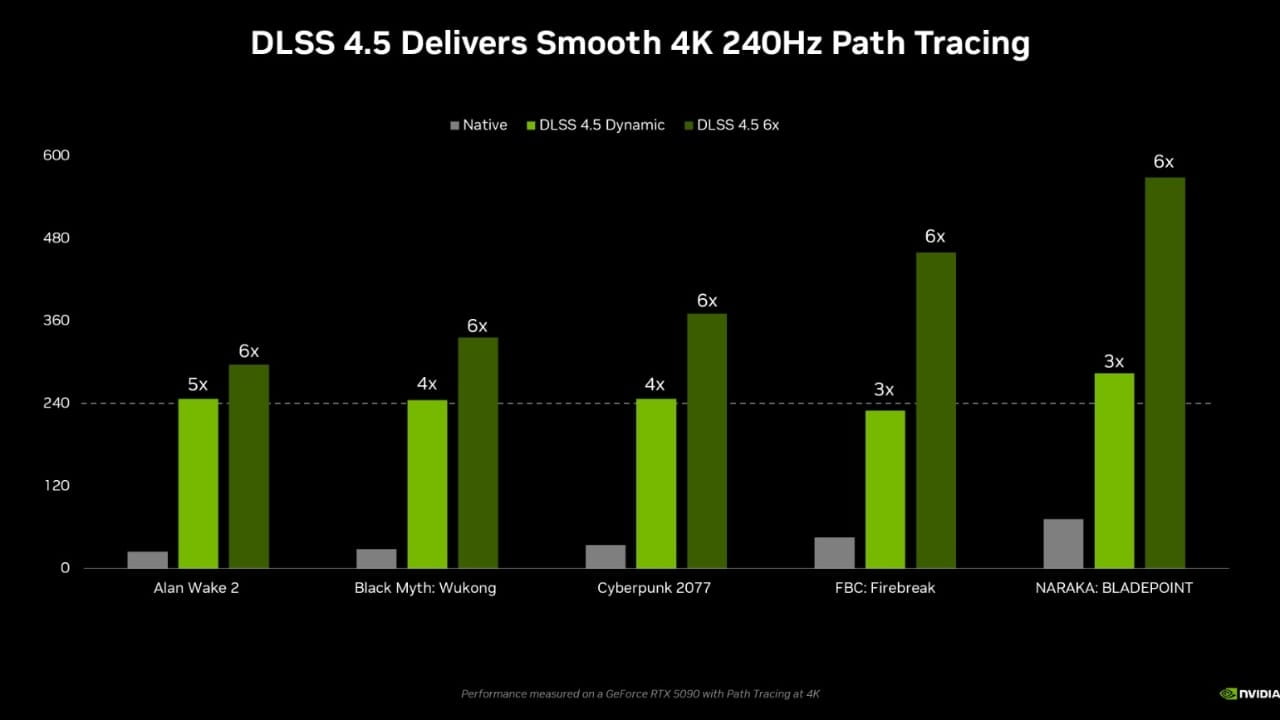
The critical point here is that these squares are not randomly created. The system produces physically consistent images using the motion direction data depth maps and previous square history. The difference is much more pronounced, especially in 4K resolution and high refresh speeds such as 144Hz–240Hz. Result in terms of player:
- Less micro jewelry
- More fluency in camera turns Tags
- More clear animation on quick scenes
This technology plays a critical role in balancing performance declines especially when beam monitoring.
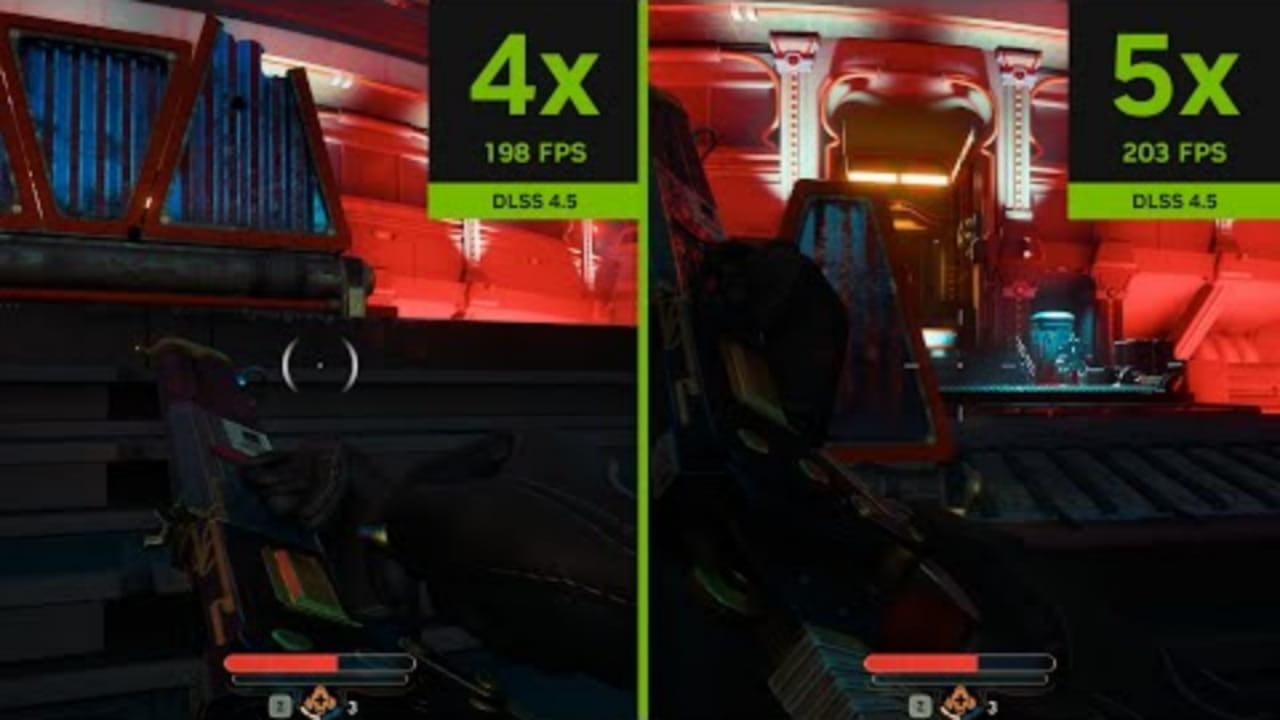
2. 2. How does Dynamic Frame Generation Work?
Dynamic Frame Generation makes contextual analysis unlike fixed-rate square production systems. So the system does not produce the same amount of artificial square on each stage; it instantly evaluates the GPU load and stage density.
For example:
- In a section with explosion, crowded city scene or intensive beam monitoring, the system activates more artificial square production.
- The intervention is reduced if in quieter, lower moving scenes.
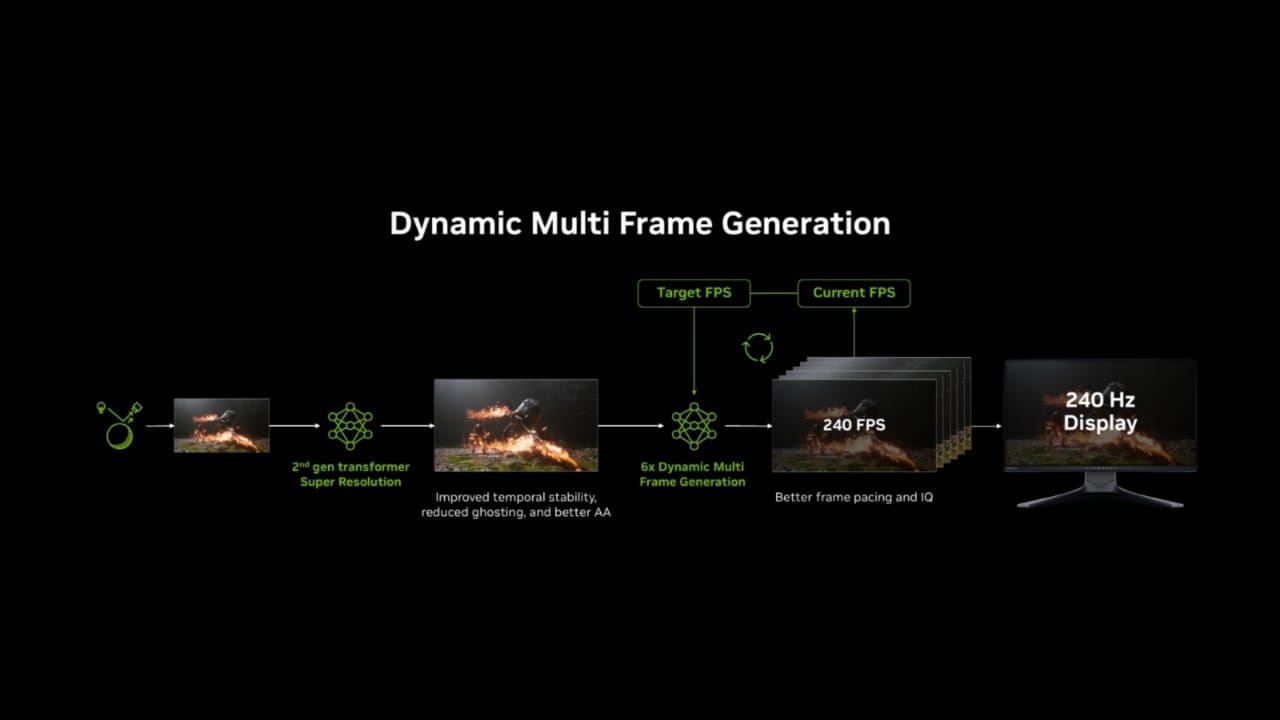
This approach provides three basic advantages:
- Balance performance fluctuations.
- Smooths sudden drop in square speed.
- Keeps delay increase at minimum.
The system is always working with the production principle as much as maximum production needs. This provides a more stable flow in gaming experience.
3. 2. 2. Super Resolution With Generation Transformer Model
DLSS 4.5 The most critical structural change in the specifications is the second generation transformer-based Super Resolution model. This model works completely different from classic resolution upgrade methods. Traditional resolution upgrade techniques rebuild the DLSS 4.5 image while mathematically enlarged the pixels.
Transformer architecture evaluates all visual information in the scene in contextual. So not only look at the neighbor of a pixel, analyzes the entire scene. In this process:
- The contours of objects are determined.
- Movement directions are calculated.
- Light breaks and shadows are analyzed.
- Tissue details are regenerated.
Thanks to this method, the image will not be enlarged; it is drawn back to the menstrual.
Compared to previous versions, DLSS 4.5 improves:
- Vibration reduction in detail such as fine wire, fence, hair
- Falling ghost effect in motion objects
- More accurate reflection calculation on bright surfaces
- Smoother and stable lines on edges
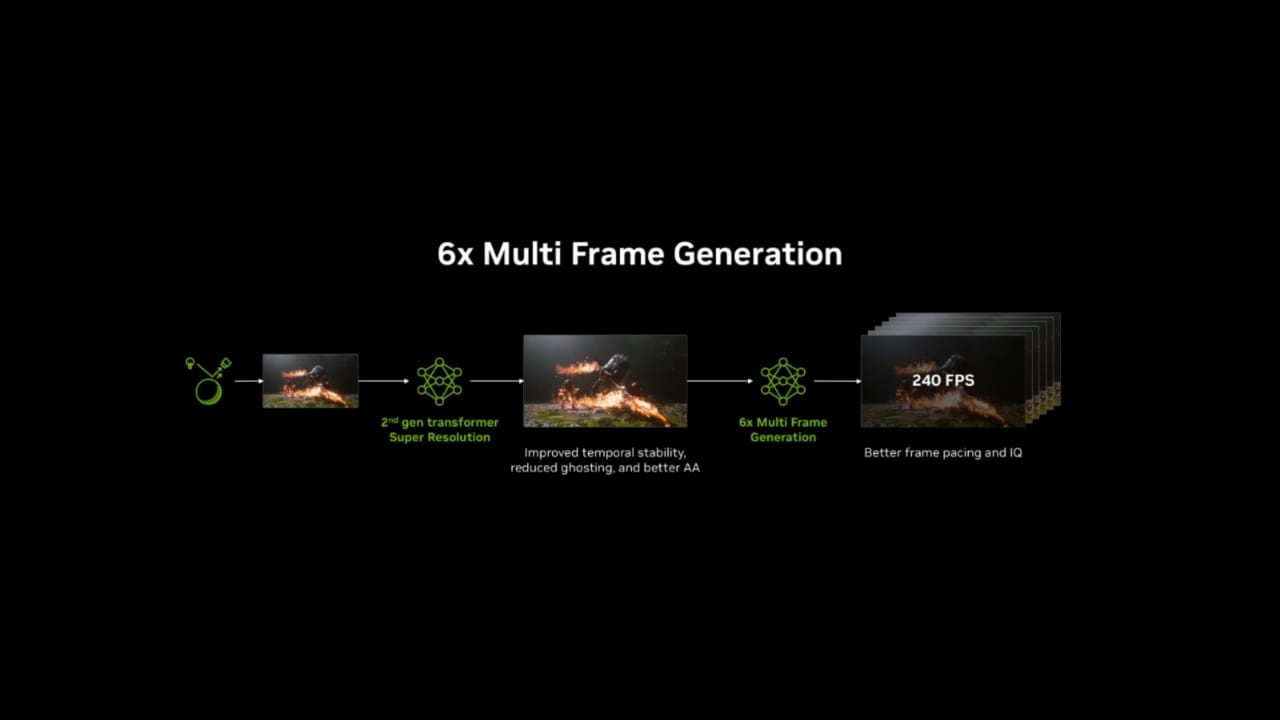
In addition, complex light calculations consisting of beam monitoring are further processed by this model. This significantly increases image quality in cinematic games.
At this point, DLSS is not only a tool that increases performance. It also turned into a layer of artificial intelligence that optimizes image quality, analyzes the scene and rebuilds in real time.
DLSS 4.5 offers a new architectural approach in graphic technology by collecting square production, dynamic optimization and advanced super resolution mechanism in one integrated system.
Performance and Image Quality Balance
Technological advances often follow a direction that challenges hardware, require stronger screen cards and higher power consumption. But NVIDIA DLSS 4.5 developed by NVIDIA offers an approach that reverses this classic cycle. The main idea here is based on the smarter calculation principle instead of more calculation.
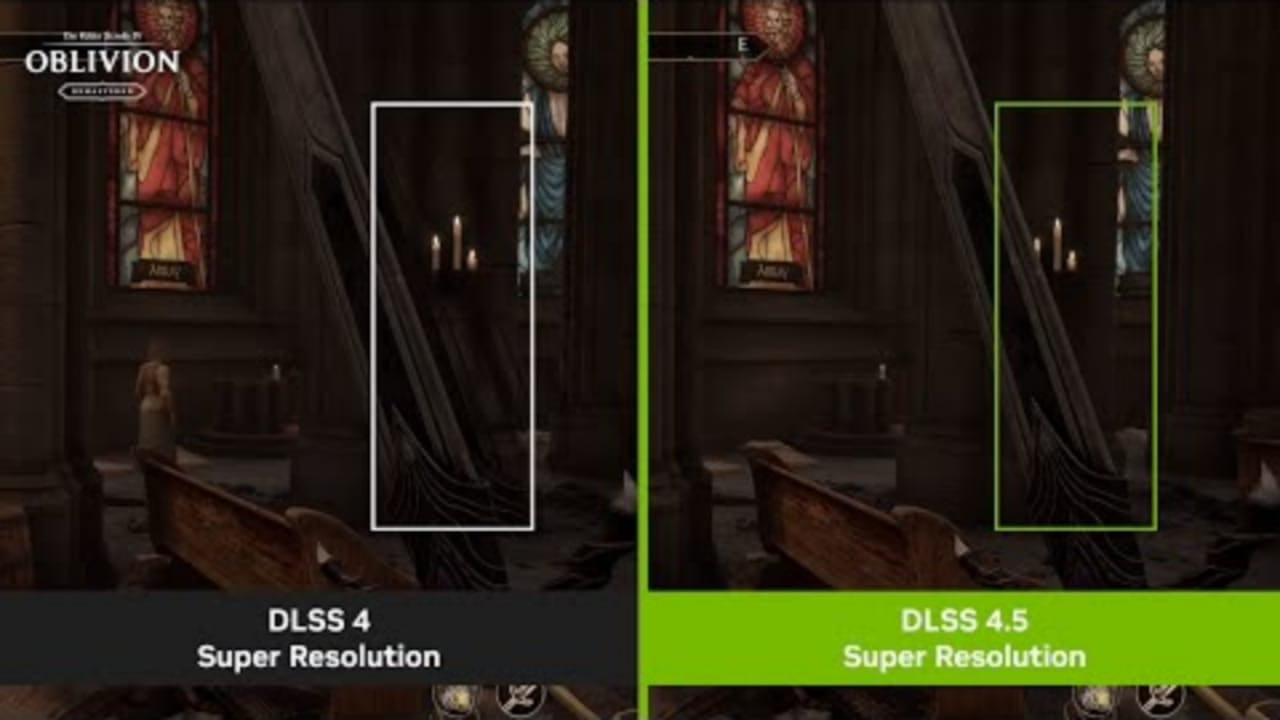
DLSS 4.5 rebuilds the image by supporting artificial intelligence instead of expecting GPU to produce every square physically. In this way, when the load on the hardware is optimized, a higher resolution and more fluent experience is achieved on the user side.
The newness of DLSS 4.5 can be summarized as follows:
Produce less real square, create smart frames with artificial intelligence, achieve higher fluency.
This approach distinguishes graphic processing logic from classic pixel-based imaging and pure hardware power-based methods. Now performance growth can be achieved not only with a stronger GPU, but also with a more advanced AI model. The balance of FPS declines, especially when the beam is open, is one of the most critical contributions of DLSS 4.5.
DLSS 4.5 Supported Games
The DLSS ecosystem expands in every version and offers support in many AAA and competitive construction as of the output at DLSS 4.5. The effect of DLSS 4.5 in particularly beam monitoring (ray tracing) and high resolution-oriented games is more pronounced.
Here are some important constructions planned to have DLSS 4.5 support or update:
- CyberPunk 2077
- Area Wake 2
- Black Myth: Wukong
- Star Wars Outlaws
- Microsoft Flight Simulator
- Home
In these games, especially in 4K resolutions and beam monitoring, DLSS 4.5’s square production and super resolution technologies provide serious performance increase.
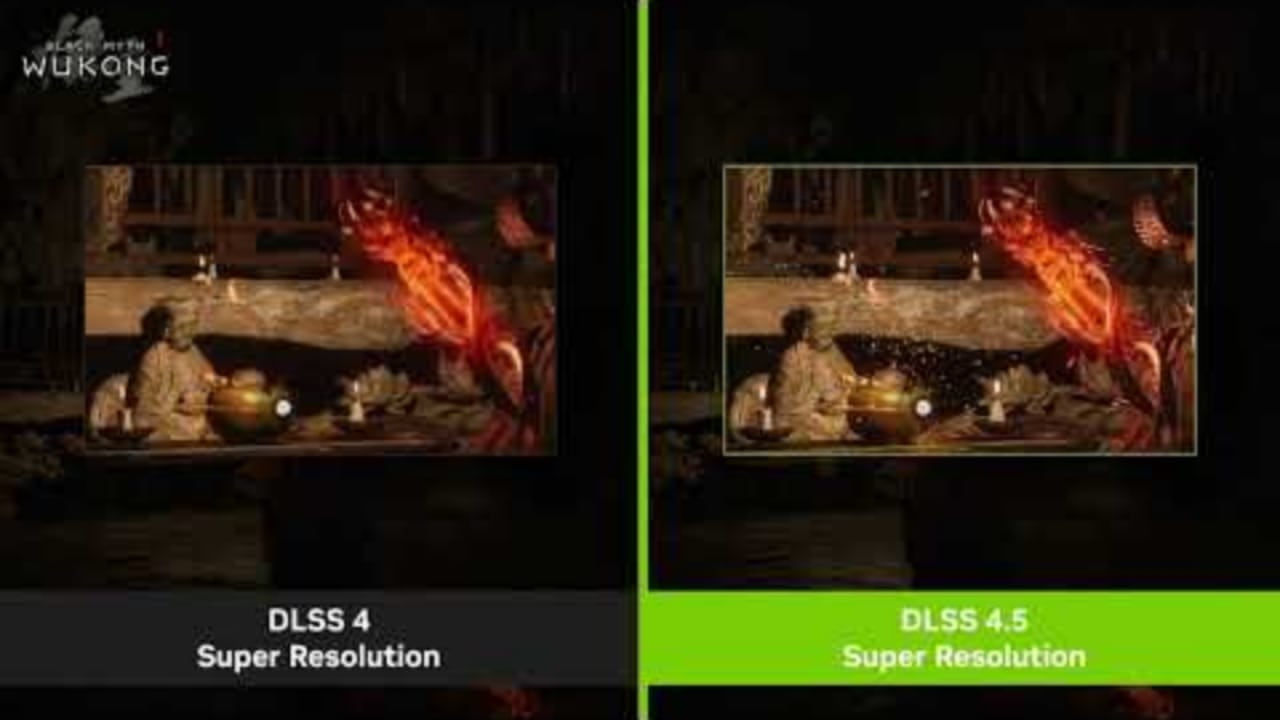
DLSS 4.5 Is an Update, Is a Turning Point?
DLSS 4.5 It’s clearly seen that it’s not an ordinary version update when its features are reviewed. 6x Multi Frame Generation, Dynamic Frame Generation and second generation transformer-based Super Resolution is understood that the graphic production process is home to an artificial intelligence-based architecture.
This technology is not only a simple software; it is a system that analyzes, predicts and restructures image production process. In this context, DLSS 4.5 shows that artificial intelligence is now becoming a very central component from a helpful tool.
DLSS 4.5 is an artificial intelligence-supported graphic paradigm that only converts the way of working modern gaming engines rather than a technical update. In the coming years, more games are expected to be integrated into this architecture.
WriterAI Regülasyon, Etik ve Benchmark İçerikleri (2026 Rehberi)


Görsel Manipülasyon Aracı: Flux Labs AI