OpenAI-Backed 1X NEO Robot Impresses With New Smart Hands
Automatically translated
 Writer
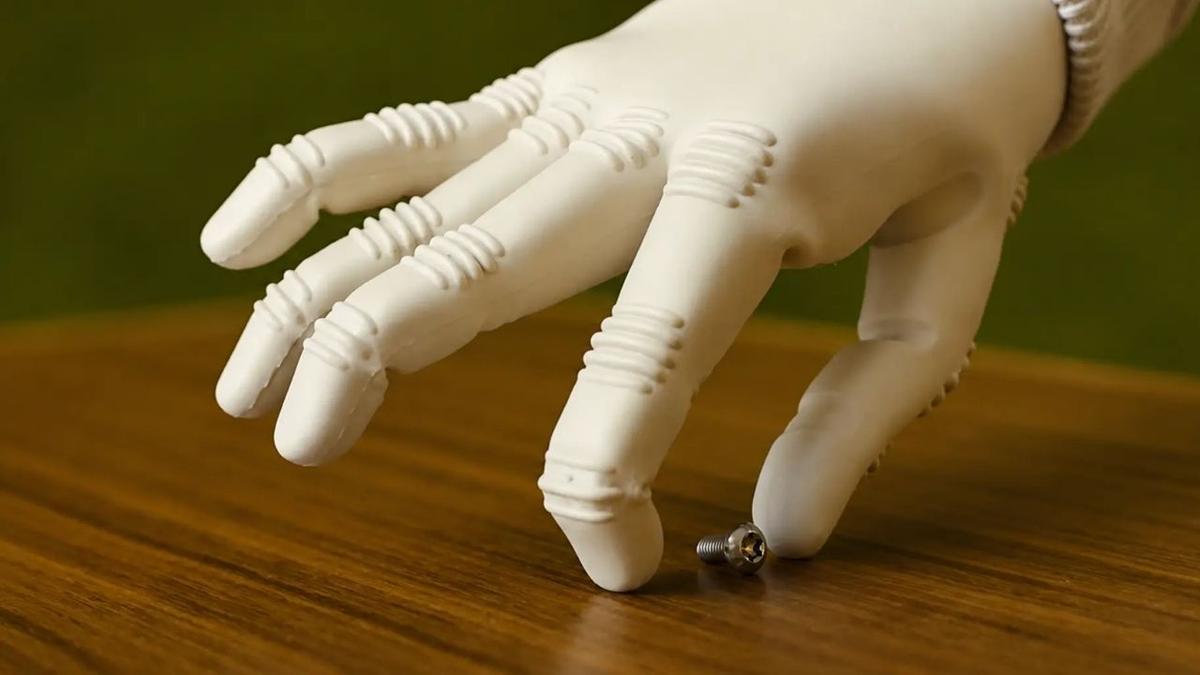
One of the biggest physical obstacles to humanoid robots leaving industrial settings and entering our homes is replicating the remarkable delicacy and strength of the human hand at the same time. 1X Technologies, one of the most closely watched players in robotics and backed by OpenAI, has taken a major step in this area. The company has introduced new-generation smart hands for its home humanoid robot NEO, which it developed from scratch and which are nearly indistinguishable from a biological hand.
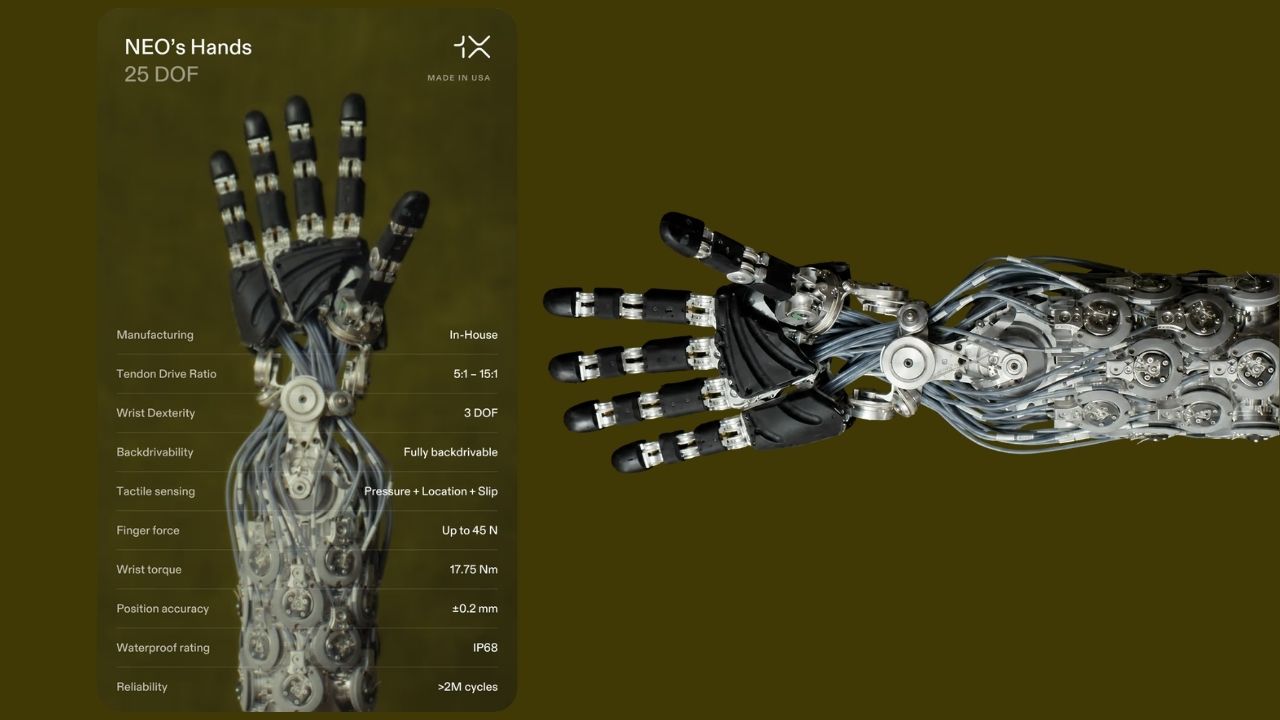
NEO's new hands push the bar in robotics with their finger structure, flexibility and sense of touch. The design allows robots to go beyond performing pre-programmed tasks and take initiative like a human in changing home environments. Aimed at delivering a practical 1X NEO ilk insansı ev robotu deneyimi, this ecosystem, together with the newly announced smart hands, redefines the limits of capability in the physical world.
Moving Away from Mechanical Gears: The Power of the Tendon System
In traditional robot designs, rigid motors and metal gears placed in the joints move the fingers. However, this structure cannot provide millimeter-level flexibility and creates serious safety risks in a home environment during impacts or pinching. 1X Technologies engineers used a tendon-driven robotic hand architecture inspired by human anatomy to eliminate this problem entirely.
Tendon Technology:
In this system, there are no motors inside the fingers; instead, high-strength specialized cables work like the tendons in a human hand.
Power Transmission:
The motors are placed in the more protected areas of the robot (the forearm) and transfer power to the fingertips through these cables.
Passive Compliance:
This allows the hand to be incredibly lightweight while also flexing to absorb impacts.
As a result, the fluidity and flexibility produce movements natural enough to create an almost unreal visual illusion for observers.
25 Degrees of Freedom and Anatomical Layout
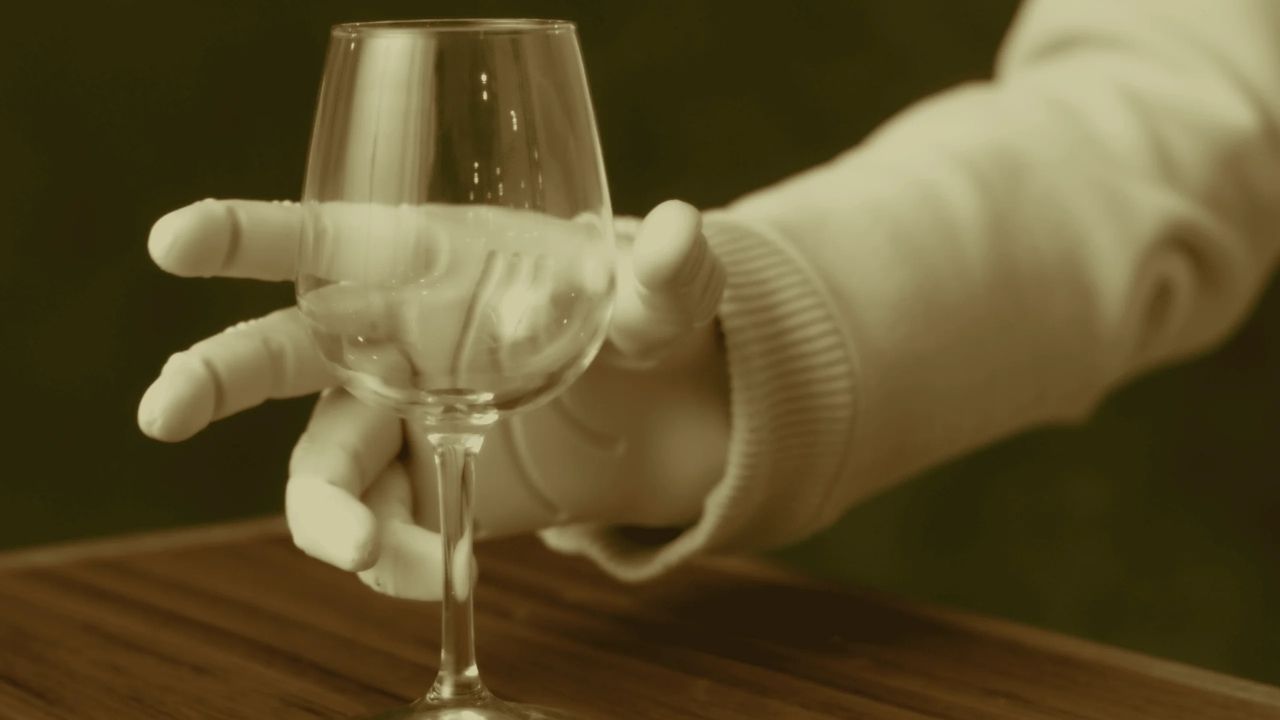
NEO's new hands have a total of 25 degrees of freedom (DoF). The fingers and palm contribute 22, and the wrist has 3 fully articulated joints. Since the human hand is generally considered to have around 27 degrees of freedom, it becomes clearer how closely NEO approaches biological limits. Rather than spreading this movement capability evenly across the fingers, the engineering team focused on a strong thumb that can be positioned directly opposite the fingers, just as in a human hand.
In addition, instead of the high gear ratios of traditional robots, such as 100:1 or 200:1, very low gear ratios ranging from 5:1 to 15:1 were chosen. These low ratios:
Allow the fingers to give immediately when there is external physical contact with the robot.
Prevent the motors from overexerting themselves when the hand gets caught in a drawer or strikes a hard object.
Ensure that the hand physically yields and keeps safety at the highest level at all times.
Millimeter Precision and Tactile Feedback
For a robot to grasp an egg without breaking it, or pick up a plastic cup from a table without crushing it, flexible fingers alone are not enough; it must also be able to measure within milliseconds how much torque to apply. The new hand is equipped with high-sensitivity haptic (tactile) sensors integrated into the fingertips. These sensors instantly read the hardness, slipperiness and center of gravity of a surface the moment contact is made with an object.
Cognitive algorithms process the data from these sensors and continuously optimize the tension of the tendons in the fingers. Thanks to this integration, NEO can work as a precise object-grasping robot and can sense instantly whether an object it holds is slipping, adjusting its grip accordingly.
Useful Features: 1X NEO
One of the most striking remarks during the presentation came straight from the core of the work. Bernt Børnich, founder and CEO of 1X, expressed that their goal was not simply to build a robot hand with impressive technical specifications, saying:
"Our aim was not to develop a hand that looks impressive on paper. These hands are the result of intensive engineering work to make humanoid robots truly useful. We have developed a system that can carry out the tasks people do with their hands every day, and even reach a crazy level that surpasses human limits. Neo has now crossed a critical threshold."
To support these practical claims, the company also shared tasks the new hand can handle directly in daily life:
Opening doors:
Smoothly overcoming one of the most basic physical obstacles in daily routines.
Using a screwdriver:
Handling tools that require fine motor skills and precise torque control.
Carrying loads:
Optimizing finger resistance and grip strength for different weights.
Grasping small objects:
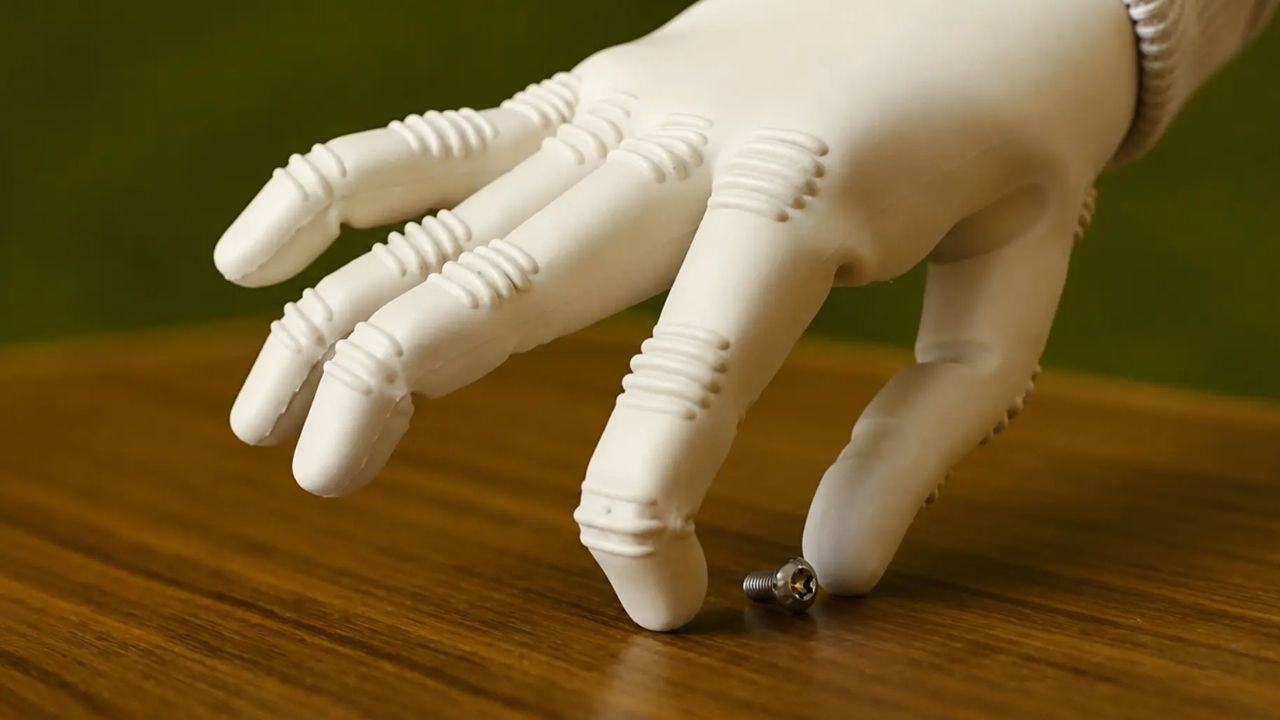
Delicately holding millimeter-sized objects with fingertips.
Using hand tools:
Working with mechanical equipment found in homes and workshops.
Pushing a shopping cart:
Simultaneously adjusting hand and wrist balance according to constantly changing direction and pushing force.
Where Physical World Meets OpenAI: Embodied Mind

As AI technologies advance, humanoid robot models that find their place in the physical world are becoming more diverse every day. NEO, one of the most important links in this transformation, is also strengthened by the cognitive processing support OpenAI provides. The robot, the most advanced example of the concept of "embodied AI," an intelligent system embodied in a physical body, draws on deep learning models while controlling these smart hands. It does not only see the objects around it with its cameras; it analyzes on its own, through deep neural networks, how to touch them and at what angle to grasp them.
The "need to write separate code for every object" that we saw in older-generation robots is also becoming a thing of the past. NEO can grasp even an object it has never encountered before with the right amount of force, based on its weight, shape and surface texture.
A Household Companion That Can Wash Its Own Hands: IP68 and Food Compatibility
One of the most unusual details in NEO's new hand design is its durability standards. The hands are rated IP68 for water and dust resistance. This means the robot can wash its own hands with soap or submerge them completely in water after working in the kitchen. At the same time, the materials used are fully compliant with food safety standards (food-safe). This allows NEO to maintain hygiene standards while chopping vegetables, preparing meals or arranging dishes in the kitchen.
Touching the Future
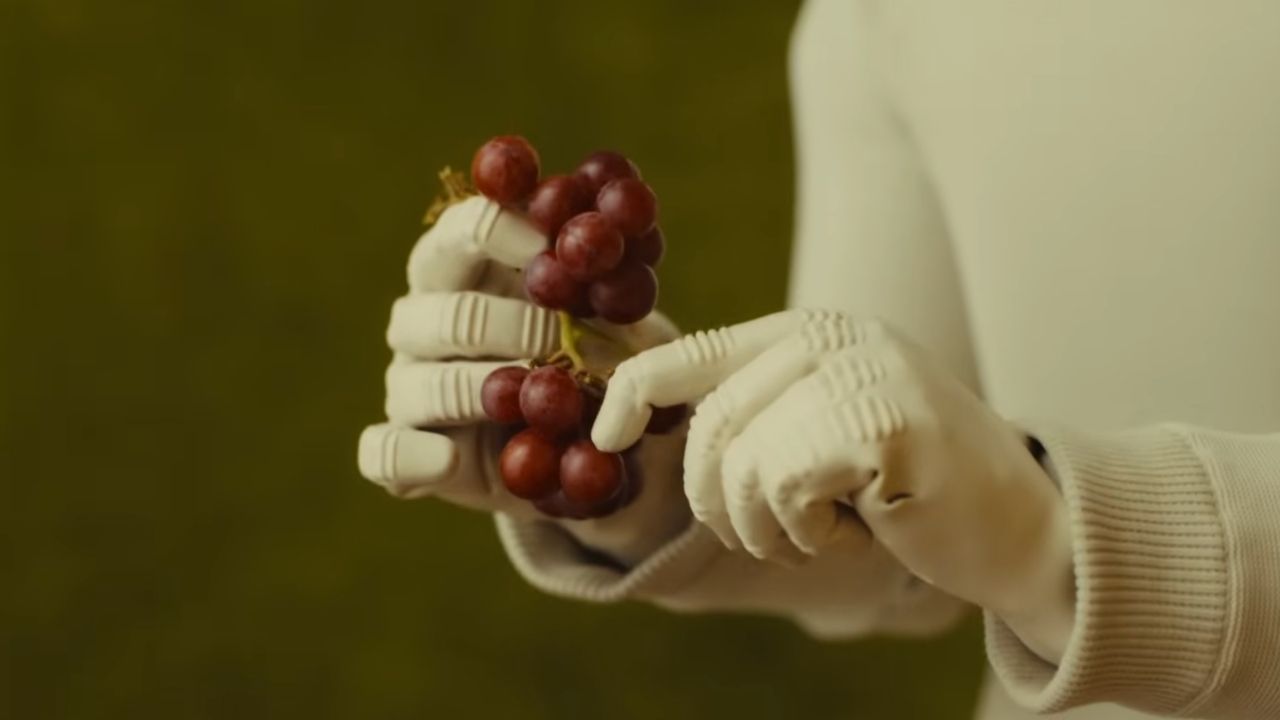
The flexibility brought by the tendon system shows that, in the near future, household chores may become ordinary routines for robots. However, this is not just a technical development; the real change will begin when we accept a physical stranger within the most private boundaries of our homes for the first time.
The idea of a robot entering our daily lives still creates a mix of excitement and unease today. Replacing the huge, cold metal arms of factories with a household companion that chops vegetables beside us or carries our coffee will not be an easy adjustment. For many of us, this would mean freeing ourselves from tedious housework and having time for ourselves, yet debates about trust and privacy are also inevitable when living under the same roof with a device that constantly watches and learns.
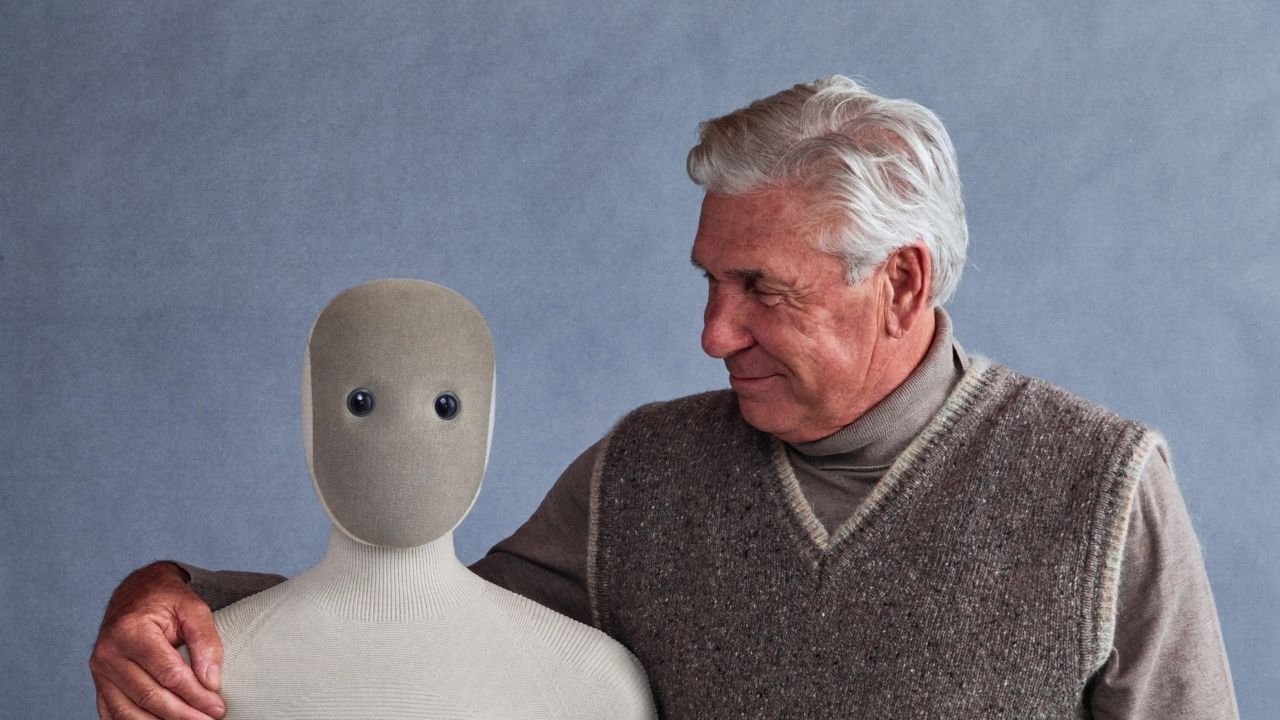
It is exciting to see how easily NEO handles tasks with its delicate hands in the published promotional videos. Still, the most important detail is that this robot is designed to be flexible and safe enough not to harm the people or pets around it. Perhaps very soon we will begin to accept AI not as something on screens, but as a reality pouring tea for us in the middle of our living rooms.
WriterYapay Zeka Hafıza Zehirleme Tek E-postayla Mümkün


GPT-Red: OpenAI'ın Yapay Zeka Güvenliğinde Yeni Adımı