
Prompt Engineering Techniques for Open Problems
Automatically translated
The answers to artificial intelligence systems in open-end problems are often figured out how the model itself is instructed. Prompt engineering techniques become a critical element that directly affects the nature and reliability of analysis produced with artificial intelligence in areas that contain uncertainty with the knowledge of how accurate and effective prompt.

What Are Open Problems?
Open problems; the solution path expresses the problem types that are not clearly defined, not a single correct answer and can vary according to the binding, assumptions and evaluation criteria of the solution. Also open problems include questions and conditions requiring interpretation, contextual assessment and strategic analysis. From social sciences to policy analysis, scientific theory fiction to technology infrastructure planning.
Not only the result that is important in this problem class, but how to achieve the conclusion. Open problems often include missing information, uncertainty and numerous possible ways of solution. Therefore, rather than classical algorithmic approaches, it is dealt with grounding, comparison and reasoning-based analyses.
The basic purpose in open problems is to work systematically and transparently, not to eliminate uncertainty. This approach makes a very process-oriented assessment from result-orientedness in the use of AI and makes the model look at the thought chain.
This approach to open problems, especially artificial intelligence systems Home decision support mechanisms nda has become more visible with its heading. In academic research designs, public policy analysis, technology investment planning, and data interpretation processes used in journalism, the problem types of reasoning from the solution are common. In this context, open problems were only subject to theoretical discussions; a decisive role was taken in shaping real world decisions. The expected contribution from artificial intelligence systems has also changed at this point, multiple scenarios, ground assessments and binding-sensitive analyses have been requested instead.
Discrete Between Open and Closed Problems
Closed problems; the inputs, rules and outputs are clearly defined, often the problem types with a single correct answer. Mathematical equations, specific classification tasks and clearly defined optimization problems are in this context.
Open problems are shaped around the following questions:
- Which approach is more reasonable?
- Under what assumptions, this result may be accepted valid?
- How to change the solution in different scenarios?
These questions require that the problem is not only concluded, but focus on the solution process and the type of reason used. For this reason, open problems claim to produce grounded thought, not only answer from AI systems.
This distinction offers a basic framework of how AI systems are used. While the expected accuracy rate and speed of the model in closed problems, expectations in open problems; consistency, clarity and assumptions are clearly revealed. Therefore, artificial intelligence systems used in open problem context are evaluated as analytical tools that support decision-making processes rather than produce results. The model is based on what assumptions do, the result that is reached itself is as important.
What is Prompt?
Prompt refers to the instruction given to an artificial intelligence model, routing or task definition. This instruction is the basic input that determines what model is expected, in which context it will work and how it is desirable to produce an output. In the technical context, prompt may include a simple question or beyond the command; problem definition, context information, assumptions, limitations and outcome expectation.

Especially in open problems prompt becomes the basic tool that determines how the model will track a way of thought in the face of uncertainty. Random questions require configured, conscious and binding-sensitive redirects instead of asking.
In an effective prompt, the context of the problem is clearly defined, which conditions of the model should be cleared. Then it is noted that the model is expected to produce responses from what perspective. Role-based routing allows the model to produce more consistent and contextual outputs by narrowing the information area. The express expression of the output type (analysis, comparison, scenario evaluation) and the specification of assumptions makes it possible to understand which conditions of the results produced.
When it comes to open problems, prompts not only a starting point, but also a frame function that determines the limits of the analysis process. Undoubtedly or in the context, kopuk prompts cause the model to fill the uncertainty with random generalizations; well-structured prompts turn into a uncertainty controlled thinking area. This situation stands out as one of the basic elements that explain why artificial intelligence outputs produce results in different grades for the same problem.
What Does Prompt Engineering Work?
Prompt engineering refers to the process of configuring the instructions given to an artificial intelligence model to produce the most meaningful, consistent and grounded output in a specific problem context. The aim is to enable the model not only to produce languages, but to monitor the necessary mental process for the solution.
This area is based on clearly identifying expectations instead of predicting what model will do. Therefore, prompt is not only an input; it is a guiding tool that shapes the model’s thinking area. In open problems, prompt engineering aims not to eliminate uncertainty, audited in uncertainty and creating transparent thinking processes.
The same open problem is significantly changing the nature of the analysis produced by artificial intelligence systems, when addressed with configured prompts in different formats. Non-linking, role and output expectation undefined prompts often produce superficial and generalizing responses; binding sensitive, assumptions are clearly specified and expressing the thought process, prompts reveal more consistent and auditable results. This situation shows that prompt engineering is not only a technical improvement, but a design process that directly affects analytical quality.
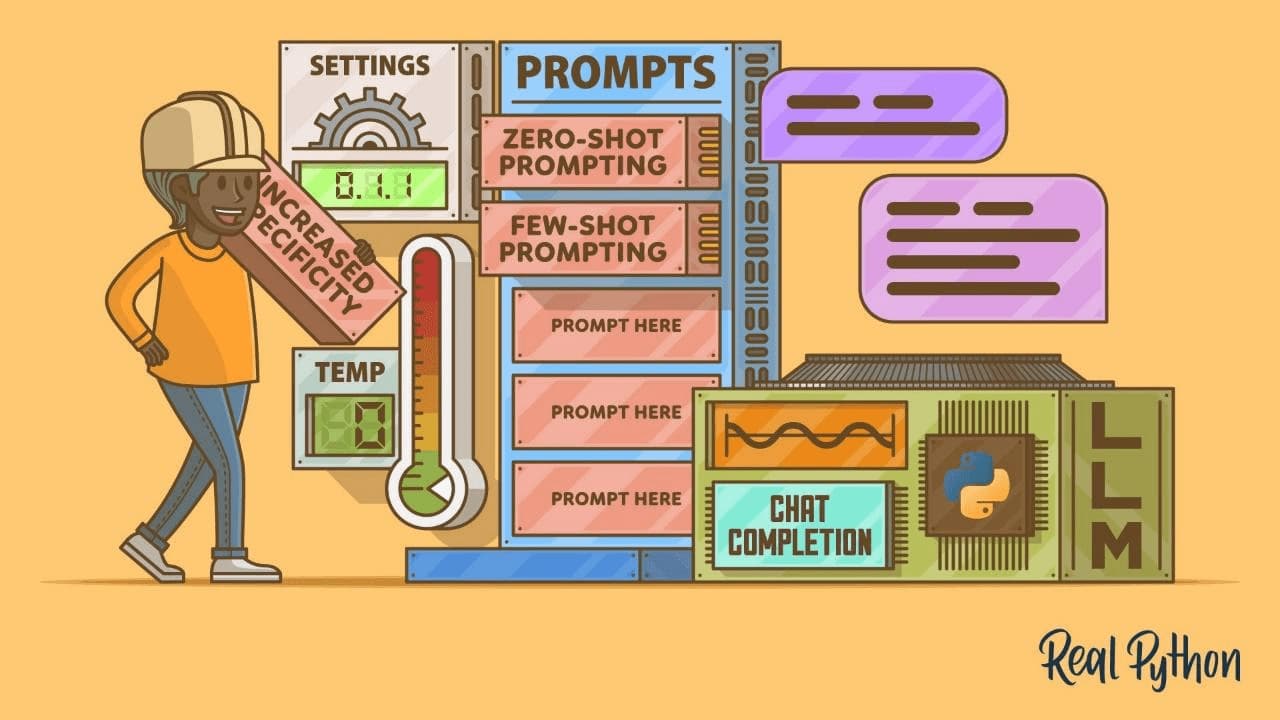
Prompt Engineering Techniques
The main techniques used in the context of open problems include context-based prompt design, role-based routing, Chain of Thought Prompting, determining output format and resource-based prompts.
The role-based routing narrows the knowledge space by positioning the model in a specific perspective of expertise and makes the ways of distracting more consistent. The resource-based prompt design allows the model to withstand their arguments to certain literature or data sets, which increases reliability in problems with uncertainty.
Open thought approach is based on transparent sharing of data, methods and assumptions. According to this perspective, the reliability of artificial intelligence systems should be measured not only with the outputs produced, but with the opening of the process to these outputs. Prompt engineering is evaluated as a practical equivalent of this approach. Because well-structured prompts clearly reveal the model’s thought process and make critical assessment possible.
Studies that address the relationship between symptoms recognition, predictive production and action reveal that in open problems, not directly produce results from the model; due to the development of ground analyses over the nucleus is healthier. For this reason, prompt engineering stands out as a means that builds the thinkal bridge between forecast and decision.
Chain of Thought Prompting: Highlight and Border
One of the frequently applied methods to avoid superficial interests in open problems is the Chain of Thought Prompting approach. This technique is expected not only the final result of the model, but also to present the path to the reason that it monitors while achieving this conclusion.
However, there should be a critical distinction at this point. Chain of Thought approach, rather than revealing the model as “inditional thinking mechanism”; it aims to provide a grounded, traceable and judgeable reasoning framework. The aim is to make the model understand why it reaches a certain conclusion; to make the assumptions, intermediates and scenario differences appear.

An effective Chain of Thought redirect in the open problem context includes:
- express expression of what I want
- Abstraction of intermediate evaluation steps
- Demonstrate logical passages between different scenarios
This approach makes it critically evaluated, rather than absolute the accuracy of artificial intelligence outputs. It is especially important to understand how the model output is produced in the commentary contents used in academic analyses, policy assessments and journalism.
Chain of Thought Prompting also acts as a traceability and audit tool in the security literature, but shows the main value of open problems as a prompt engineering technique. Since there is no one correct answer in open problems, the expected output from the model is a very grounded solution. At this point, Chain of Thought aims to provide progress with a step-by-step, structured and auditable logic flow of the model, not “existing the inner thoughts”. An effective Chain of Thought promptu forces the model not to produce an uncertain result, to separate the problem into pieces, clearly identify the assumptions and associate each step consistent with the previous one. Thus, prompt does not only produce more accurate answers, but also analyze the problem solving quality, consistency and error trend of artificial intelligence. The power of Chain of Thought in open problems occurs exactly here: rather than the accuracy of the result, the quality of the solution process is turned into a measurable signal.
Same Problem, Different Prompts
The outputs produced by artificial intelligence systems in open problems are formatted on how this problem is presented to the model. The following example shows concrete analysis differences when the same open problem is addressed with different prompt structures.
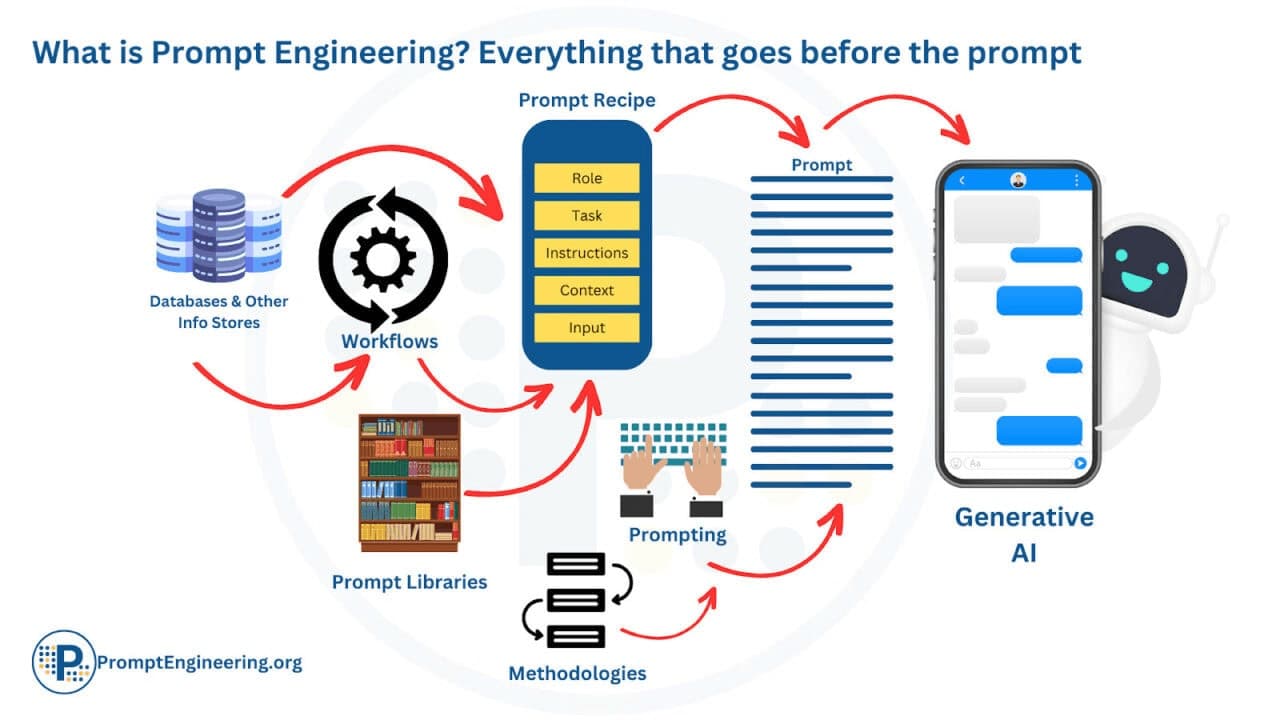
Open Problem Definition:
“What are the effects of remote work practices on the city life in the long run? ”
This question is a typical open problem example that contains social, economic and spatial variables without a single accurate answer. Effects can vary depending on the assumptions used, time scale and evaluation criteria used.
Sample 1: Unconstructed Prompt
“Open the effects of the work on major cities. ”
This kind of prompt, context, assumption and analysis frame does not contain, usually expects to produce a superficial and generalizing response. The output often carries the following features:
- General pass positive/existing effects
- It is not clearly specified if I have
The response produced in this case is informative, but it offers a limited value for decision support or analytical evaluation.
Sample 2: Configured and Binding Responsive Prompt
“By evaluating from a city planning specialist perspective,
remote work practices in major cities
(a) transportation infrastructure,
(b) housing market and
(c) social spatial decomposition
effects on,
Analyze in short and long-term scenarios.
It clearly states that under which assumptions in the analysis reach these results. ”
This prompt:
- The model is positioned with a specific role.
- The analysis areas are clearly restricted.
- Time scale (short/long vade) is defined.
- It is necessary to expressly specify if you have.
The output produced as a result of this configuration appears not only the results; which makes these results appear that they are accessed through mental and contextual steps. Thus, the model is transformed into a comparative and auditable analysis manufacturer, by being a tool that offers monolateral answers.
How Do We Calculate The Accurate Prompt?
Chain of Thought Prompting, effective in open problems, defines what stages should be passed, so as to teach the model “how to think”. Therefore, a successful prompt should be built as a structured routing set, not a single sentence request. The following steps offer a basic framework to get consistent and analyzed outputs from AI systems in open-end problems.
1. Fix Problem Area
Prompt should clearly indicate why the problem is open. A single correct answer of the model should be highlighted that it should be progressed through different assumptions. This step prevents the model to be early generalization.
2. 2. Want to Identify Assumptions Open
The model should be asked to specify which assumptions are moving before starting the solution process. This makes the source of both faulty interests and increases the auditability of the solution path.
3. Steps Bring Mental Execution Complicability
The key function of Chain of Thought Prompting is activated here. From the model, the progress by separating the problem into pieces and the description of how each step connects to the previous one should be requested. The purpose is not to exhibit the thought, configuration of logic chain Tags.
4. Search Results Request to Make Consistency Control Over
Prompt may ask the model to be subjected to a short assessment of the intermediate results reached at every stage. This approach provides early detection of chain errors in particularly complex open problems.
5. Focused On Much Of The After All
The success of the output in open problems is measured, rather than the result that is reached. Therefore, prompt should ask for the consistency of the solution path before the final answer and the explanation caused by alternative approaches.
Chain of Thought prompts, built in line with this guide, transforms artificial intelligence into a “cevap manufacturer” and converts it to an analysisable and comparable problem solving tool. In scenarios that contain particularly ambiguity, this approach increases the quality of the output and ensures that model behavior is safer and predictable.
Data Cluster, Decision Making and Injustice
In current discussions regarding statistical decision-making approaches, contextual accuracy of single metrics such as average accuracy is always seen. In the areas of problems that contain particularly uncertainty, numerical accuracy is not considered as a sufficient measure alone. This situation clearly reveals why accurate prompt design and binding-sensitive analysis are critical in open problems.
The limitedness and contextual deficiencies of datasets in problem areas with certainty make it risk to produce direct results of artificial intelligence systems. Therefore, in current discussions, the accuracy of models outputs is very important that it is understood that it is produced under assumptions. Prompt engineering is evaluated as an interface that fills the gap between data and decision in this context. Based on what knowledge of the model, which makes my interest, has become one of the basic criteria of reliability in decision-making processes.
Risks And Limits
Although prompt engineering is a powerful tool, wrong or uncertain redirects can lead to unstable and misleading outputs. Therefore, prompt design should be addressed with critical assessment, repeat testing and human audit.
Effective artificial intelligence prompts for open problems are not only a technical application; a holistic problem solving methodology that requires systematic thinking, reasoning and transparency. Prompt engineering techniques turn artificial intelligence systems into passive response manufacturers, analytical and traceable problem solving tools.

Prompt engineering techniques do not provide absolute accuracy guarantee, combined with increasing the analysis capacity of artificial intelligence systems. The prompts established on wrong assumptions or defined in the context may lead to the production of persuasive but incorrect interests. This situation brings the risks of using artificial intelligence outputs in particularly open problems without being passed through the critical strainer. Therefore, prompt engineering is evaluated as a method to be addressed with human audit, re-evaluation and comparative analysis processes.
The use of artificial intelligence in the context of open problems represents a transformation from a technological innovation, thinking forms. Prompt engineering techniques are located in the center of this transformation; artificial intelligence systems turn passive response manufacturers into analytical and ground assessment tools. The ability to write prompts in this frame is redefined not only a technical field of expertise, but uncertainly work and systematic thinking competence.
Nvidia Audio2Face, Nvidia Ace Açık Kaynaklı Sunuldu


Yapay Zekada Yeni Yaratıcı Model ‘3B Marble’