Robots Get a Brain: Meet Gemini Robotics-ER 1.6
Automatically translated
 Writer
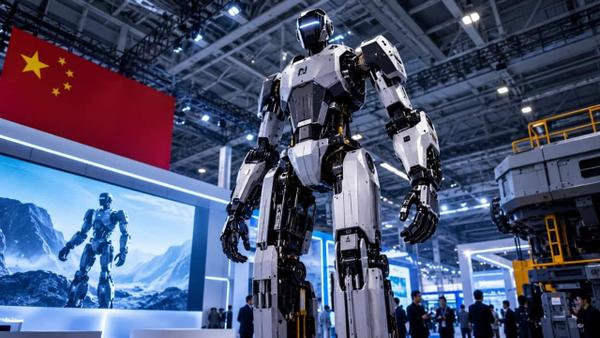
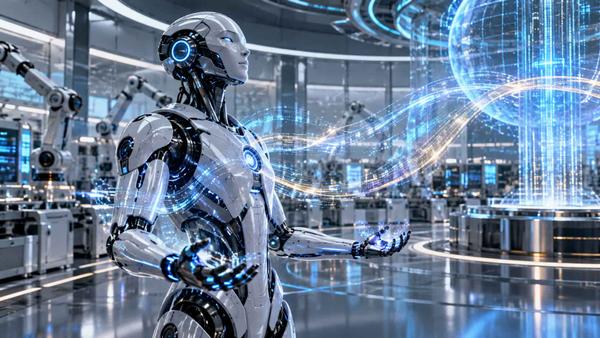
The thinking robots we have seen in science fiction for years are breaking through laboratory glass and coming down into our factories and streets. Google DeepMind’s latest creation, Gemini Robotics-ER 1.6, is described in the robotics world as not just an update but a real leap in consciousness. Robots no longer just take commands; they analyze situations, reason, and, most importantly, understand.
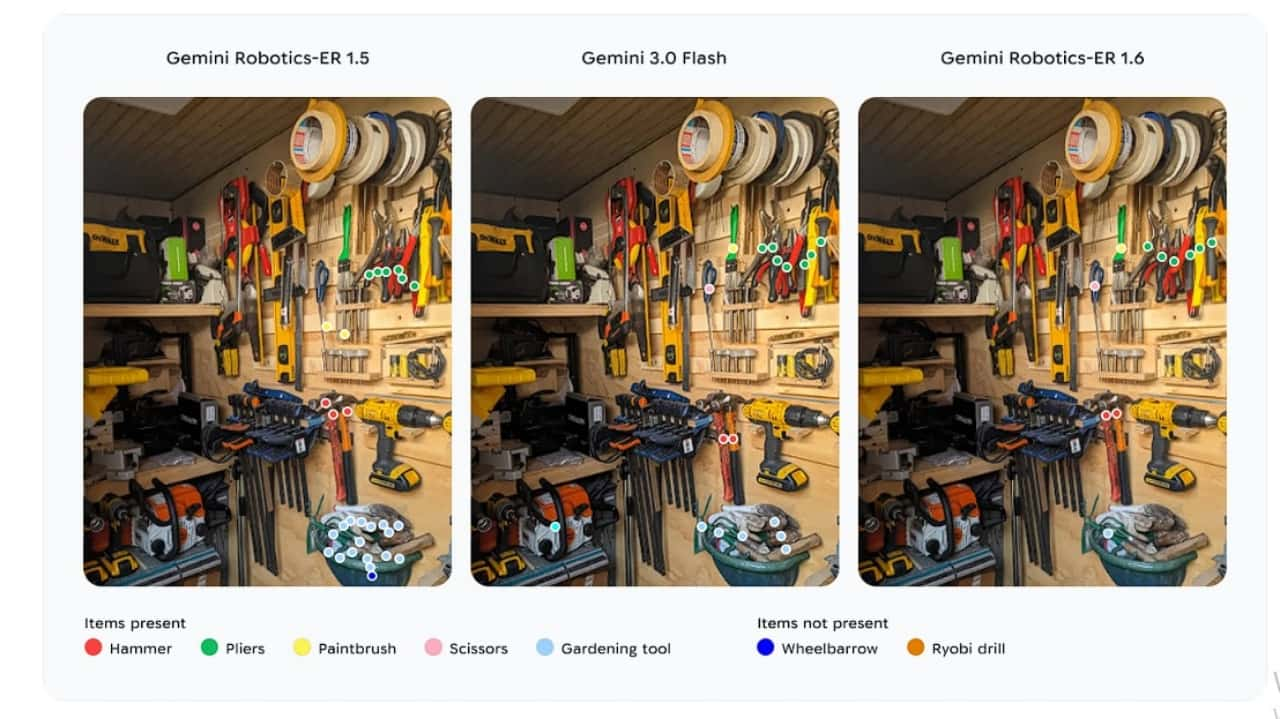
Industrial Robotic Reasoning: A New Generation of Intelligence
Gemini Robotics-ER 1.6 is specialized for critical reasoning capabilities in robotics. These capabilities include visual and spatial understanding, task planning, and success detection. The model functions as the high-level reasoning unit of a robot, and it can carry out tasks by natively calling tools such as Google Search, vision-language-action models (VLA), or any user-defined function.
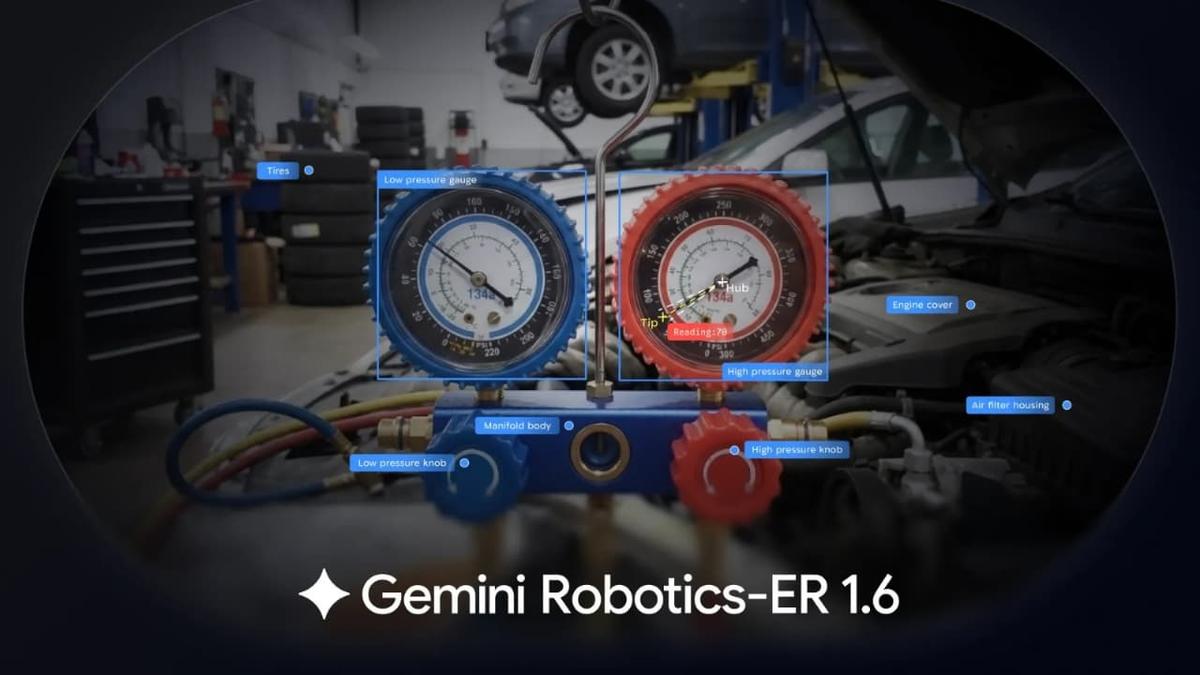
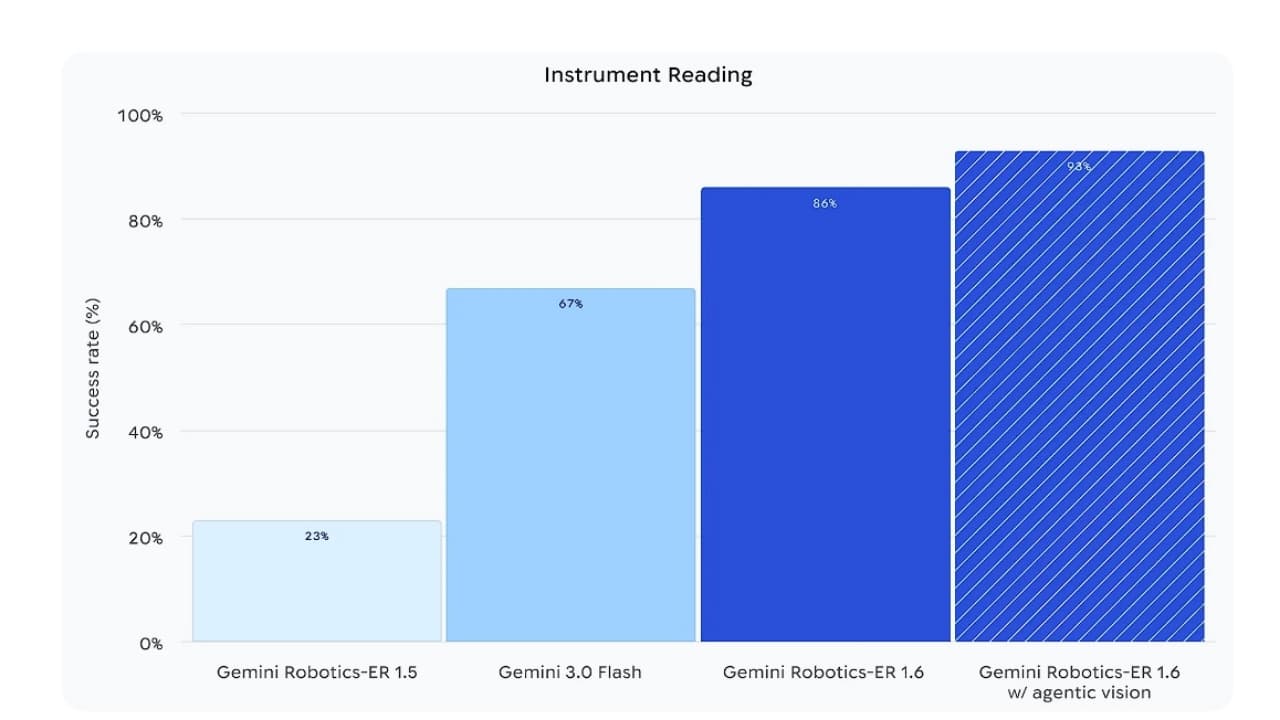
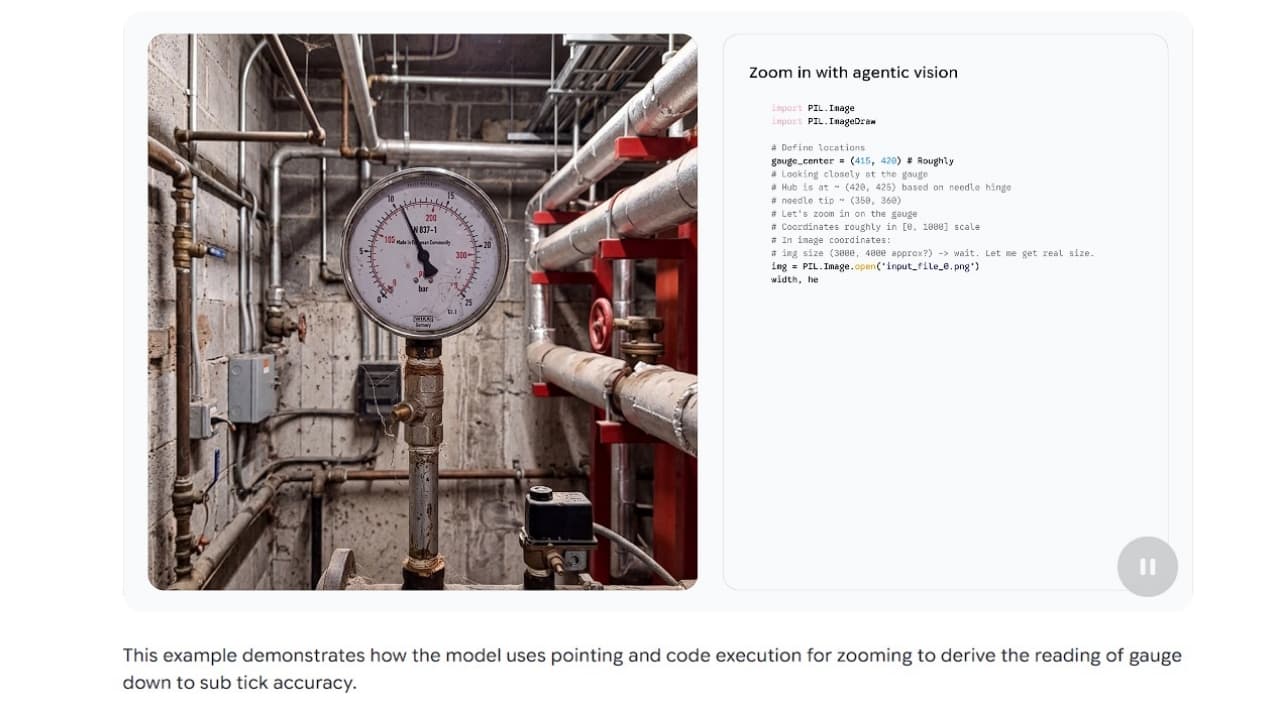
Compared with the previous generation Gemini Robotics-ER 1.5 and Gemini 3.0 Flash models, this model makes notable progress and significantly strengthens spatial and physical reasoning capabilities such as pointing, counting, and success detection. In addition, a entirely new capability has been unlocked: instrument reading. This feature can interpret pressure gauges and sight glass level indicators, and it was developed through close work in partnership with Boston Dynamics .
Pointing: The Foundation of Spatial Reasoning
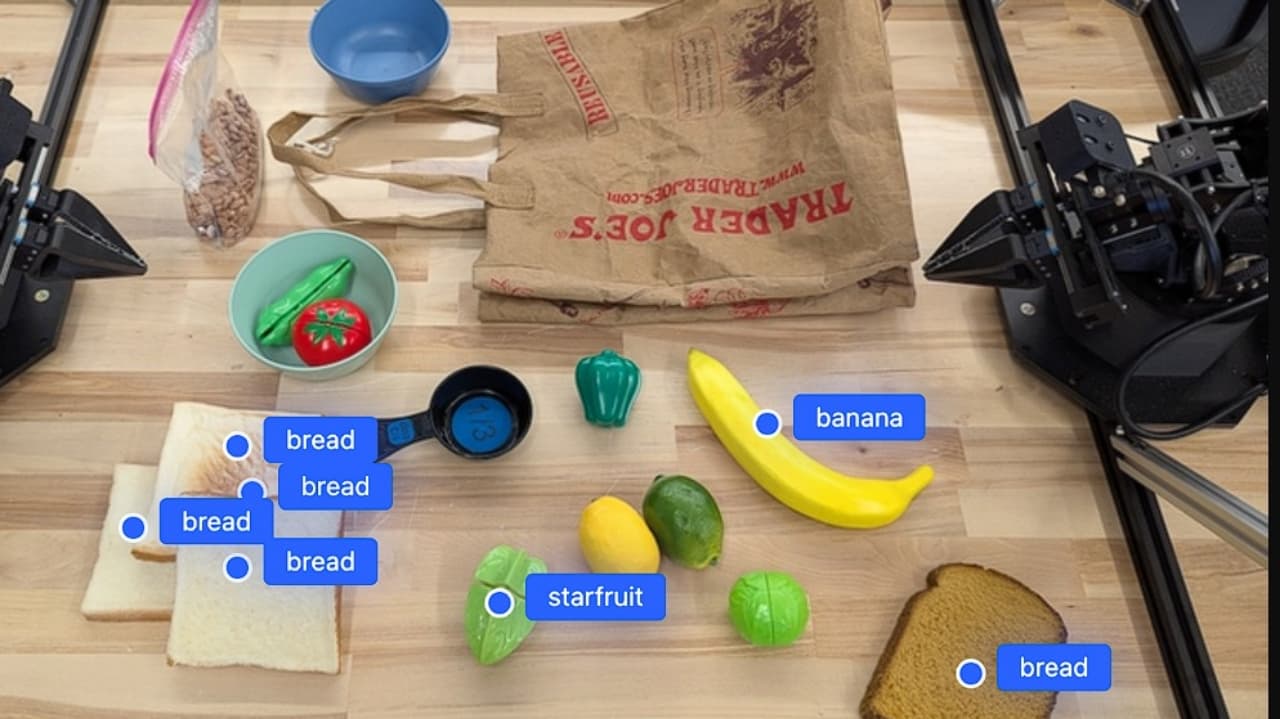
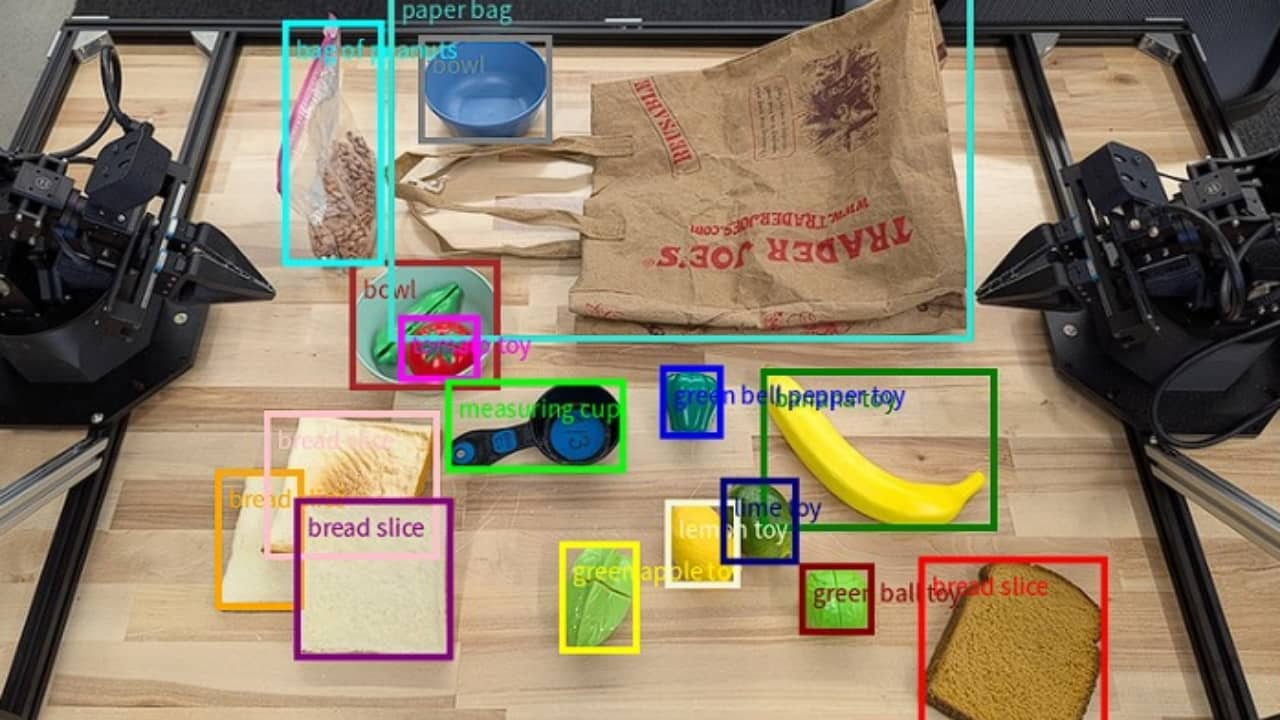
Pointing is a core ability of an embodied reasoning model, and it evolves with each model generation. This point-based approach is used to express many complex concepts, from object detection to relational logic, from motion planning to constraint satisfaction.
Until now, robots have been faithful workers within the boundaries drawn for them. However, the concept of "Embodied Reasoning" that comes with Gemini Robotics-ER 1.6 fundamentally changes this paradigm. A robot no longer sees an obstacle in its way merely as data to be overcome; with spatial awareness, it analyzes the relationships between the objects around it much as a human would.
The greatest magic of this model lies in its ability to turn complex visual data and natural language commands into a real-time action plan. For example, when you say "Clear the messy table," the robot does not just move objects; it reasons about which one is a glass that could break and which one is paper to be thrown away, and acts accordingly. In industrial settings, this is an academic breakthrough that minimizes the margin for error, almost breathing a "soul" into the robot.
Success Detection: The Engine of Autonomy
In robotics, knowing when a task is complete is just as critical as knowing how to start it. Success detection is the cornerstone of autonomy; it is the core decision mechanism that lets a robot make a sound choice between retrying a failed attempt and moving on to the next stage of the plan.
Gemini Robotics-ER 1.6 has significantly improved its multi-view reasoning capability. It can understand multiple camera feeds and the relationships between them far more accurately, even in systems and dynamic or obstructed environments.
The Waltz of Giants: Boston Dynamics and Google Collaboration
Boston Dynamics, the "rebellious and talented child" of the robotics world, and Google DeepMind, the universal brain of artificial intelligence, have entered one of the most magnificent collaborations in technology history. This partnership is not just a meeting of two tech giants; it is a waltz of the future in which mechanical precision meets digital consciousness. Scenes that leapt from the pages of science fiction are now moving beyond laboratory corridors and seeping into reality with the Gemini Robotics-ER 1.6 foundation.
From Mechanical Agility to "Digital Intuition": The Evolution of Spot
Boston Dynamics’ iconic four-legged robot Spot has undergone what amounts to a revolution in understanding after being equipped with Gemini’s reasoning layer. According to technical analyses shared by Google DeepMind, the robot’s ability to reason through complex tasks it has never encountered before (zero-shot tasks) showed a success increase of up to 300% over previous-generation base models. At the core of this improvement is that the robot no longer just walks; it determines "where, why, and how" to walk by analyzing its environmental context.
Atlas and Spot: From Flipping Machines to Autonomous Agents
Atlas and Spot, once admired for their flip videos on the internet, now promise much more than circus performances. Thanks to Gemini Robotics-ER 1.6, these models can;
Dynamic Scene Analysis: Interpret changing variables in a chaotic factory environment within seconds.
Analog Data Reading: Read and make sense of complex industrial gauges and non-digital panels, just like a technician.
Taking Initiative: In the event of an unexpected malfunction or obstacle, go beyond predefined code and produce the most logical solution within safety protocols.
Concrete Proof of the Future: Beyond a Strategic Partnership
This strategic partnership is the most concrete and unshakable proof of the great day when robots will leave sterile laboratory settings and become part of our daily lives. This flawless harmony, in which mechanical perfection meets digital intelligence, heralds a new era in human-machine interaction, an age of assistant robots. When Google’s cognitive power and Boston Dynamics’ kinetic genius come together, what stands before us is no longer just a machine, but an intelligent life form that understands its surroundings and interacts with them.
Robotic Safety Protocols: Where Digital Conscience Meets Physical Safety
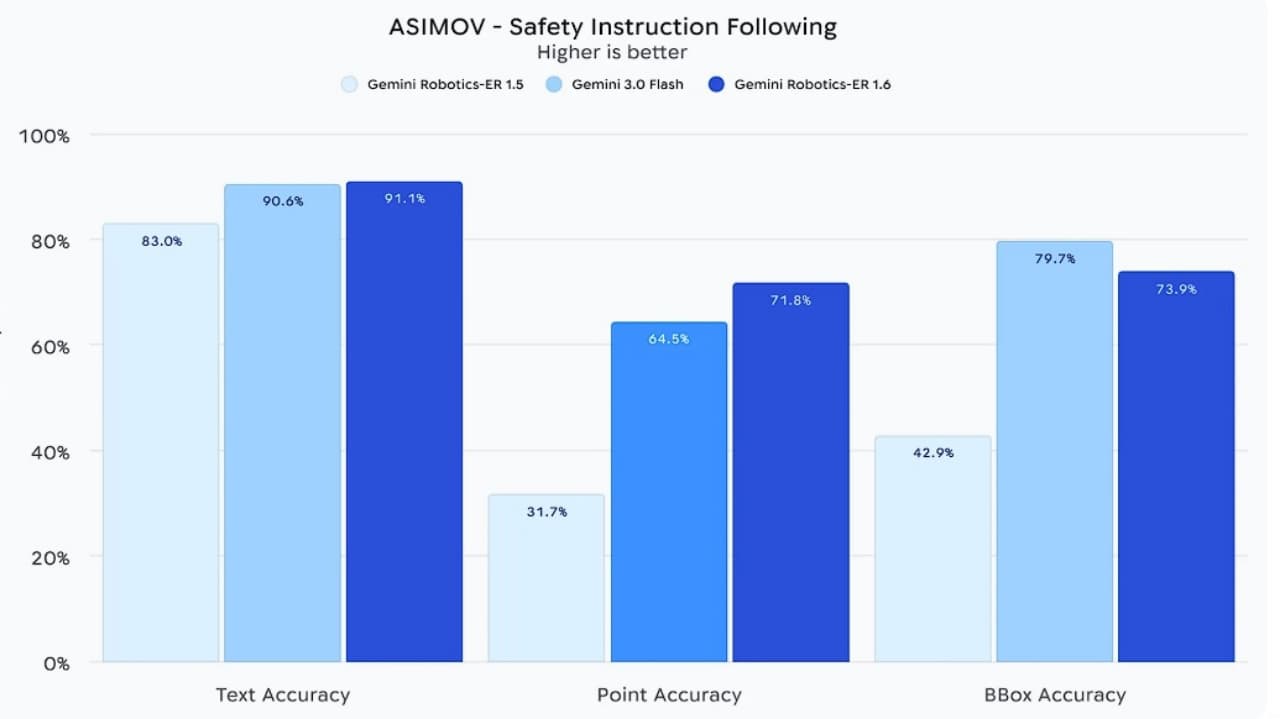
As the reach of intelligence expands, the boundaries of safety are also being redrawn. Gemini Robotics-ER 1.6 is not just an increase in processing capacity; it also holds the title of the safest robotics model developed to date. In this model, safety is not a software patch added later; it is infused into every layer of "embodied reasoning" processes, much like the instincts of a living creature.
A New Milestone in Safety: Sharper Than Gemini 3.1 Flash
The model's safety capability was tested not only with theoretical codes but also with a massive dataset drawn from real-world injury reports. In hazard detection tests on complex text and video scenarios, Gemini Robotics-ER 1.6 shows a meaningful advantage over its base model, Gemini 3.1 Flash. Especially in contested spatial reasoning tasks, its adherence to Gemini safety policies surpasses all previous generations, setting a new standard in robotics ethics.
Physical Constraints and Logical Barriers
Just because a robot can do something does not mean it should. ER 1.6 has a revolutionary accuracy rate in complying with physical world constraints. The model now;
Material Awareness: Can interpret specific directives such as "Do not touch liquids" according to gripper sensitivity.
Load Management: Treats the command "Do not lift objects heavier than 20 kg" not just as a number, but as a "logical barrier" that protects its own mechanical integrity and environmental safety.
Building the Future: Access and the Developer Ecosystem
DeepMind is not keeping this enormous power locked in its own laboratories; it is democratizing the robotics revolution and opening its doors to the entire developer community. Gemini Robotics-ER 1.6 is now accessible through the Gemini API and Google AI Studio.
A New Playground for Developers
This ecosystem, which commits to delivering maximum value to the robotics community, does not just offer a model; it also comes with a comprehensive Embodied Reasoning Guide. The opportunities offered to developers include:
Customized Applications: Example code structures that can be optimized for different industrial arms.
Rapid Prototyping: Minimizing the time it takes for ideas to become physical action, thanks to the flexible interface of Google AI Studio.
Continuous Feedback Loop: DeepMind keeps refining the model with data from the global community, continuously feeding the collective intelligence of the robotics world.
The Age of Thinking Robots Begins
Gemini Robotics-ER 1.6 is not just a model update; it is a turning point that redefines the paradigm of robot-human interaction. This model, which raises the bar in every area from spatial reasoning to multi-view understanding, from instrument reading to safety protocols, opens the way for truly autonomous and intelligent systems in industrial robotics. Deployed in collaboration with Boston Dynamics, this technology proves that machines are not only working but now thinking as well.
Giving robots a brain is, in fact, one stop on humanity's journey of searching for its own reflection in metal. Gemini Robotics-ER 1.6 shows us that when code and motors come together, what emerges is not just a machine but the future itself. Technology is now bringing the distant lands that literature once imagined right to our doorstep
WriterDeepSeek V4 Tanıtıldı: 1 Milyon Token ve 1.6T Parametre!


Nvidia'dan Kuantum Devrimi: Yeni İşletim Sistemi Ising!