Skip to content
Back to blog list
Yapay Zekada Halüsinasyona Çözüm: RAG Mimarisi Nedir?
Natural Language Processing

Solution for Halusination in Artificial Intelligence: What is RAG Architecture?

Automatically translated
Özkan Günalp
Özkan GünalpWriter
4 min read
We examine how Retrieval-Augmented Generation (RAG) architecture solves the problem of hallucination in language models and working principles.

Large language models (LLM) Although they have a tremendous language ability, they don’t freeze and remain in the history of education data licensing, and they can produce false information that is confident about what they know. It is the architectural RAG that has become the industry standard today to solve this problem called Halusination and talk about artificial intelligence with current, verified company data.

What is Retrieval-Augmented Generation (RAG) exactly?

RAG is a framework that allows an artificial intelligence model to apply to a trusted database of information from the outside before responding. Traditional language models only respond to closed information they learn in the educational phase and hide in weight. RAG architecture opens this closed system to the outside world; gives the model the ability to test a nevi "open book". Thus, the problem of data deficiency or update on the basis of the question caused by artificial intelligence is solved by feeding dynamic data from the model.

Dijital beyin yapısı ile bulut veri depoları arasında köprü kuran parlayan ağ bağlantılarını ve veri iletimini gösteren soyut teknoloji görseli

The Importance of RAG Architecture: 2020 What Does NeurIPS Article Show Us?

This concept sat in the center of the technology world with a breakthrough article published by Patrick Lewis and the team in Meta AI in 2020. "Retrieval-Augmented Generation for Knowledge-Intensive NLP Tasks" NeurIPS 2020 article proved that language models can give much more successful results by pulling out information from a Wikipedia database out without having to memorize everything. This article was the first concrete indicator that models can capture state-of-the-art success without removing the number of parameters into trilyons.

How Does A RAG System Work Step By Step?

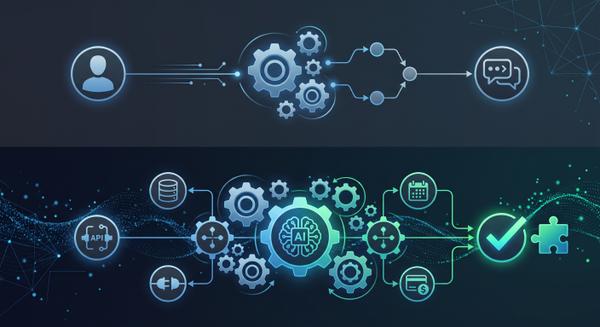
RAG architecture consists of two basic phases as its name suggests: Recall (Retrieval) and Production (Generation). When the user asks a question to the system, the model stops the process instead of responding directly. The recall module running with search engine logic makes the most matching documents from the external database with the user’s question. Then, these up-to-date documents are combined with the original question of the user (promptromaation) are presented to the large language model. Language model produces a streamlined, natural and resource specific response to the end user by reading this new and accurate context.

Kullanıcı sorgusunun arama motorlarından geçişini ve üretim motoruyla birleşmesini sembolize eden dijital bir süreç akış şeması tasarımı.

What is the Role of Vector Data Bases in RAG Process?

RAG architecture is a vector database. The PDF reports of companies cannot quickly search by a language model in the standard form of customer calls or internal correspondence. These texts are converted to thousands of numeric arrays ( vectors) with a transaction called "Pinkdding". The vector databases such as Pinecone, Milvus or Weaviate store these numerical sequences. When the user asks a question, the question is instantly translated into the vector and the nearest meaningful data on the database is paired in a short time from seconds and returned to the system.

Why is RAG in Large Language Models?

No company who wants to integrate artificial intelligence at corporate level can not afford the speech of the model through assumptions. RAG architecture eliminates the cost of continuous retraining. Instead of spending millions of dollars of calculation power to teach a financial table or an up-to-date model model, the corresponding document is simply added to the vector database. In addition, RAG maximizes the system’s auditability by adding reference to “I received this information from the 4th page of the X document”.

Kapalı bir kara kutunun yanına eklenmiş şeffaf veri akışını temsil eden ve kurumsal hataları düzelten parlak algoritmik yapılar.

Agentic RAG: Where is the Future of Artificial Intelligence?

Traditional RAG Just like a static library that finds and brings documents to the asked question. But the new generation "Home RAG architectures convert model into a decision-making. If the system does not find enough information in the first search, it can create self-new sub queries, search on the Internet or trigger a different API to verify the data. It turns into an autonomous agent that does not only read the artificial intelligence, build and research strategy, changes work flows of information density industries.

What does the community think?

In the developer ecosystem, RAG has two main current views on the future. The majority argue that RAG will always stay a industry standard with the advantage of cost and accuracy, despite the expansion of the context window. Another cut is the new generation models with huge context windows like 2 million tokens (for example, Gemini 1.5 Pro) predicts that the entire database may reduce the need for complex vector database infrastructures in the future as it can read at once.

Kendi kendine kararlar alabilen, çoklu görevleri yürüten otonom yapay zeka ajanlarını simgeleyen dinamik ve hareketli bir ağ yapısı.

Frequently Asked Questions

What is the difference between RAG and Fine-Tuning (Thread Setting)?

Fine-tuning retrains the inner weights to permanently change the behavior or language structure of the model; RAG does not change the model, offers an instant memory (link). To add current information, RAG is used fine-tuning to adapt the model’s speech style into the industry.

Is it expensive to build RAG architecture?

The language model is much more cost-effective when compared to train from scratch or continuous fine-tuning. Vector databases and recalls (retrieval) operations can be carried out efficiently even with quite cheap hardware.

Does RAG system completely reset hallucinations?

It reduces significantly if it is completely reset. The model can sometimes misinterpret the data from the outside or run the context but because it works based on the source, the detection of the error is much easier and correctable.

Large language models (LLM) Although they have a tremendous language ability, they don’t freeze and remain in the history of education data licensing, and they can produce false information that is confident about what they know. It is the architectural RAG that has become the industry standard today to solve this problem called Halusination and talk about artificial intelligence with current, verified company data. What is Retrieval-Augmented Generation (RAG) exactly? RAG is a framework that allows an artificial intelligence model to apply to a trusted database of information from the outside before responding. Traditional language models only respond to closed information they learn in the educational phase and hide in weight. RAG architecture opens this closed system to the outside world; gives the model the ability to test a nevi "open book". Thus, the problem of data deficiency or update on the basis of the question caused by artificial intelligence is solved by feeding dynamic data from the model. The Importance of RAG Architecture: 2020 What Does NeurIPS Article Show Us? This concept sat in the center of the technology world with a breakthrough article published by Patrick Lewis and the team in Meta AI in 2020. "Retrieval-Augmented Generation for Knowledge-Intensive NLP Tasks" NeurIPS 2020 article proved that language models can give much more successful results by pulling out information from a Wikipedia database out without having to memorize everything. This article was the first concrete indicator that models can capture state-of-the-art success without removing the number of parameters into trilyons. How Does A RAG System Work Step By Step? RAG architecture consists of two basic phases as its name suggests: Recall (Retrieval) and Production (Generation). When the user asks a question to the system, the model stops the process instead of responding directly. The recall module running with search engine logic makes the most matching documents from the external database with the user’s question. Then, these up-to-date documents are combined with the original question of the user (promptromaation) are presented to the large language model. Language model produces a streamlined, natural and resource specific response to the end user by reading this new and accurate context. What is the Role of Vector Data Bases in RAG Process? RAG architecture is a vector database. The PDF reports of companies cannot quickly search by a language model in the standard form of customer calls or internal correspondence. These texts are converted to thousands of numeric arrays ( vectors) with a transaction called "Pinkdding". The vector databases such as Pinecone, Milvus or Weaviate store these numerical sequences. When the user asks a question, the question is instantly translated into the vector and the nearest meaningful data on the database is paired in a short time from seconds and returned to the system. Why is RAG in Large Language Models? No company who wants to integrate artificial intelligence at corporate level can not afford the speech of the model through assumptions. RAG architecture eliminates the cost of continuous retraining. Instead of spending millions of dollars of calculation power to teach a financial table or an up-to-date model model, the corresponding document is simply added to the vector database. In addition, RAG maximizes the system’s auditability by adding reference to “I received this information from the 4th page of the X document”. Agentic RAG: Where is the Future of Artificial Intelligence? Traditional RAG Just like a static library that finds and brings documents to the asked question. But the new generation " Home RAG architectures convert model into a decision-making. If the system does not find enough information in the first search, it can create self-new sub queries, search on the Internet or trigger a different API to verify the data. It turns into an autonomous agent that does not only read the artificial intelligence, build and research strategy, changes work flows of information density industries. What does the community think? In the developer ecosystem, RAG has two main current views on the future. The majority argue that RAG will always stay a industry standard with the advantage of cost and accuracy, despite the expansion of the context window. Another cut is the new generation models with huge context windows like 2 million tokens (for example, Gemini 1.5 Pro) predicts that the entire database may reduce the need for complex vector database infrastructures in the future as it can read at once. Frequently Asked Questions What is the difference between RAG and Fine-Tuning (Thread Setting)? Fine-tuning retrains the inner weights to permanently change the behavior or language structure of the model; RAG does not change the model, offers an instant memory (link). To add current information, RAG is used fine-tuning to adapt the model’s speech style into the industry. Is it expe

Etiketler:RAGLLMHalüsinasyon
Özkan Günalp
Özkan GünalpWriter
@ozkngunalp

Comments (0)

Log in to comment.

Log in
No comments yet. Be the first to comment!