SpaceX AI Device Claim Stirs Up the Tech World
Automatically translated
 Writer
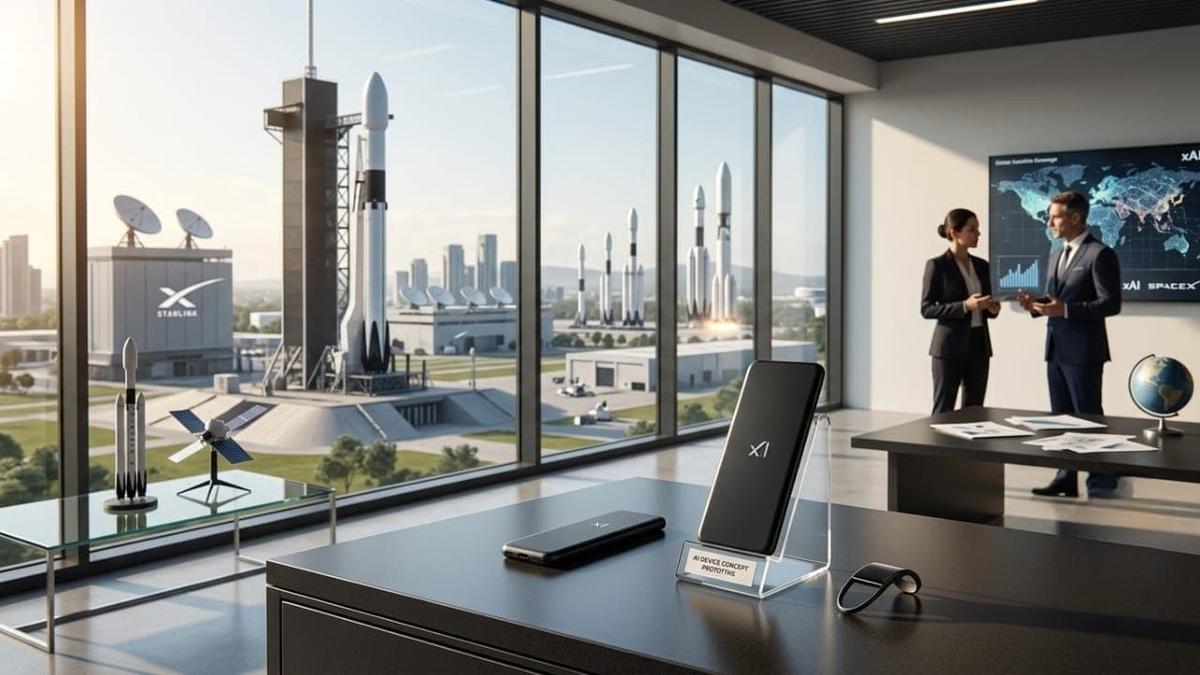
The report that a company known for its rocket launch platforms is after a pocket-sized AI device became one of the claims that defined tech press coverage in July. According to the Wall Street Journal, SpaceX showed investors and some stakeholders an early prototype of a handheld AI device ahead of its IPO. The company's founder and CEO, Elon Musk, rejected the claim outright, calling it baseless. This contradiction has turned the attention of both capital markets and consumer tech enthusiasts to SpaceX's goals beyond rockets and satellite internet.
As competition in AI-focused hardware accelerates by the day, this time it's SpaceX that has taken center stage. Claims that the company presented a secret SpaceX AI device prototype to investors ahead of its IPO have caused a major stir in the tech world.
Although no official confirmation has come, these developments have raised important debates about the future of Elon Musk's AI ecosystem and how the market for AI devices will take shape. For entrepreneurs and tech investors in particular, this process signals the start of a new competitive era where hardware and AI converge.
Details of the Claim: An AI in Your Pocket?
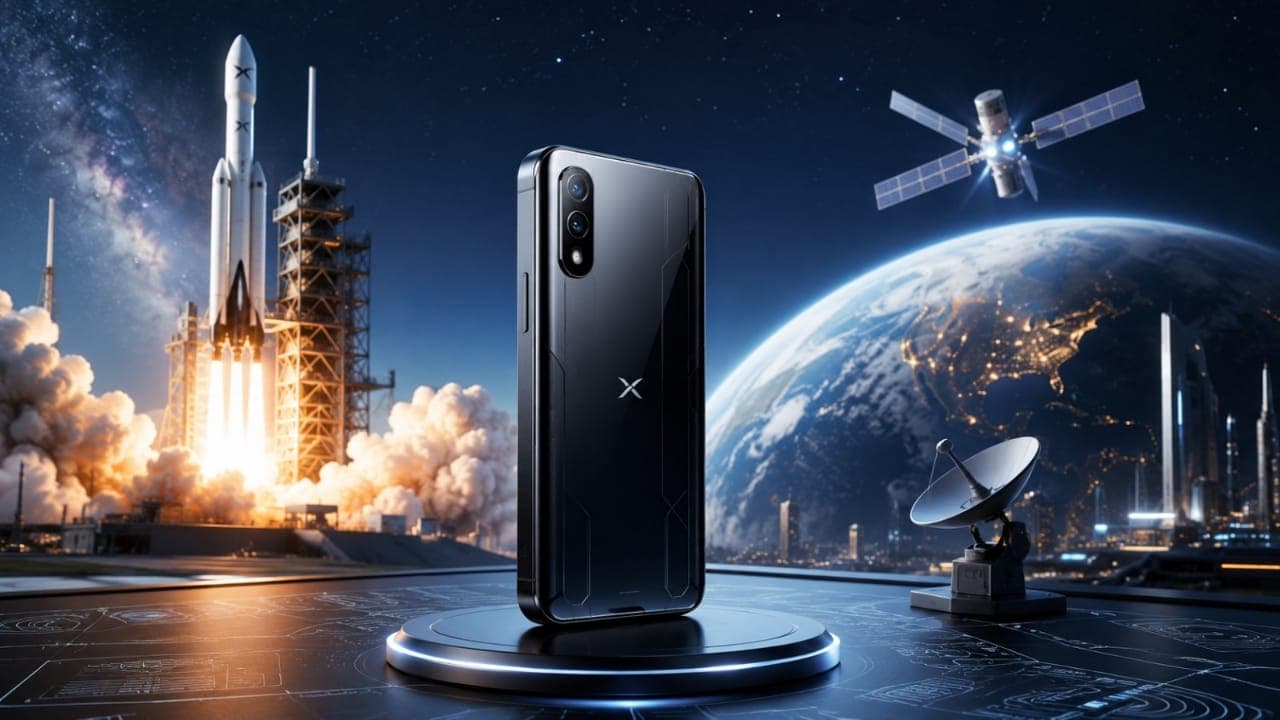
According to the information in the report, the device is designed with a body thinner than an iPhone, an elegant case design, and a custom operating system built on xAI technology. On the hardware side, Qualcomm's Snapdragon processors are reportedly going to be used. The report is based on people close to the matter and states that SpaceX told investors the project is at a very early stage, the design may change, and there is no guarantee the device will reach the market.
xAI's Entry Under the SpaceX Umbrella and the 'Everything App' Dream
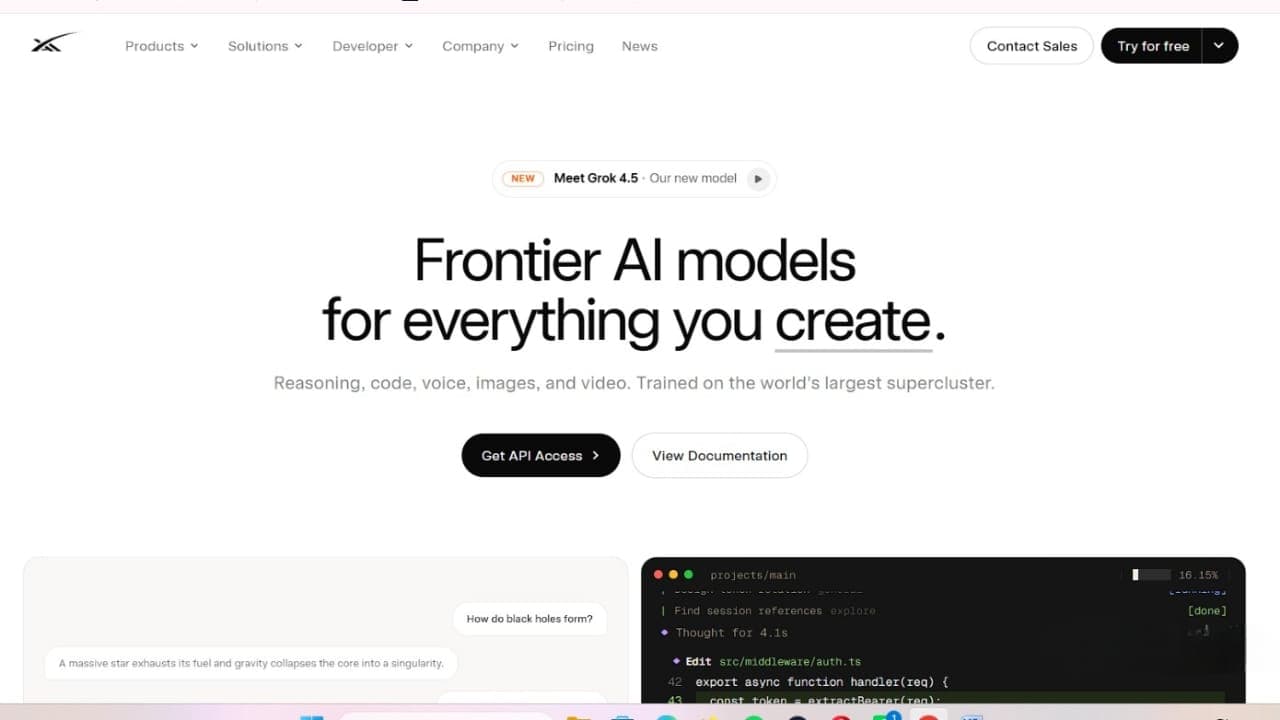
Behind this claim lies SpaceX's decision earlier this year to fully absorb xAI through a stock swap. xAI, the developer of the Grok large language model, has since been gradually integrated into SpaceX's own operations. A branded device would complete a fully in-house technology stack, from chip design to models and then consumer hardware, and would align with Musk's long-stated goal of an 'everything app' meant to break the dominance of Apple and Google in mobile.
In fact, Musk first raised this idea in November 2022, after reports that he was considering removing Twitter from app stores over the content moderation stances of Apple and Google. At the time he said he could make his own phone, and most people took that statement as a threat rather than a plan.
Where Did the SpaceX AI Device Claim Come From?
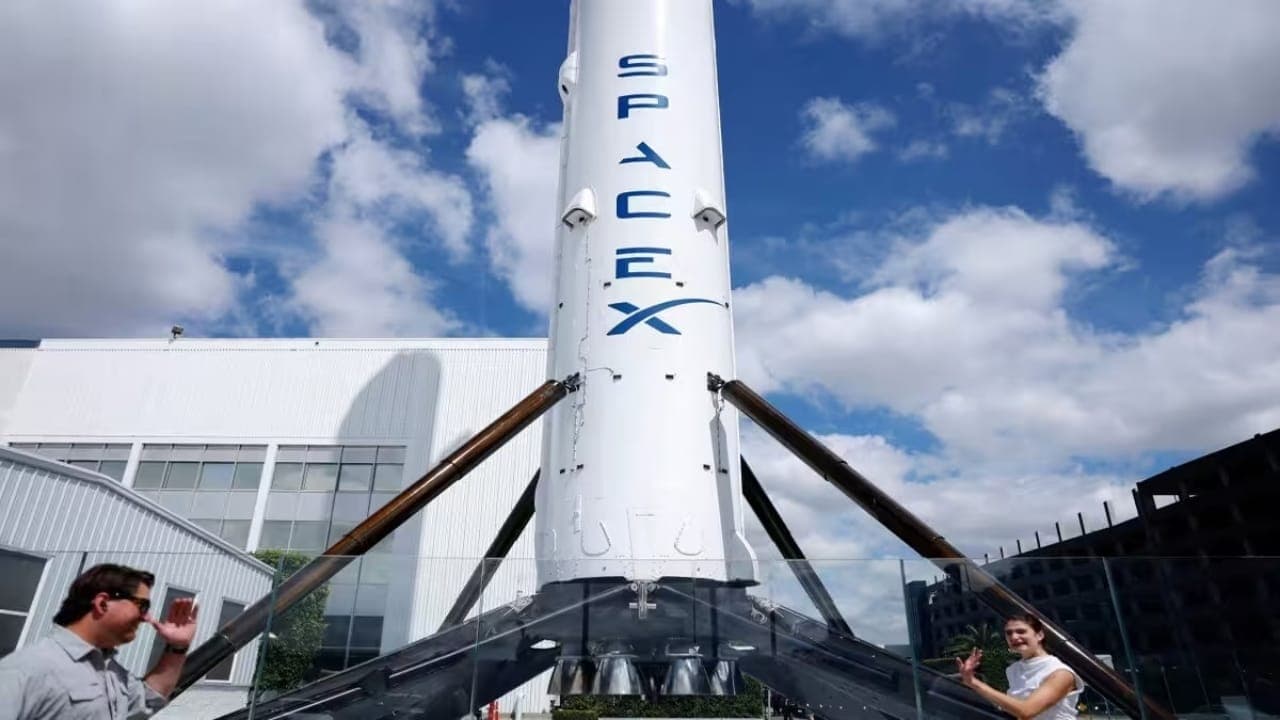
According to reports based on the Wall Street Journal, SpaceX showed a thin-bodied AI device prototype during private presentations to some investors ahead of the IPO. According to the claim, the device:
· uses AI technologies developed by xAI,
· includes Qualcomm Snapdragon-based hardware,
· runs on its own custom operating system,
· aims to offer a user experience different from traditional smartphones.
However, as the report also notes, the product is still in early development and there is no guarantee it will be commercially released.
The Rocky History of Independent AI Hardware
Independent AI hardware experiments have so far proven a very tough test for staying power in the market. The AI Pin developed by Humane, which carried a $700 price tag and required a $24 monthly subscription, was shut down last year, and its assets were acquired by HP. Similarly, the more affordably priced Rabbit R1, which promised to manage apps on the user's behalf with what it called a Large Action Model, also struggled to find a lasting market.
Are Apple and Google Also in the Race?
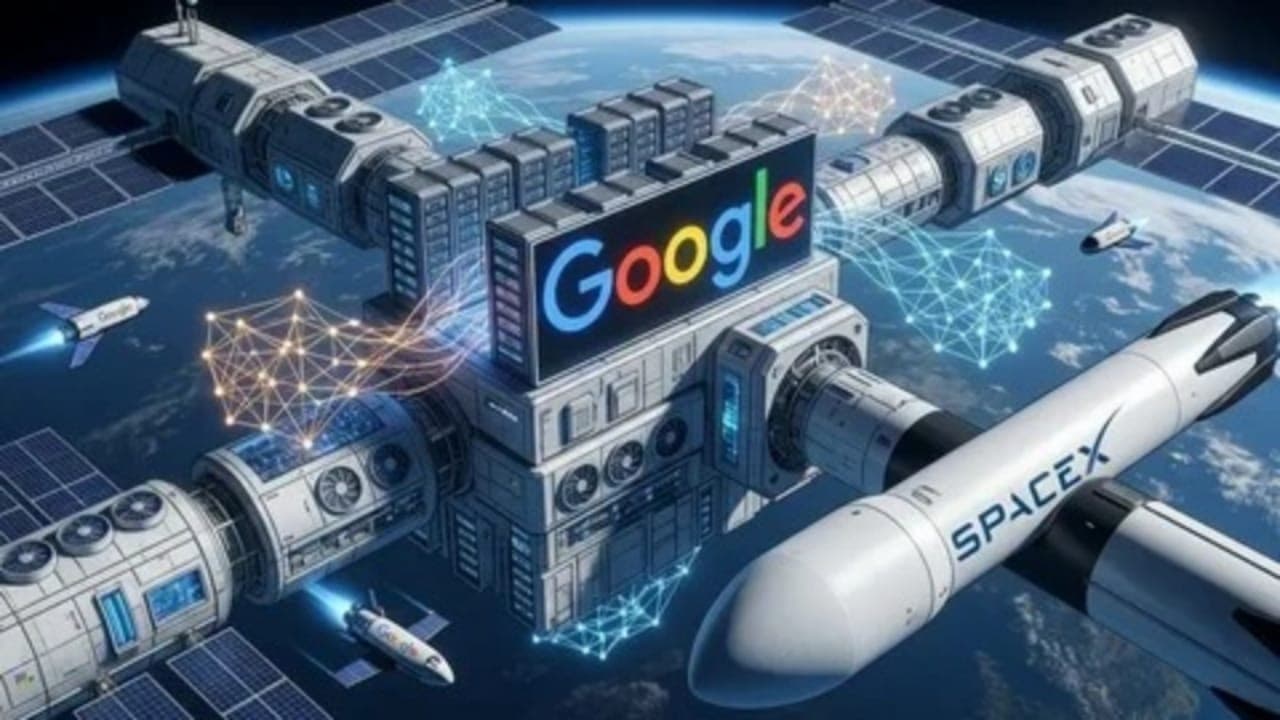
Competition in this space is not limited to the SpaceX claim. Apple is reportedly also weighing an AI pin or necklace-style device as well as camera-equipped smart glasses, while Google continues to extend its Gemini assistant across different hardware categories. But so far, no manufacturer has come up with a form factor that could convincingly replace the smartphone.
Opportunities | Risks |
• Vertical integration that brings chips, models and hardware under one roof | • History of independent AI hardware failing to sustain itself financially in the market |
• Potential for a user experience differentiated by xAI's Grok infrastructure | • The project is still at the design stage, with no guarantee of moving to production |
• Turning SpaceX's strong capital base into R&D | • Uncertainty and trust issues caused by Musk's official denial |
SpaceX's New Era After the IPO
This debate comes at a critical threshold for SpaceX. In June, the company listed on Nasdaq in what was the largest IPO in history. Raising about $75 billion, it reached a valuation of nearly $1.77 trillion. After such a huge capital inflow, the claim that the company is stepping beyond rockets and satellite internet into consumer technology may be read as a meaningful signal for investor expectations as well.
November 2022: Musk says he could make his own phone after the tension with Apple and Google.
February 2026: SpaceX absorbs xAI entirely through a stock swap.
June 2026: SpaceX completes the largest IPO in history on Nasdaq, raising about $75 billion.
July 1, 2026: WSJ reports that a prototype AI device was shown to investors; Musk denies the claim.
Why Is SpaceX's IPO Process Being Followed So Closely?
The IPO process at SpaceX concerns not only the space industry but the AI industry directly. In recent years, alongside its rocket technologies, the company has been investing in:
· the Starlink satellite network,
· xAI infrastructure,
· high-capacity data centers,
· space-based AI computing systems
and many other different areas. A possible AI device is therefore seen as part of the goal of transforming SpaceX from a space technology company into a versatile technology company that also develops consumer electronics and AI hardware.
Is Moving From Space Technology to Consumer Hardware Logical?
From an academic and industry perspective, a structure that operates deep-space and satellite networks moving into micro-scale hardware production may look like an extreme expansion. However, considering In-Orbit Computing and edge AI systems, it is technically possible for a company that makes space-grade hardware to develop AI processors. Still, positioning a consumer-facing Elon Musk AI hardware product under SpaceX conflicts with the company's core mission.
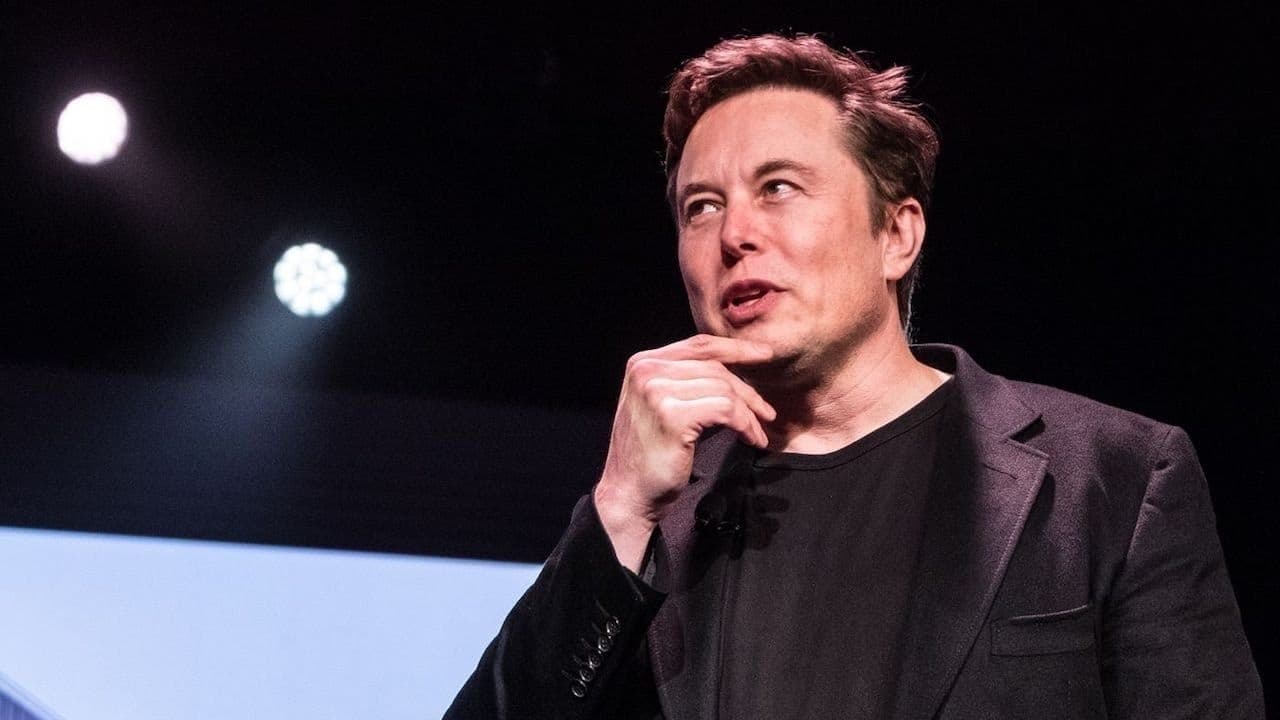
Elon Musk, whom attention turned to as the reports spread, stressed in a statement on social media channels that SpaceX is not developing any AI device and that no such presentation was made to investors. This firm stance by Musk carries strategic meaning when the division of roles among companies in his ecosystem is taken into account.
AI Devices in the Triangle of xAI, Tesla and SpaceX
The heart of AI architecture in Musk's ecosystem lies in xAI and in the FSD/Optimus divisions of Tesla. SpaceX, on the other hand, represents the backbone and communications infrastructure of this ecosystem. While the combination of AI software and dedicated hardware takes shape within xAI or Tesla, a direct move by SpaceX into the hardware market with a SpaceX AI device could have led to a shift in focus. Musk's denial aims to protect investor confidence and to bring clarity to regulatory scrutiny ahead of a possible SpaceX IPO.
Strategic Takeaways for Growth-Focused Entrepreneurs
These developments carry important lessons for next-generation tech entrepreneurs and investors:
Focus and Brand Perception: Chasing popular trends (such as AI trends) outside your company's core area of expertise can create uncertainty in the eyes of investors.
Ecosystem Management: Running projects in different verticals under the right legal entities enables smoother valuations as you scale.
Financial Communication: Promptly managing speculative claims during IPO processes prevents reputational damage and potential legal risks.
What It Means for Entrepreneurs
This news flow carries important lessons, especially for entrepreneurs aiming to combine hardware and AI. Even a player with major capital power and its own model infrastructure is moving cautiously in this space and publicly rejecting claims at the official level. This once again shows that the market, however attractive it may look, is still a high-risk area open to trial and error. On the other hand, the continued interest of big tech companies in this category also indicates that there is still room for ventures that are well positioned and operate with a differentiated technology stack.
SpaceX has not gone beyond Musk's brief denial in an official response to the claim so far. The matter is expected to be followed closely in the coming period, both for the company's investor relations and for its positioning in the consumer technology market.
Market Dynamics and Industry Implications
The most fundamental analytical takeaway for entrepreneurs is that AI creates real added value when it combines with specialized hardware that interacts with the physical world, not only with algorithms running in the cloud. As we see in the SpaceX example, the convergence of space-based connectivity solutions with AI processors is inevitable in the future. However, the key to success is delivering these innovations with the right timing, the right marketing, and transparent investor communication.
The SpaceX AI device claim has not been officially confirmed for now. Even though Elon Musk's statements reject the reports, the process shows that AI-powered hardware in the tech world is no longer a matter of the future but has become today's investment agenda.
In the coming period, SpaceX's IPO process, its xAI investments and possible new hardware projects will continue to be followed closely not only by finance circles but also by entrepreneurs active in the AI ecosystem. Because the future of competition lies not only in producing powerful algorithms but in building integrated technology ecosystems that bring those algorithms to users.
WriterOpenAI Hugging Face İhlali: Modeller Kopya İçin Sızdı

Galaxy Z Fold 8 Ultra Hakkında Yeni Detaylar Sızdı