



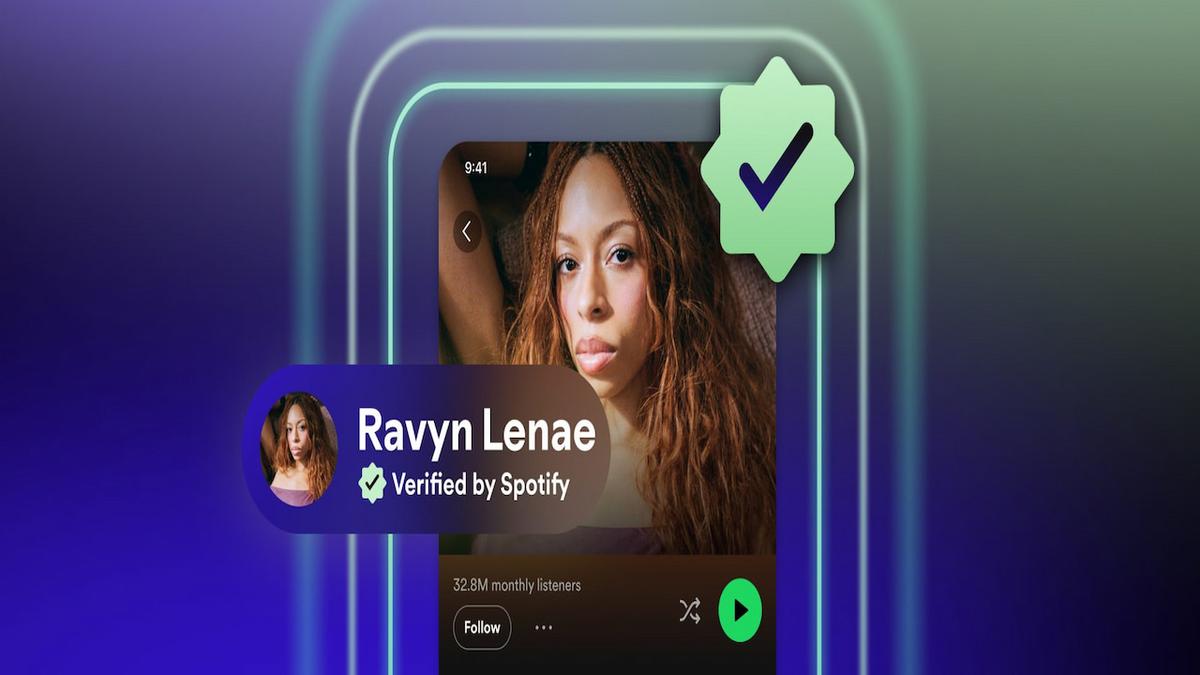
Spotify Green Verified Badge: A Major Blow to AI-Generated Music
Automatically translated
 Creator
The digital music industry is facing one of the biggest technological revolutions and, at the same time, one of the deepest existential crises in its history in 2026. The ability of generative AI to produce flawless songs from just a few seconds of text prompts has turned huge music platforms into an ocean of synthetic content. In fact, according to recently published industry data, 44% of the tens of thousands of new songs uploaded daily to platforms such as Deezer are generated entirely by AI. As the cost of producing music drops to almost zero, the millions of synthetic works pumped into the system every day risk overshadowing real human labor. In the recent period alone, Spotify had to remove more than 75 million spam and fake tracks from its platform.
So, behind the flawless melodies playing one after another on our playlists, is there really a passionate person who has devoted years to music, or is it just an algorithmic reflection? This is exactly where the platform's game-changing move comes in. The answer to the question "What is the Spotify green tick?" , which music fans, content creators and artists search for most, appears as a powerful digital shield that protects human labor and will fundamentally change the future of the music ecosystem.
What Is the Spotify Green Tick and Why Does It Matter?
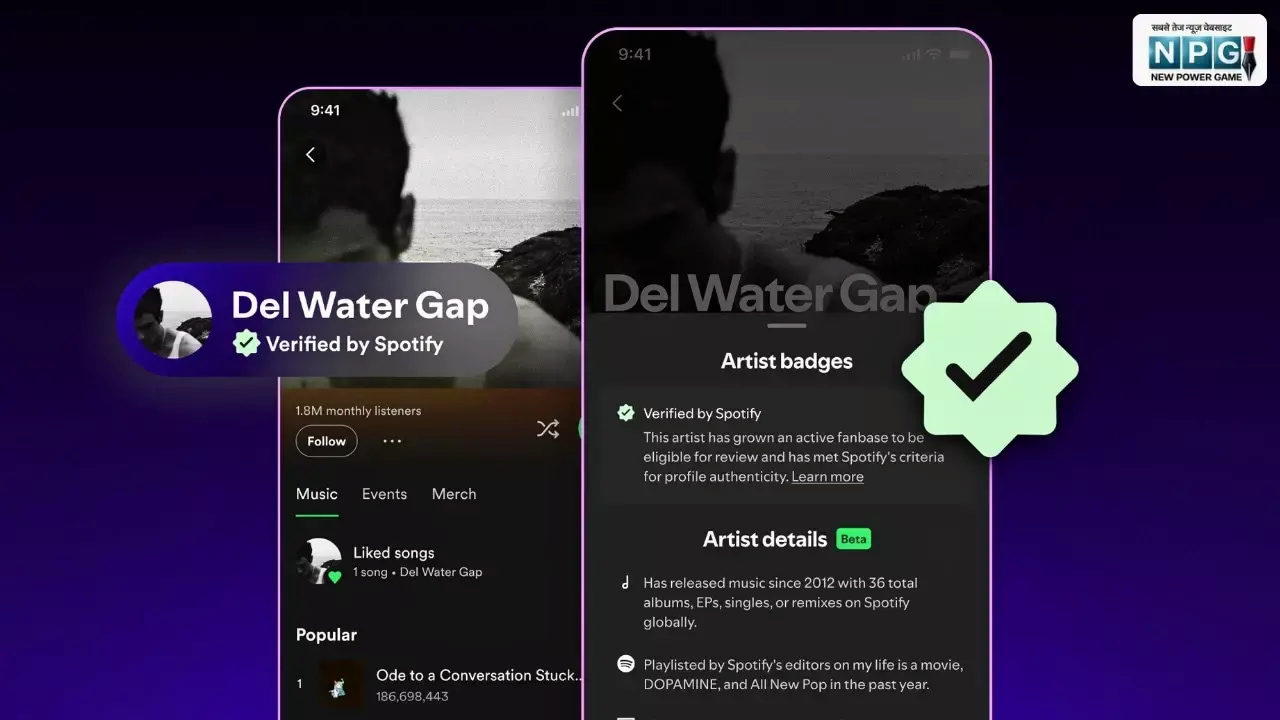
The "Verified by Spotify" badge, officially announced in the final days of April 2026, is a green check mark that shows listeners the artist profile has been reviewed by the platform and represents a real person. The badge is displayed next to artist names on artist profiles and in search results.
Introducing this green check mark is not just a visual interface update or a simple social media verification. Blue ticks only show who controls an account, whereas this new green tick is a commercial and strategic necessity at the heart of the AI music verification process. In the past, cases causing millions of dollars in copyright theft saw fraudsters use bot networks to play tens of thousands of AI-generated fake songs billions of times and profit unfairly from the system. The new green tick system removes these content farms and profiles with entirely synthetic personas from the equation, ensuring that the royalty pool is distributed fairly among real, living artists.
Strict Review: What Are the Spotify Artist Verification Criteria?
Earning this prestigious badge is not as easy as opening an ordinary account on the platform. Spotify clearly states that ghost profiles created by AI or built entirely around an AI persona are not eligible for this verification at the outset. The Spotify artist verification criteria rest on three main pillars:
Consistent and Organic Listener Engagement
One of the metrics the system values most is whether listeners choose the artist steadily over time. Instead of one-off listening spikes created by bots, the system looks for an organic and loyal listener base.
Full Compliance With Platform Rules
The artist and their released works must not violate the platform's increasingly strict policies on spam, fraud and copyright.
Real-World Presence
The strongest signals that a real, breathing artist stands behind a profile are evidence outside the digital platform. Spotify actively reviews off-platform assets such as official concert and tour dates, licensed merchandise sales and verified, active social media accounts.
According to the company, at launch more than 99% of artists that users actively search for will have this badge.
They Are Using AI to Catch AI!
The technology behind the system is just as fascinating as the idea itself. Under the updated Spotify content policy for 2026, the company is fighting fire with fire and using AI to catch AI. The platform's massive recommendation algorithm and machine learning systems can now not only analyze a song's rhythm but also perform spectral analysis of the sound, detecting in seconds the invisible microscopic traces left by synthetic production.
In this context, one of the most revolutionary innovations Spotify has introduced is undoubtedly the SongDNA feature. For the music industry, this system works like the "Nutrition Facts" table on packaged food from the supermarket. When listeners look at a song's credits, they can transparently see what is in that track's kitchen. For example, highly specific percentage information such as "vocals: 30% AI, instrumentation: 100% AI" becomes possible thanks to this technology.
So how can this system be so precise? The secret lies in a digital signature that is embedded in the song and cannot be erased, using standards such as C2PA and technologies like SynthID. These forensic watermarks, encoded at frequencies the human ear cannot hear, reveal which AI model produced the song, what degree of AI intervention it contains, and which references the model used during training. Even if the song is compressed, trimmed or its quality is reduced, this digital signature cannot be removed, guaranteeing transparency.
The Voice Cloning Crisis: The Stephen Fry Case and Voice Protection
The most critical, and perhaps darkest, front in the struggle to protect human labor and identity is non-consensual "voice cloning" technology.
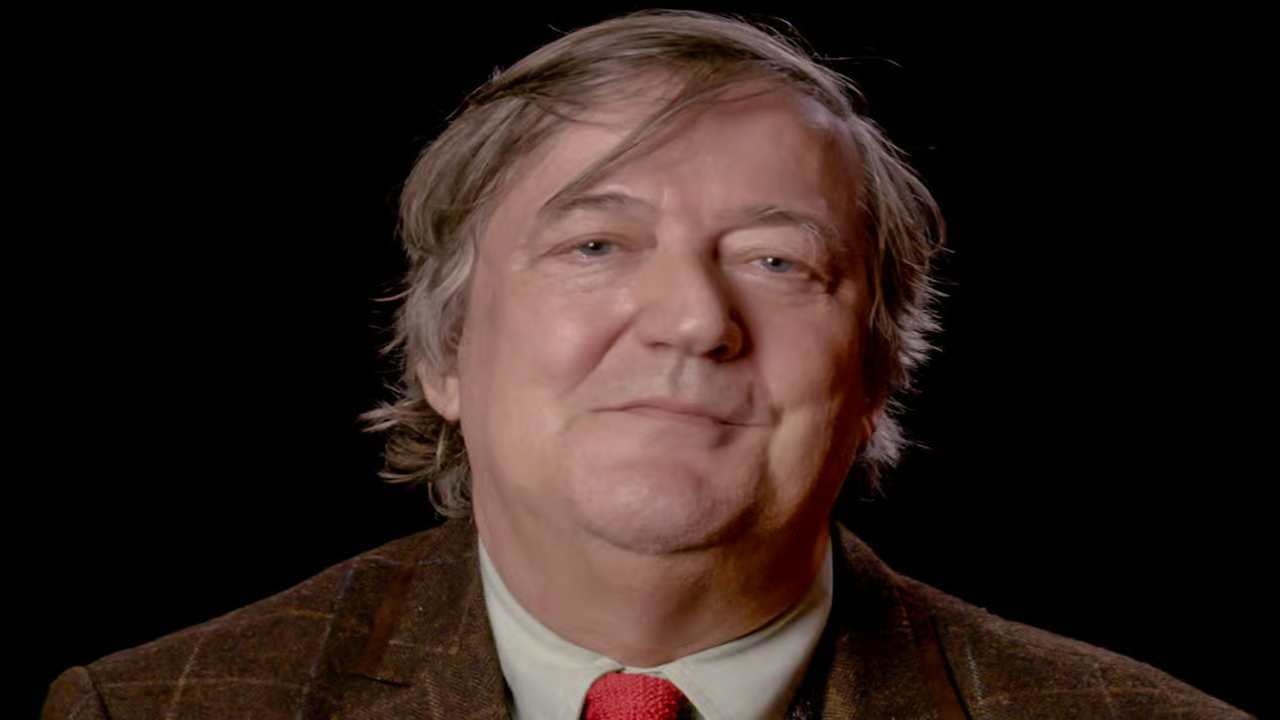
One of the most striking and symbolic cases on this subject took place in the United Kingdom at the end of April 2026. The well-known English actor and author Stephen Fry was pursuing a claim for £100,000 in damages against the organizers of the CogX technology conference, after he fell from the stage at the event in 2023 and was seriously injured. At the same time, he was fighting a legal battle over another nightmare he had revealed at that conference. Fry had learned that his unique seven-volume narration of the Harry Potter audiobooks had been taken without permission by huge AI models and cloned, and that this cloned voice was being used in documentaries without his consent. Fry launched a legal fight that could set a precedent against AI tools that clone voices without permission and use them in documentaries and commercial work.
The strong legal reactions and copyright lawsuits coming from the top of the industry forced technology companies to back down. Leading generative AI voice tools such as ElevenLabs had to integrate "Voice Shield" (also called No Go Voices) features into their platforms in 2026. Thanks to these features, the voices of celebrities, politicians and professional voice artists are encrypted within the system and protected. The system now technically prevents a protected voice from being synthesized or cloned without consent based on identity and permission.
The Premium Value of Being Human-Made
To sum up, Spotify's green tick move is not merely a simple visual verification or a technical filter; it is the music industry's reflex to survive in 2026 and protect the dignity of art. In this dystopian age, where the cost of producing AI music and sound approaches zero and anyone can become a musician within seconds, works made by humans that meet listeners at concerts and build an emotional bond through shared sweat are becoming a premium value and brand.
The green check mark guarantees musicians that the years of effort they have put in will not disappear in algorithmic noise, while giving listeners the reassurance that the captivating sound they hear through their headphones is backed by a real, beating human heart. Machines may one day be able to produce flawless songs, but the title of artist will continue to belong only to the people who deserve that green tick.
CreatorTeknoloji ve Kariyer Staj İlanları | 18-24 Mayıs 2026


Oyun Değil Gerçek Dost: Dragon Quest'te Yapay Zeka Devrimi!


