Tesla Full Autonomous AI Driving Software: Control in Artificial Intelligence
Automatically translated
 Writer
Automotive technology has been adopted as a growing discipline within the limits of mechanical engineering for many years. However, in recent years, cars began to turn into digital systems that produce, learn and decide only from being moving machines. The Tesla Full Otonom AI Driving Software is located in the center of this conversion.
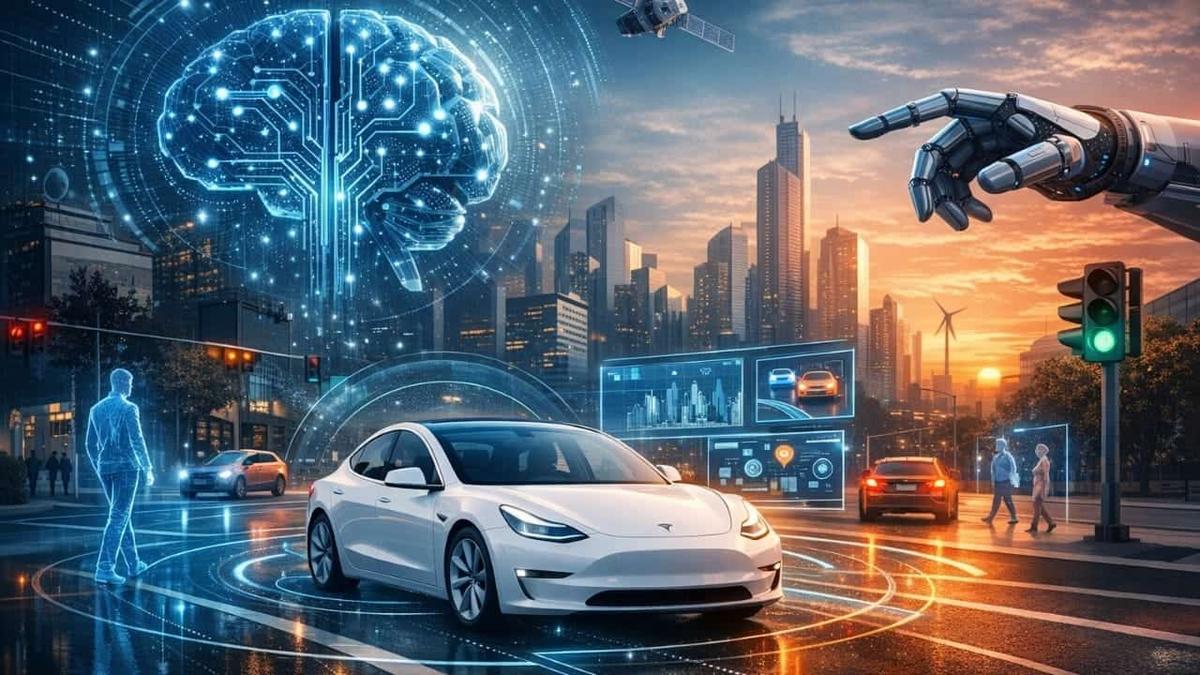
HomeThe autonom driving technology developed by does not only offer a structure that supports the drive unlike classical driving support systems; unlike a significant part of driving control to artificial intelligence, it creates a decision mechanism. Thanks to camera-based detection systems, deep learning algorithms and constantly updated data pools, Tesla tools can recognize objects in traffic, analyze driving behaviors and create the safest movement plan in seconds.
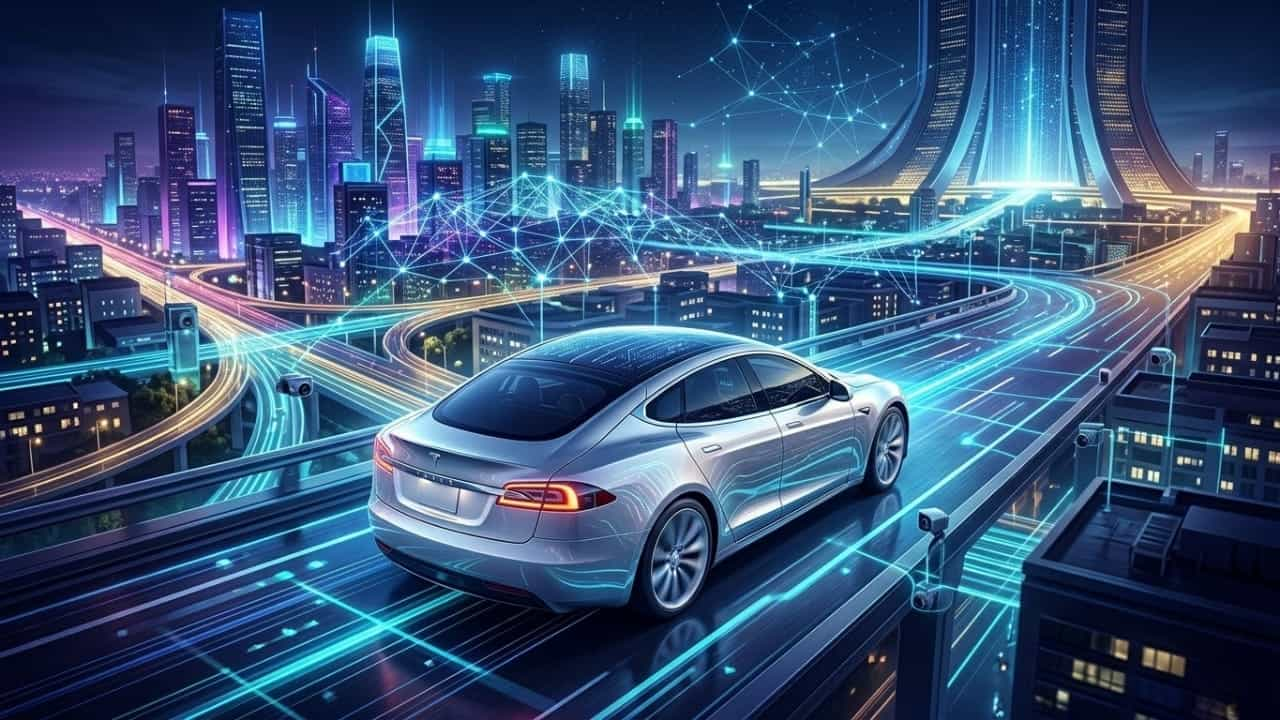
Tesla Level 5 autonom Tags The goal is not only an automobile technology; but also as a transformation to reshape transportation culture, traffic safety and city planning. As autonomous vehicles are widespread, driving experience will enter control of very algorithmic decision systems from human reflexes.
What are the Technical Architecture and Decision Mechanisms of the Tesla New Driving Software?
Tesla’s autonom driving technology is a rather complex but modular software architecture has. This system is based on a multi-layer structure that allows vehicle to detect, analyze and produce appropriate driving decisions.
Camera and Visual Detection Infrastructure
A large number of cameras located in Tesla vehicles create a view area covering the environment of the vehicle 360 degrees. These cameras constantly analyze vehicles, pedestrians, traffic lights, road lines and environmental obstacles in traffic.
Collected image data is created by high-performance processors and a real-time environmental model. Thanks to this model, the tool can not only see the way in front, but also predict the movement aspects of objects in the environment and possible behaviors.
Deep Learning-Based Decision Algorithms
Tesla artificial intelligence architecture is installed on a large-scale learning system based on deep nerve networks. The driving data obtained from millions of Tesla vehicles used across the world provides continuous development of artificial intelligence by analyzing the central data systems.
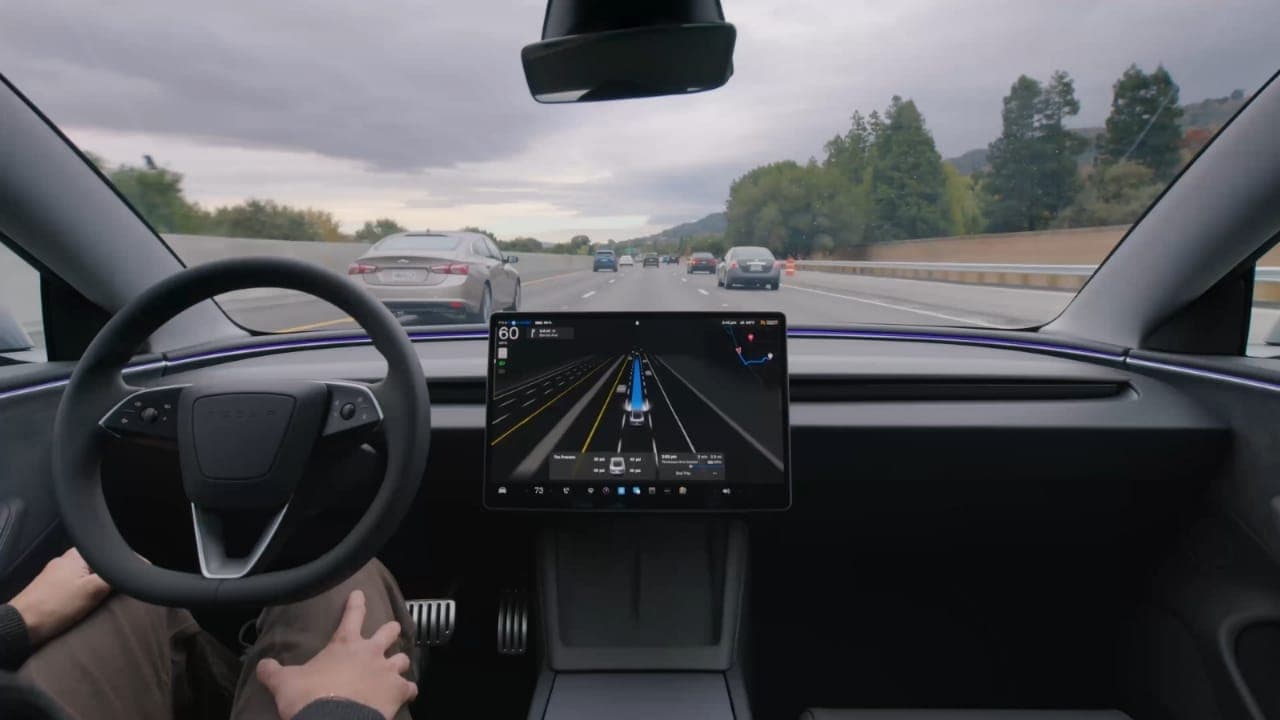
This architecture works at three basic stages:
Detection (Perception)
By analyzing sensor and camera data, objects in the environment are defined.Decision Making (Decision Layer)
Traffic rules, environmental analysis and risk assessment are determined by the safest driving strategy.Motion Planning (Motion Planning)
Plans physical movements such as vehicle, acceleration, braking and direction changing in accordance with this decision.
Thanks to this system, the tool does not only evaluate the current situation, but also can develop proactive driving strategies by predicting a few seconds later.
Security Protocols and Backup System Management in Artificial Intelligence Control
In autonomous vehicle technologies, security is one of the most critical engineering areas. Therefore, Tesla’s autonomous driving system is designed with multi-layer security mechanisms.
AI Driving Control Security Protocols Home
The AI driving control security protocols contains algorithmic protection mechanisms that ensure that vehicle systems continue to work safely in any fault.
Among these protocols:
Real-time system control Home
Sensor data verification algorithms
Emergency braking systems Home
Traffic risk analyses Home
Automatic safe stop procedures Home
.
Artificial intelligence system tries to predict accidents in advance by analyzing traffic density, speed changes and potential dangers in the environment.
Spare Hardware and Software Systems
The processors that give critical driving decisions on Tesla vehicles work in parallel. One of these systems automatically activates the other when they error.
This architecture offers a similar approach to the principle of spare system management used in the aerospace industry. Thus, a single system error during autonomous driving does not cause the vehicle to lose control.
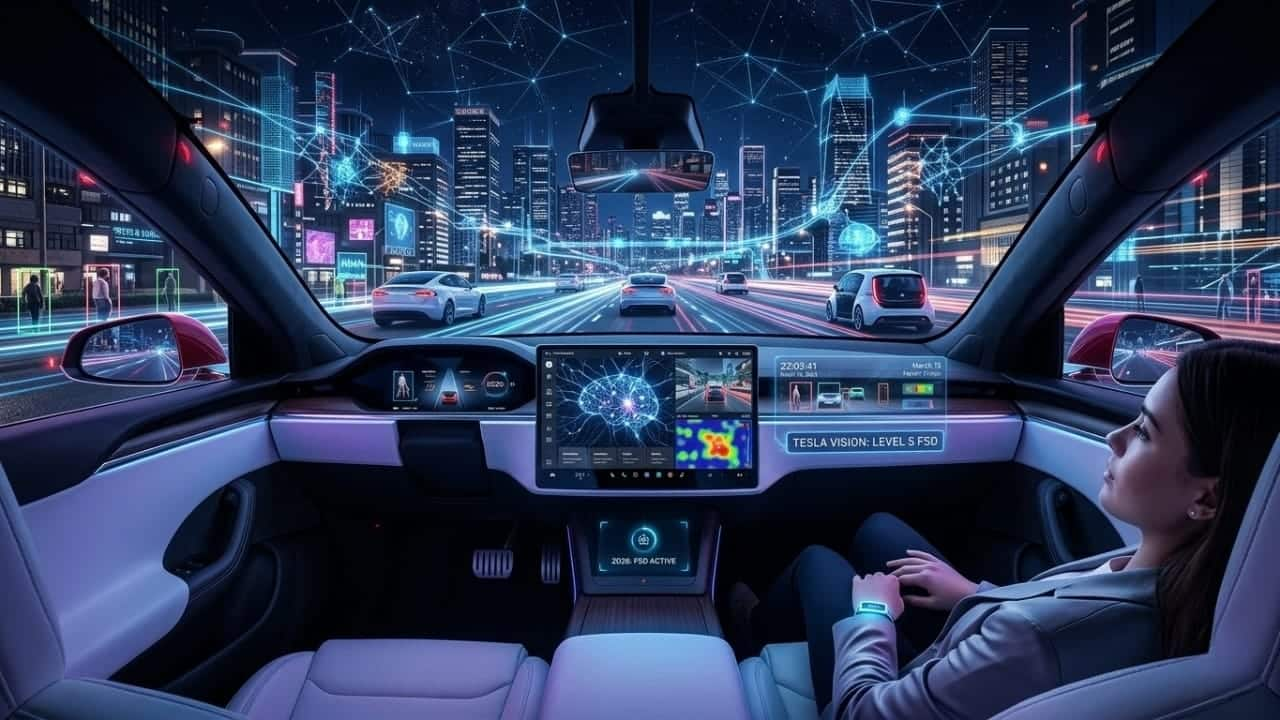
Level 5 Regulations and Ethics Responsibility Standards on Autonomous Driving
Technological developments enable autonomous vehicles to be rapidly expanding, while legal regulations can not adapt to this development at the same speed.
Otonom Vehicle Legislation Turkey
Otonom vehicle legislation is in the development phase of Turkey. The current traffic laws identify the driver as the controller of the vehicle. However, Tesla Level 5 is underestimated because the vehicle is completely managed by artificial intelligence in autonomous driving systems.
Therefore, new regulations are expected to be made in the following areas in the future:
Legal responsibility of AI-based traffic accidents
Insurance systems of autonomous vehicles Home
Use of data security and driving data
In-house traffic integration of autonomous vehicles u
Ethics Decision Mechanisms
Autonomous vehicles require not only technical, but also ethical decision systems. The question, for example, in case of an inevitably accident, is one of the most controversial issues of technology.
For this reason, researchers work on developing ethical decision models in autonomous driving algorithms.
Effects of Tesla AI Software on 2026 Automotive Sector and City Planning
The development of autonomous driving technologies can change not only the automotive sector, but also the structure and transportation systems of cities.
Tesla Software Update 2026
New generation Tesla software update 2026 is an expected update that contains advanced AI algorithms that enable vehicles to analyze more complex traffic scenarios.
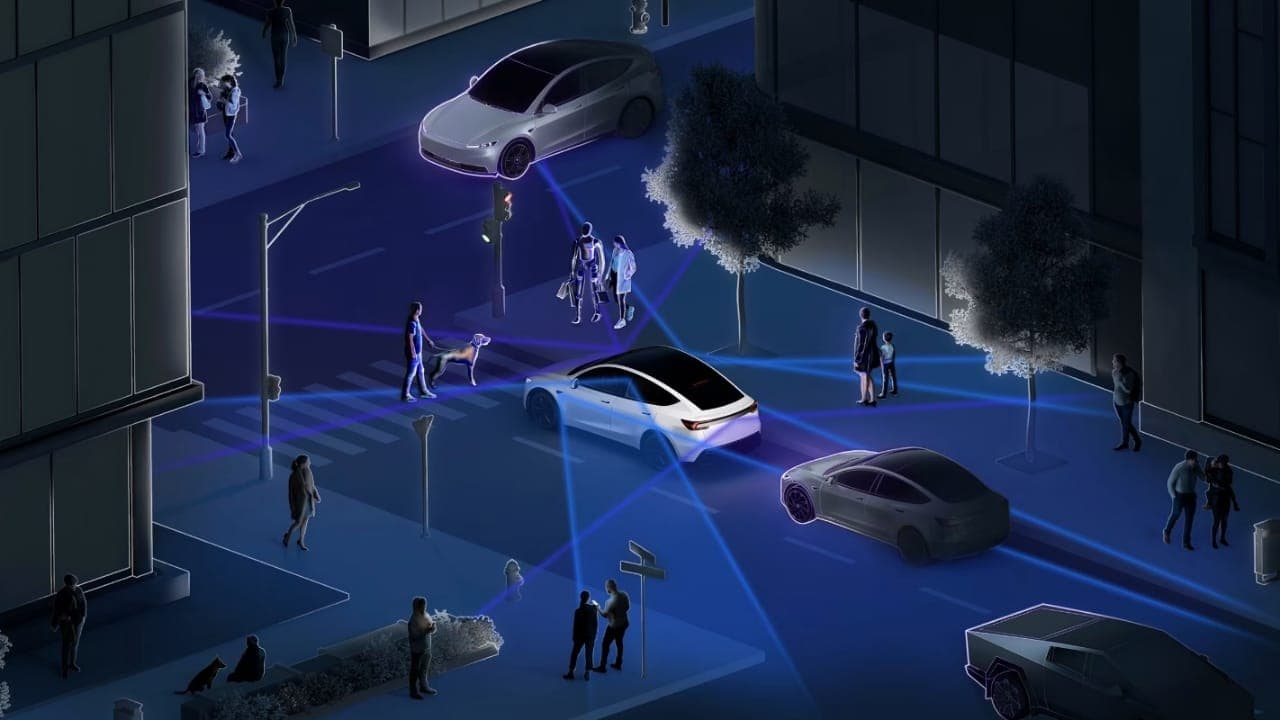
With this update:
Traffic density can be analyzed more accurately
Autonomous parking systems will develop
Vehicles to be communicated
Energy consumption to be optimized
Role of Autonomous Vehicles in Urban Planning
The prevalence of autonomous vehicles can also create rooted changes in city architecture.
Some of these changes are:
Less traffic accidents
More efficient traffic flow
Less parking space needs
Intelligent transportation systems Home
This conversion can convert cities into transportation ecosystems that manage human and artificial intelligence together.
User Experience in the Future of Driver: Is It Possible to Driving without Steering?
Autonomous vehicle technologies change not only the engineering field, but also the perception of transportation of people. Users are not required to be at the beginning of the steering. This situation can lead to a completely change of automobile interior design.
The tools of the future may have the following features:
Interiors that can turn into the working area
Advanced entertainment systems Home
Rest and social areas
Artificial intelligence-supported personal assistants
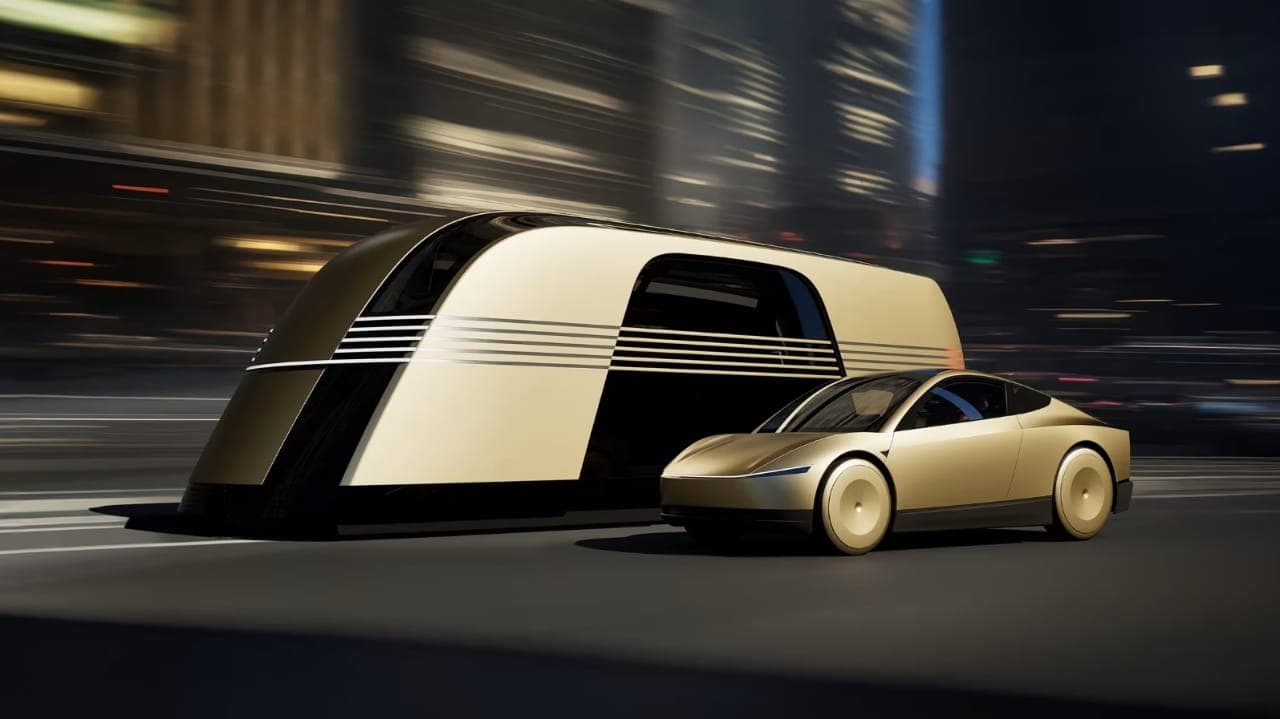
Psychology of the Future without Steering
The idea of a vehicle that does not have a steering wheel was to come out as a dream in science fiction works for many years. But autonomous driving technologies Home this dream is coming true.
In this new period, the car turns into an artificial intelligence platform that carries people by being a driven vehicle. The invisible driver that manages the traffic flow while leaving the control of the human steering head will now be algorithms.
Tesla Tam Otonom AI Driving Software calls the door of a technological era, where transportation culture, city planning and perception of human movement freedom rather than automotive technology.
WriterElektrikli Araçların Geleceği: 2026 Teknolojik Dönüşüm Rehberi

İletişim ve Teknoloji Staj İlanları | 6-12 Nisan