



Will the Turkic States Build a Joint AI Ecosystem?
Automatically translated
 Creator
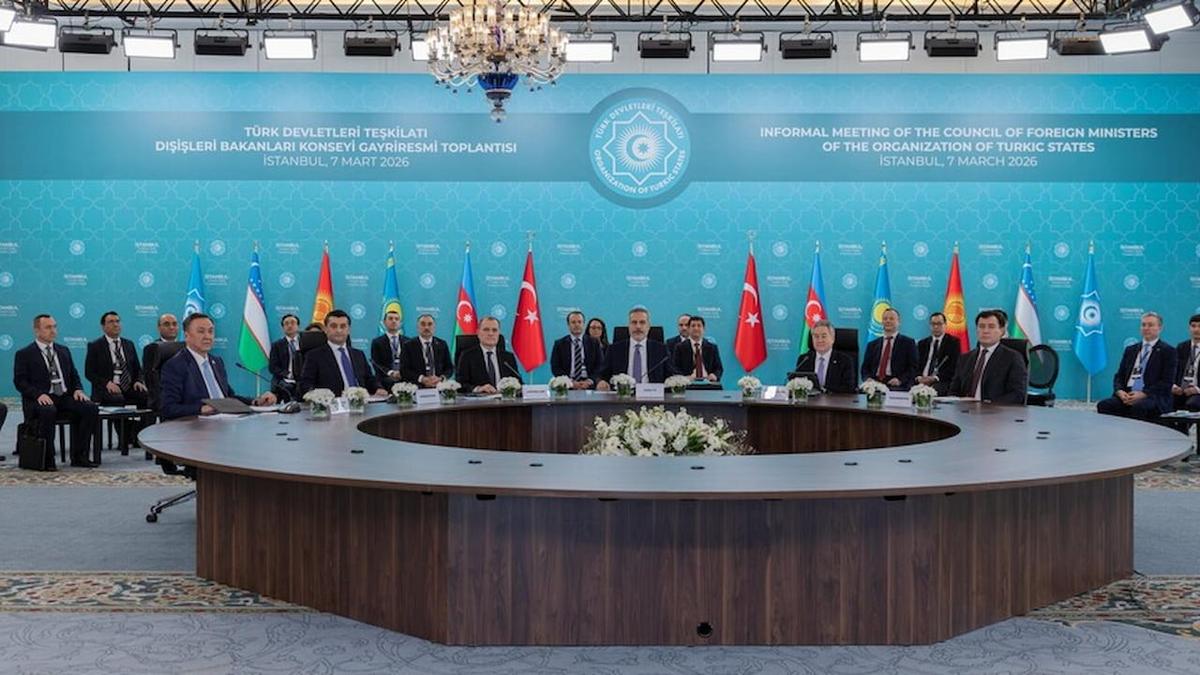
Organization of Turkic States’s summit on artificial intelligence and the digital economy, being prepared in Kazakhstan, has become one of the most important developments in regional technology policy recently. The summit is not only a diplomatic meeting; it carries signs of a new economic axis stretching from data infrastructure to AI investments, from digital trade to joint technology production. Given the technology investments accelerating over the past two years, particularly along the Türkiye, Azerbaijan, Kazakhstan and Uzbekistan line, the timing of the summit looks quite notable. Turkic states are now discussing joint action not only in energy, logistics or defense, but also in areas such as GPU infrastructure, data centers, large language models and digital public systems.
As US-China centered AI competition intensifies globally, regional blocs are accelerating efforts to build their own digital ecosystems. After the European Union’s AI Act approach, the billion-dollar data center investments of Gulf countries and India’s national AI infrastructure plans, it is no surprise that the Turkic world is also moving toward a similar strategic path. The real issue is not only producing technology. Data sovereignty, digital independence and creating a regional economic sphere of influence have now moved to the center of AI strategies.
What Does the Organization of Turkic States AI Summit Change?
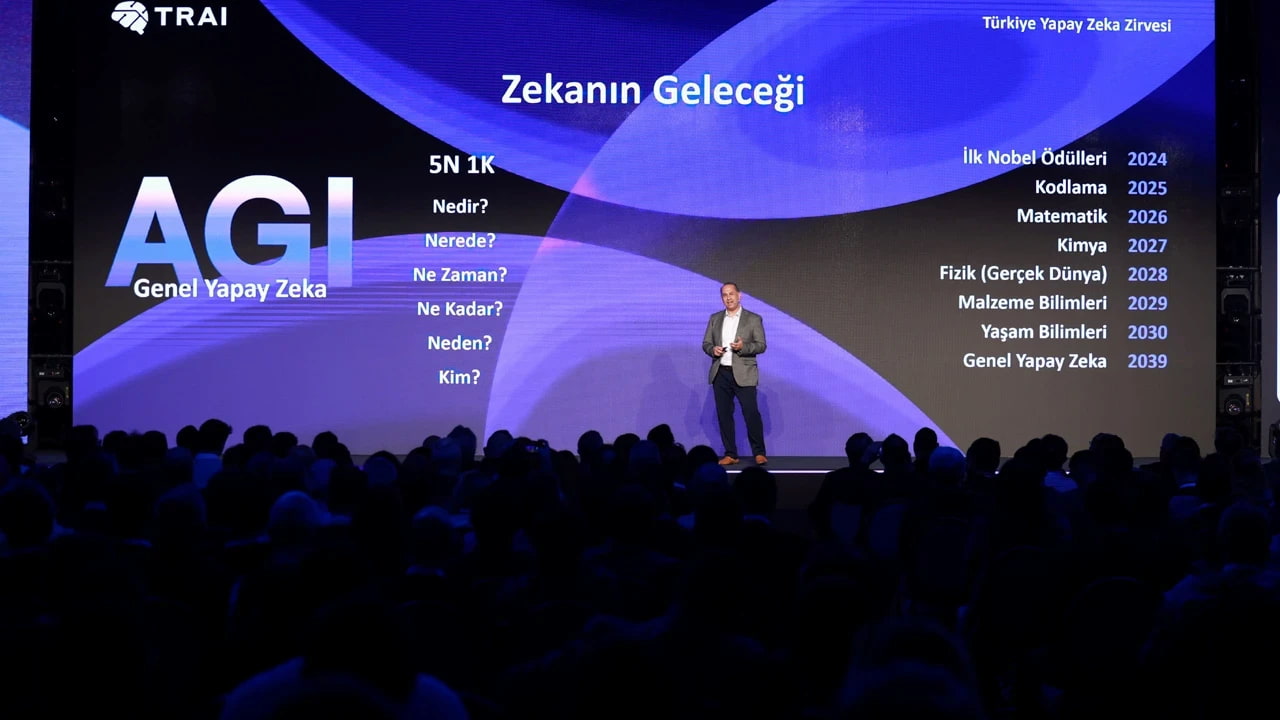
For many years, the Organization of Turkic States was viewed mainly through political cooperation, cultural integration and trade corridors. With the summit in Kazakhstan, however, AI and the digital economy are becoming direct main agenda items for the first time. This shift shows that the organization is entering a new period centered on technology. In particular, Central Asian countries have started setting aggressive digitalization targets in recent years. Kazakhstan’s fintech infrastructure, Uzbekistan’s IT park investments and Azerbaijan’s smart city projects have created serious technology competition in the region. Türkiye, meanwhile, is taking a more central position in this equation with its defense technologies, software exports and entrepreneurship ecosystem. The topics discussed at the summit are not expected to be limited to AI research alone. Joint data policies, digital trade networks, cross-border payment systems, cloud infrastructure and regional technology funds are also among the key items on the table. What stands out is that the Turkic world is seriously discussing, for the first time, the possibility of forming a bloc that not only consumes technology but also develops it.

What Digital Economy Plan Lies Behind the Summit in Kazakhstan?
Kazakhstan has recently been openly expanding its goal of becoming one of Central Asia’s digital hubs. Technology investments centered on Astana, fintech regulations and incentives offered to international technology companies are important parts of this strategy. Holding the summit in Kazakhstan is not merely symbolic. The country holds a critical logistics position in China-Europe data flows. At the same time, its relatively low energy costs make it an advantageous location for large data centers. In the age of AI, energy and data center capacity now directly means strategic power.
Discussing joint digital economy plans among Turkic states also brings the idea of a regional technology corridor back onto the agenda. The goal here is not only to develop software, but to create a new economic space that accelerates data flows, facilitates digital trade and establishes common technology standards. In particular, topics such as common API standards or regional digital identity systems in e-commerce, fintech and logistics are expected to receive more attention in the coming period.

Can the Turkic World Act Together in Artificial Intelligence?
The idea of a joint AI strategy sounds ambitious, but recent developments strengthen this possibility. Large language models and AI infrastructure have become a competitive arena not only for companies but also for countries. For Turkic states, one of the biggest advantages is language proximity and a shared cultural data pool. In particular, jointly processing Turkish, Azerbaijani, Kazakh, Kyrgyz and Uzbek datasets creates an important opportunity for regional language models.
Today, a large share of the major models on the market are trained mainly on English-language data. This leads to local data from the Turkic world being insufficiently represented. If joint regional models were developed, considerably stronger AI systems could emerge in many areas, from public services to educational technology. But the difficult part starts here. Differing data standards, lack of regulation and infrastructure costs are serious obstacles. In particular, access to GPUs and high processing capacity have become among the most critical issues in the global AI race.
Why Does Türkiye’s AI Strategy Stand Out Regionally?
Over the past few years, Türkiye has gained serious momentum in artificial intelligence not only on the academic side, but also in the defense industry, fintech, mobile technology and entrepreneurship. In particular, autonomous systems and image processing solutions in defense technologies have made Türkiye’s AI capacity visible at a regional scale. Alongside this, Türkiye’s startup ecosystem is also growing rapidly. The expansion of Istanbul-based startups into Gulf and Central Asian markets is increasing the regional influence of Turkish technology companies. This positions Türkiye as a natural technology hub within the Organization of Turkic States.
AI is no longer just a matter of software development. It has also become one of the important tools for trade, diplomacy, logistics and building international economic influence. Türkiye’s recent digital export performance is quite notable in this respect. In particular, fintech, the gaming sector, defense technologies and SaaS startups provide a strong foundation for new collaborations among Turkic states.

The Data Center and GPU Race Has Begun for the Turkic States
One of the most critical sides of the AI race is now building infrastructure capacity rather than developing models. Strong models require more than good engineers; they need large GPU clusters, data centers and high energy capacity. Because of the dominance US-based companies have gained in access to NVIDIA GPUs, many countries are accelerating their own infrastructure plans. The multi-billion-dollar data center investments of Gulf countries are happening precisely for this reason.
For the Turkic states, two different opportunities emerge here. The first is the energy advantage. Particularly in Kazakhstan and Azerbaijan, suitable energy capacity is available for large-scale data center investments. The second advantage is the growth of regional data flows. In the coming period, concepts such as shared cloud infrastructure or AI compute centers across the Turkic world are expected to be discussed more. Such investments will directly affect not only technology companies, but also universities and public institutions.
Which Sectors Are the Turkic States Focusing on in Digital Transformation?
Digital transformation strategies concern not only technology companies. Areas such as finance, logistics, education, public services and healthcare now sit directly at the center of AI transformation. In fintech especially, there is significant activity among the Turkic states. Digital payment systems, cross-border trade solutions and mobile banking infrastructures are spreading rapidly across the region. Türkiye’s experience in this field forms an important reference for other Turkic states.
On the educational technology side, the shared language advantage stands out. AI-powered education platforms, automatic translation systems and digital learning tools aimed at the Turkic world could create a larger market in the coming period. In logistics, digital infrastructure investments are directly linked to the Middle Corridor project. AI-supported customs systems, smart logistics networks and data-based trade management could accelerate regional trade.

Defense Technologies and AI Cooperation Could Open a New Era
Defense technologies have long been one of the important areas of cooperation among the Turkic states. With AI being more strongly integrated into this field, a new technology axis is taking shape. In particular, image processing, target analysis, autonomous systems and drone technologies have become core components of AI-supported defense systems. Türkiye’s production capacity in this area could accelerate regional collaborations.
This does not refer only to military systems. There is also a serious need in cybersecurity. As digital state infrastructures grow, data security and cyberattack risks also increase. For this reason, AI-based security solutions are becoming a strategic priority for the Turkic states. Over the next few years, new topics such as joint cybersecurity centers or AI-supported regional defense projects are expected to become more visible.
Are Joint LLMs and Turkish AI Models Possible in the Turkic World?
Today, models developed by companies such as OpenAI, Google and Anthropic dominate the global market. However, the question of local language models is becoming increasingly important. Language is not merely a technical matter; it is directly tied to cultural context, data quality and local usage habits. The shared language structure of the Turkic world creates a serious advantage here. Regional AI models could be developed especially for public services, education systems and media platforms.
However, developing a large language model cannot be solved simply by collecting data. It requires high processing power, strong research teams and sustainable funding. That is why regional collaborations become critical. The open-source model approach could be an important alternative here. In particular, universities, research centers and startups building shared data pools could significantly grow the AI capacity of the Turkic world.

How Is Türkiye’s Technology Export Affecting the Turkic Republics?
Türkiye’s technology exports have been growing visibly in recent years, not only in Europe and the Gulf region but also in Central Asia. In particular, fintech solutions, e-government software, security technologies and SaaS platforms are opening new areas for Turkish companies. One of the key reasons Turkish startups are growing faster in regional markets is cultural proximity and shared business habits. This speeds up the adaptation of technology products.
Türkiye-based solutions are expected to spread further, especially in AI-supported public technologies and digital commerce systems. This process is seen not only as an economic development but also as part of a strategy to build a digital sphere of influence. Because scale has become critical in the global technology race, regional collaborations now carry greater weight. The Organization of Turkic States’ AI summit is also viewed as one of the new stages of this transformation.
What Does This Mean for Startups and Developers in Türkiye?
The new technology axis forming in the Turkic world could create direct new opportunities for developers and startups in Türkiye. In particular, for companies developing AI-based SaaS products, the Central Asian market is becoming increasingly accessible. In addition, joint AI projects mean new collaborations for universities and research communities. Data sharing, joint research labs and regional hackathon organizations could become more visible in the coming period.
From the perspective of Türkiye’s AI community, this summit is not merely a diplomatic event. It is seen as one of the important signals that a regional AI ecosystem is beginning to take shape. In particular, a new technology space centered on the Turkic world is emerging for open-source communities, developer ecosystems and AI startups. How this space will take shape will become clear over the next few years through infrastructure investments and joint technology policies.
CreatorOpenAI Modeli 80 Yıllık Matematik Problemini Çözdü


AI ile Teyit Uzmanlara Güveni Zedeliyor mu?


