Turkey Announces Artificial Intelligence Initiative Risk Report
Automatically translated
Turkish Artificial Intelligence Initiative (TRAI) published “Yapay Intelligence Risk Report, focusing on ethical, security and audit sizes of artificial intelligence.
In August 2025, the report shared with the public is a comprehensive document that systematically examines the potential threats of artificial intelligence in Turkey.
What is Turkish Artificial Intelligence Initiative (TRAI)?
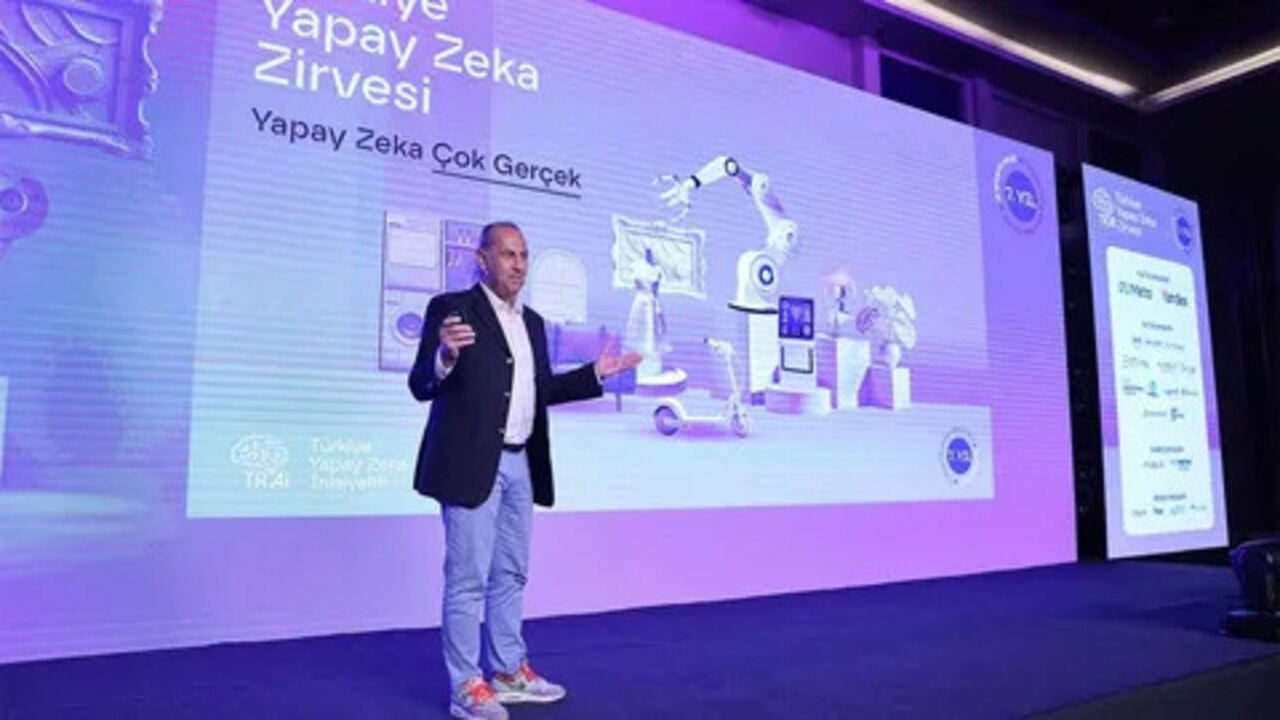
Turkish Artificial Intelligence Initiative (TRAI)It is an independent initiative that aims to strengthen the AI ecosystem in Turkey, to increase the intercultural business union and support the strategic vision in this area of the country. Founded in 2017, TRAI aims to bring together both private sector and acacia world in a common ground.
Among the studies of initiative, creating artificial intelligence ecosystem maps, preparing policy documents on ethical principles and increasing Turkey’s AI awareness. TRAI is not only a technology initiative with this direction, but also a share of social transformation.
What is Artificial Intelligence Risk Report?
TRAI’s official site published in August 2025 “Artificial Intelligence Risk Report u” is an assessment study that analyzes ethical, social, environmental and security-oriented risks that AI can create.
This report does not only list risk headers; it offers definitions, possible losses, potential possibilities and recommended solutions for each risk.
TRAI draws a risk map especially through data security, algorithmic neutrality, transparency, audit and ethical AI policies.
This type of risk reports have become a common application in the world; for example, released in 2025 Documents such as International AI Security ReportAnalyze global AI risks.
In terms of Turkey, this report is an important example in terms of focus areas.
Content of the Report: Ethics Artificial Intelligence, Security and Control Axis
The report is indicated as the largest danger, unsupervised use and data breaches that arise with the rapid development of artificial intelligence. Uncontrolled prevalence of artificial intelligence models can threaten both individual confidentiality and national security.

The report also points out that algorithmic prejudices and unethical applications can deepen social inequalities. Therefore, TRAI emphasizes that every artificial intelligence application must withstand an ethical framework. Denetability, transparency and responsibility principles create the basic spine of this report.
TRAI evaluates artificial intelligence as a critical leap opportunity in Turkey’s digital transformation. However, the misuse of this technology emphasizes that serious ethical, social and economic problems can lead. The aim is to create a solid road map for the public, private sector and academ with the approach of “not insure, conscious policy production”.
The report aims to protect the social balance against the speed of technological developments.
In scenarios where the ethical limits of artificial intelligence are not scratched, individual privacy is expressed that economic stability and safety structure may encounter serious risks.
According to TRAI, artificial intelligence technologies contain 10 basic risk headers that can directly affect the future of humanity.
10 Basic Risks Revealed by TRAI
1. Autonomous Weapons and Military Use
Description: Autonom weapons systems that identify and shoot targets without human intervention.
Losses: Civil losses, war law violations, strategic imbalance, access to terrorist organizations.
Probability: High prevalence in the middle run; many countries are active in R&D.
Solution: International agreements, “human audit” standards, ethical rules, cyber security measures.
2. 2. Injustice and Economic Balance
Description: Work losses with the repetitive work of automation.
Losses: Social inequalities, income distribution disruption, budget printing, social restlessness.
Probability: Increase in production and service sectors in short term; structural unemployment in the long run.
Solution: Training reform, re-developing programs, social security reforms, fair taxation.
3. Data Privacy and Personal Privacy Violations
Description: excessive collection and abuse of personal data.
Losses: The absence of disability, data leaks, psychological effects, trust erosion.
Solution: GDPR-like legal frameworks, strong cybersecurity, data minimization, user control, international cooperation.
4. Reflectivity in Artificial Intelligence (Bias) and Injustice
Description: Reflecting the algorithms of bias in education data.
Losses: Social discrimination, opportunity equality, public trust.
Solution: Data diversification, model control, clearable artificial intelligence (XAI), ethical committees, algorithmic justice laws.
5. Transparency Deficiency in Decision Making Processes
Description: “Black box” models do not understand the decision mechanism.
Losses: ethical problems, lack of accountability, public trust loss.
Solution: Openable AI methods (LIME, SHAP), simple models, legal regulations, multi-shared audit.
6. Fake Content Production (Deepfake) and Information Pollution
Description: Very close fake video, audio and text generation.
Losses: Dezenformation, political instability, no media trust.
Solution: Content verification systems, artificial intelligence ethical boards, social media literacy, punishment sanctions.
7. Unmanaged or Self-developing Artificial Intelligence
Description: Systems that can be controlled or closed to human intervention.
Losses: devastating effects on autonomous decision cycle, safety risk.
Solution: Security protocols, emergency stop (kill switch) mechanisms, international audit.
8. Slimming of human abilities and independence
Description: Blinding the analytical thinking skills of human as a result of excessive artificial intelligence dependence.
Losses: Decrease of creativity, weakening of critical decision failure.
Solution: Balance approach in education, human-based decision processes with technology.
9. Cyber Security Threats Home
Description: hacking or manipulation of artificial intelligence systems.
Losses: Risk in critical infrastructures such as energy, transportation, health.
Solution: Testing powerful encryption, AI-based security systems, cyber intelligence collaboration.
10. Energy Consumption and Environmental Impacts
Description: High energy consumption and carbon footprint of large models.
Losses: Environmental degradation, welding consumption, non-resistibility.
Solution: Green AI approaches, energy efficient hardware, transition to renewable resources.

What should we do? What are the Apps to Avoid?
The TRAI report reveals not only potential risks, but also “bad application examples” that can lead to the increase of these risks. The uncontrolled prevalence of artificial intelligence is highlighted that both social and economic balances will threaten.
It is noted that in the report should be avoided especially from the following incorrect approaches:
Uncontrolled integration: It creates a big risk of security to integrate artificial intelligence in control of public services or defense systems.
Lack of transparency: It leads not to know how to decide about algorithmism, not to notice bias and errors.
Undoubted data control: Personal privacy is violated when it does not comply with the principles of security, anonymity and permission.
Non-scratch design: The systems that ignore user interests, intelligence public trust and brand reputation in the long run.
No energy and environmental costs: The carbon footprint of large models enters the risk of sustainability when ignored.
Safety deficiency: Open systems to cyber attacks pose serious threat especially in critical infrastructures.

What Can We Do? What is TRAI and Literature Recommendations?
TRAI does not only warn but also offers solutions. Ethics and governance recommendations HomeRoadmap for the safe development of artificial intelligence in both Turkey and internationally:
Ethics principles: The ethical frameworks are formed based on justice, transparency, human dignity and privacy values.
Controller Institutions: Independent authorities should regularly supervise AI applications.
Transparency and accountability: The decision processes of models should be explained; audit records are kept.
Data standards and privacy protection: Data anonymity, open data policies and user information should become standard.
Energy Efficiency: Energy-cost balance should be observed in model designs, environmental effects should be reduced.
Cybersecurity integration: Systems must be resistant to attacks from design stage.
Human-based approach: User feedback should be taken into account, human intervention should always be possible.
Compliance with international norms: The EU Artificial Intelligence Act proposes to develop parallel policy to OECD and UNESCO ethical standards.
Continuous monitoring: Artificial intelligence projects should be reviewed regularly as they become widespread.
Also, The AI Risk Repository academic resources, such as academic resources, broader risk classifications and data-based analyses. Using such sources, it is possible to remove risk maps in Turkey scale.
Social Effects of Artificial Intelligence Risks
Another point that the report pays attention is the social transformation power that does not be limited to the technical systems of artificial intelligence. This conversion can deepen social inequalities if it is not managed correctly:
Employment: While automation destroys some professions, new business areas can also create. Employment policies in this transition play a critical role.
Education: As artificial intelligence-supported learning tools can reduce the opportunity inequalities, access can also create a cliff in limited areas.
Content: Data-oriented surveillance systems can threaten individual freedoms.
Social discrimination: Preventive algorithms can exclude more disadvantaged groups.
Cultural effects: Excessive dependence on technology can weaken critical thinking and cultural diversity.
TRAI, therefore, not only a technical means of artificial intelligence, a power shaping social transformation emphasises that it should be addressed.
The Importance of the Report: A Strategic Warning For Turkey
The report reveals a new policy vision to manage Turkey’s AI in ethical limits. It is noted that artificial intelligence is not only a technological field, but it is an economic, social and moral issue. According to TRAI, ethical and transparent AI policies will increase the global competitiveness of Turkey. The report is not only technical, but also social size. The placement of ethical AI development culture will ensure the sustainability of technological progress.
When artificial intelligence is now used in every field from public administration to education, media to health, this report is a warning that the human-centered digital transformation draws gold. In terms of technology policies of Turkey, this document stands out as a guide that shapes the safety of the future.
International Perspective: Similarities with EU Artificial Intelligence Act
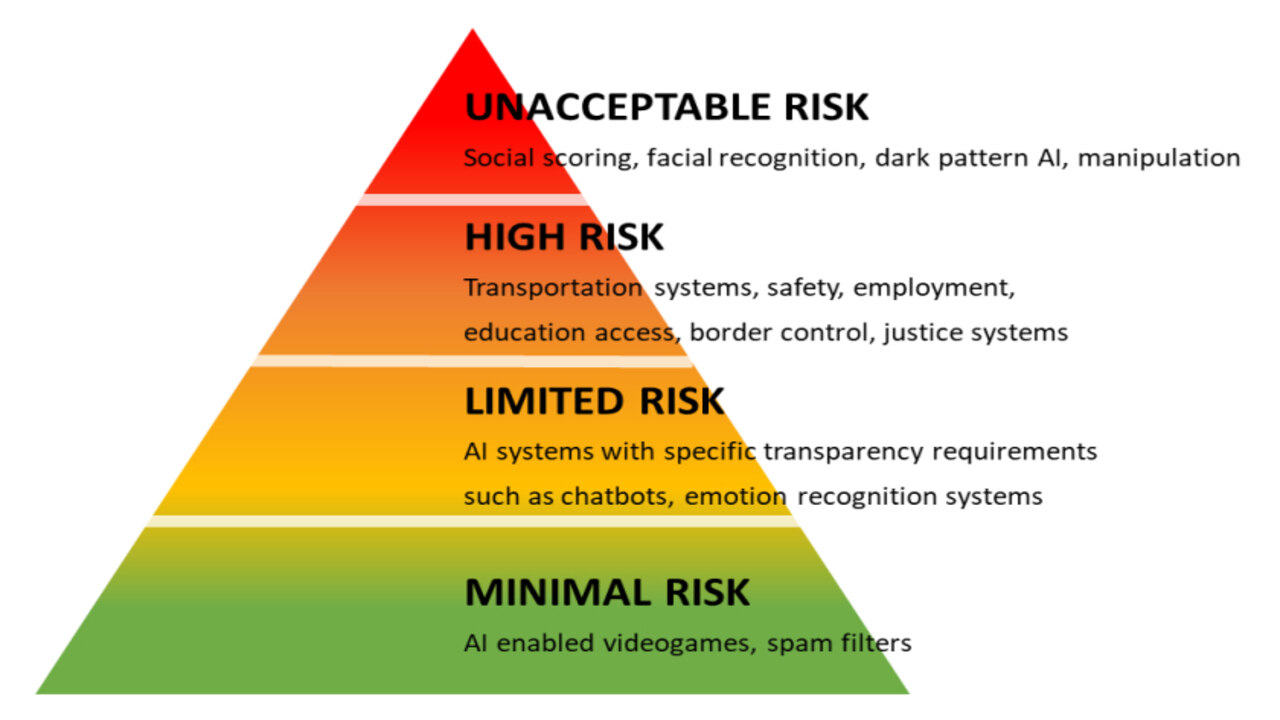
The report also shows parallelism with artificial intelligence regulations carried out at global level.
EU Artificial Intelligence Act (AI Act), OECD AI Principles and UNESCO Ethics Guidestands out the principles of human rights, accountability and auditability. Specifically, the European Union has put into force in 2024 Artificial Intelligence Act (AI Act)By adopting the risk-based audit model, ethical principles were forced. TRAI states that Turkey is critical in terms of trust and sustainability, and this approach should be adopted in Turkey. The report emphasizes that Turkey’s movement compliant with international standards will increase the technological competitiveness and reliability of the country.
Turkey has important approaches on artificial intelligence ethics and regulation in the world:
EU Artificial Intelligence Act (AI Act) | It brings pre-approvement, transparency and traceability criteria for high-risk systems. |
OECD AI Principles | Artificial intelligence supports the development of human rights around frameworks such as respect, transparency, responsibility. |
Artificial Intelligence Risk Storage (AI Risk Repository) | This academic resource, which offers 777 different risk categories, reveals a wide risk map. |
UNESCO Ethics Artificial Intelligence Guide |
Defends ethical and right-based approach based on universal values.

Common Step For Ethics And Safe Artificial Intelligence
“Yapay Intelligence Risk Report is an ethical call for the future of Turkey, not only a review text. TRAI aims to strengthen public, private sector and academ business union through the report and promote innovation while minimizing risks.
The work of Turkish Artificial Intelligence Initiative is taking the vision of artificial intelligence responsible for the digital transformation of the country. Secure, ethical and auditable systems are provided as a clear message that technological progress will not be sustainable unless built. Home AI training Home as the indispensable competence of the future.
Zararlı Yapay Zeka Modelleri: Riskler ve Korunma Yolları


Ücretsiz Görüntülü Konuşma Uygulamaları (10 Seçenek)