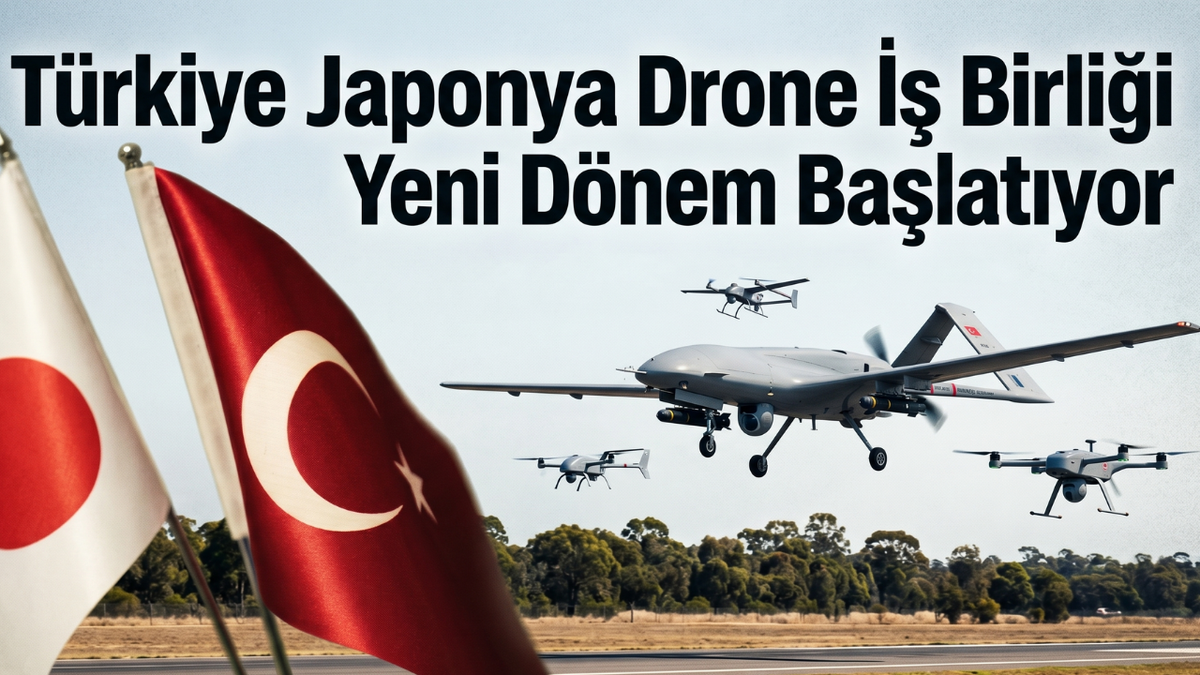
Turkey Japan Drone Business Association Launches New Period
Automatically translated
 Writer
While diplomatic relations between Turkey and Japan are based on a history of more than hundred years, the two country’s defense industry and the closeness of high-tech axis had never been sitting on a concrete floor. The intersection of geopolitical interests and technological competences between Ankara and Tokyo brought the threshold of a partnership that imposes memorization in both countries and global defense ecosystem. Minister of Foreign Affairs of the Republic of Turkey Hakan Sapling said to visit Tokyo, If this new era is not only a declaration of faith, it clearly revealed that two countries share a strategic vision. When it comes to artificial intelligence autonomisi, border security and air platforms, Turkey is a global actor with proven equipment that has proved to the field. Japan is known for its unrivaled infrastructure in the field of industrial production discipline, microelectronics and material science. This two forces come together, especially Asia-Pacific and Central East have potential to reshape balances.
Why is Turkey Japan Drone Business Association in Agenda now?
Global security architecture has radical transformation over the past few years. Asymmetric battle dynamics in the Black Sea led to the fact that the hot conflicts in the Middle East and the tension climbed in the South Chinese Sea with the Bosphorus of Taiwan leads to the rapid demo of traditional defense doctrines. In this environment, low-cost, high-effecture and artificial intelligence-supported drones (IHA) became the main decisive of battle squares.
What is Hakan Sapling?
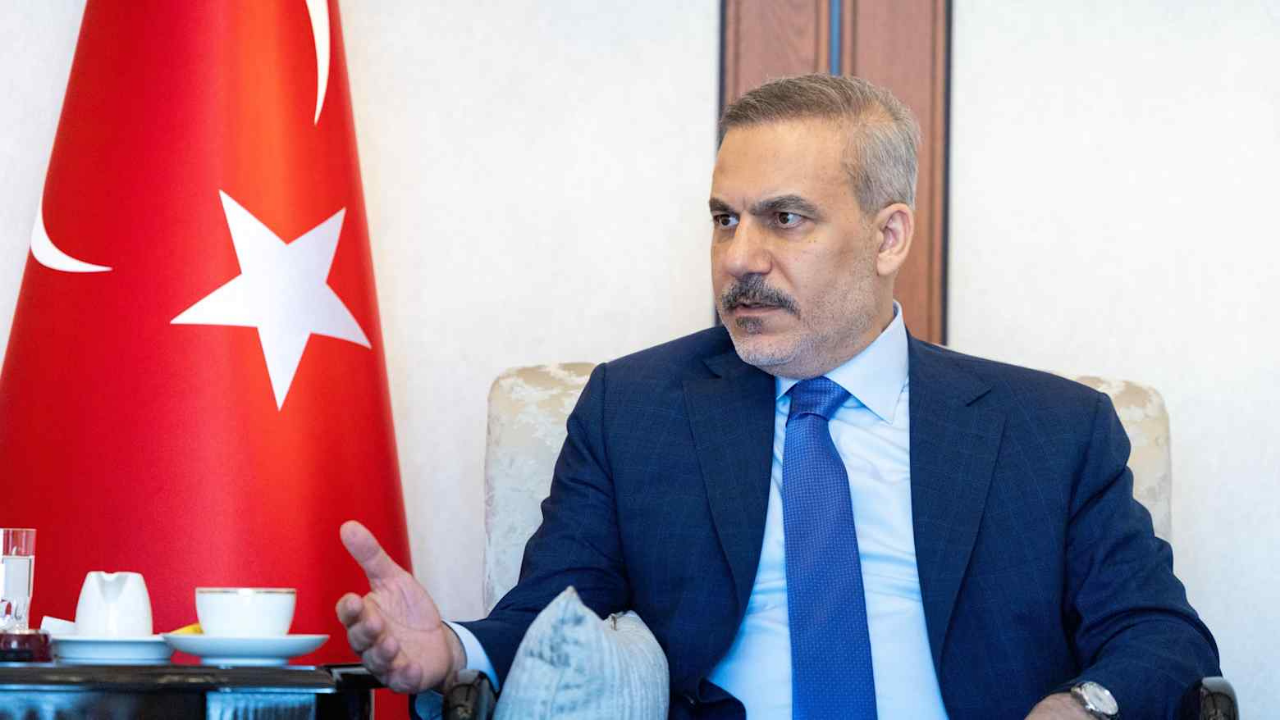
The Minister of Foreign Affairs Hakan Sapling said in the press conference held in Tokyo, the military-technological potential between two countries has been officially registered. Sapling attracted attention to the unique experience in the unmanned air tools of Turkey and the tremendous demand that this technology has seen in the global diameter. The seedling that Japan is aware of the quests in this area clearly stressed that two countries have come from the defense industry at the beginning of the areas where they can collaborate. This statement was the clear sign of technical negotiations carried out behind closed doors between two capitals now married to a strategic partnership model.
Why is the Highlight of “Partner Development and Joint Production”?
Exporting in defense industry provides temporary commercial gains. However, "middle development" and "middle production" means that two countries combine engineering know-how. This emphasis from agenda within the scope of Turkey Japan drone collaboration aims to blend the operational software and body design capabilities of Turkey with semiconductor, sensor technologies and advanced material engineering. When this partnership model occurs, the intellectual property rights may be shared and a brand new autonomous platform family that can be exported to third countries.
Defense Traffic Accelerated in Ankara-Tokyo Line
Behind the descriptions, there is a busy bureaucratic and technical diplomacy traffic that lasts for months. Two country’s defense ministers, purchasing agencies and military delegations clear potential collaboration map with mutual visits.
Japanese Defense Delegations Turkey Visits
Representatives of Japan Öz Defense Forces (JSDF) and the Supply, Technology and Logistics Agency (ATLA), To examine the defense industry ecosystem in Turkey In the last period, there were critical contacts in Ankara and Istanbul. It is known that Japanese delegations focus directly on operational details such as wear shares, logistics chain management and electronic harp protection systems in the field. The huge telemetry data obtained in the terrorism operations of Turkey and regional conflicts constitutes a non-profit reference source for Japanese military planers.
Why Do Baykar and TUSAŞ Contacts Pay Attention?
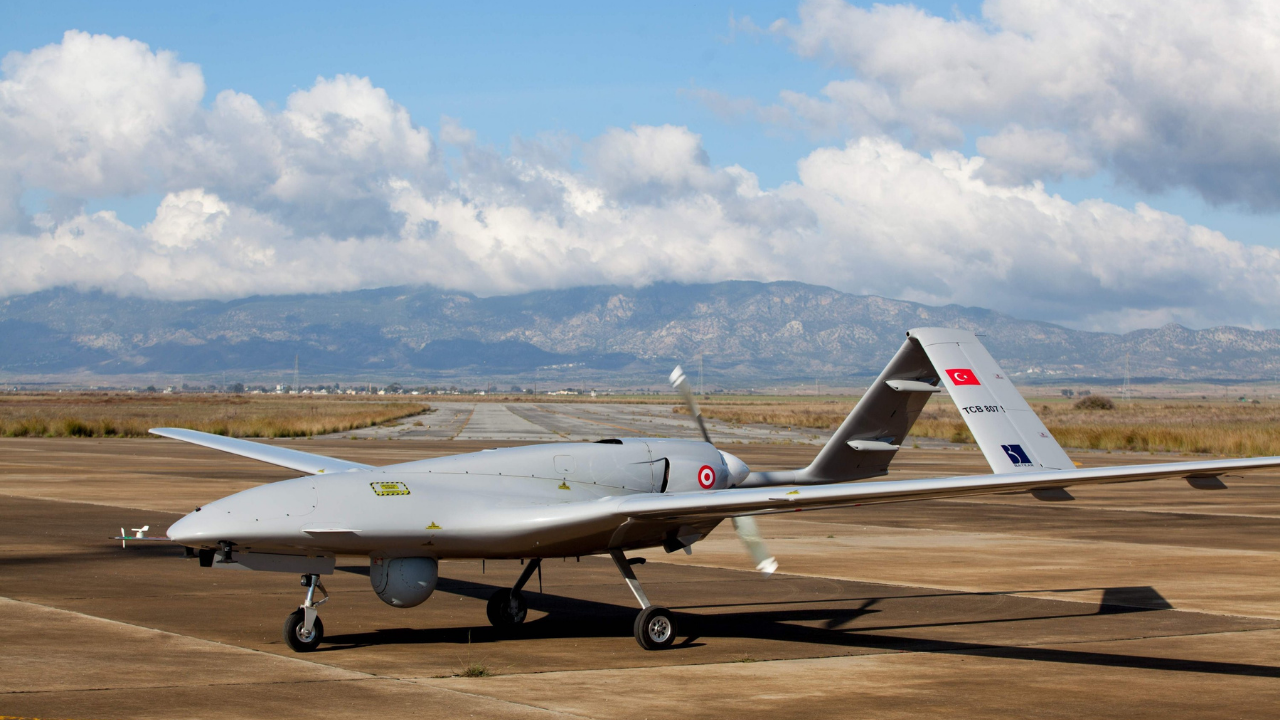
Japan has two giant producers in the radar in Turkey: Baykar and TUSAŞ. Bayraktar TB2 holds global UAV market with systems such as TB3 and Akıncı Home With Anka series, TUSAŞ, producing strategic platforms with Aksungur and Anka-3, became the main stops of Japanese delegations. IHA systems, particularly capable of landing on sea platforms, cover one by Japan’s island defense strategy. Reviews on the production facilities of these companies, Turkish defense industry ecosystem Home It proved on the Japanese authorities, which has the ability of flexible and fast production.
Why Japan Meets Turkish UAV Technologies?
Japan has experienced certain restrictions and saturation for many years in the defense industry, despite being one of the most advanced technology forces in the world. So, Tokyo leads to Turkish UAV technologies instead of producing its UAV from scratch?
Japan’s Needs | Turkish Defense Industry Solutions |
|---|
Emergency Safety Need in Pacific
Fast Series Production and Distribution
High Cost Western Alternatives
Cost-Effective and Scalable
Tested System Deficiency in Field
Thousands of Hour Experiences
Ada and Sea Limit Safety
Folding Wing Marine UAVs
China Voltage And Pacific Safety
In the Asia-Pacific region, the military budget of the People's Republic of China and aggressively increasing the presence of sea extremes, Japan faced with a serious security dilemma. The dominant discussions around the Senkaku Islands and the risk of a possible military conflict based in Taiwan is forced to observe a huge sea geography of Japan 24/7 without interruption. With human battle aircraft and patrol ships, this surveillance is not sustainable in terms of cost and increasing the risk of military personnel. Turkish UAV technologies offer you the opportunity to keep a huge sea area under control, at a very low cost to Japan.

Change in Japan’s Defense Doctrinin
Japan, II. Following the World War, the passiveist defense doctrine adopted had to be revised with the increase of regional threats. With the updates made in the "National Security Strategy" documents, the country should not only defend, but "the ability to attack" is highlighted. This doctrinel fracture brought the decision to remove the Japan defense budget to 2%. One of the biggest pens of this huge budget that comes from the middle is autonomous systems and UAV technologies.
Is Common Production Table? Technology Transfer Acceleration
The most exciting dimension in Japan drone collaboration scenario is that the industrial characters of two countries are perfectly completed. This situation can trigger a deep technology transfer rather than a simple trading-transmission relationship. The philosophy of Japanese engineering "zero error" is known for its deep academic research and perfectionist production quality. But this can sometimes slow down decision-making and product development processes. Unlike the Turkish defense industry, feedback from the field has the "fast pusheration" (rapid pusheration) and agile (agile) development model, which can integrate into the platform in a few weeks.
Japan’s material quality and precision production standards are combined with the operational speed and software flexibility of Turkey, the technological maturity level (TRL) will be unique. Engineers of two countries can carry joint R&D projects on new generation hydrogen fuel cell UAVs, solid-state batteries, artificial intelligence-based autonomous algorithms and quantum cryptography communication systems. Joint consortiums of Turkey will be installed between the R&D centers in TUBITAK SAGE, TUSAŞ and Baykar, Japan’s Mitsubishi Heavy Industries or Kawasaki Heavy Industries, can build the aerospace technologies of the future.
Marine Safety and Pacific Balance: TB3 Script
Japan creates the protection of the heart of the state and defense strategy in a island. In this context, the solutions developed for the sea platforms of Turkey are roughing the appetite of the Japanese Navy.
Why is Bayraktar TB3?
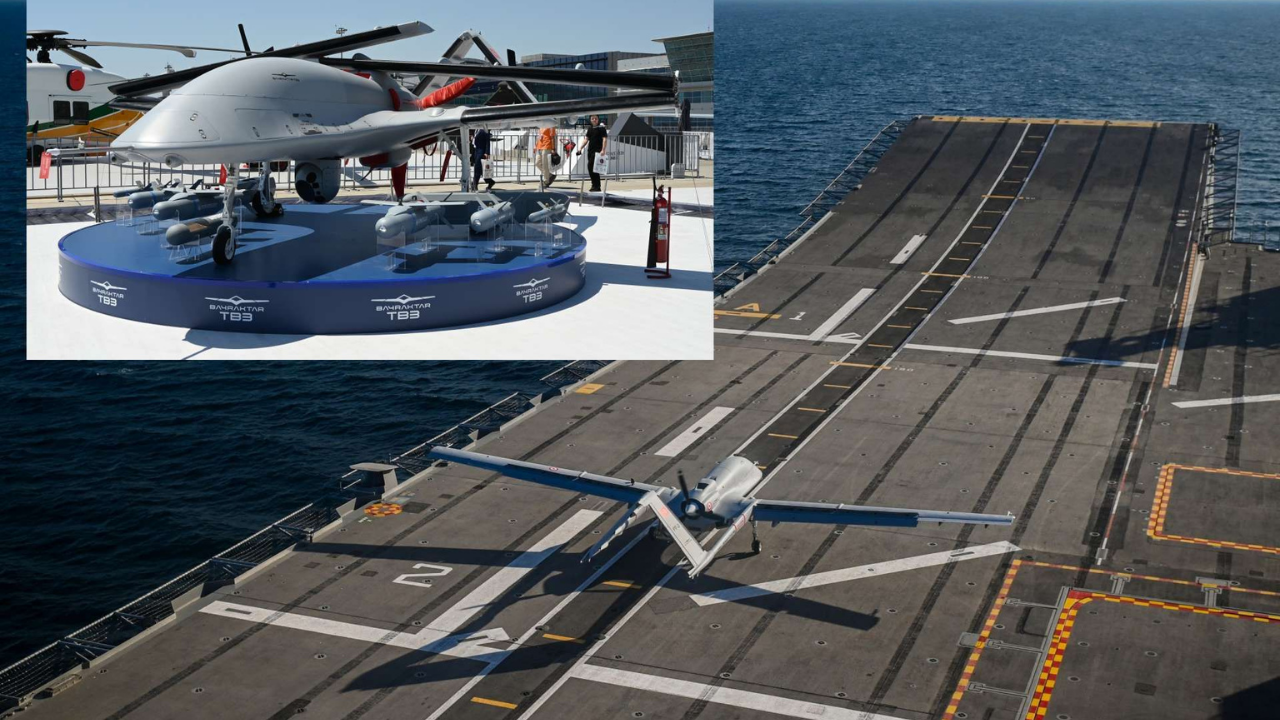
Bayraktar TB3 is one of the first armed unmanned air tools in the world with foldable wings structure, which can take and landing from short run ships such as TCG Anatolia. Japan modernizes the helicopter carrier ships named Izumo and Kaga in a way that can talk about the battle aircraft that can take vertical landing. But in these huge ships, it limits operational flexibility to fly only expensive human battle aircraft. A Turkish UAV platform like Bayraktar TB3 or similar will create an excellent multiplier effect for Japanese Izumo class vessels.
Potential Use Area For Japanese Navy
When Turkish Sea UAVs are integrated into Japanese Navy:
Submarine defense harbi (ASW) sonoboy release and follow-up processes are unmanned.
Signal intelligence in large sea areas (SIGINT) and electronic surveillance can be done without interruption.
In a possible amphibian harekatta, the suppression of the coastline and the destruction of the target with sensitive guided ammunition can be realized without risking human life.
Why Choose Japan Defense Policy?
To understand the steps that Japan jumped today, it is necessary to read the constitutional and political transformation of the country. This transformation also prepares the legal ground of business associations to do with Turkey.
New Security Architecture and Drone Investments
But changing regional dynamics forced Tokyo to eslate these rules. Japanese government has led the front of the export of military platforms shared with friendly countries by making historical changes on "Savunma Equipment and Technology Transfer Three Policy". This legal revolution was the largest bureaucratic barrier in cooperation with Japan drones. Now two countries can carry out joint defence projects without being stuck in a legal restriction.
Is a New Asian Gate For Turkish Defense Industry?
Technological standards such as Japan and quality thresholds mean a global quality certificate for Turkish defense industry, to export defense technology to a country accepted by the world’s load, or to pass to common production with it. This success will strengthen Turkey’s hand tremendously in negotiations with other Asian countries that are already interested in Turkish defense products such as South Korea, Malaysia, Indonesia and Philippines.
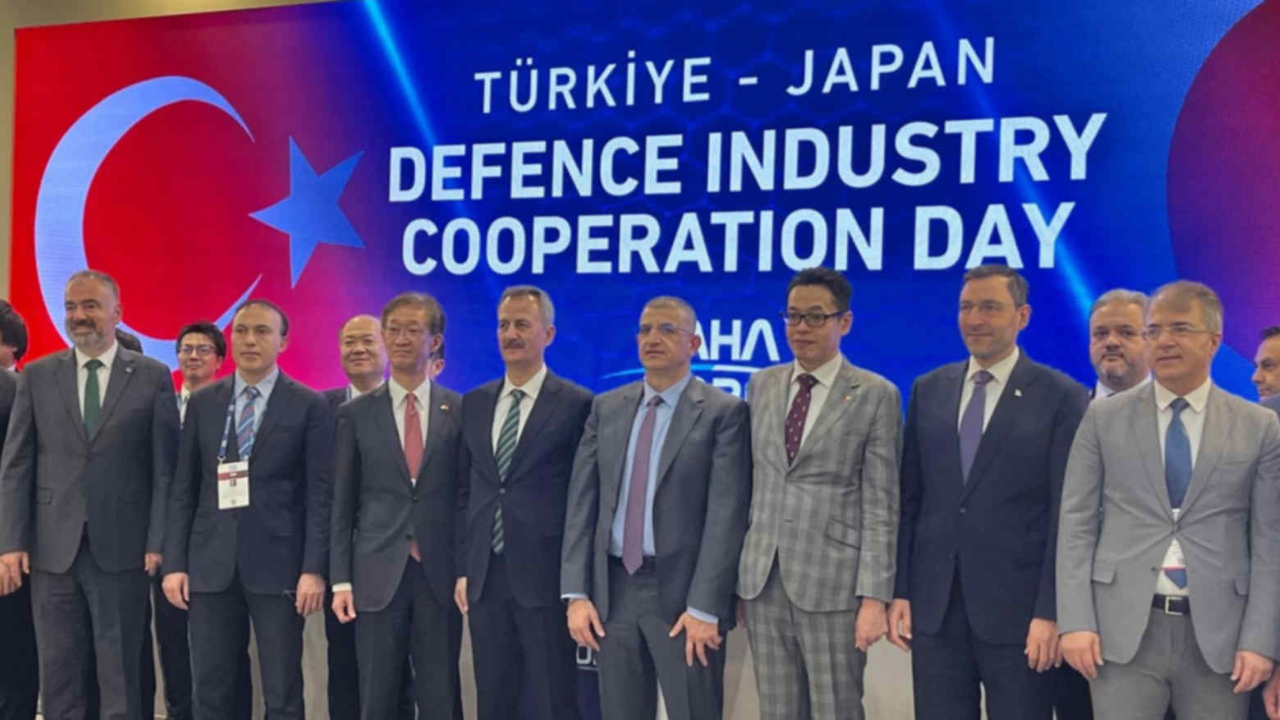
Turkey draws a reliable alternative defending partner profile that can cut its core independently from Western’s strategic restrictions and sanction threats. Asian countries want to diversify their defense supply chains and avoid being dependent on a single global power. Turkey stands out as a rational partner that offers both the most advanced technology at this point and does not cause political conditions.
Possible Effects of Turkey Japan Drone Business Association
As in every strategic partnership, there are some challenge readings and realistic thresholds to be overcome in front of this potential business association between Turkey and Japan. In the short-term partnership declarations of business union are expected to progress in the form of joint tasting observation and mutual supply of certain subsystems. In the Middle-term, the introduction of special UAV platforms designed with Turkish architecture to the inventory of Japanese Self Defense Forces or establishing a joint assembly line in a production facility in the Pacific of two countries is among the most realistic scenarios. However, the attitude and geopolitical pressures that the U.S. will be an important part of the equation.
In the next few years, we can witness large-scale joint venture agreements that will sign two countries in the defense fairs held in Istanbul or Tokyo. This process will start a period of technological integration, where Turkish engineers work together in the high precision chip production facilities in Japan, Japanese software makers in UAV simulation centers in Turkey.
Writer