




Data Infrastructure Predictions: What Awaits You in 2026?
Automatically translated
 Writer
In 2026, data infrastructure has stopped being just the backend systems that store data and support reporting. In this shift, AI has become the key factor behind autonomous decision-making mechanisms and real-time analytics processes. Today, the question is less about which data you have and more about how that data is modeled and interpreted. This transformation directly challenges traditional data warehouses, rigid ETL pipelines and the separation between analytical and operational systems. According to 2026 predictions, data infrastructure will be increasingly defined by open, modular, and AI-compatible architectures.

Is the End Coming for Analytical and Operational Systems?
Classic data architecture was built over the years on two separate worlds. These can be described as Operational Systems (OLTP), which run daily transactions, and Analytical Systems (OLAP), which provide reporting and decision support. This approach made delays in data replication and complex integration layers unavoidable. However, with modern digital products, the end of this separation is approaching.
Why Is This Separation Losing Its Meaning?
- Expectations for real-time reporting and dashboards
- AI models requiring live production data
- Growing adoption of streaming and event-driven architectures
- Zero-copy analytics approaches (querying data without copying it)
In the 2026 data infrastructure vision, data is no longer labeled as “operational” or “analytical.” Instead, it is used for multiple purposes from a single trusted source. This makes data formats, connectivity layers, and query engines strategically important.
Apache Arrow and ADBC: New Standards in Data Connectivity
Apache Arrow, which forms the backbone of modern data architecture, is also the foundation of the 2026 data infrastructure predictions. Arrow represents data in memory in a columnar, standard format, which eliminates conversion costs between different systems.

Why Is Apache Arrow So Important?
- High analytical performance thanks to its columnar memory layout
- A shared data representation across languages such as Python, Java, C++, and Rust
- Data sharing without copying (zero-copy)
- A structure suited to CPU, GPU, and vectorized operations
- Its role as the common language of the data ecosystem
What Changes with ADBC (Arrow Database Connectivity)?
ADBC is the modern alternative to ODBC and JDBC. With this Arrow-based connectivity standard, data is no longer moved to the application; the application comes to the data. Integration between analytics engines is simplified and, most importantly, the barriers between data science and production systems disappear.
Open Table Formats: Why Is Apache Iceberg the Winner of 2026?
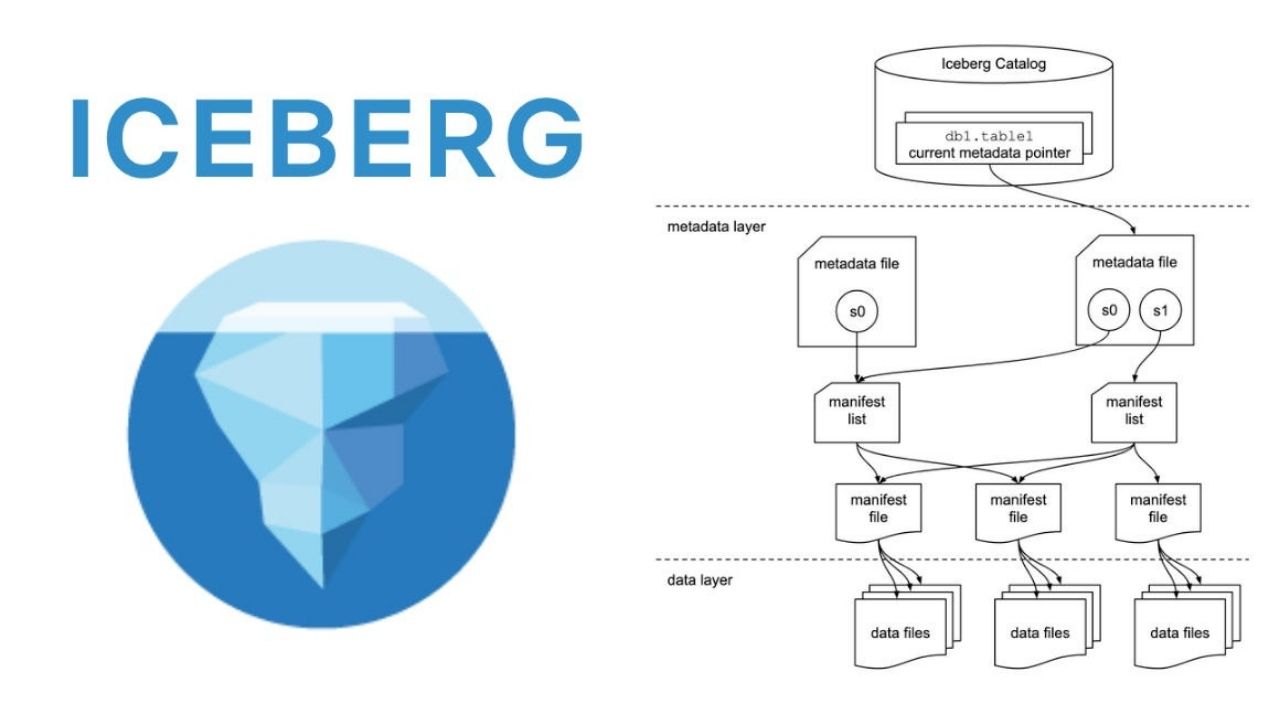
Apache Iceberg is now on the agenda not only for technical teams but also for CTOs and data managers. Iceberg stands out as an open table format that combines the flexibility of data lakes with data warehouse discipline.
Core Capabilities That Make Iceberg Stand Out
- ACID-compliant table operations
- Snapshot and time travel support
- Schema evolution and backward compatibility
- File-level structure with table-level behavior
- Turning file formats such as Parquet into reliable tables
Its ability to scale without vendor lock-in, its multi-engine support including Spark, Trino, Flink, and DuckDB, and its ability to bring real-time and batch analytics together on the same foundation already place Iceberg at the top of open table formats in 2026.
DuckDB and DataFusion: The End of Monolithic Data Warehouses
Traditional data warehouses were expensive and generally inflexible systems. New trends in data warehousing, however, highlight the importance of solutions that scale according to need.
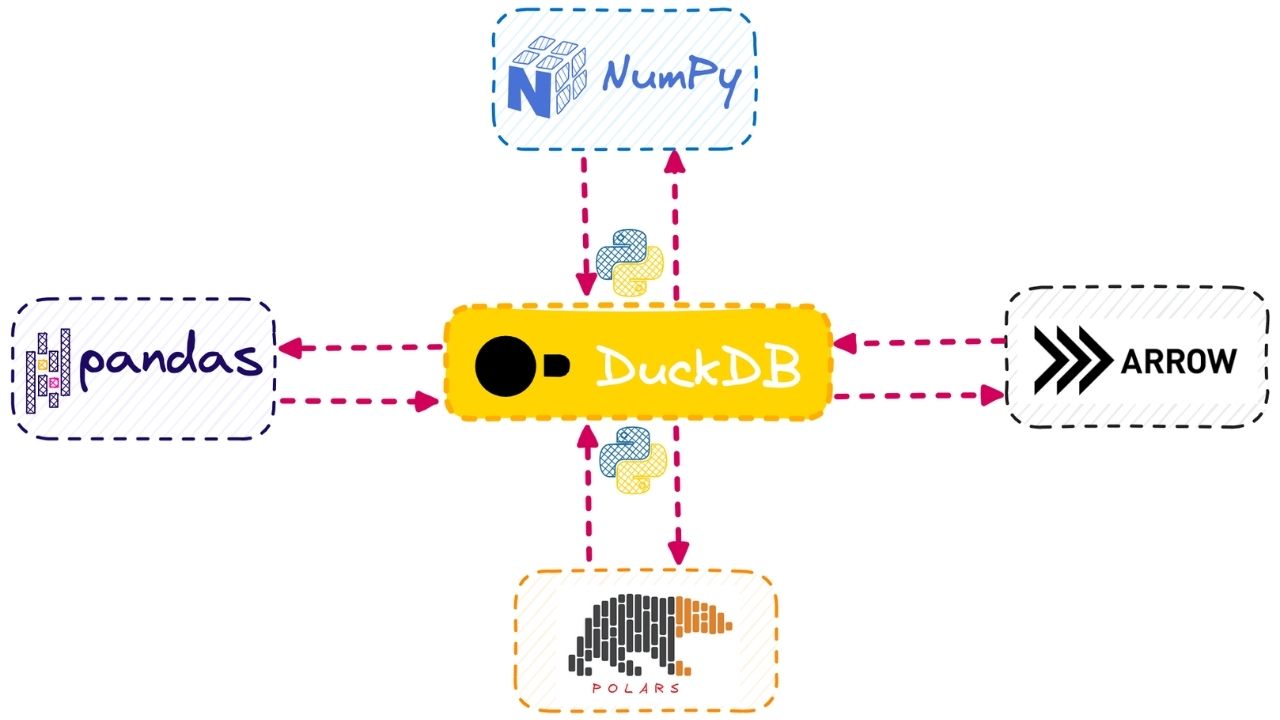
DuckDB is a serverless query engine that can run analytical queries directly on files:
- It runs without requiring any installation.
- It queries Parquet and Iceberg tables directly.
- It works naturally with Python, R, and data science tools.
- It provides analytics that scale from small to large.
- It turns the data warehouse from a service into a component.
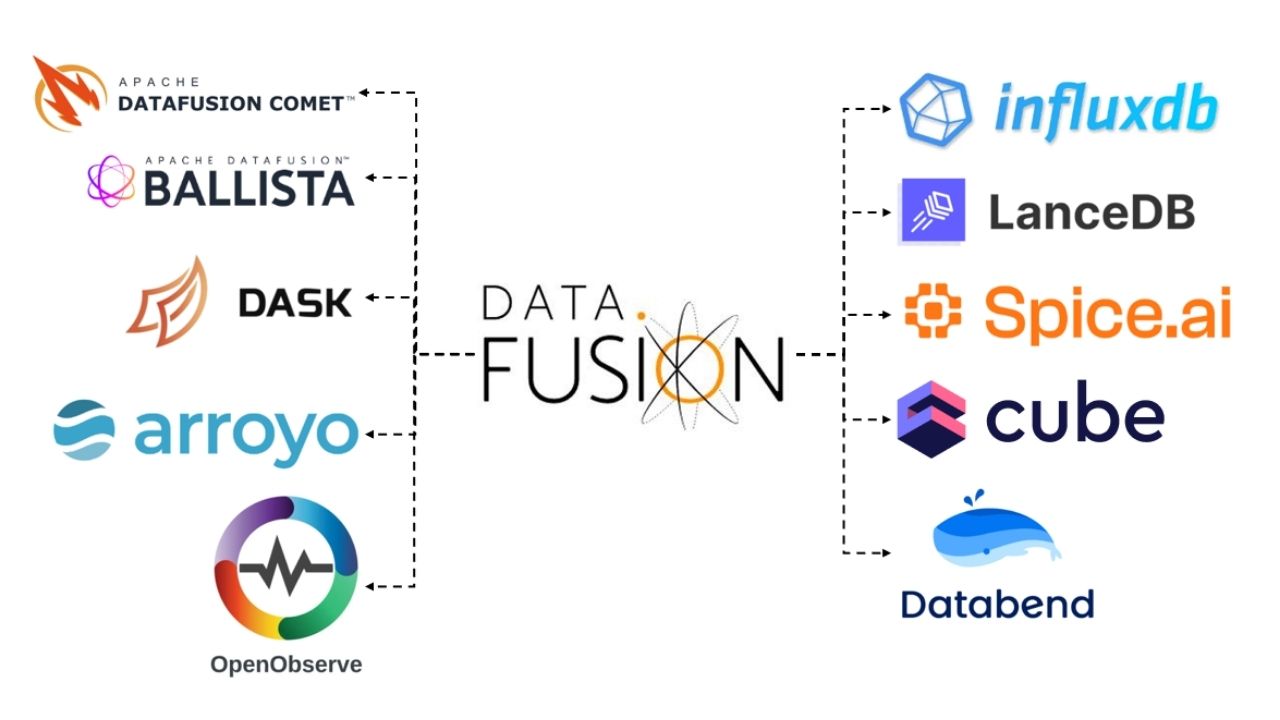
Apache DataFusion is a high-performance query engine built on the Arrow ecosystem:
- It is written in Rust and provides memory safety
- It can run in embedded or distributed architectures
- It is compatible with streaming and AI workloads
Looking at DuckDB and DataFusion, it is clear that the composable analytics approach is taking over from monolithic data warehouses.
Why Are Tabular Data Critical for AI Agents?
In 2026, AI systems will not be limited to models that generate text. AI agents that interact with data, make decisions, and take action will come to the fore. The success of these agents will be directly tied to the quality of the data infrastructure. AI data architecture is built on Iceberg tables and Arrow memory formats. In the future, data engineering rather than prompt engineering will play the decisive role. Open standards will also remain a prerequisite for AI scalability. In 2026, data infrastructure is expected to evolve from closed and monolithic to open and modular, table-centric yet lake-native, and capable of feeding AI and analytics at the same time.
| 2026 Data Trend | Main Focus | Expected Impact |
| Apache Iceberg | Open Table Formats | Standardization and Production Success |
| Multi-Engine Stack | Separation of Storage and Compute | Cost Savings and Flexibility |
| AI Agent Integration | Structured (Tabular) Data | Fast and Secure Data Access |
| ADBC Standards | Data Connectivity Layer | Replacement of Legacy ODBC/JDBC Systems |
WriterApple Creator Studio: Tek Platformda Yaratıcılık Ekosistemi

Yazılım Mühendisliğinde 2026 AI Trendleri


