2026 AI Trends in Software Engineering
Automatically translated
 Writer
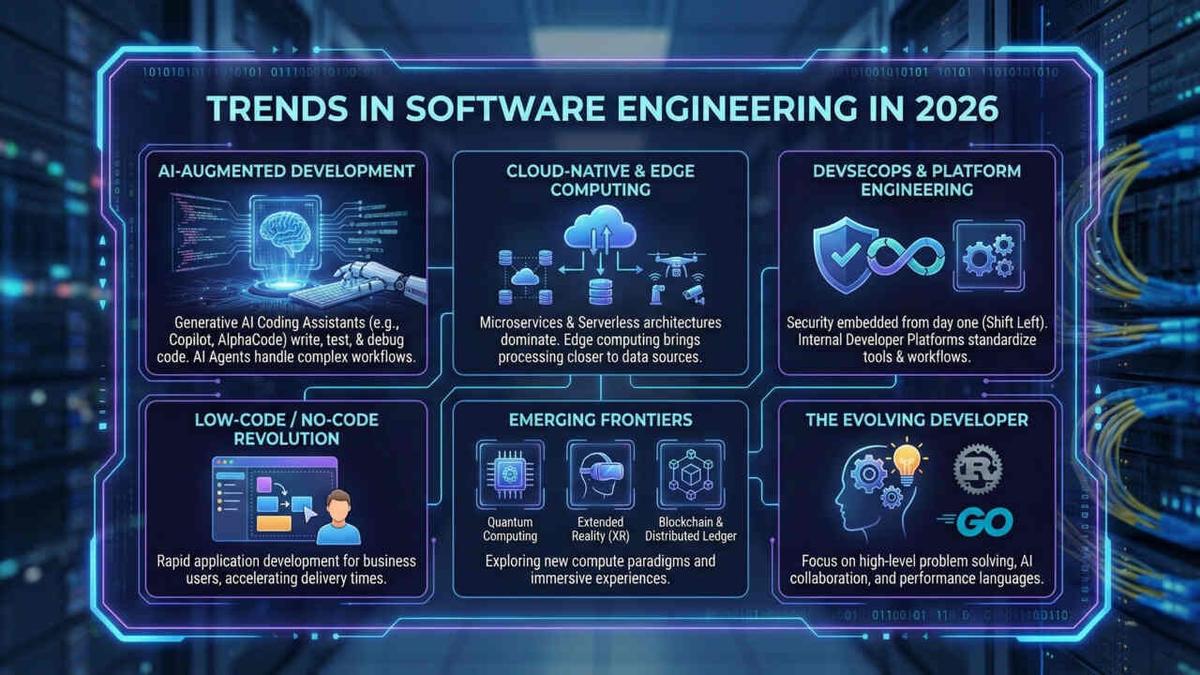
Software engineering is about to go through fundamental changes as it enters 2026. The question is no longer just how to write faster and more accurate code. Using and implementing AI-supported approaches has become the main agenda. In particular, human-AI collaboration, LLM-based coding tools, and the concept of ‘’system taste'' (system taste), which has started to be discussed a lot in software architecture, are coming to the fore.
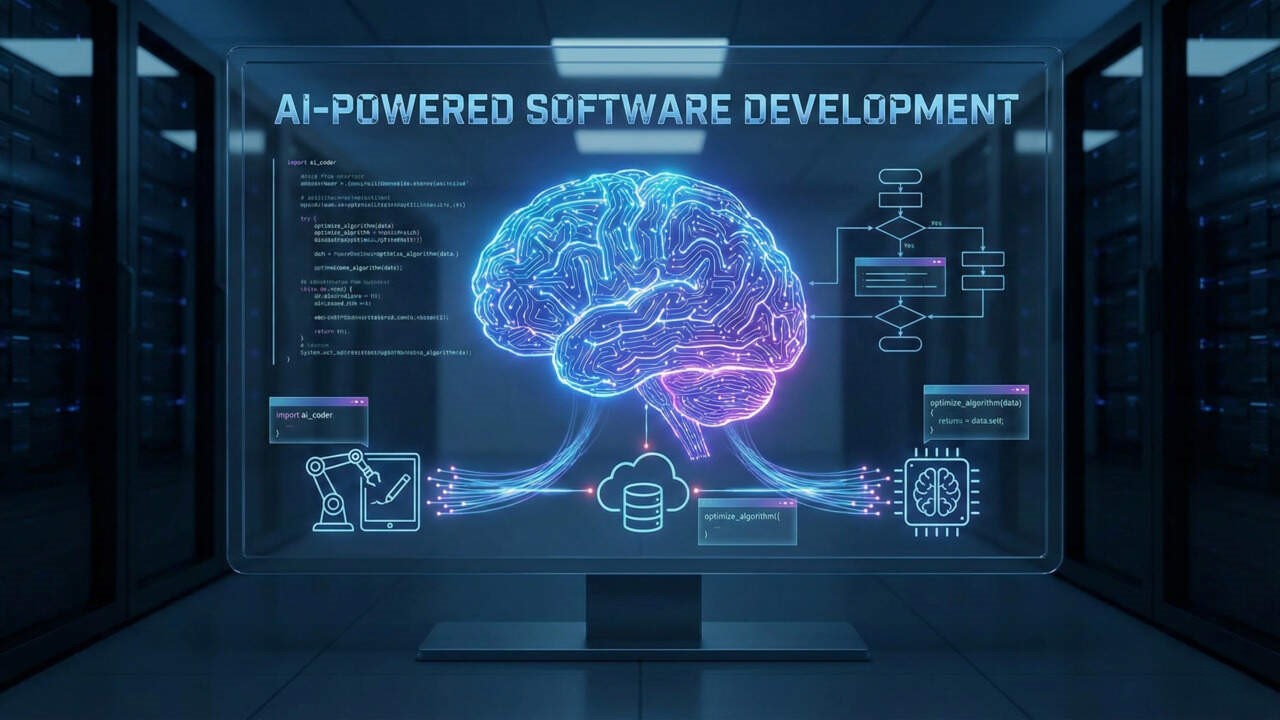
The contribution of AI to software development processes is visibly changing how both individual developers and enterprise teams work. 2026 will be a period in which we experience this change even faster. Beyond tasks such as writing, defining, and debugging code, this process is turning software engineering into a more productive and more decision-driven discipline.
How Is AI-Assisted Software Development Taking Shape in 2026?
As of 2026, AI has become an assistant that reaches almost the entire software development process. Those who follow the topic closely will notice that major leaps seem to be near. Although not yet fully widespread, code writing, test creation, and documentation are largely moving forward through AI-assisted tools. Instead of writing code from scratch, developers have started to guide the code templates generated by AI.
With these approaches, software processes are becoming much shorter and quality standards are rising. In large projects, factors such as error rates and the number of fixes can take considerable time. In workflows and projects with recurring problems, thanks to the automation provided by AI tools, teams can focus more on topics such as architectural decisions. Therefore, it would not be wrong to say we are at the beginning of a process that will fundamentally change the software industry.
The Future of LLM Coding Tools
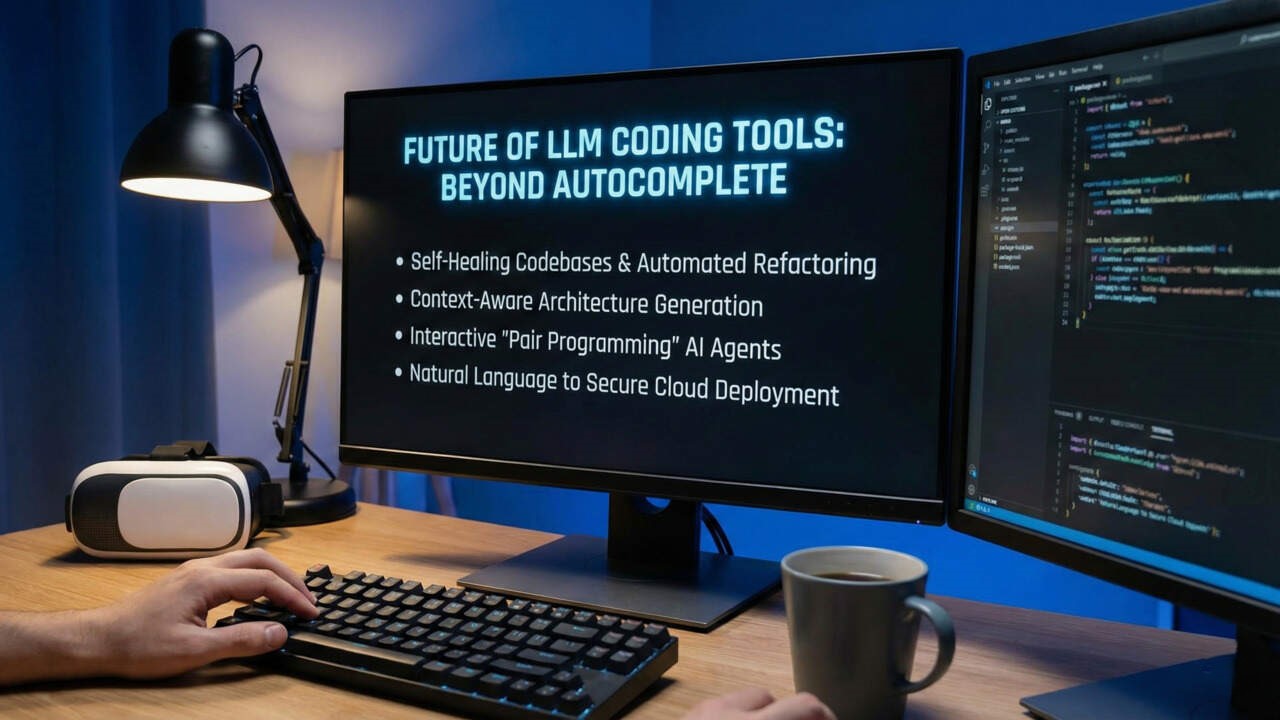
By 2026, large language model (LLM)-based coding tools are no longer tools that just suggest code. In short, these systems:
- Can understand project context,
- Produce solutions compatible with the existing code architecture,
- Can detect security vulnerabilities in advance,
- Can offer performance optimization suggestions.
- Can offer performance optimization suggestions.
So, developers who write code are now turning into engineers who think with AI, guide it, and supervise it, instead of manually fixing problems one by one. LLM AI tools work almost like an assistant developer. At this point, it is possible to see the full alignment of human-AI collaboration. In short-term AI developments, we can see this convenience and the direction it is heading. Moreover, this can also be called just the beginning. Developments will spread and grow after this stage. There are risks here as well. For example, a wrongly directed LLM can scale an error very quickly. For this reason, human-machine oversight will become a very important topic during 2026, the year we have just begun.
Human–AI Collaboration in Software
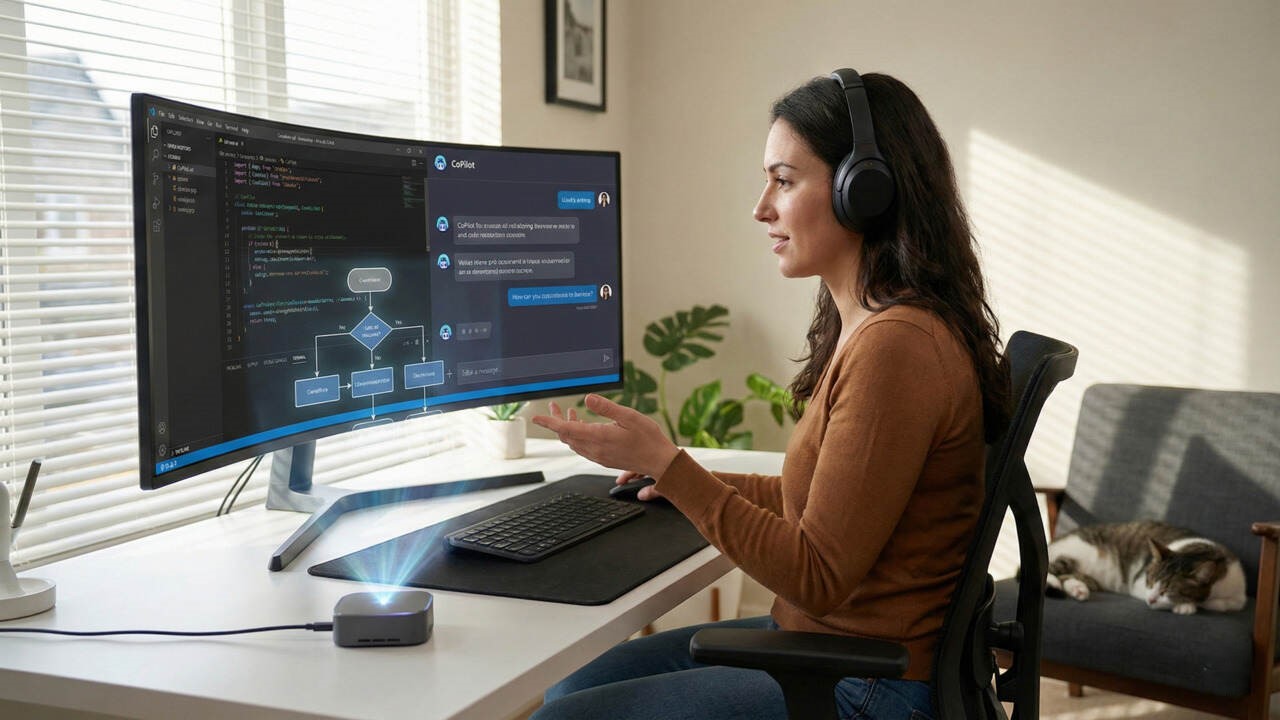
This year, human-AI collaboration will sit at the center of software trends. While AI produces fast and scalable solutions, the developer’s contextual judgment, ethical evaluation criteria, and creative problem-solving skills complete the process. Thanks to this much-discussed collaboration:
- Complex business rules are modeled more accurately,
- User-focused solutions come to the fore,
- Technical risks are noticed at an earlier stage.
Success-oriented teams see AI at this stage not as a risk, but as an assistant team member. When this collaboration is not positioned correctly, AI turns into a non-functional tool. A meaningless tool that merely follows directives and contributes nothing benefits no one. For developers in the future, the indispensable thing is to follow human-AI collaboration correctly.
The Concept of “System Taste” in Software Architecture
One of the concepts we will hear most this year will be system taste. This goes beyond software architecture simply working. It expresses being readable, sustainable, and aesthetically balanced. AI-supported tools work by following architectural patterns. They offer developers more consistent and clean structure suggestions. However, in this context, the final decision still lies with the human. As we mentioned earlier, the human-AI concept remains part of these processes and brings out notions such as system taste. Basically, this term is used because, blended with the developer’s intuition and experience, it makes processes more organic and enjoyable.
Software Engineering Is Becoming More Strategic
2026 software engineering trends show that the profession is shifting from technical production into a strategic decision-making center. AI-supported software development, LLM coding tools, AI agents, and architecture approaches focused on system taste will clearly bring new dimensions to the sector. According to general discourse, situations where software engineers lose their jobs are unlikely to occur. An approach that blends both sides is on the technology agenda. Positively, those in this profession who keep developing themselves may be a step ahead, and the software world may change dimension faster than ever and in ways never seen before.
Overall, the positives and possible risks are as follows:
| Area | Advantages | Possible Risks | Management Strategy |
|---|---|---|---|
| AI-Assisted Code Development | Significant acceleration in development time, automation of repetitive work, faster prototype production | Rapid multiplication of incorrect or faulty code, over-reliance | Human-approved code review, mandatory testing |
| LLM Coding Tools | Context-aware code suggestions, technical debt detection, documentation generation | Hallucinated solutions, architectural incompatibility | Constrained prompts, architectural guidelines |
| AI Agents (CI/CD) | Automated testing, early error detection, reduced deployment risk | Risk of halting production due to misconfiguration | Manual override, multi-stage approval |
| Human–AI Collaboration | More strategic engineering, creative solutions, improved decision quality | Blurred accountability, erosion of skills | Clear role definitions, decision records |
| System Taste-Focused Architecture | Readable, sustainable and scalable systems | Excessive abstraction, “over-engineering” | Simplicity principle, regular architecture reviews |
| Data and Security Awareness | Secure products, regulatory compliance, user trust | Slowdown in development speed | Risk-based security approach |
| Automation-Intensive Processes | Lower operating costs, reduced error rates | Delays in human intervention | Human control for critical thresholds |
| Scaling with AI | Developing large systems with small teams | Single point dependency (vendor lock-in) | Multi-model and multi-tool strategy |
WriterChatGPT Arama Motoru: Nasıl Çalışır ve SEO Nasıl Yapılır?


2050 Teknoloji Tahminleri: İnsan–Makine Birleşimi Yeni Bir Çağ Başlatıyor