What is Shipni for Science? Scientific Artificial Intelligence
Automatically translated
 Writer
The world of technology has long been talking about being a tool that only chats or generates visuals. Posted in Google I/O 2026 For Science This conversion now shows that the theory passes to the instruction. This new system developed for scientists of Google stands out as a multi-layer artificial intelligence ecosystem that produces hypothesis, performs experiment simulations and analyzes millions of academic articles.
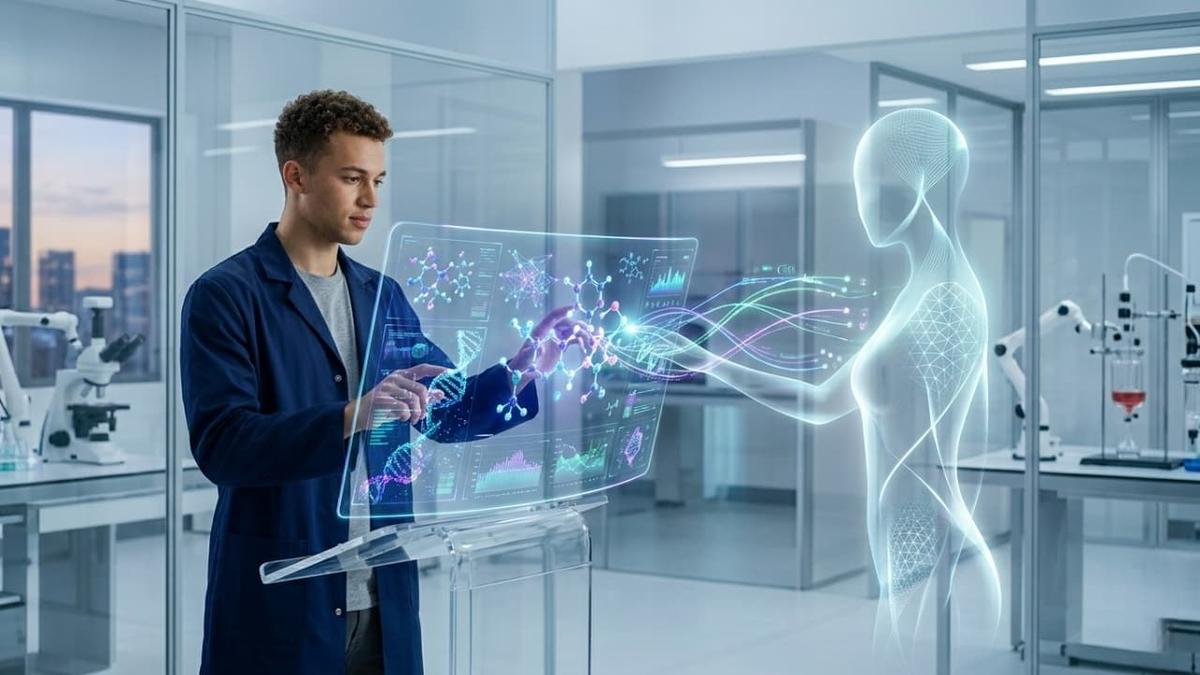
This new initiative in the scientific research field of Google is not only an artificial intelligence model, but works like a digital research laboratory. The system developed especially with the “Co-Scientist Google” approach, transforms the idea of a helping scientists working with human researchers.
What is Shipni for Science?
For Science, English—Co-Scientist, AlphaEvolve, Empirical Research Assistance (ERA) and Home— is an experimental collection of scientific tools that combine under a single roof. Google Labs The gradual access-opened platform allows researchers to take care of high-impact research aspects in real sense, leaving time-consuming manual processes.
The shortest answer to the question “What is for Science?” can be an artificial intelligence research system developed to speed up scientific researches. But the system’s main attention is not only to analyze data. Shipni for Science can also produce new ideas, discuss hypothesis and deliver results that can be verified with scientific sources.
According to Google’s descriptions, the platform was designed to support researchers working in areas such as biology, chemistry, physics and medicine. The system develops possible ways of solution on certain problems by scanning millions of academic publications. In this process, not only a single artificial intelligence model, but a large number of agents undertaken different tasks.
Technology | Mission and Scientific Additive |
Co-Scientist | Idea production motor working with peer assessment (peer review) logic. |
AlphaEvolve | Thousands of code variations based on specified metrics simultaneously produce optimization system. |
ERA (Empirical Research Assistance) | Assistant to automate scientific code writing and simulate complex data models. |
Home | The analysis tool that converts large article pools to comparative tables and visual materials. |
Hypothesis Production: Thought Tournament
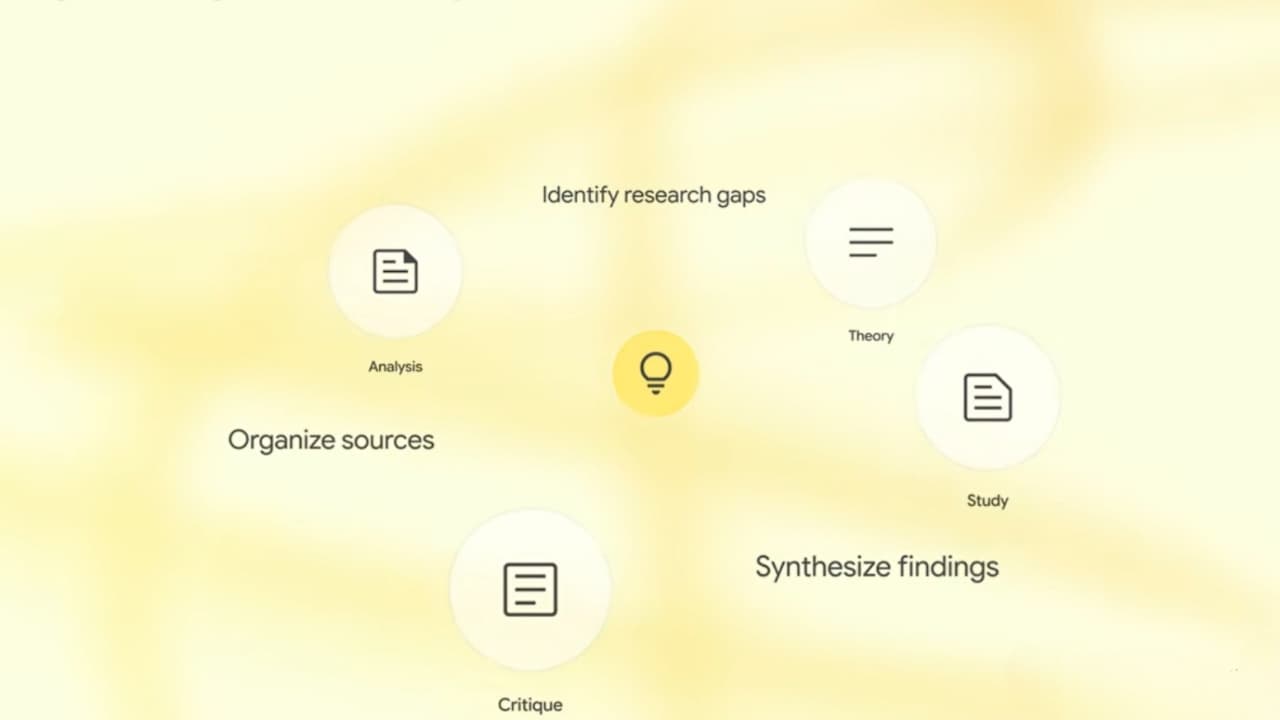
Hypothesis Generation was built on Co-Scientist infrastructure and provides researchers the opportunity to synthesize huge academic literature and produce new research ideas. The process is based on a multi-stage idea tournament mechanism that simulates scientific method itself.
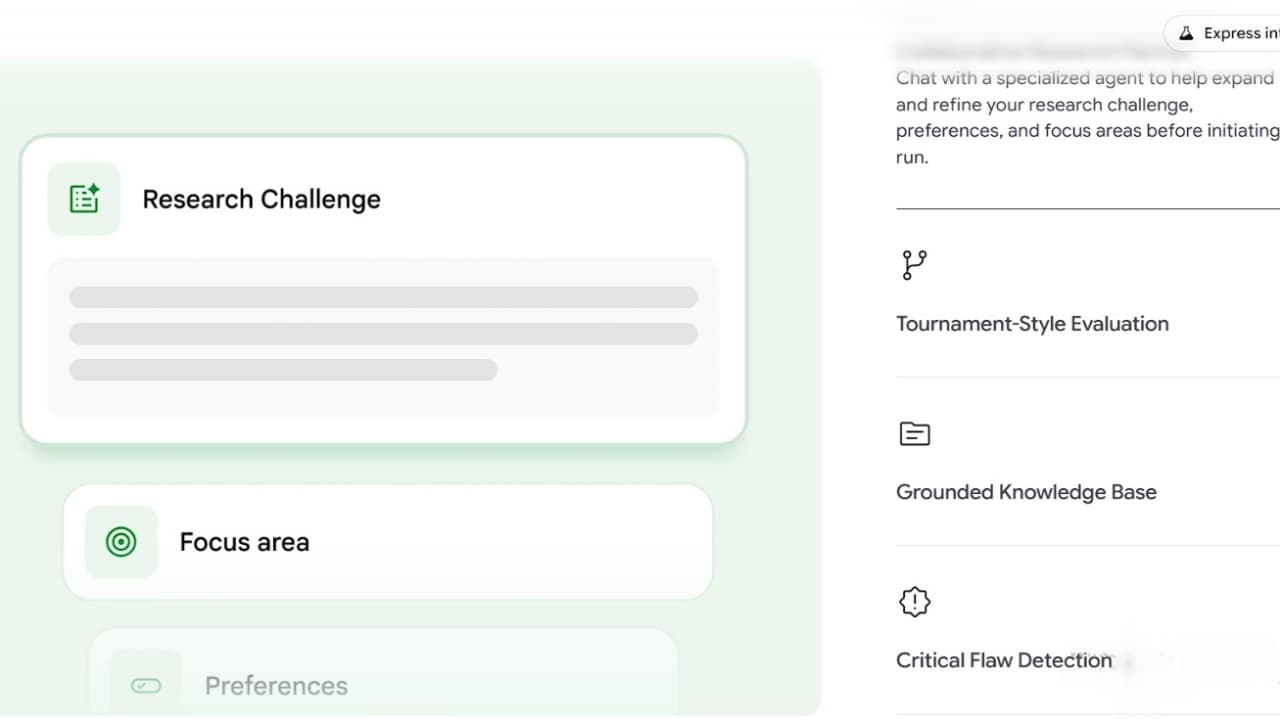
After introducing the user research question to the system, Co-Scientist detects information gaps related to the topic, creates a wide range of hypothesis, and these ideas pass through a competitive screening process. The strong aspects and critical weaknesses of each hypothesis are presented to the researcher with horseshoes connected to verified scientific resources. In this way, only the most promising research aspects stand out.
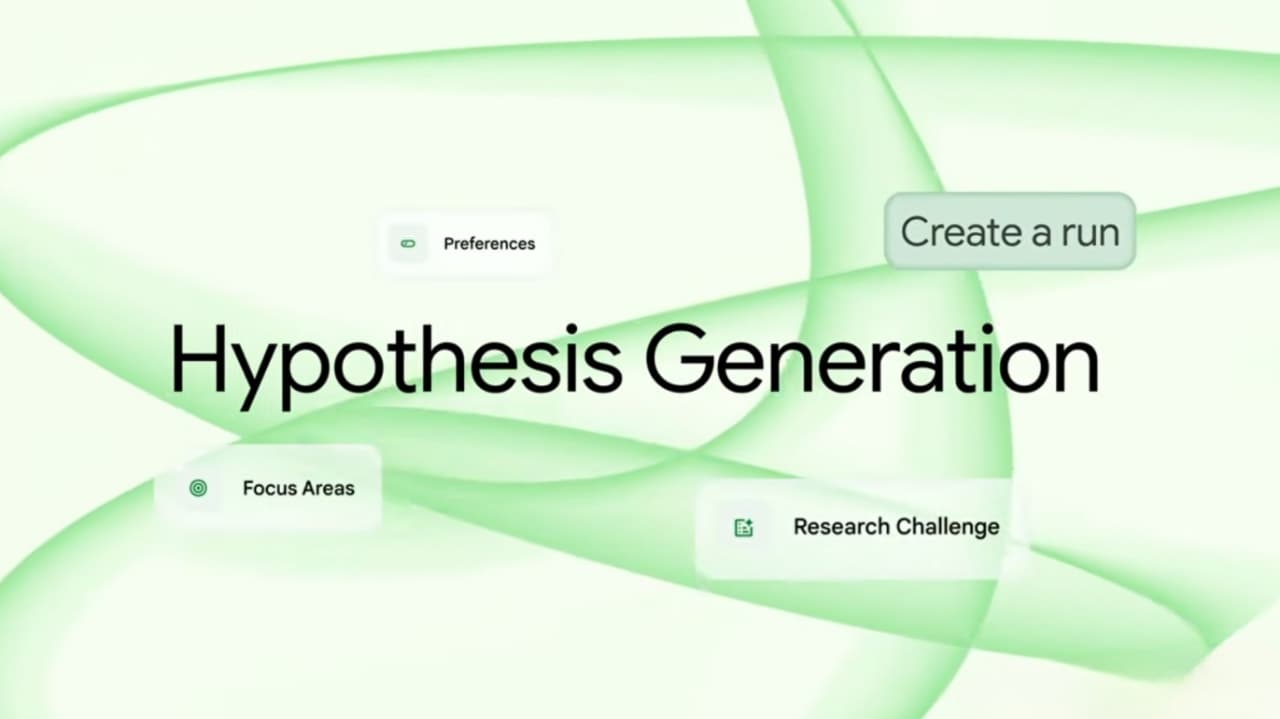
How Does Hypothesis Production System Work?
This tool reveals millions of academic articles, experiment results and connections that researchers can be overlooked by scanning scientific data. The system can create new theories by combining data in different disciplines.
For example, for a researcher working in biology, the system can recommend a previously unnoticed relationship between genetic data and drug interactions. Moreover, it offers it with scientific references not only guess.
According to Google’s descriptions, this structure carries great potential in cancer research and new pharmaceutical exploration processes.
Calculated Discovery: Experiments Now on Computer
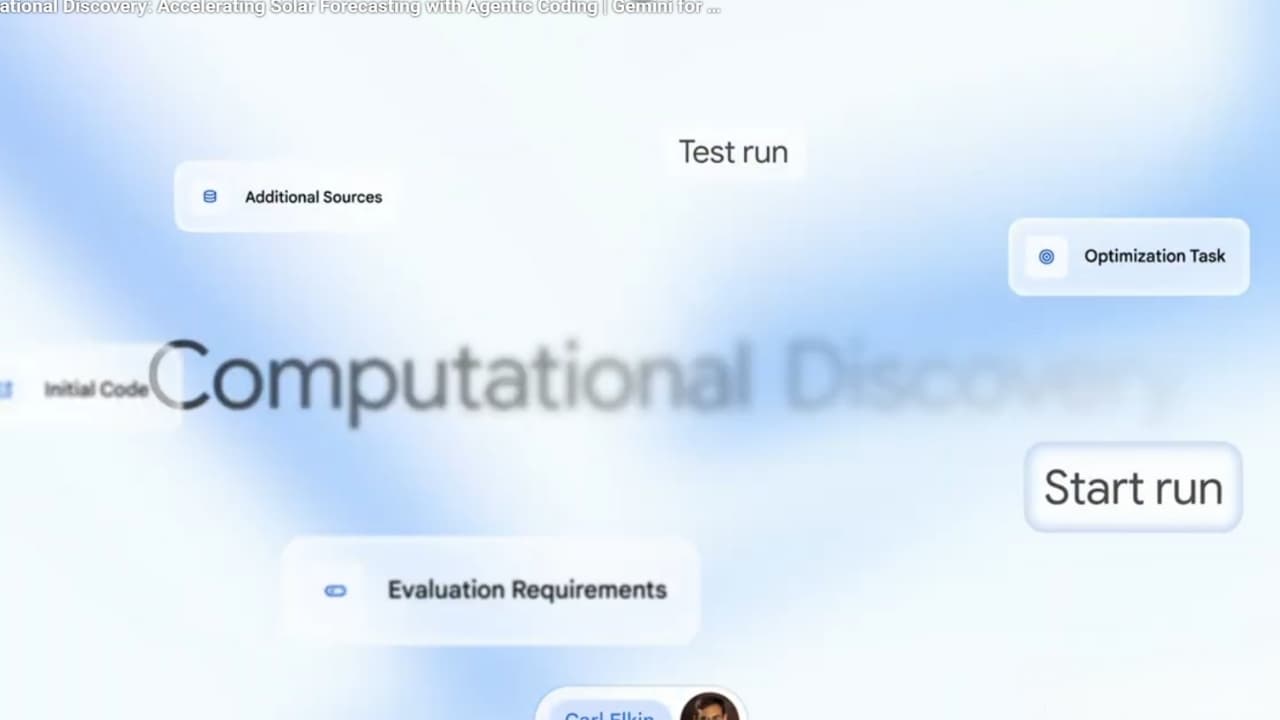
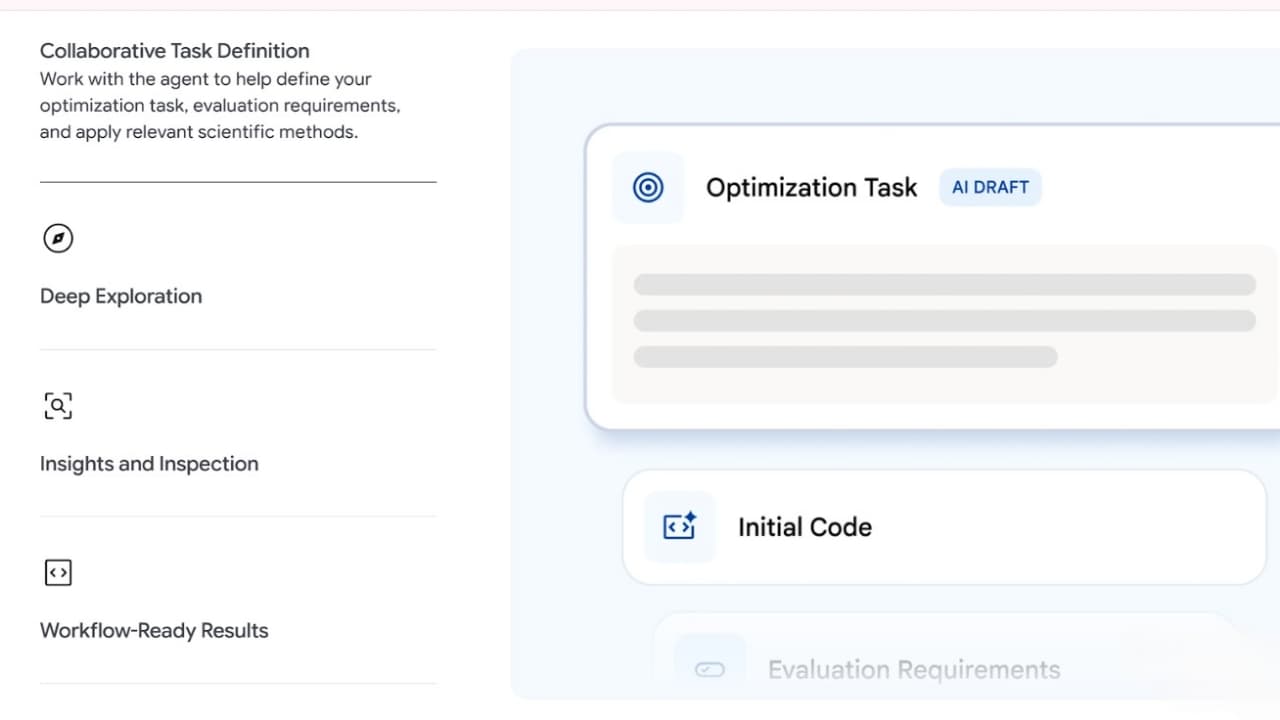
Computational Discovery, a combination of AlphaEvolve and Empirical Research Assistance (ERA) Home works like a research engine. The system produces and points thousands of code variations based on determined optimization metrics.
Solar energy is seen to dramatically accelerate modeling work with traditional methods in areas such as forecast and epidemiology. Moreover, the system offers not only results, but every performance leap by visualizing the researcher, so science can also grasp the logic behind the process.
Literature Analysis: Convert Data to Visuality
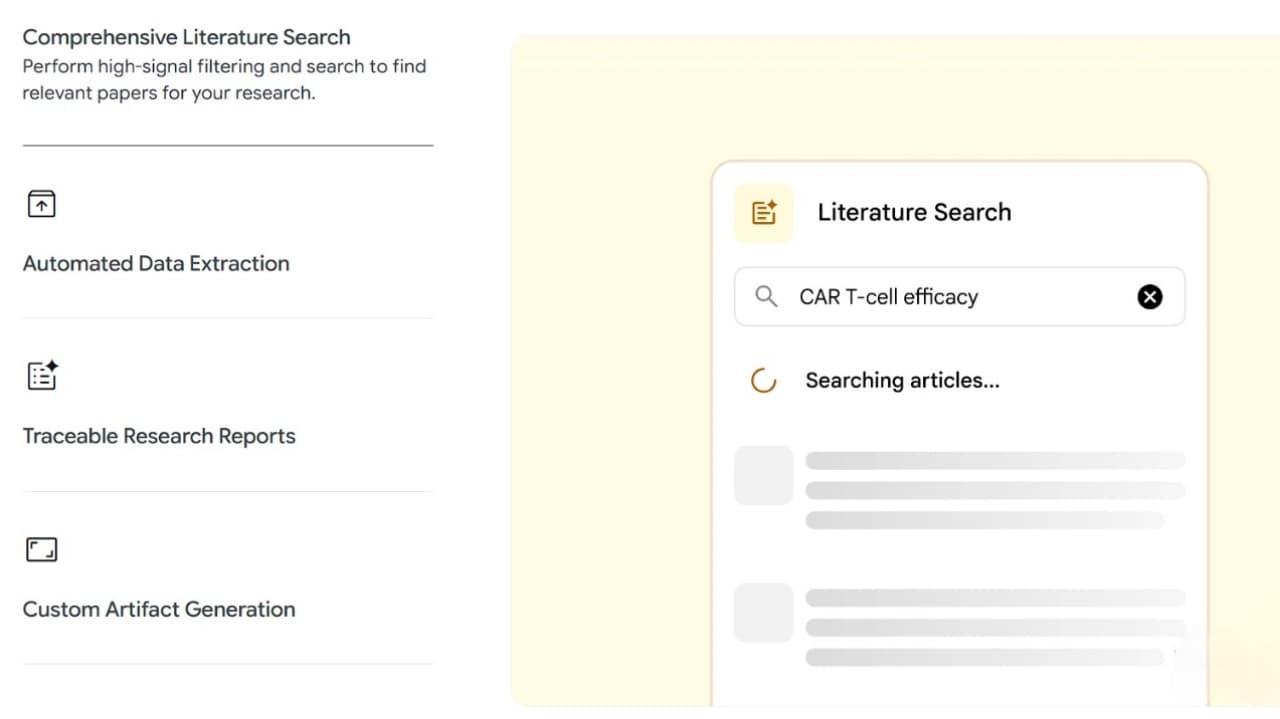
Literature Insights on NotebookLM aims to minimize the time that researchers spend to scan large articles pools. The platform does not find articles related to a comprehensive filtering and searching, creating complex metrics and variables between articles automatically and side-by-side comparable tables.
After deep literature analysis, the system can turn this information into slide presentations, mind maps, voice abstracts. Every claim is supported by clickable skips that provide direct connection to pasaja related to the source text, which ensures that each report is completely traceable.
Multiple Agent Structure: Artificial Intelligence Self Sieving
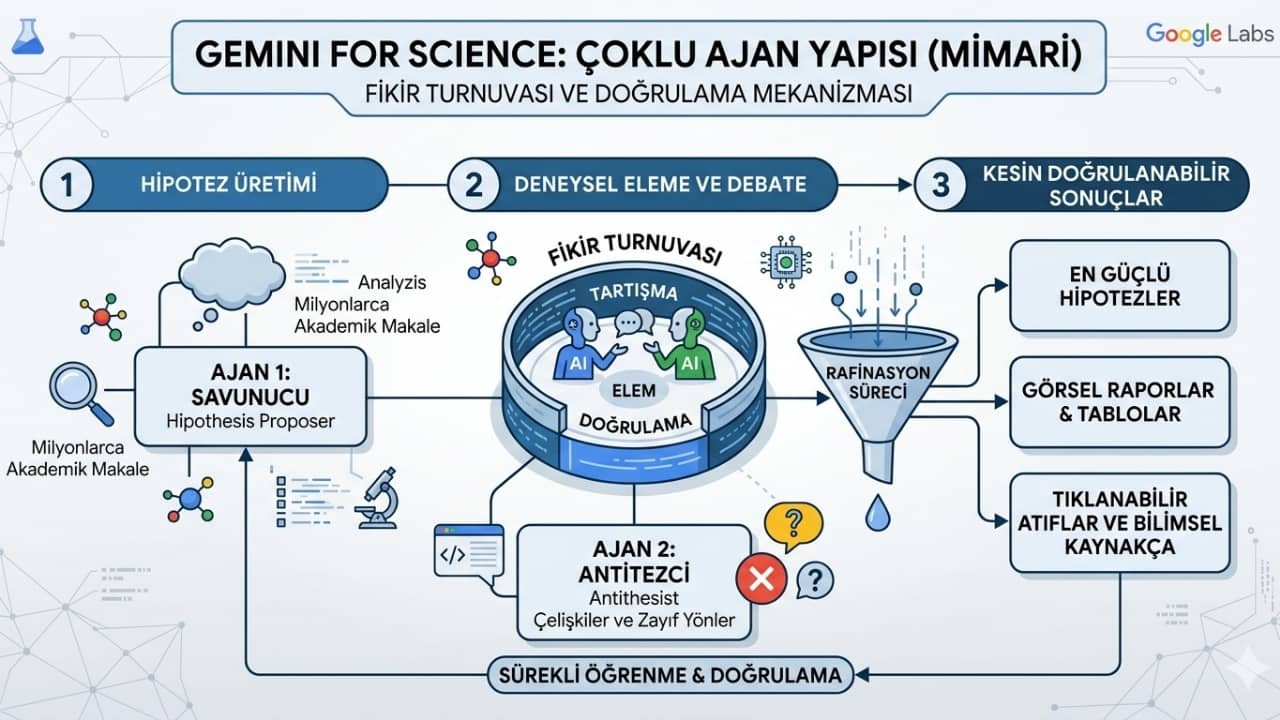
Perhaps the most striking aspect of Gemini for Science, working in the background Multiple Agent architecture. The system rebuilds the brainstorm and peer assessment processes of a researcher in a cyclic competitive form among artificial intelligence agents.
Multi-tasking tournament — how does it work?
1.Front Discovery: A special agent chats with the user to deepen the research question; focus areas and preferences are determined.
2. 2. Wide Hypothesis Production: Multiple agents independently create a wide range of research directions.
3. Tournament Rating: Agents criticize the hypothesis of each other; potential high directions are selected, weak ones are eliminated.
4.Critic Error Detection: The system removes basic limitations and potential breaking points on each hypothesis.
5. Accurate Presentation: Winner hypotheses are presented to the researcher with a horse-based on clickable scientific resources.
The most critical contribution of this architecture is the principle of accuracy. The system supports every claim it produces with verified references. The researcher can see exactly what passage is derived from a hypothesia and the source document, which significantly reduces the concern of artificial intelligence in the black box.
Science Skills and Corporate Applications
Within the scope of Shipni for Science, Google also announced the Science Skills package covering more than 30 life science databases and tools. AlphaFold This package, integrated with huge sources such as Database, AlphaGenome API, UniProt and InterPro, is able to complete business flows in minutes instead of watches such as structural bioinformatic and genomic analysis.
According to the first internal test results Google shared, researchers who use Science Skills discovered potential mechanisms associated with a rare genetic disease associated with EC2 gene mutations. In corporate facade, BASF and Klarna use AlphaEvolve under special preview for supply chain optimization. Daiichi Sankyo, Bayer Crop Science and National laboratories within the Genesis Mission of the US Energy Department have also started to accelerate research processes through Co-Scientist.
Academic Collaborations
The platform also works verification with over 100 academic institutions and scientific conferences:
Home Stanford University
Imperial College London
Home The Francis Crick Institute
Home ICML
· NeurIPS
Home STOC
Is Science Different for Humans?
The scientific research of artificial intelligence is integrated with this denial, accompanied by a significant discussion: how will the role of scientists in the future turn?
Systems such as Shipni for Science are seen as areas where data screening, literature analysis and hypothesis production greatly accelerate processes, but scientific symposium, ethical assessment and creative interpretation are still in the center of human researcher. Because when artificial intelligence produces possibilities through existing data, which is still based on human thinking, deciding which problem is really “sorulting value”.
According to experts, researchers will become strategic coordinators that manage artificial intelligence agents, not only those working alone in the laboratories of the future. This means that classical research culture will turn. Science people are no longer just those who are trying; it will stand out as decision makers that comment the data flow, filter the recommendations of AI and determine ethical limits.
Especially in areas requiring intensive data such as biotech, pharmaceutical development and quantum calculation, “insan + artificial intelligence” business union is expected to be new standard. Google’s Co-Scientist approach also points this future: It’s not going to replace the scientists of artificial intelligence, turning it into a research partner that extends its considerative capacity.

Why Important? Review of Technology Curiosity
The most critical difference that distinguishes shipni for Science from an ordinary artificial intelligence product is to respect the integrity of the scientific method. The vehicle expands its cognitive capacity instead of replacing the researcher. The hypotheses are not random, but are pushed by the tournament method. Each output depends on resources. And the system brings critical weaknesses of the ideas it produces on the same meticulous surface.
Research articles on Co-Scientist and ERA Home Home Magazine published. This is the indicator that Google’s platform offers not only as a product launch, but as a scientific contribution to the real sense of arbitrator.
Precise Accuracy and Clickable Horses
The problem of "halusination" (ancing data) is the largest in the use of artificial intelligence in a field that does not accept errors such as science, is vaccinating with this tournament and strict control mechanism. Gemini for Science adds scientific sources (solids) that can be clicked behind each claim, while offering the most powerful hypotheses that are eipated. The researcher can see in the literature of each sentence and theory that artificial intelligence has to offer, which is based on the peer-reviewed journal. This gives absolute accuracy and transparency to the system.
Google collects more than 30 living science databases (AlphaFold DB, UniProt etc.) as part of this ecosystem Science Skills package Google Antigravity presented on the platform. In early stages tests, unknown mechanisms behind a rare genetic disease led by mutations in the gene of EC2, thanks to this system, they managed to be discovered within hours.
Shipni for Science, which is exciting for technology enthusiasts and science world, proves that artificial intelligence can only be a helper, but also a colleague (Co-Scientist) that pushes the limits of science. This platform, which automates scientific processes, controls and combines with human creativity, looks like that future treatment methods, clean energy technologies and discoveries can look much faster.
WriterAI Reklam Görselleri Güven Sorununu Büyütüyor


Reflex Robotics: Depodan Ev İşlerine Robotik Devrim