Why did Lexus Electric Automobile Plan Cancel?
Automatically translated
 Writer
Toyota signed a radical decision to wrap the electric conversion map of the global automotive sector. The flagship electric model in the luxury segment was announced that the Lexus LF-ZC project was completely canceled. This development means a deeper understanding of the removal of a model from the production band. One of the biggest players in the sector clearly reveals the vision of pure electric vehicle (BEV) focused on the table and shifts the room into hybrid car models with more flexible platforms. This move from a period where waters are heated in the electric car market, the incentives are reduced, and the size of the competition is changed, from the beginning of the Toyota EV strategy.
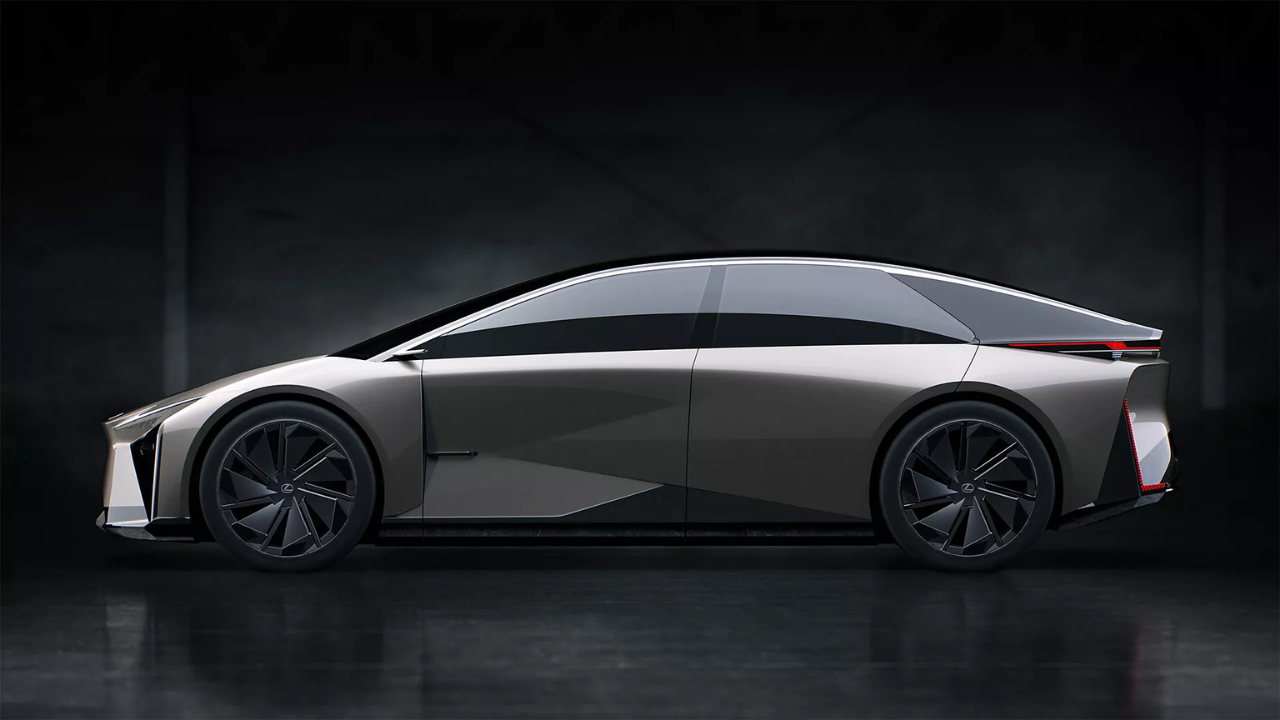
Why did Toyota Stop Lexus LF-ZC Project?
The main reason behind the removal of Lexus LF-ZC project into the shelf is to enter a comprehensive review process covering all vehicle programs of the company. In the automotive world, projects run from the laboratory to the production belt, the current economic facts of the market and consumer demands determine the fate of these investments. Toyota management also decided that maintaining this cost flagship project by analyzing the current orientation of financial sustainability and market.
Lexus was aiming to sell 1 million electric vehicles annually with its new generation electric family starting with LF-ZC and to be a fully electric brand in 2035. But global luxury The growth speed in the EV market remains under the prescribed forecasts, weakening the economic ground behind these big targets. Consumers in the premium segment showed a more cautious posture than expected to switch to full electric models due to their lack of charge infrastructure and high initial purchasing costs. North America market is the center base of the global sales volume of Lexus. The reduction of government incentives for electric vehicles in the US market or completely removal, the premium electric car demand directly baled. With the cutting of incentives, the height of the battery costs was directly reflected in the consumer, and this situation makes it impossible to price competitive in a flagship model such as LF-ZC.
What was Lexus LF-ZC, Why Is It Important?
Lexus LF-ZC (Lexus Future Zero-emission Catalyst) was the showcase of new generation production technologies and battery vision developed to challenge EV leaders, not only a stylish sedan concept, Toyota’s Tesla. The vehicle was a manifesto nature that determines the electrical future design language and engineering limits of the brand.
In 2023, LF-ZC, aerodynamic lines, rather low friction coefficient and great excitement with digital cockpit technologies. The industry analysts predicted that this model will combine the traditional luxury perception of Lexus with a futuristic technology base. The aggressive posture and large internal volume brought by design was considered one of the most successful examples of architectural freedom that electrical platforms offer.
The key element of LF-ZC project was the production revolution under the hood. With this model of Toyota, Tesla is planning to activate the "gigacasting" technology that radically deducts production costs by pouring huge body parts at one time; in factories, your drive aimed to install autonomous assembly lines. Furthermore, the solid-state battery technology that will completely eliminate range concerns was expected to be commercialized with this tool for the first time. The cancellation of the project means that these advanced production techniques are suspended at least in this model special.
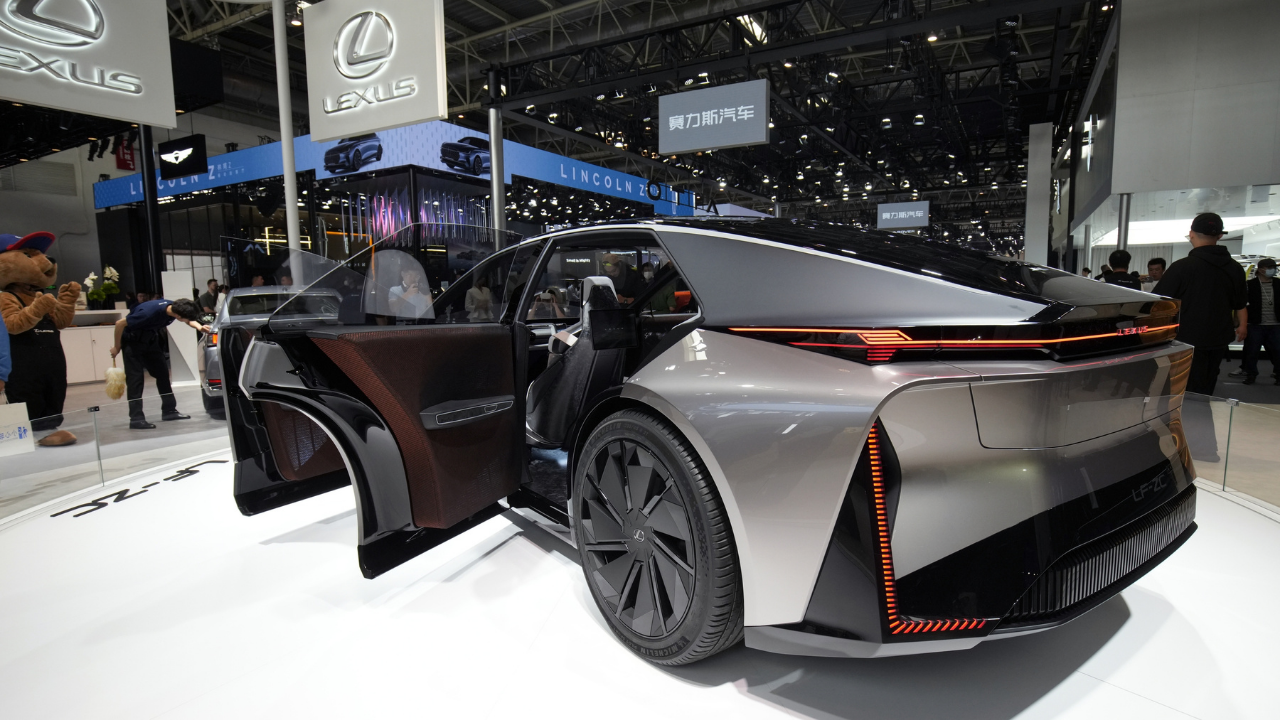
How Does LF-ZC Cancellation Change Toyota EV Strategy?
This cancellation move, Toyota does not mean it is completely withdrawn from the electric vehicle market. The company insists that the connectedness of the battery-feeded electric vehicles (BEV). However, the main change lives on where and how to invest. Toyota is switching to a flexible strategy that provides higher risk management and cost optimization, rather than developing $ billion private platforms with huge budgets for pure electric vehicles.
Hybrid weight model instead of “full electric”
In the new era, Toyota also sharpens the philosophy of putting eggs into a single basket. Instead of focusing on vehicle lines that work only with battery, the hybrid and rechargeable hybrid (PHEV) models with the main locomotive of the market are weighted. Instead of a niche and luxury pure electric flagship such as LF-ZC, hybrid technologies that cater to wider audiences and provide hot cash flow to the company began to take lion share from R&D budgets.
Multi-platform approach
The biggest strategy change in Toyota’s engineering wing is "dedicated" that was only away from private architectures to EV. The company is focused on flexible, multi-power unit (multi-powertrain) supported platforms, which can be both hybrid and full electric vehicle from the same production line. In this way, if the market returns to the electricity completely tomorrow or remains the grave in the hybrid, factories can respond instantly to the demand of the market without folding large structural conversion costs.

Why Is Toyota On Hybrid Car Side That Much?
Akio Toyoda’s approach to "multiway" (Multi-Pathway) that has been interpreted as "powerful way" by the global automotive press, which has been expressed for many years, seems to have justified Toyota in today’s market facts. The company continues to defend that the way to neutralize carbon is not only pure electricity, as long as the energy infrastructure in the world is heterogeneous, hybrid car models are the most realistic solution.
According to Toyota, with rare elements and battery raw material required to produce a single pure electric vehicle, dozens of hybrid vehicles can be produced. In this way, the total carbon emission in roads can be reduced much faster and effectively. The fact that the charging infrastructure is not yet insufficient in the countryside regions of the world, even in a large part of the world, Toyota's "substructure is the hybrid best pass bridge until ready."
Why are hybrid sales still strong?
Consumers work in front of Toyota. The range loss of full electric vehicles leads to the hybrid technology that they know and trust users, in winter, battery performance declines and value in the second hand market. Although Toyota and Lexus brands are globally pure EV sales in the past fiscal year by increasing 31%, this figure creates only 1.8% of total global sales. On the back of the remaining huge volume, there are hybrid sales that break record. While consumer demand has been shifted to this hybrid, billions of dollars were seen only as a financial risk to embed their EV platforms.
Is There Slowing In Electric Car Demand?
Esen hard EV wind for the last few years in the automotive industry left its place more cautious and realistic breint. The demand in the sector is no longer an estimate, but a concrete data that causes manufacturers to slow production belts.
In the European market, especially in Germany, the giants entered a serious pause period of the market with suddenly cutting EV incentives. Early-conceptions (early adopters) called technology enthusiasts and budget-restricted mass already received electric tool. When the main current comes to the consumer, high price labels and charging stress (researchrange) created the effect of toning on the wall. In the US, similarly, the trustlessness and increased credit interests of charging networks, consumers were removed from electric vehicle dealers and led to re internal combustion and hybrid options.
Lexus’s LF-ZC decision was broken directly into the premium segment. Although consumers who have a luxury vehicle are open to the technology, they do not want to lose time in long travels or deal with software issues of the vehicle. Even giants such as Porsche, Mercedes-Benz and Audi, Porsche has made sense to revise their premium EV targets down, or to postpone electrical model plans, Lexus also pushes the brake at an early stage.
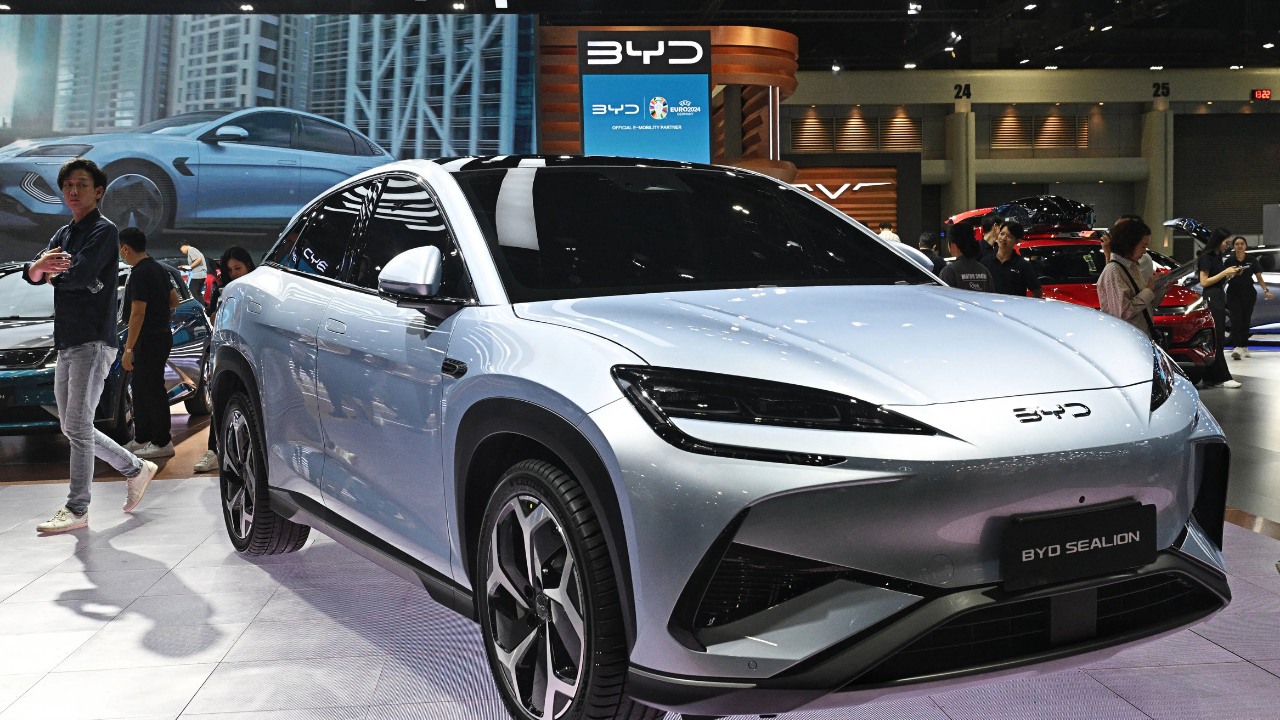
Did Chinese Brands Affect the Rise Toyota?
The aggressive EV taarruzu, which started with brands such as BYD, Geely and Xiaomi in China, lowered all plans of built-in global automotive giants. Behind the strategy change of Toyota, the Chinese producers are created with this new ecosystem, the challenge to compete with existing cost structures.
BYD and new competitive balance
Chinese manufacturers have completed vertical integration from battery raw material to software. In this way, an electric tool produced by supplying parts from the side industry of European and Japanese manufacturers can deliver to the market with almost half price and much more advanced multimedia/software features. Toyota saw that BYD will finish profitability in the long term of standing by doing only high R&D spending in pure electric market against this price and speed advantage.
Price printing and profitability problem Home
The brutal price battles experienced in the global EV market have approached the profit margins derived from the manufacturers’ vehicle to zero, even led many brands to damage. Toyota is a historically high profitability and efficiency-oriented company. If the market share at the expense of loss is not entered into the capping race, offering high profit margin and maintaining the hybrid segment, the market leader and consolidating the domination here is considered a more rational trading strategy.
Is Lexus Electric Automobile Vision Fully Racked?
The cancellation of the LF-ZC project does not mean that the Lexus logo electric vehicles are history. The company intends to maintain its presence in the market more optimized and risk with reduced models.
RZ, ES EV and ongoing projects
Lexus continues to sell and develop full electric models such as RZ, which is already in the market. The popular sedan model of the brand also works in the new generation of ES in the direction of offering fully electric versions (ES 350e and ES 500e). So Lexus creates a safer pass corridor by electricitying existing models families, which are already high market share, the consumer knows and trusted, rather than producing futuristic flagships from scratch.
Where to use the remaining technologies from LF-ZC?
Developed for the LF-ZC project and billions of yen spent technologies will not go garbage. In this process, the Gigacasting experience obtained in the production of new generation more efficient engine blocks and the future hybrid/EV models will be used in chassis architectures. The Arene operating system and advanced driving support software developed for the same tool will be integrated into the new generation Toyota and Lexus models that we will see in the next period. So, LF-ZC was born as a serial production tool, a technology laboratory that nourishes other models of the brand was undertaken.
What Does Toyota’s New Multi Power Unit Strategy Come?
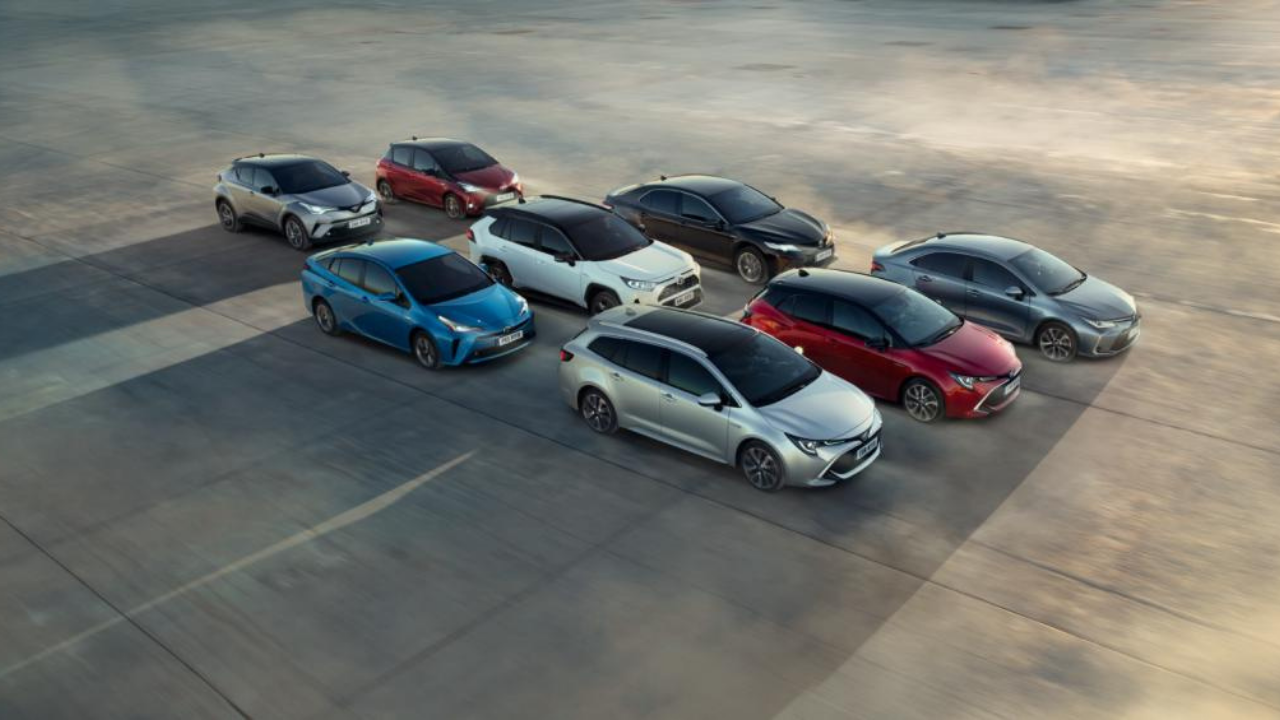
Toyota is located in the center of the new era road map "Multi Power Unit Strategy" (Multi-Powertrain Strategy). This strategy aims to maximize the flexibility in a period of uncertainty in the automotive industry.
Hybrid, PHEV and EV approach on one platform
Toyota architectures of the future are designed in modular flexibility that can accommodate both a large EV battery and a hybrid engine and fuel tank. When a model is designed, the engine type can be selected depending on which area of the model will be sold in the world. For example, while the full electric unit is installed on the same chassis for Western Europe, where charging infrastructure is advanced, hybrid motor will be integrated to the same body bottom structure for markets such as Turkey or South America. This means a tremendous standardization and cost savings in production lines.
Risk distribution and cost control
The biggest driver for automotive companies is that a billions of dollars deposited technology is rejected by the market. Toyota completely distributes this risk with multiple power units approach. If global governments increase EV printing, the company can grow gear to EV production; if the market remains loyal to hybrid, it will continue to manufacture in the field where it is already leading. This flexibility protects the financial health of the company, allowing competitors to stay away from the billion dollar EV damage balance sheets.
What is the Importance of This Decision For Turkey Market?
The decision of staying loyal to the hybrid in the electric strategy of Toyota and transition to flexible platforms is covered with the dynamics of the automotive market in Turkey. Turkey is a market with its own dynamics from the taxation system to the charging infrastructure and this move of Toyota can reinforce the power of the brand in the local market.
The frequent change of ÖTV matrah limits applied to full electric vehicles in Turkey and quickly enter the upper tax slices of high monotanous vehicles, narrowing the premium electric vehicle market. In turn, Toyota’s hybrid models in Turkey have accepted much faster by Turkish consumer in terms of both fuel economy and ease of use. The advantage of the fuel in-urban dur-kalk traffic and not bring an additional charge cost/availability, hybrid car models make the most logical and economical transition formula in Turkey’s facts.
Charge Infrastructure and Consumer Conduct
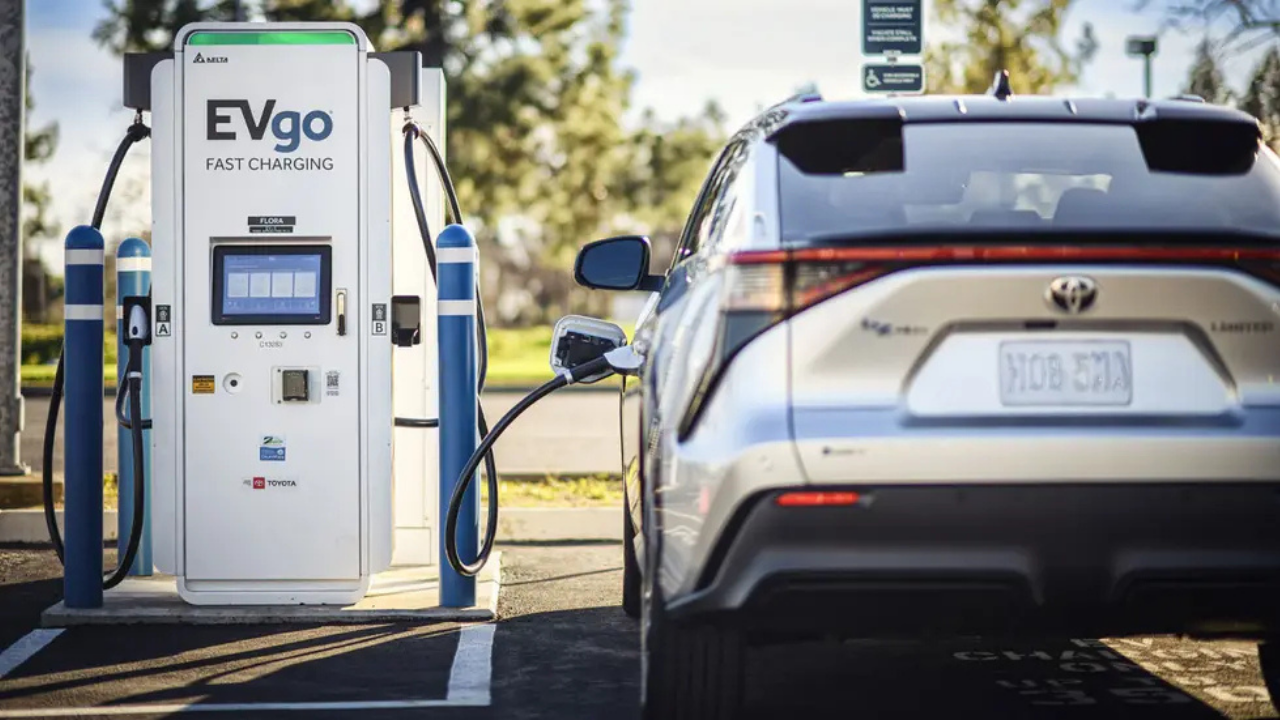
Although the number of charging stations in interurban roads in Turkey increases rapidly, multi-storey apartment life in large cities makes it difficult for consumers to install individual charging stations in their homes. In the street, there is no need to wait to charge the vehicle in the mall or station, hybrid motors for the Turkish consumer that is not yet ready to break from traditional driving habits. Toyota’s full electrics instead invest in hybrid engine development and flexible platforms, offering a strategic advantage to protect market share in Turkey and even increase.
Is Toyota’s EV Hamlesi Bitti, Just Changes?
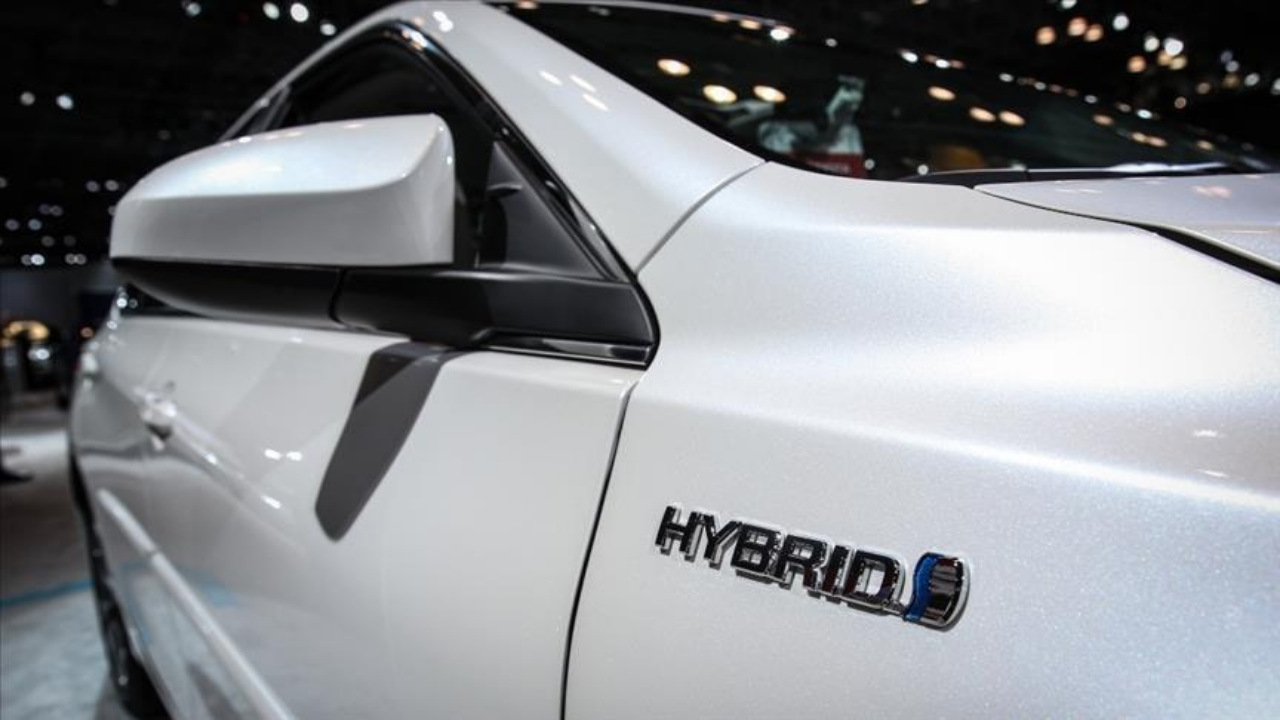
From the out of the outside "Lexus LF-ZC has been canceled, although shallow comments such as Toyota electric abandoned", the situation in the interior consists of a completely evolution and survival strategy. Toyota does not want to miss the electric vehicle train; it only adjusts the speed of the train and the sequence of wagons according to the actual rhythm of the market. The company predicts that the market is completely more than 10-15 years due to the current energy crisis and infrastructure failures in the world without entering the BEV (Batarian Electric Vehicle). Instead of investing in electricity completely in this process and drying cash flow, today’s winning hybrids are funded by semi-solid-battery electrical technologies.
Frequently Asked Questions (FAQ)
Why did Lexus LF-ZC project completely cancelled?
As a result of the global review covering all the vehicle programs of Toyota, the demand in the luxury EV segment has been slowed down and cancelled due to the removal of government incentives in large markets such as the US.
What will happen to giga and solid-state battery technologies developed for LF-ZC?
These technologies will not go to garbage. The engineering gains obtained in the project process will be used in the infrastructure of the new generation hybrid and electric models, which are produced by gigacasting production experience and solid-state battery R&D studies, Toyota and Lexus in the coming period.
What is the reason for Toyota’s hybrid car insist?
Toyota is yet insufficient for the full electric vehicles of global charging infrastructure and defends that hybrids are the most realistic and profitable solution in reducing both carbon emissions and adapting to consumer habits.
WriterFlowX Summit Agentic AI Çağında Yeni İş Gücünü Konuşuyor


AI Sinema Tartışması Tribeca’da Alevlendi