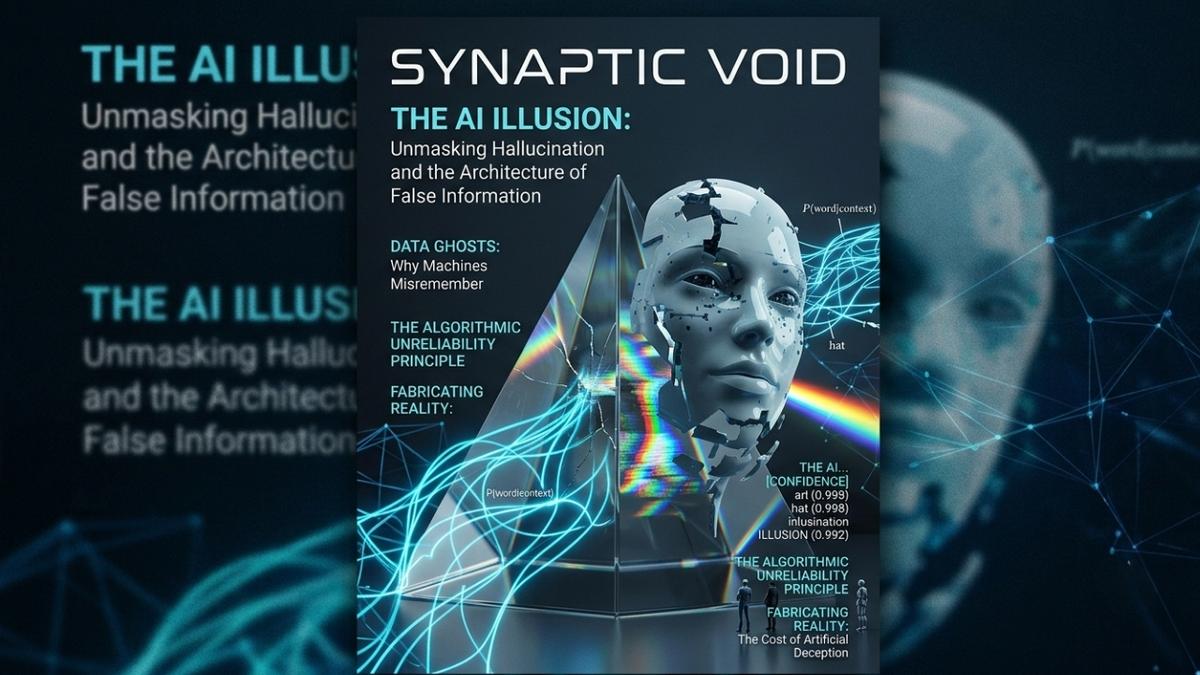
Why Does Artificial Intelligence Know Wrong Information?
Automatically translated
 Writer
In research with large language models (LLM), responses offered in workflows or daily learning processes can be seen highly competent, fluent and persuasive. However, when the text given is examined in detail; a academic study shown in the source may arise that the court decision or historical event is completely fictional.
This situation brings a critical question to users’ mind: Does AI make mistakes, is artificial intelligence reliable?

Artificial intelligence tools are not a combination of accuracy control mechanism or a classic search engine. Knowing the working principles behind these systems makes it easier to answer the question of what is artificial intelligence hallucination and pass the outputs produced from the right strainers.
What is Artificial Intelligence?
Artificial intelligence hallucination in technology literature; it is the condition that a artificial intelligence model does not exist in reality, logically basic or verbally incorrect information is extremely confident, consistent and fluently realized with a narration.
Unlike the sanities in human psychology, the process herein is not a conscious illusion or intentional deception. The model completely breaks from the caseual reality while mathematically constructs the most logical word array.
IBM’s artificial intelligence hallucinations analysis Home in the framework; these models can not distinguish the wrong with the right as in the human mind. Systems only calculate what satellites to the images of educational data (patterns) and fill the gaps through the "confabulation" (mirror) when they encounter the information gap. For example, in the case of a lawyer prepared using ChatGPT in the U.S. in 2023, the model has been identified that the non-existent insights, file numbers and fake judgmental decisions are not realized. Since the model imperfectly imitates the structure of real law texts, the fake text appeared at first glance was not distinguished.
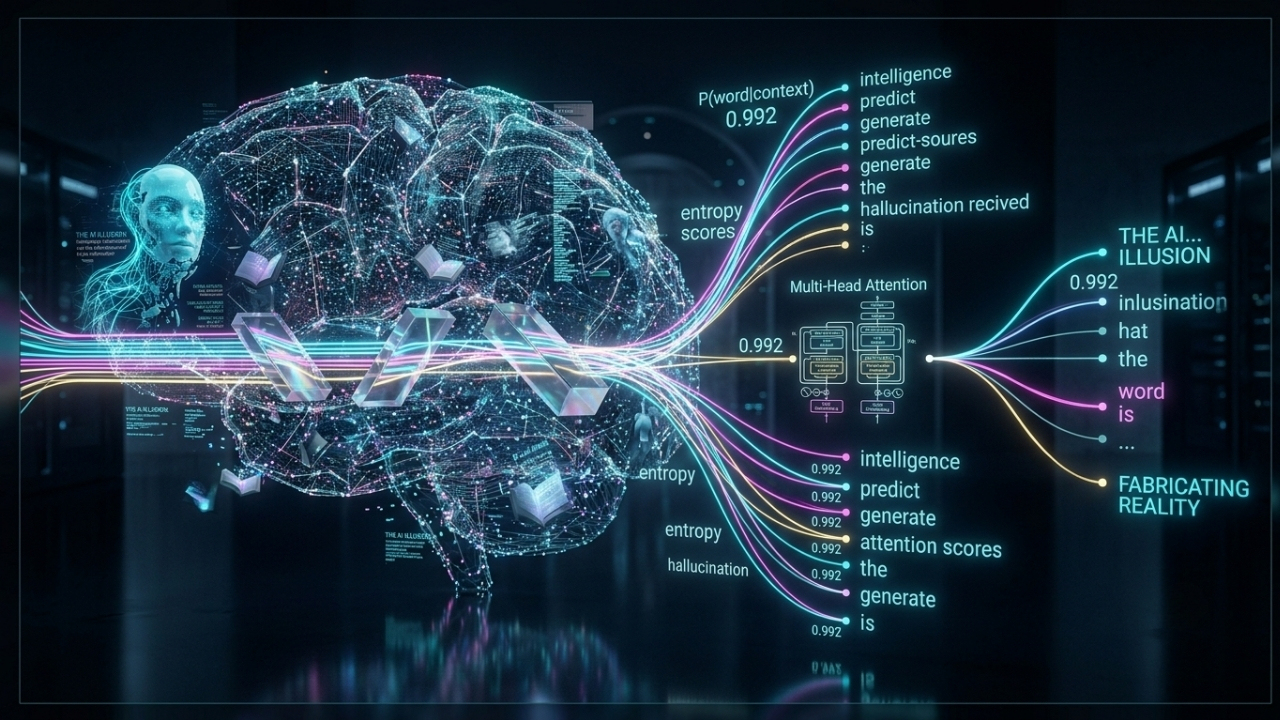
Difference Between Artificial Intelligence and Ordinary Error
Any incorrect response to artificial intelligence is not evaluated in the hallucination category. An old population of a model is within the scope of the "short error" to give the information of the language in the translation or to be reflected in a technical calculation. Ordinary errors can mostly be followed and corrected through a missing data or transaction rule in the educational set.
Halusination is that despite the fact that there is no real data on the floor of the model and it delivers it with a precise reality tone. This makes the detection of hallucinations much harder than ordinary errors.
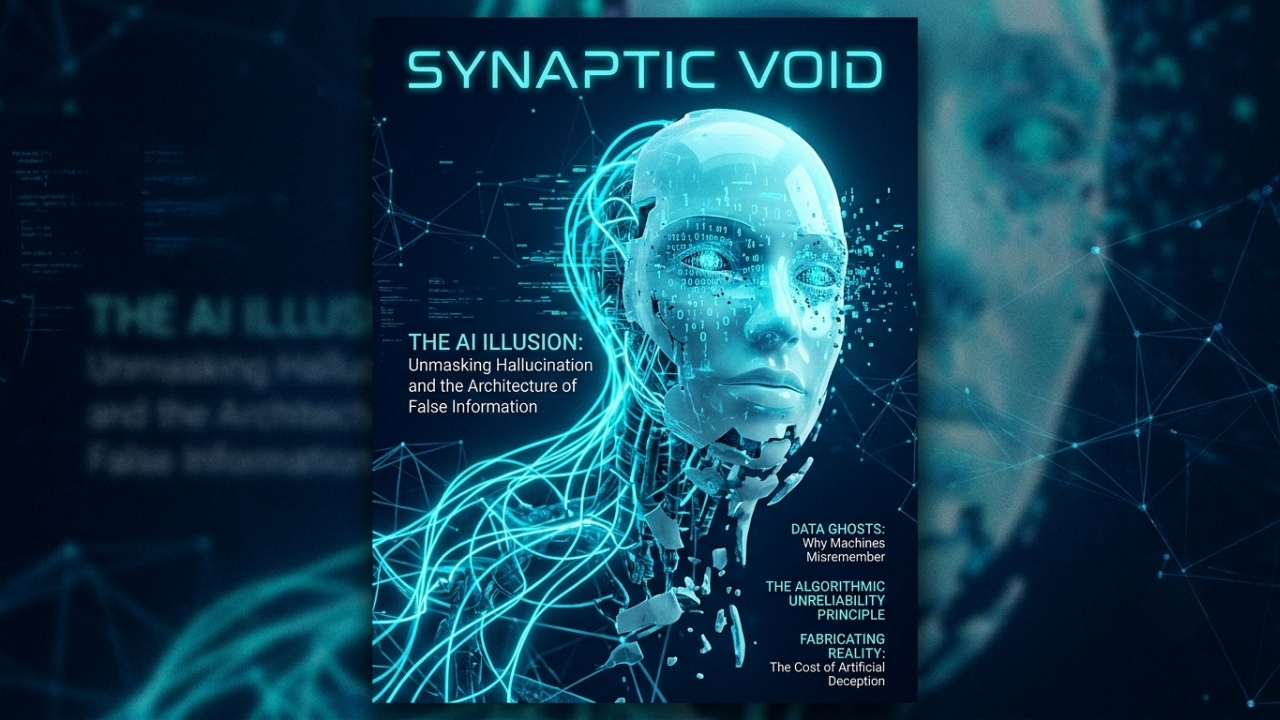
Why Does Artificial Intelligence Know Wrong Information?
First of all, in order to understand that artificial intelligence produces false outputs Basics and development process of artificial intelligence technology You need to know about. When the models are basically understood that there is a one-data processing and probability calculation architecture, the logic of error shares is also clear:
1. Statistical Forecast and Possible Manik
Large language models work with the principle of predicting the next word (token). Model, "This is the most likely to come to what word in statistically after expression?" focuses on answering the question. The factual accuracy of the priority sentence for the model is not the language structure and in terms of meaningal nucleus. With logic execution, statistical probability occurs when roofing.
2. 2. Perfect, Unstable or Over Satelliteed (Overfitting) Training Data
Models are trained by scanning open resources, articles and digital texts in the internet environment. The wrong information contained in the educational pool is adopted as general rules by the model of prejudices or contradictory statements. In addition to this, when the model adapts to the education data (overfitting) loses the ability to generalize and establish incorrect connections by ruleless correlations.
3. Provide Overcoming Compliance to User Inputs
When producing models are optimized to provide uninterrupted response to the user’s command (prompt). Instead of mentioning that most often doesn’t know, the user will answer by accepting the accuracy of the problem asked. For example, when a basic or fictional question is directed, instead of rejecting the model question, writes a fictional scenario that fits the assumption of the problem.
4. Safety Outdoors and Bad Purpose Manipulations (Prompt Injection)
Artificial intelligence produces false or misleading information is not always due to the lack of education of the model. The manipulations made out of the outside can also trigger hallucination. With enemy attack techniques such as "Prompt" injection, the safety layers of the model can be manipulated and ensure that the system produces completely fictional, guided or harmful outputs. To understand the fragility and defense mechanisms against such interventions of artificial intelligence systems What is AI security and can hack should be addressed in a comprehensive way. Security filters quickly disappear the consistency of information in models that are deleted or manipulated.
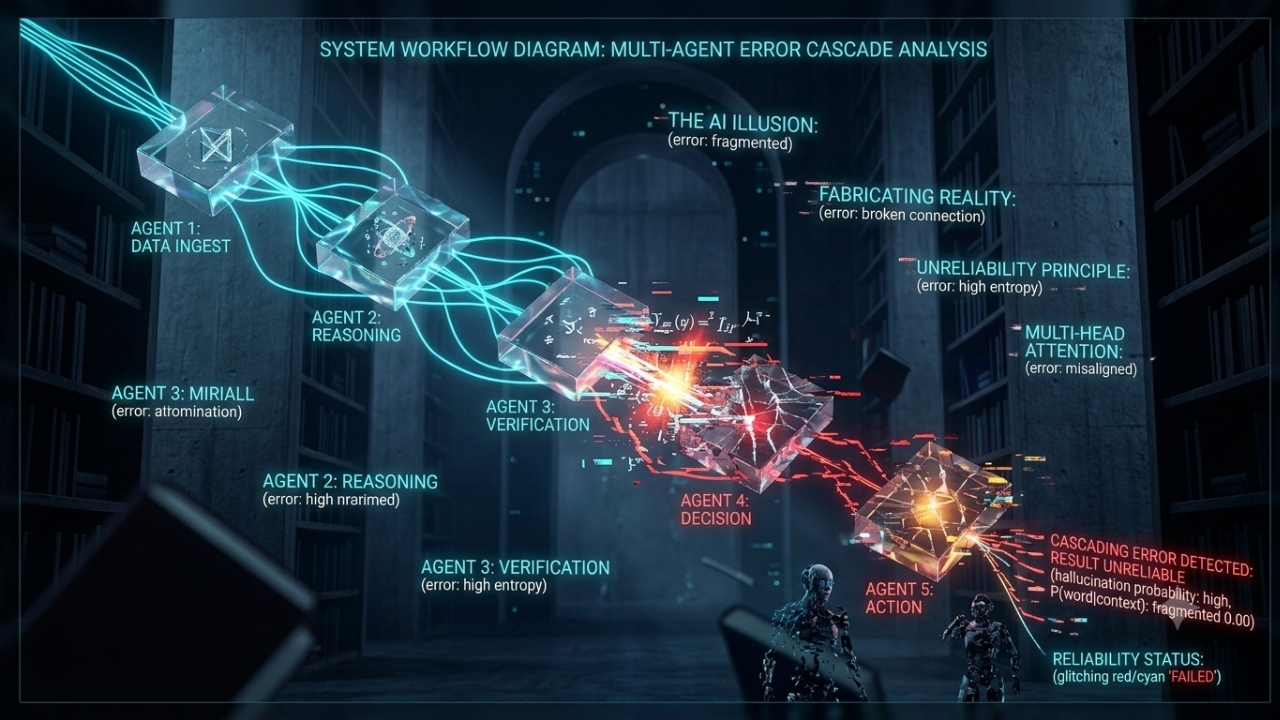
5. Growth of Errors in Multiple Agent Systems (Cascading Hallucinations)
Today, autonom artificial intelligence agents work together in chaining workflows. A single hallucination produced by the first agent is considered a fact verified by the next agents and is included in the decision processes, it is growing by adding operational and legal risks.
ChatGPT Error Dos, Is Daily Life Reliable?
All productive artificial intelligence systems such as ChatGPT and so on can be error regularly.
Text editing is highly efficient in areas such as idea development, code templates creation, language translation and summary of basic concepts. But it is important to know how the technical settings such as temperature (temperature) or ball p to improve the output quality of the system and control randomity. Advanced script structures applied to increase the consistency of respondents received from the model and to control dies that fall again ChatGPT hidden codes and parameters Home can be accessed via.
In these areas requiring direct decision-making mechanism, artificial intelligence outputs should be evaluated as a final source:
Medicine and Health: The risk of producing false or speculative information on dosage, symptoms and diagnosis is high.
Law: We can produce non-occlusion legislations or fake insights.
Academic Studies: Non-existing welders, fitting writers and fake DOI numbers are the most common types of hallucination.
Finance: It can make misleadings through unaffirmed market and company data.

Methods to Reduce Halusination Risk
It can be minimized with the right usage techniques if it is not possible to completely reset the error share of artificial intelligence. Approaches such as role identification, step-by-step thinking and context limitation in minimizing the risk of inhalation, basic prompt engineering techniques Home directly associated with.
Strategy | Purpose | Sample Command Approach |
|---|---|---|
Role and Frame Determination | The speculation area is narrow. | " Reply in the framework of the corrected resmî legislation. " |
Report Unknown Instruction | Prevents fitting reflex. | "If you're not sure that you're not sure to make prediction, specify. " |
Welding Review and Contexture | Clears database limits. |
"Adhering to the text in the text, answer the questions about it. "
Step Mental Execution
Increases logic consistency.
"With the steps you follow before you arrive at the moment. "
Can You Fix The Halusination Problem?
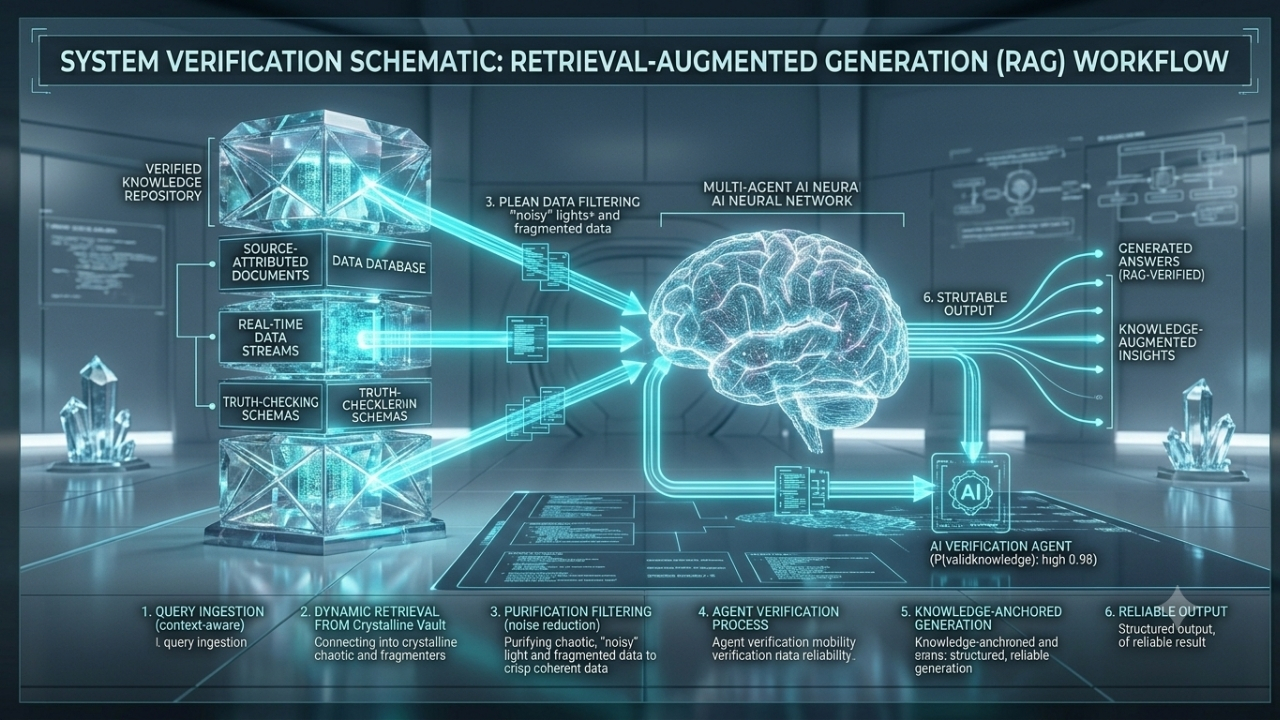
In order to improve the reliability of artificial intelligence models and to minimize the risk of hallucination, intensive R&D studies are carried out in both academic world and technology companies. Today, the most common and functional architectural solution in this area stands out as RAG (Retrieval-Augmented Generation / Repurified Production). The language model in RAG method is applied to reliable external information sources, such as direct linking the waist to the potential matches in their closed parametric memory; query instant company databases, up-to-date web directories or verified resmî documents. After withdrawing the relevant raw data from these sources, it configures the response by activating its advanced language synthesis ability. Thus, the "filling space" reflex of the model is largely controlled, and the information is placed on a verified basis.
In addition to RAG architecture, the new generation of educational techniques, which are transparent about models’ logic (reasoning) steps, the feedback-consolidation learning (RLHF - Reinforcement Learning from Human Feedback) and the automatic accuracy filters that the artificial intelligence supervisors are activated gradually increase their accuracy rates. In addition, the mechanisms of self-production (self-correction) that models test their internal logic before generating the answer are integrated into the system.
Despite all these technological advances, the existing large language models are basically based on the prediction of a semantic "aning" or "coaching"; the statistical token (kelime/hece) on huge data sets. In these possible motors that work mathematically, zero error or absolute accuracy guarantee is theoretically not possible. The new methods developed are not reset the hallucination rate; only it can be detected, limited and pulls into a manageable partner.
Artificial intelligence systems should be positioned as supportive assistants, not as an absolute information authority or the correct mechanism; speeding complex work, but always required to be taken from human filter (human-in-the-loop) and critical thought filter.
WriterGemini Ücretli mi? Ücretsiz Sürüm ve Tüm Planlar (2026)


KVKK ve Yapay Zeka: Şirketler Ne Yapmalı?