



Why Are Microsoft's AI Data Centers Controversial?
Automatically translated
 Writer
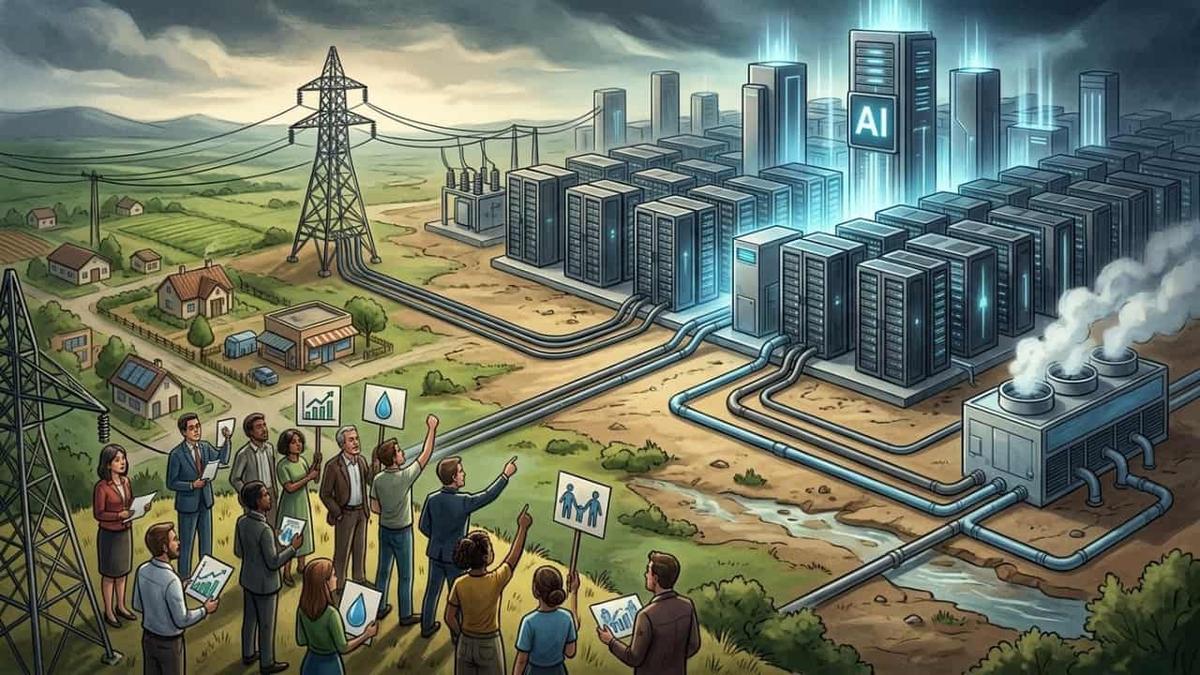
As the AI revolution continues to accelerate, the massive digital infrastructures that power this technology are also springing up across the planet like mushrooms. The enormous computing power required to train and run AI models has driven global tech giants to rapidly increase their investments in AI data centers at an unprecedented pace. However, this development represents not only a technological and software breakthrough but also a serious competition for physical resources.
Massive facilities built by industry leaders such as Microsoft are increasingly coming under scrutiny from local communities, environmental activists, and economic experts. When the company's promises of "neighbor-friendly" and "community-focused AI infrastructure" are compared with what is happening on the ground, serious contradictions emerge.
The Gap Between Microsoft's "Community-Focused" Promises and Reality
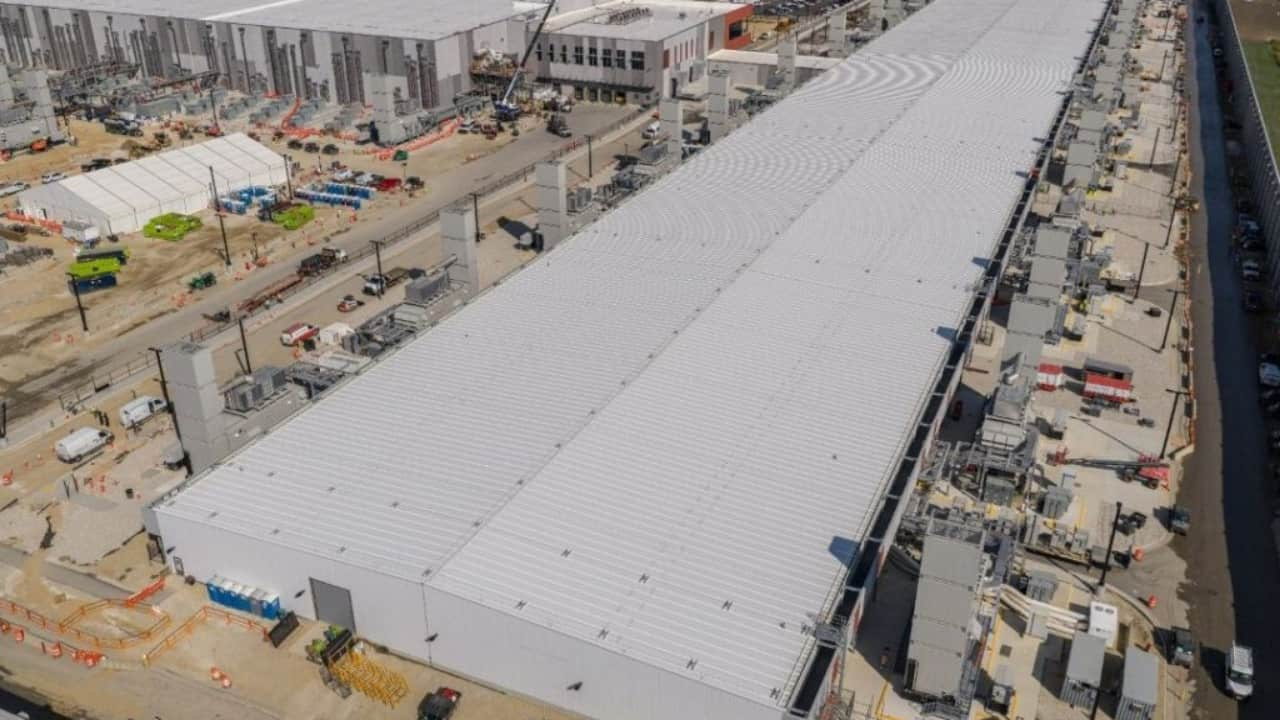
Microsoft recently announced a vision for its data centers that emphasized being "neighbor-friendly" and prioritizing local residents, aiming to ease public opposition. The five-point action plan outlined by company management included ambitious commitments, ranging from guaranteeing that data centers would not increase local electricity prices to creating jobs for residents and investing in local non-governmental organizations (NGOs). Microsoft even announced that it would send representatives to towns hosting its data centers to listen to the concerns of local communities.
However, the reality has turned out to be quite different from what was expected. For example, the We Make Indiana coalition, organized around the massive data center being built on 900 acres in the South Bend area of Indiana, USA, says Microsoft's elaborate promises have not translated into meaningful action on the ground. In this region, where more than 20% of the population lives below the poverty line, residents are calling for better healthcare, public services, and infrastructure support. Meanwhile, Microsoft's representatives have reportedly ignored concrete calls for collaboration from local communities and activists and shut down communication channels.
What Did We Make Indiana Want?
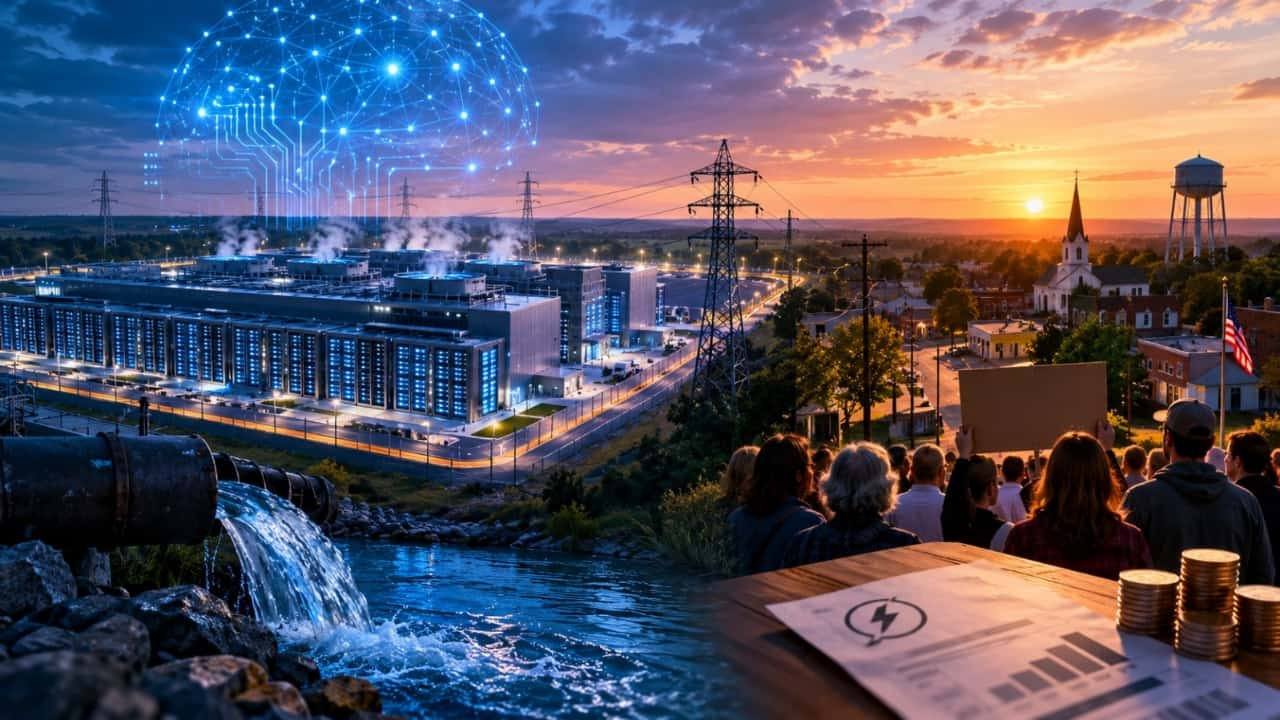
We Make Indiana is a 25-member coalition spanning interfaith groups, law enforcement associations, mental health organizations, and other civil society organizations. More than 20% of the city's population lives below the federal poverty line. The coalition requested a small share of the revenue generated by the company's nearby 900-acre (900 acre) data center, amounting to just one percent. According to the report, this share would have translated into $30 to $40 million in annual funding for local services.
The Answer: Silence
The company's local representatives did not respond to this proposal. The deeper problem, however, was structural rather than a matter of individual attitudes. Representatives were only authorized to make one-time donations to nonprofit organizations from a total pool of $1 million. They had no authority to allocate funding to public programs or public-private partnerships.
Data Center Energy Consumption and Environmental Resource Pressure
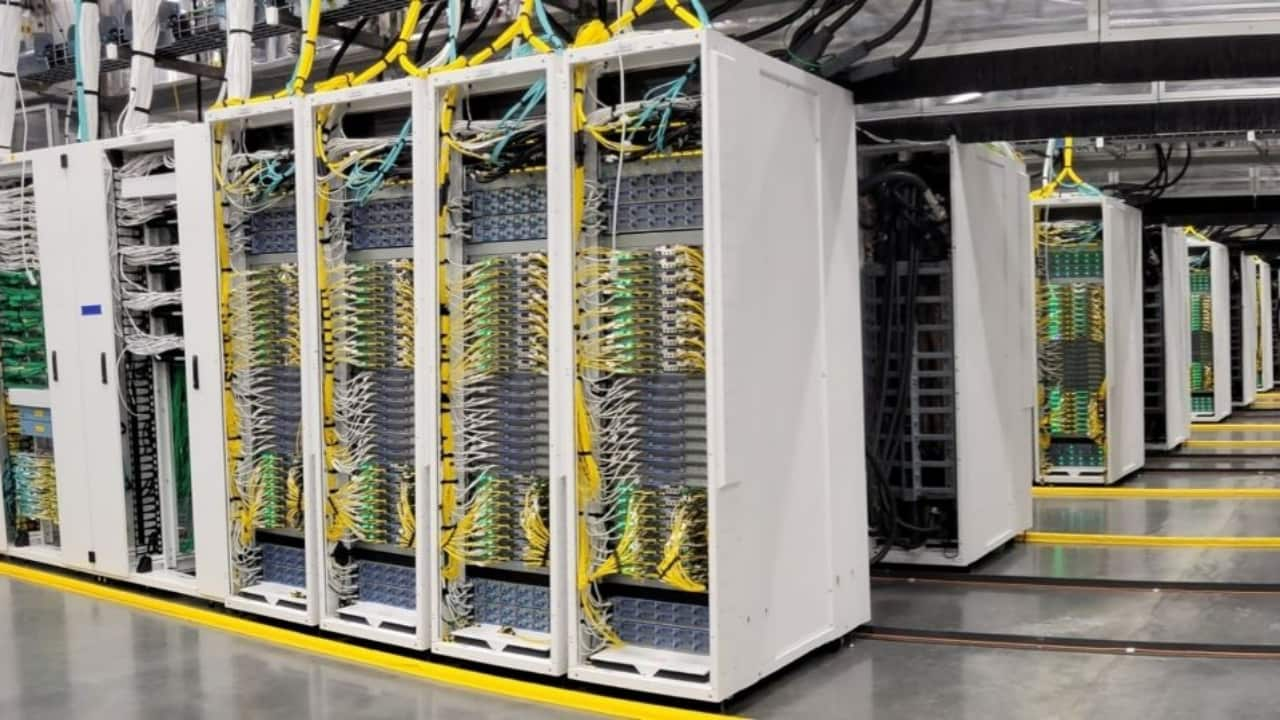
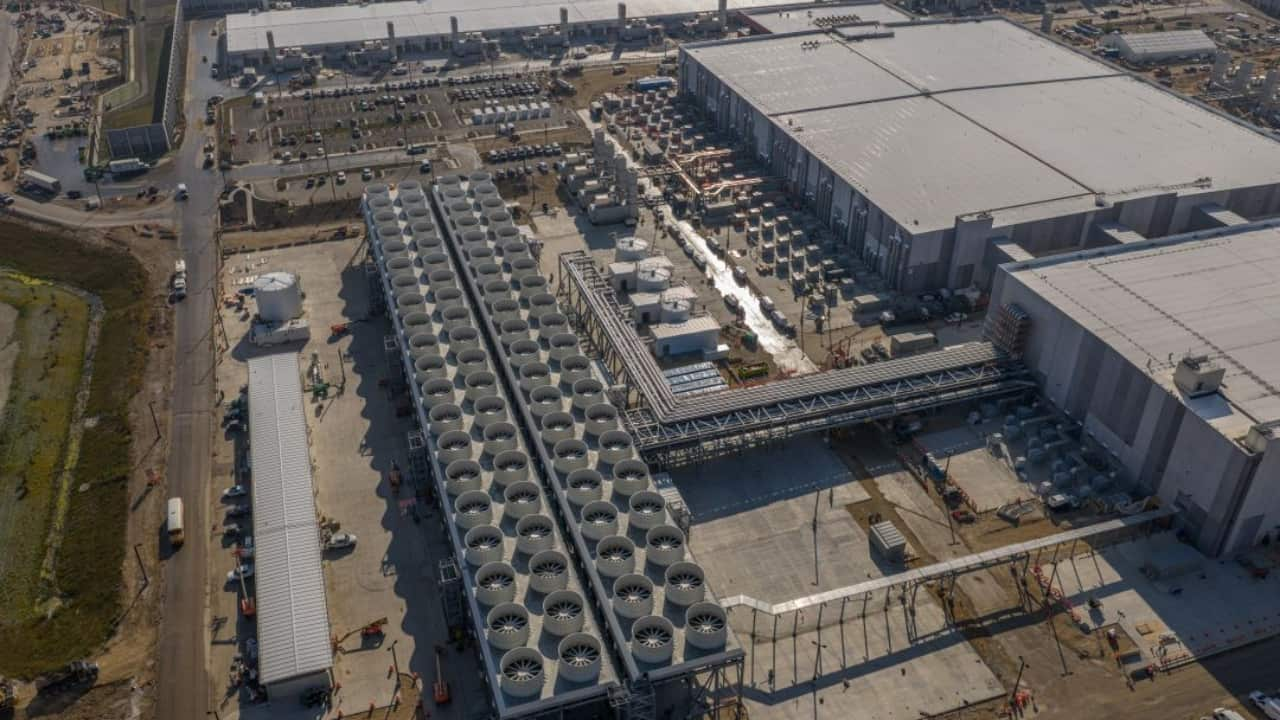
An AI data center requires greater processing power than traditional cloud storage facilities, and therefore enormous amounts of energy and cooling resources. This creates an unprecedented burden on power transmission lines, local electricity grids, and water resources in the regions where these data centers are built.
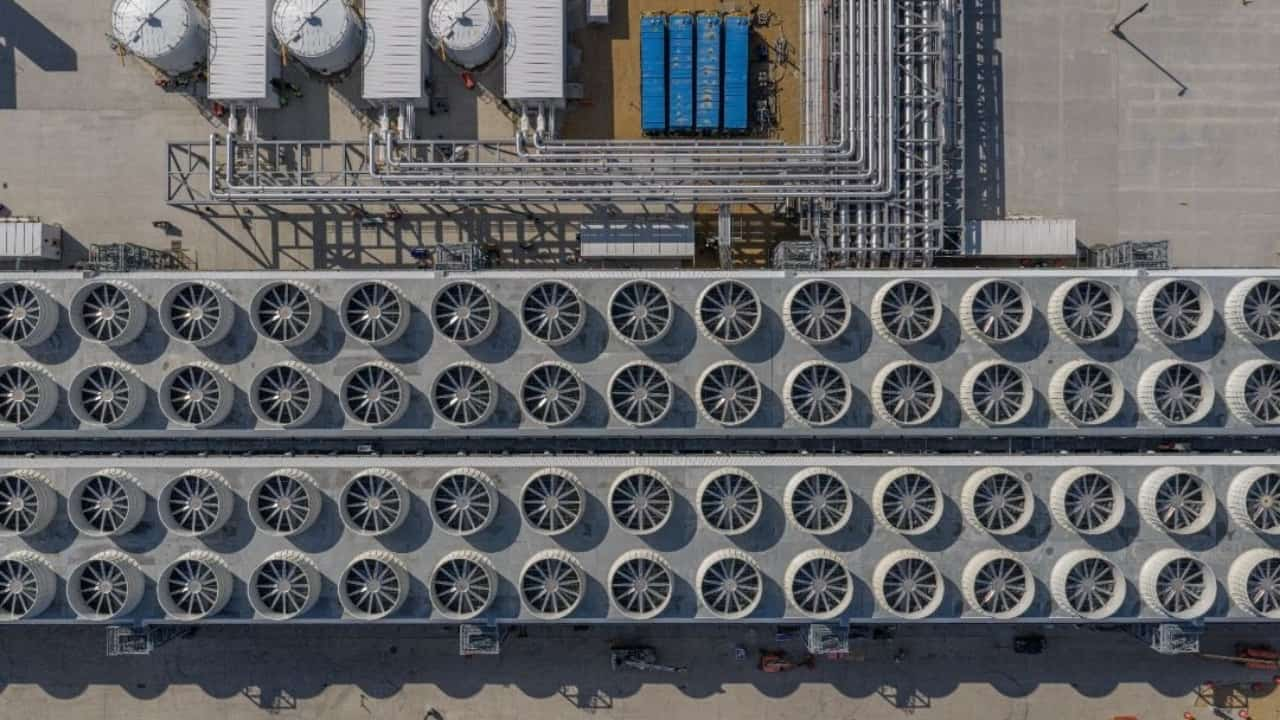
Energy Consumption: Running AI models continuously, 24/7, pushes local electricity infrastructure to its limits and increases household electricity costs in some regions.
Pressure on Water Resources: Millions of liters of fresh water are consumed to cool high-performance server racks, threatening local water balances in regions at risk of drought.
Tax Incentives and Public Losses: Many local governments offer massive tax exemptions to attract tech giants to their regions. Across Indiana alone, the public cost of these tax exemptions is estimated to reach hundreds of millions of dollars. Local residents complain that they are losing both their resources to these enormous facilities and the tax revenue that could otherwise be used to fund public services.
Three Key Dimensions of the AI Data Center Debate
It is no coincidence that this debate is resonating around the world. An AI data center project often raises three separate questions at the same time.
1. Data Center Energy Consumption and Concerns About Electricity Bills
Training and running AI models requires far more intensive computing power than an ordinary cloud service. This makes data center energy consumption a concern that extends beyond the local level. Residents naturally ask: If this electricity is drawn from the grid, what will happen to my bill? The fact that Microsoft's January plan placed the promise "We will not increase your electricity prices" at the very top shows just how central this concern has become.
2. Tax Breaks: The Hidden Bill
The second notable issue is tax exemptions. Local governments offer substantial tax breaks to data centers to attract investment. Reports indicate that the tax revenue lost through these incentives could reach $900 million across Indiana. This is where local activists' objections come into focus: Residents who have already given up tax revenue are now being asked to settle for a few crumbs in donations.
3. The Gap Between Image and Reality
The third dimension is more subtle and perhaps the most literary: the weight of words. The word "neighbor" implies reciprocity; a neighbor both gives and receives, both listens and is heard. Ryan Juskus of the University of Notre Dame, speaking on behalf of We Make Indiana, says the donations are far too small considering the scale of the company's project and argues that the company's claim to be a "good neighbor" remains questionable.
Timeline: From Promises to Complaints
June 2024 Microsoft was reported to have purchased approximately 900 acres of land in St. Joseph County.
2025 A Mirror Indy analysis projected that lost revenue from data center tax breaks in Indiana could reach $900 million.
January 2026 Brad Smith announced a five-point plan for "community-first AI infrastructure."
September 2026 Ars Technica and Futurism reported that We Make Indiana's one-percent revenue-sharing request had gone unanswered.
Issue | Company's Position | Local Experience (According to the Report) |
|---|---|---|
Civil society | "We will invest in local civil society organizations." | One-time donations limited to a total of $1 million. |
Listening | "Our contribution must begin with listening." | The coalition's revenue-sharing proposal went unanswered. |
Public services | A promise to contribute to the community | Representatives are not authorized to allocate funding to public programs. |
Electricity bills | Commitment not to increase electricity bills | Not the main focus of the report, but one of the first items in the plan. |
Risks and Opportunities: Finding the Balance in Data Centers
The illusion that the digital world is invisible fades a little more with every new data center. Every intelligent response has a physical counterpart, and every model update places an additional load on the power grid.
Risks
Public revenue erosion due to tax breaks
Pressure on electricity grids and prices
A loss of trust between promises and implementation
Weakened bargaining power of local governments
Opportunities
Local employment and AI training programs
Transparent, measurable community agreements
Structural contribution models such as revenue sharing
A permanent negotiation channel between civil society and companies
Public Backlash Against Expanding AI Infrastructure
The global expansion of AI infrastructure raises the question of whether local communities will be forced to pay the price of technological progress. Symbolic donations and social responsibility projects with limited budgets from tech giants such as Microsoft are not enough to conceal the regional damage caused by an AI market worth hundreds of billions of dollars.
While appreciating the opportunities AI brings, technology enthusiasts and industry analysts emphasize that this transformation must be based on sustainable and ethical principles. The struggle by local residents, civil society organizations, and environmental groups to bring tech giants to the negotiating table for fair discussions appears likely to intensify in the coming period.
As AI builds the future, the question of how sustainable a growth model can be when it ignores the communities it neighbors will remain one of the hottest topics on the technology agenda in the years ahead.
WriterOpenAI'dan AI Ajan Güvenliği İçin Dikkat Çeken Karar


AI Hesapları Yeni Siber Saldırıların Hedefi Haline Geliyor


