



AI Data Center Crisis Threatens the Global AI Race
Automatically translated
 Writer
In the AI race, the most valuable resource is no longer just GPUs. Electricity, water and suitable land have become just as strategic as Nvidia's newest chips. Recent months have seen growing local opposition to data center projects in China, which has sparked a new debate across the global AI ecosystem. The AI data center crisis is seen as a development that could directly affect not only China's domestic policies but also the growth plans of US-based companies, OpenAI's infrastructure above all.
Companies such as OpenAI, Anthropic, Google, Meta and xAI need processing power that grows exponentially each year to build larger models. But in many parts of the world, energy grids cannot keep pace with this growth. Recent developments in China show that the biggest bottleneck facing the AI sector is now physical infrastructure, not software.
Why Is the AI Data Center Crisis in the Spotlight?
About two years ago, data center investments were seen as the invisible operations of technology companies. Today, the situation has changed completely. Training large language models such as GPT-4, Gemini, Claude and similar models requires millions of GPU hours, and this computing power requires hundreds of thousands of high-performance servers to run at the same time.
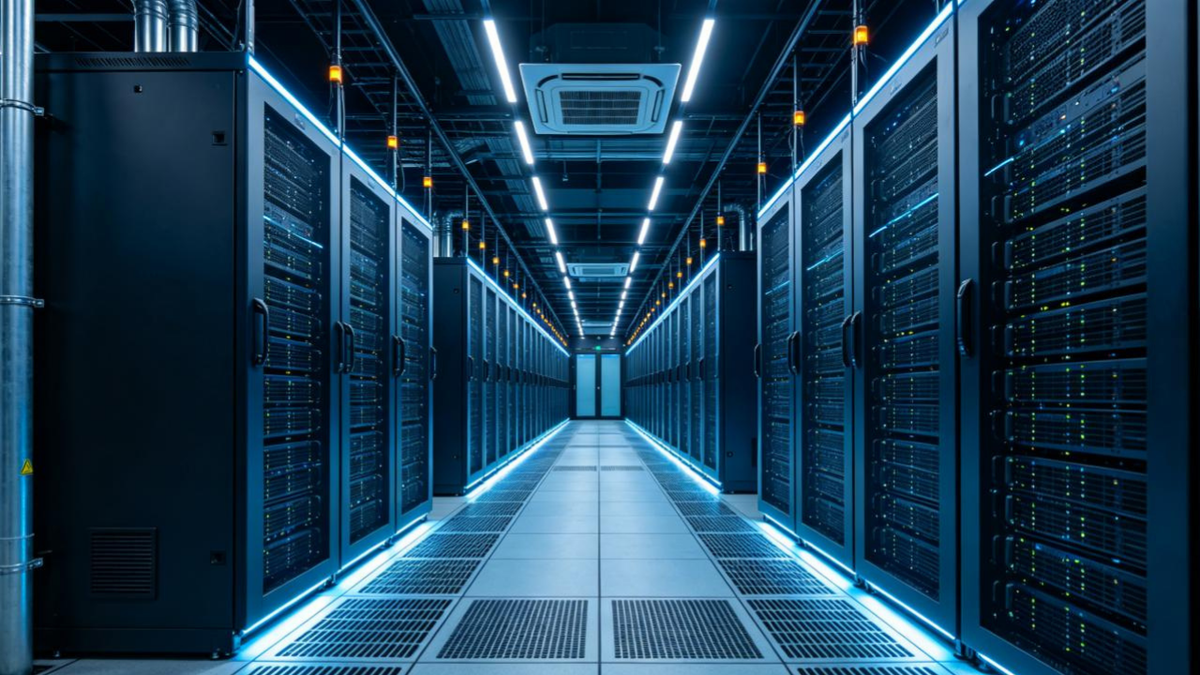
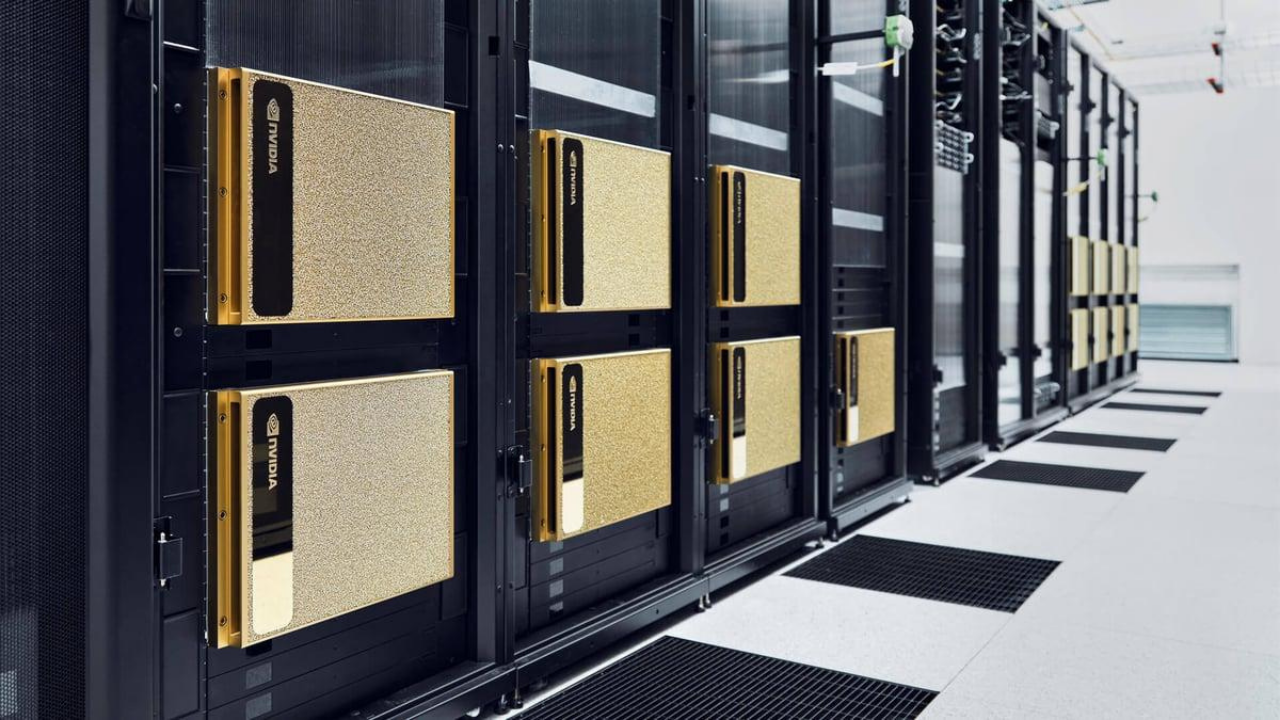
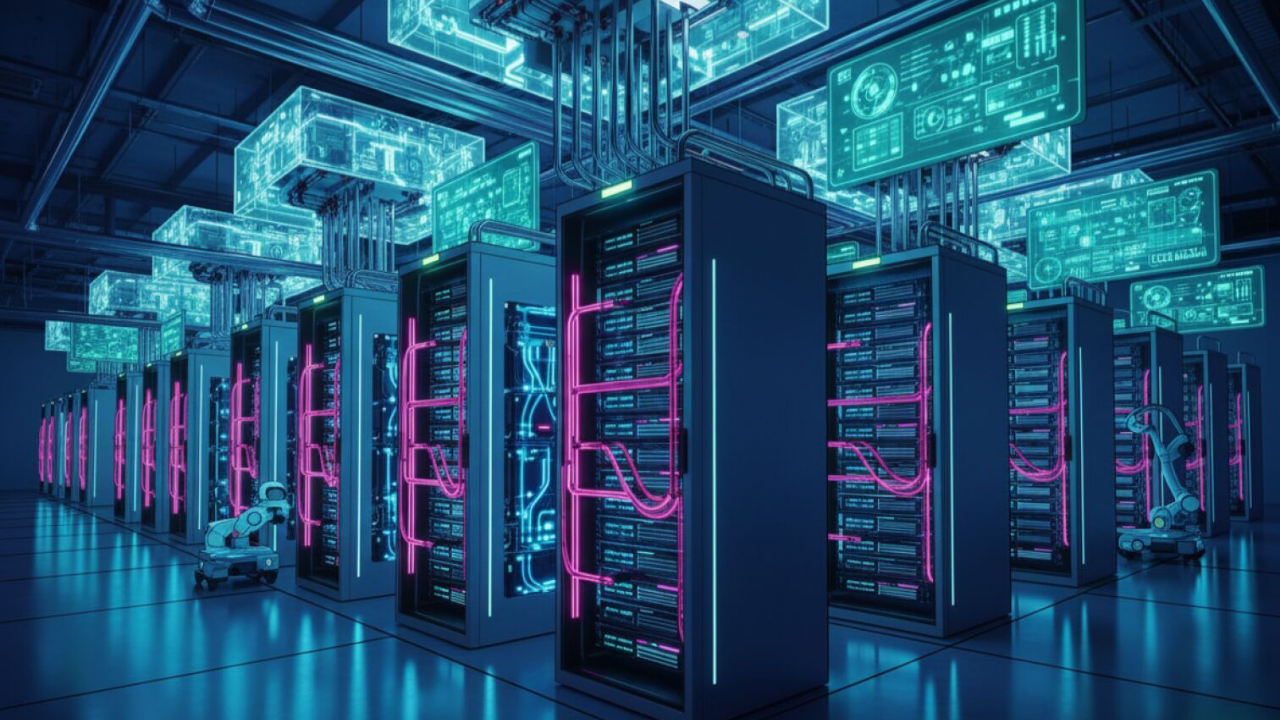
A modern AI data center is not made up of computers alone. It contains thousands of Nvidia GPUs, petabytes of storage, advanced liquid cooling systems, high-voltage energy infrastructure and a constant internet backbone. The result of all this is enormous energy consumption.
The International Energy Agency (IEA) expects that, within the next few years, the electricity consumption of AI-focused data centers alone could approach the total consumption of many countries. For this reason, governments now view data center investments not only as technology investments but also as energy policy issues.

Why Is Opposition to Data Centers Growing in China?
According to a report by BGR, new data center projects in some regions of China are facing unexpected resistance from local governments and residents. At first glance this may look like opposition to technology, but the underlying issue is different. Three major factors sit at the center of the problem:
Electricity consumption
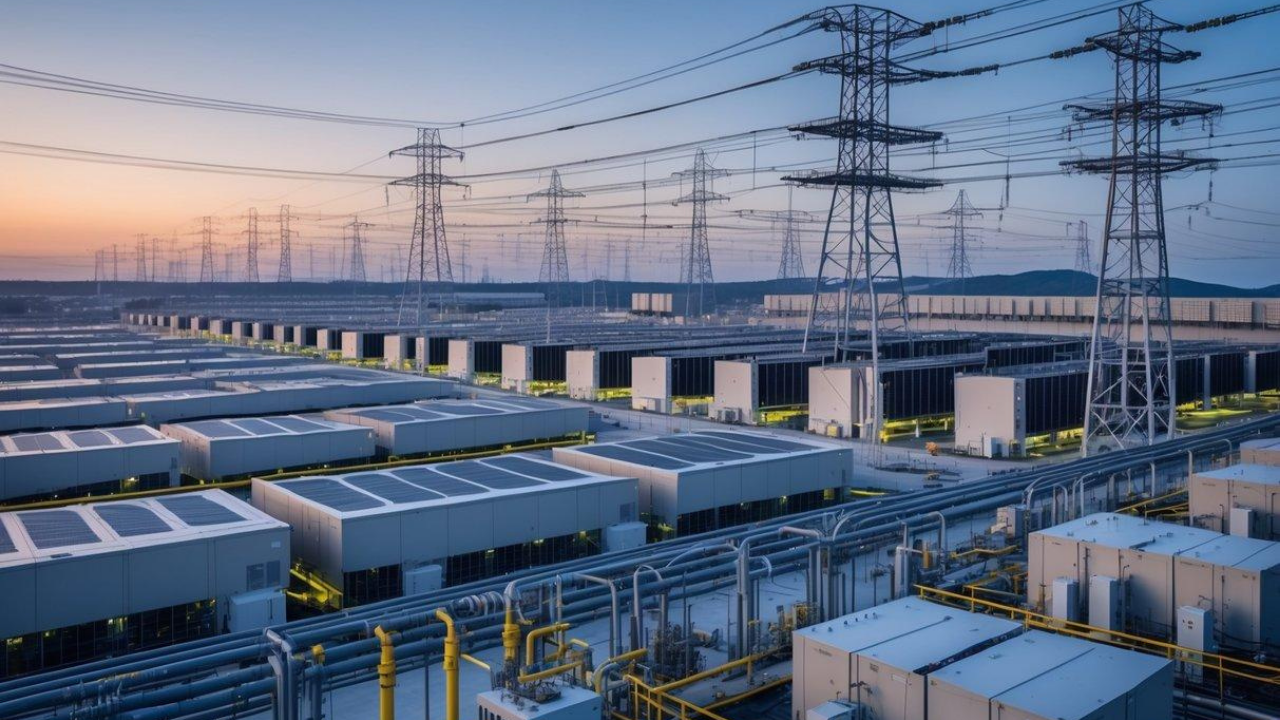
Large-scale AI data centers can consume as much electricity as small cities. While China tries to balance industrial production and household consumption in many regions, the load a single AI campus places on the grid requires careful planning. Due to rising electricity demand, especially in the summer months, some local governments have started to take a more cautious approach to new data center projects.
Water consumption
GPU clusters operate at high temperatures, so data centers use intensive cooling systems. Traditional systems in particular can consume millions of liters of water. In regions at risk of drought, this is being criticized by local residents. Although new-generation liquid cooling technologies aim to reduce this problem, a significant share of existing facilities still have high water consumption.
Land and environmental impact
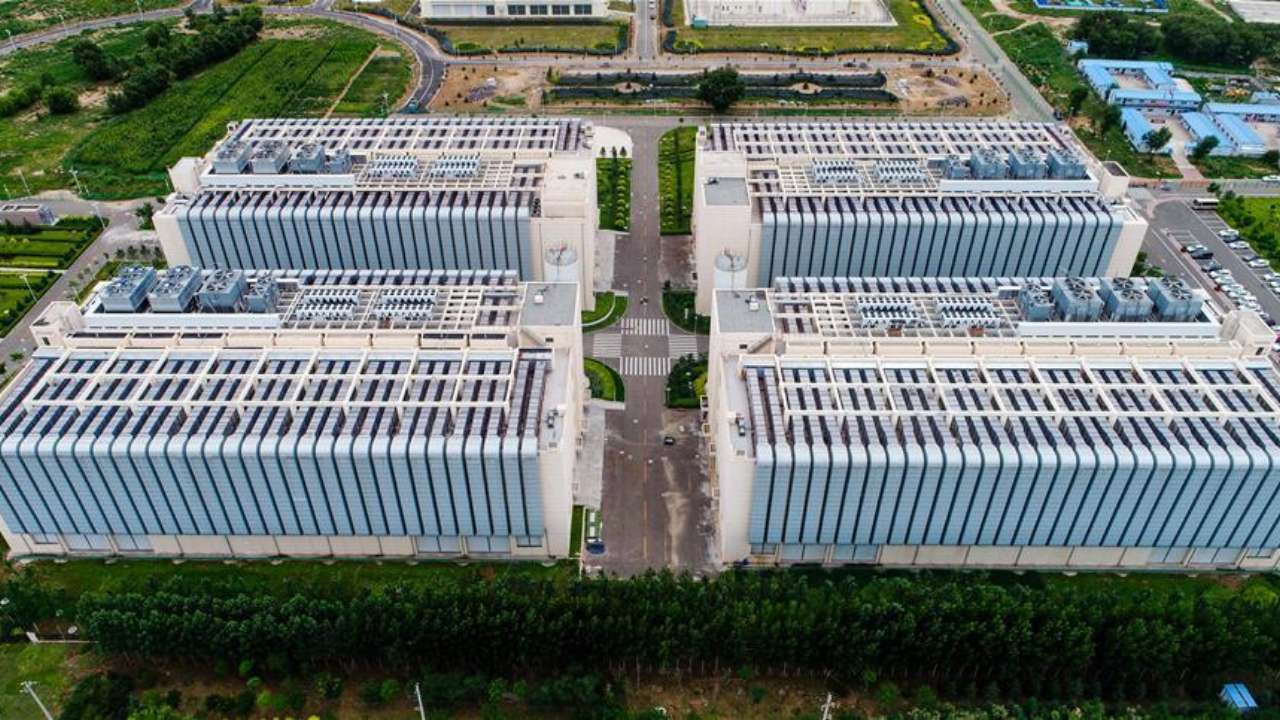
In some Chinese provinces, there is debate over whether land allocated for large data center campuses could affect farmland or natural habitats. As local governments try to balance economic investment with environmental sustainability, permit processes for some projects can take longer. These developments are not unique to China. Similar debates are taking place in the US states of Virginia, Arizona and Georgia. In Europe, Ireland and the Netherlands have begun restricting new data center permits due to energy capacity.
OpenAI's Infrastructure and the Global Data Center Race
OpenAI is no longer just an AI company. It is also one of the organizations trying to build one of the largest computing infrastructures in the world. Every new version of GPT models requires more GPUs, more energy, larger storage capacity and faster network connections. For this reason, OpenAI has recently been spending billions of dollars not only on model development but also on infrastructure investment.
A long-standing partnership with Microsoft forms the foundation of this. In addition, the Stargate initiative, which includes companies such as Oracle and SoftBank, is considered one of the largest AI infrastructure projects in US history. The goal is not just to build more data centers, but also to create next-generation facilities that could increase global AI capacity many times over. However, developments in China show that future competition will not be won simply by buying more GPUs. Companies that can access energy, find suitable land and manage environmental permit processes will gain a significant advantage.
Is AI Energy Consumption Bigger Than Expected?
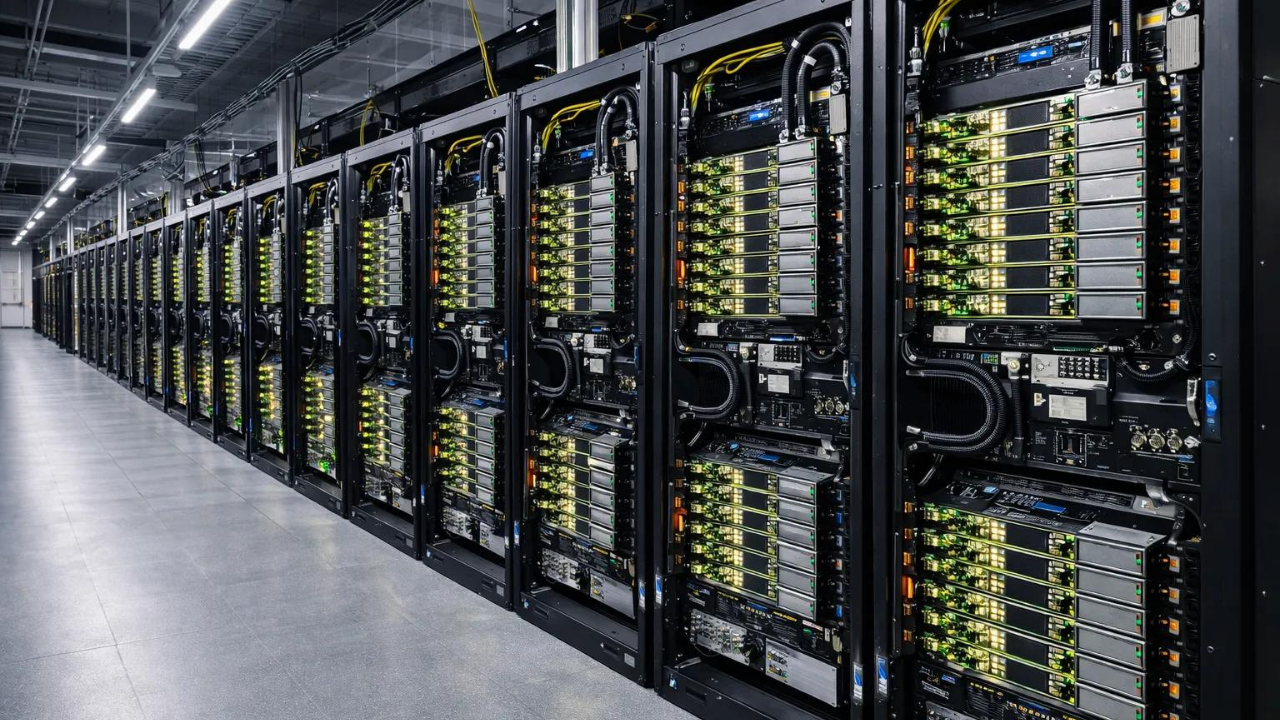
Large language models do not consume high amounts of energy only during training. The most striking point is the constant processing load that arises once models are made available to users. Every query sent to systems like ChatGPT, Gemini or Claude is processed in real time in data centers housing thousands of GPUs. As the number of users grows, this processing load does not grow linearly but exponentially.
For a long time, the sector's focus was only on model performance. Now companies are looking for ways to deliver the same performance at lower energy cost. This is because new-generation models must not only be smarter; they must also be sustainable. At this point, AI energy consumption has become one of the most important R&D topics for technology companies. Nvidia's Blackwell architecture, AMD's Instinct series and Google's TPU solutions aim not only to deliver higher performance but also to increase computing power per watt.
However, progress on the hardware side is not enough on its own. Unless electrical infrastructure, high-voltage lines and energy storage systems develop at the same pace, even the most powerful GPU clusters in the world may not be able to operate at full capacity. For this reason, many analysts believe that in the coming years the biggest competitive arena in the AI sector will be energy management rather than model development.
How Is China's Technology Policy Changing AI Infrastructure?
China has long viewed artificial intelligence as one of the core components of its national strategy. However, the policy pursued recently is not simply about building more data centers. The new approach aims to direct investment to regions with high energy efficiency and to use existing capacity more effectively. In particular, large AI campuses are being encouraged in western regions where energy production is strong, while a more selective permit process is applied in eastern cities where the electricity infrastructure is dense.
This approach marks a significant shift in China's technology policy. The goal is no longer just to increase capacity, but to position that capacity in the right places. Another reason is international competition. After US restrictions on semiconductor exports, China has focused on using the hardware it has more efficiently. As a result, energy planning and technology policy have become intertwined in a way never seen before.
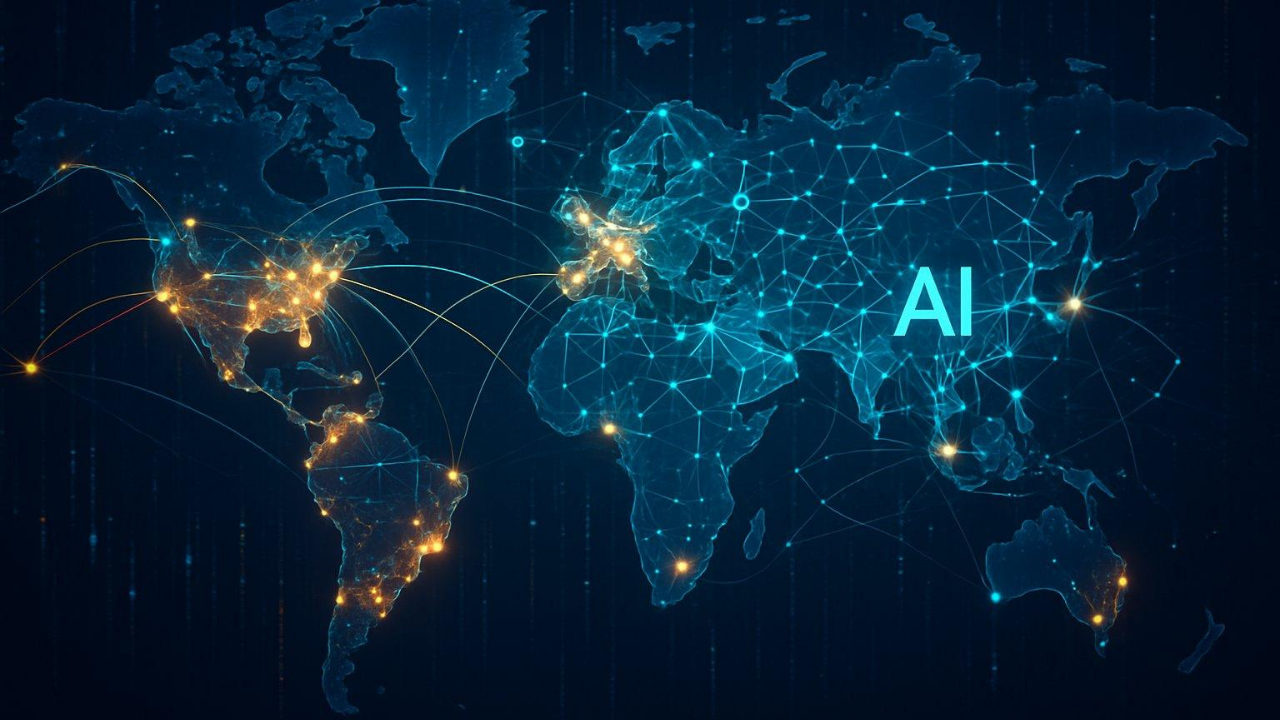
The Data Center Rivalry Between the US and China Enters a New Phase
Over the past two years, AI competition has been evaluated mostly in terms of GPU supply. It was widely assumed that companies with access to Nvidia's H100 and Blackwell accelerators would gain the advantage. Today, the picture is starting to change. Even if a company buys as many GPUs as it wants, if it does not have the energy or suitable data center infrastructure to run them, much of the investment can sit idle.
This is why, in the US, Microsoft, Amazon, Google and Meta are announcing billion-dollar data center investments while also signing long-term agreements with energy companies. Nuclear power plants, solar farms and small modular reactors (SMRs) have increasingly become part of the investment plans of technology giants.
China, meanwhile, is pursuing a different strategy. Through central planning, it is trying to concentrate energy-intensive data centers in specific regions. In this way, it aims to reduce pressure on the grid and optimize resource use. What both approaches have in common is quite clear: the AI race is now being shaped not only by software teams but also by energy engineers and infrastructure planners.
How Will Startups and AI Companies Be Affected by This Process?
The biggest impact of the data center crisis will not be felt only by technology giants. The most vulnerable group may be startups that depend on cloud infrastructure. Newly founded AI startups usually do not build their own data centers. Instead, they use infrastructure offered by providers such as OpenAI, Microsoft Azure, Google Cloud or AWS. However, a shrinking data center capacity or rising energy costs can feed directly into the prices of cloud services.
This especially affects generative AI startups, video production platforms, companies developing large language models and startups working on AI agents. As cost pressure rises, a shift toward smaller and more efficient open-source models could accelerate. One reason models such as Llama, Qwen, Mistral and Gemma have attracted attention recently is this trend. Efficiency is no longer just a technical advantage; it is becoming one of the key criteria investors evaluate.
Standout Solutions in Next-Generation Data Centers
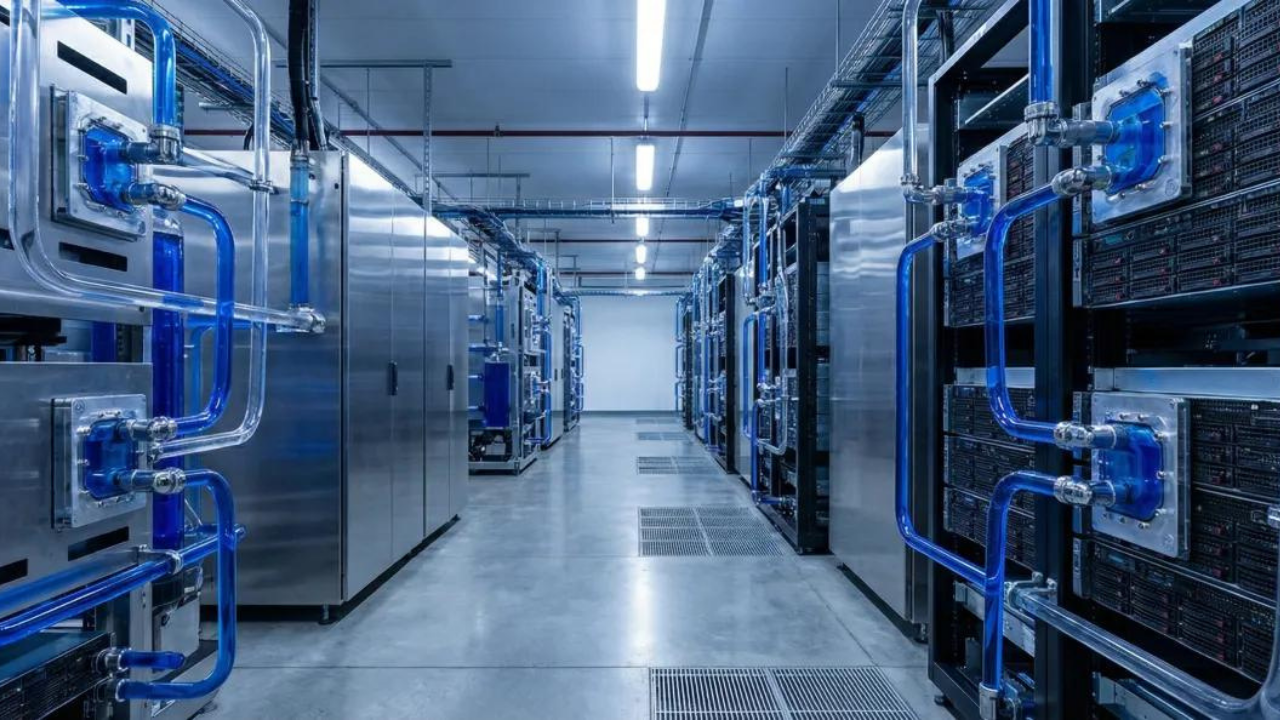
The sector is not only talking about problems. It is also investing in new technologies to overcome this bottleneck. One of the most notable developments is liquid cooling systems. While traditional air-cooled data centers fall short at high GPU densities, liquid cooling solutions that make direct contact with the chip can reduce both energy consumption and water use. Another trend is building data centers closer to renewable energy sources. Regions rich in solar and wind power are becoming attractive for new AI campuses.
Some companies are working on more radical solutions. Small modular nuclear reactors are considered one of the options that could meet the uninterrupted energy needs of large data centers in the future. In addition, through the "edge AI" approach, the aim is to run certain tasks closer to users rather than processing everything in huge data centers. In this way, the load on central infrastructure is expected to be reduced.
How Could the AI Data Center Crisis Evolve Over the Next Five Years?
The AI sector is moving from a period of growth driven by performance to a period of growth driven by infrastructure. Developing new models alone no longer provides a competitive advantage. Being able to deliver these models to millions of users with low latency and at a reasonable cost is at least as critical as model quality. In the coming years, the regions where data centers are built will be chosen based on electricity prices, renewable energy capacity, water resources and local regulations.
For this reason, the AI data center crisis is not seen as a temporary problem. Instead, it is viewed as the new economic reality of the AI sector. For Turkey, these developments should also be followed closely. While domestic AI startups continue to depend on international cloud providers, data center capacity and energy investments could directly affect competitiveness in the future.
Frequently Asked Questions (FAQ)
What is the AI data center crisis?
The AI data center crisis refers to a situation in which data centers that are needed to supply the processing power AI models require cannot grow fast enough because of energy, water and infrastructure constraints.
Why does OpenAI need more data centers?
New-generation GPT models require far more GPUs, storage and high bandwidth. The growing number of users also makes it necessary to continuously expand existing infrastructure.
Why is China more cautious about data centers?
Because of electricity consumption, water use and environmental impacts, new data center projects are being evaluated more strictly in some regions. China aims to protect energy efficiency while increasing capacity.
Why does artificial intelligence consume so much energy?
Training large language models and processing queries from millions of users in real time requires thousands of high-performance GPUs to run without interruption. This leads to high electricity consumption.
How could startups be affected by this crisis?
Rising cloud service costs, harder access to GPUs and limited infrastructure capacity can increase the operating expenses of AI-based startups in particular.
What do these developments mean for Turkey?
As investment in artificial intelligence accelerates, domestic data center capacity, energy infrastructure and high-performance computing resources will become strategically important. Investments in these areas could directly affect the competitiveness of Turkey's AI ecosystem.
WriterYapay Zeka Kimlik Taklidi Dolandırıcılığı: 3 Saniye Yetiyor


Format Duyarlılık Endeksi Nedir?


