Will Artificial Intelligence Teachers Place? Critical Step From Kazakhstan
Automatically translated
 Writer
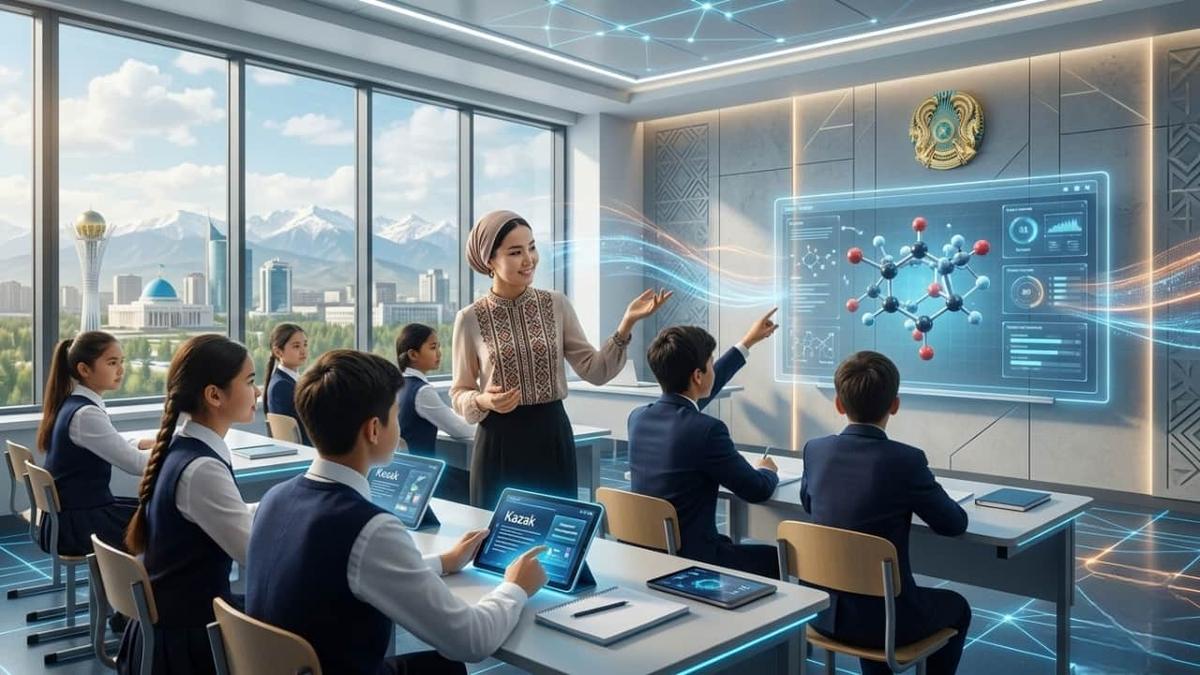
The biggest conversion of digital age is no longer only experienced in technology companies, but in classes. Kazakhstan, which became one of the rising technology centers of Central Asia, sought the door of a new era of artificial intelligence-supported in the educational system. With the new decree signed by President Kassym-Jomart Buckleyev, the country officially put a comprehensive AI training system conversion plan, covering 2026-2029 years.
This decision is not only a technological investment; but also in the center of a global discussion on the future of education: Will artificial intelligence teachers take place, or will it be a new tool that makes them stronger?
Strategic Focus Area | Expected Output (2029) | Social Impact |
Personalised Learning | Student-based dynamic curriculum and AI assistants. | Providing opportunities equality and increasing academic success. |
Teacher Training | More than 100,000 AI certified competent trainer. | Standardization of educational quality throughout the country. |
Data Security | National cyber domination and data protection protocols. | Digital ethical rules settlement and safe digital growth. |
Digital Infrastructure | High speed internet and data centers in all schools. | Eliminate the technological cliff (Digital Divide). |
What is Kazakhstan AI Transformation?
Kazakhstan AI trainingThe new plan prepared under i covers many titles such as personalized learning models, teacher training programs, digital infrastructure investments and student data security. Based on the description of the government, the main objective of the system is to reduce the difference of education quality between the city and rural regions, and to ensure that each student can access the content that suits their learning speed.
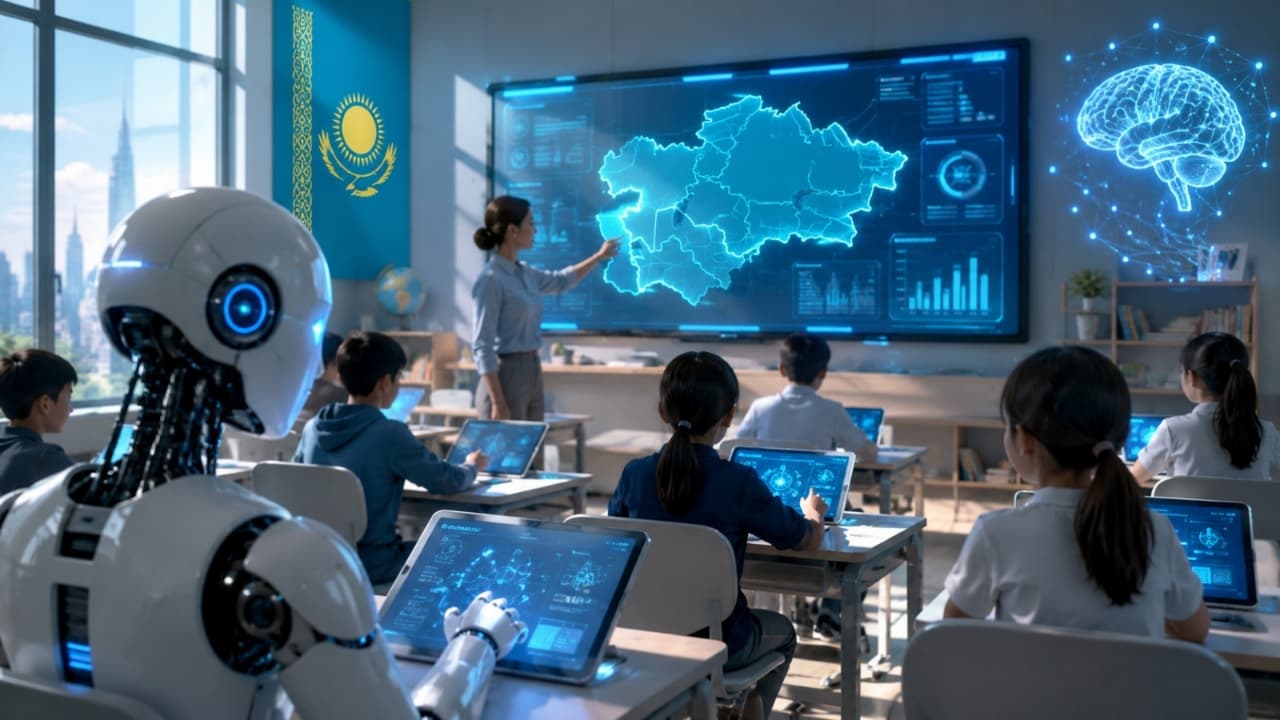
In this context, high-speed internet infrastructure to schools will be provided, classes will be supported by digital equipment and continuous AI training programs will be prepared for teachers. In particular, one of the points that attract attention is not the alternative to the “student” of the artificial intelligence, “the alternative to learning” training tool” It was defined as.
Students in many countries have to progress at the same speed in standard educational models. However, artificial intelligence-supported educational systems can analyze the issues that the student is missing, measure learning habits and provide personalized content. The goal of Kazakhstan is precisely shaped here: a new generation of educational model, which each student is transmitted by their potential.
An Historical Decision: The Buckleyev signed to Decision
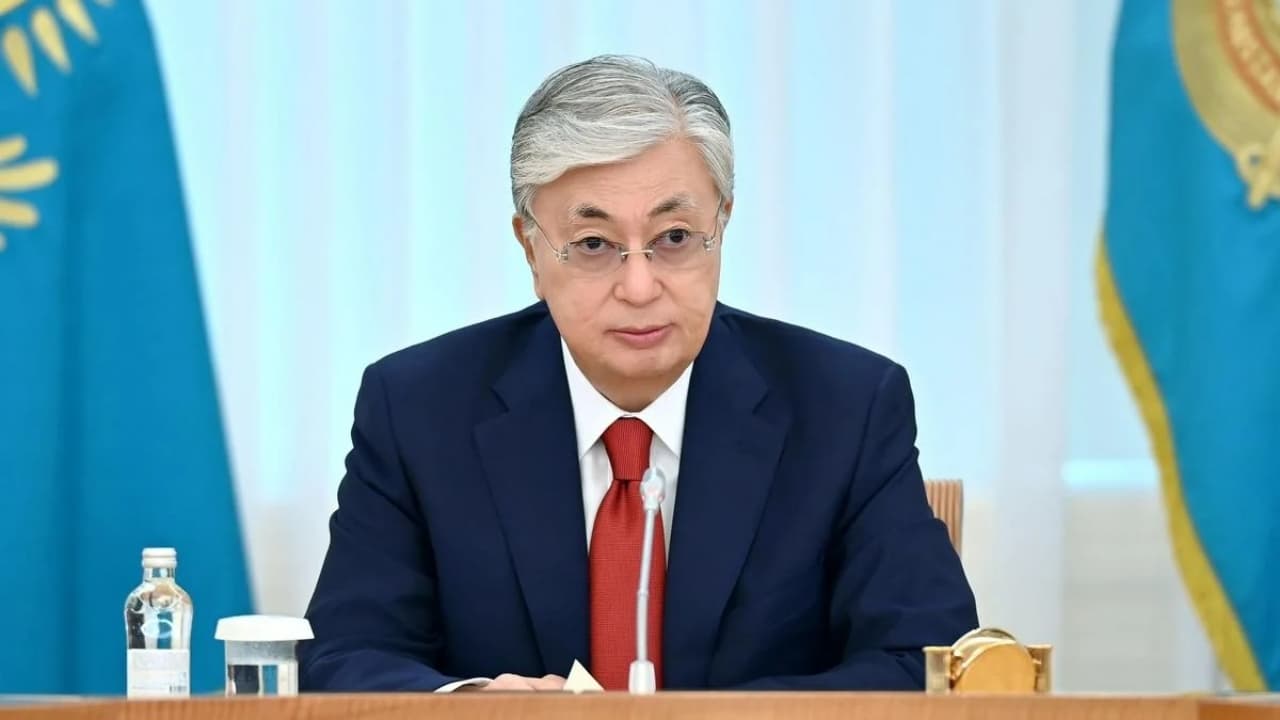
On May 12, 2026, Kazakhstan President Kassym-Jomart Buckleyev signed a policy on the country. The decisionname to integrate artificial intelligence technologies into the secondary school system is not only a training reform; but also a strategic declaration for the digital future of Central Asia.
This step of Kazakhstan is considered to be a bold pioneer among the emerging economies, especially in a period where global artificial intelligence race has gained speed. Decree will not only keep technology into classrooms; the format of learning, the role of the teacher and the justice of the educational system will reshape.
The decree is not as a means that will replace the teacher of artificial intelligence; it is positioned as a complementary technology that supports the teacher. In the document, AI systems are clearly highlighted that AI systems will see the function of "help tool without substituting the professional role of learning."
This vision that Kazakhstan draws for Central Asia is a strong response in region countries in terms of digitalization and ethical standards in education. One of the most remarkable steps at this point was jumped by Turkey, which developed a comprehensive ethical guide and audit model to prevent artificial intelligence from being controlled by classes. Artificial intelligence in this developed model is not an alternative to the teacher, but it is positioned as a pedagogical aid that guides the teacher in decision-making processes. The final decision-makers in all processes from exam assessments to student referrals and the "hesap" lentils always remain as a teacher. Company Artificial Intelligence Applications Ethics Brain System Thanks to the (YAZEK), a 3-stage audit mechanism is operated at the level of school, province and ministry, so it is not allowed to be used in the classrooms of any software that does not pass through ethical approval. Many elements in Kazakhstan’s new strategic plan are preparing a strong regional ground for the digital educational standards that will come directly with this human-based and proactive approach.
Four Basic Columns of 2026-2029 Conversion Plan
The comprehensive action plan expected to confirm from the government to 1 July 2026 is shaped in four main axes:
1. Personalized Learning: "Tailor-Made" Training
The biggest problem in traditional education is that the teacher caters to the middle level. This situation leads to the frequenting of the students at the advanced level, to completely miss the topic.
Home Dynamic Difficult Level: AI algorithms analyze how long the student solves a question and where he pauses. If the student is forced, the system offers him the topic from a different perspective (e.g. visualization) again.
Home Learning Style Analysis: Some students are auditory, some are visual oriented. Artificial intelligence prioritizes the content of the student in the format he understands the best of the student.
Home Instant Feedback: Instead of making a mistake of the student and seeing the result in the test after a week, the AI notices that moment error and "You have done this step wrong here, want to try again?" lets you learn permanently.
2. 2. Teacher Training: Teacher as "Orkestra Peach"
Artificial intelligence teacherfear of taking place in place, location "Super Teacher" leaves the model. 1 September 2026 goal is to save the teacher from administrative loads and focus on pedagogical.
Home AI Literacy: Only Teachers vehiclesIt is necessary to know how these tools will read the data they produce. "Why did this student have fallen in math this week?" They should read the answer of the question from the data panels.
Home Pedagogical Redesign: Instead of telling the lesson, the front information prepared by AI will be switched to a guide role that triggers critical thought and manages projects.
Home Decentralization of Administrative Load: Things such as exam paper reading, destruction and routine reporting will be transferred to AI and will be given time to the teacher to take care of one-to-one.
3. Digital Infrastructure: Opportunity Equality in Education
The targeted hardware move, which is completed until 1 August 2026, aims to bring the technology into a "lux" teknolojiyi "amusal right".
Home Rural-Kentsel Bridge: A student in the mountain village is to reach the curriculum of the best universities and with high-speed internet to the private teacher supported by artificial intelligence.
Home Hardware Standards: Not only tablet distribution; it is critical to providing devices with CPU power that can run cloud-based systems and seamless bandwidth.
Home Hybrid Classes: A ecosystem where experts or other classes can be integrated from all over the world, passing beyond the physical limits of classes.
4. Data Security: Digital Limits and Ethics
Training data is one of the most scalable data groups, as an individual contains developmental process, weaknesses and interests. The national standards in September 1, 2026 are therefore vital.
Home Data Minimization: Only "What is necessary for the educational process" data should be collected, the unnecessary data of the student's private life should be filtered.
Home Algorithmic Transparency: Artificial intelligence should be transparent that it labels a student as "low success". "Black box" algorithms should be controlled instead of controlled systems.
Home Cyber Security Standards: The strict laws that prevent the use of student data for commercial purposes and the storage of this data on local servers will be priority.
2026 Artificial Intelligence Strategic Road Map in Education
This calendar is not only a technological transition, but it is aimed to build structural rebuild of the educational system.
1 June 2026: Projecting and Bid Stage
"Pilot Project Recommendations to the Government" This stage is the first big step that theoretical preparations have been officially earned.
Home Scope Determination: Which courses (Matematic, Language Information etc. ) AI will be supported and clear which age groups will be first.
Home Budget Analysis: The necessary financial resource plan is offered for infrastructure, software licenses and educational materials.
Home Stakeholder Participation: The results of preliminary negotiations with universities and technology companies are included in the report.
1 July 2026: Strategic Approval and Long Term Vision
"Acception of 2026-2029 Comprehensive Action Plan" is the stage where three-year macro plan enters into force, the legal and administrative roof was established.
Home Legal Frame: Regulation changes are approved, such as the effect of artificial intelligence in the curriculum and the noteing system.
Home Measurement and Evaluation: KPIs (Key Performance Indicators) will measure the success of the project.
Home Sustainability: The technology is connected to the calendar, not only in the pilot schools, how to spread to the entire country within 3 years.

1 August 2026: Physical and Digital Infrastructure Hamle
"Technical Hardware and Internet Access Campaign" The principle of "Digital Equality" is critical month, where the theory believes in the field.
Home Hardware Installation: Intelligent boards in pilot schools make AI compatible, distribution of student tablets and installation of server infrastructures.
Home High Speed Connection: Providing uninterrupted access to satellite internet or private lines in areas where fiber internet infrastructure is missing.
Home Software Integration: Connecting schools to the central cloud system that will analyze student data.
1 September 2026: Big Opening and Human Source Activation u
At the beginning of the educational year, the system "brain" and "heart" are activated.
Home Ethics and Security Standards: The "National Artificial Intelligence Ethics Guide" is published. Data privacy protocols become mandatory in all schools.
Home Teacher Academys: "AI Supported Pedagogy" training modules prepared for teachers are launched.
Home Application Starter: With the first lesson ring, artificial intelligence-supported personalized learning platforms are actively used by students.
Date | Focus Point | Basic Output |
June | Strategy & Bid | Application Draft |
July | Decision & Approval | 3 Years Law Road Map |
August | Infrastructure & Access | Physical Preparation & Connection |
September | Application & Training |
Live System & Competence Teacher
Kai-Fu Lee Factor: Global Expertise Enters Stage
Another size that pays attention is that the world-renowned AI specialist and investor Kai-Fu Lee’s advice is clearly dominated. Lee’s views from both technological and ethical perspectives in AI field can be read as a concrete reflection of Kazakhstan’s going to sit this conversion to global standards.

Similarly, Kazakhstan will host the informal peak to be held in Turkistan to manage the AI conversion across the region; the members of the Turkish States will bring together AI and digital development.
The opportunity to close the city-shaped tip
One of the most chronic problems in Kazakhstan’s educational system is the quality of training between major cities and rural regions. Qualified teachers drown with serious limitations in both human resources and infrastructure.
Artificial intelligence supported training The platforms have a potential that may go in part of this imbalance. Independently from the number of Hocas, each student has a good quality, personalized content, the opportunity can create a converter effect in terms of equality.
Ceva A Country Gives Future p
This decision of Kazakhstan is the concrete of the will to adopt artificial intelligence as a constituent element of the system, beyond the training agenda. The success of the 2026-2029 plan is not only invested in the infrastructure; with what extent the teachers will be included to this conversion, it will be measured with how transparent the data security will be managed and the inequalities are really removed.
The world is watching this process closely. Because Kazakhstan’s experience can become an important reference point for dozens of countries that are drowning similar structural problems. Artificial intelligence will not take place of the teacher, but training will take place in a very different place from the way we know today.
WriterGörünmez Tehdide Son: Ukrayna’dan AI Destekli Taret!


İş Operasyonları Ekipleri Codex ile Nasıl Çalışıyor?