




Capex Cycle: The $5 Trillion AI and Energy Boom
Automatically translated
AI data centers, energy transition projects and global infrastructure investment are growing at the same time. The period that Wall Street describes as “the largest capital expenditure cycle in history” is changing not only technology companies, but also energy markets, government policies and the direction of the global economy.
For years in Silicon Valley, the same sentence was repeated: “AI will change the world.” But the matter is no longer just software. The real breakthrough is happening in electricity grids, data centers, semiconductor factories and energy investments. In an analysis published by Fortune, the global economy is said to be entering one of the largest capital spending periods in history. The scale of the figure is striking: a capex cycle of roughly $5 trillion. Moreover, this wave of investment affects not only technology companies, but also energy giants, infrastructure funds, governments and the global economy as a whole.
The key point here is this: AI is no longer just a digital product. It has become a new industrial layer that consumes electricity, requires physical infrastructure and uses energy at city scale. If you want to understand the race between OpenAI, Google, Microsoft, Amazon and xAI, looking only at model performance is not enough. The real battle is taking place in data centers.
The Fortune analysis particularly highlights that AI and energy transition are coming together on the same investment axis. This matters because until a few years ago, technology investments and energy transition investments were seen as independent fields. Now the two are locked together. As AI grows, energy demand rises; as energy infrastructure expands, data center capacity grows. The result is a huge economic multiplier.

The name of this new economic order is now being openly discussed: the Capex Cycle.
Why Is the Capex Cycle Suddenly on Everyone’s Agenda?
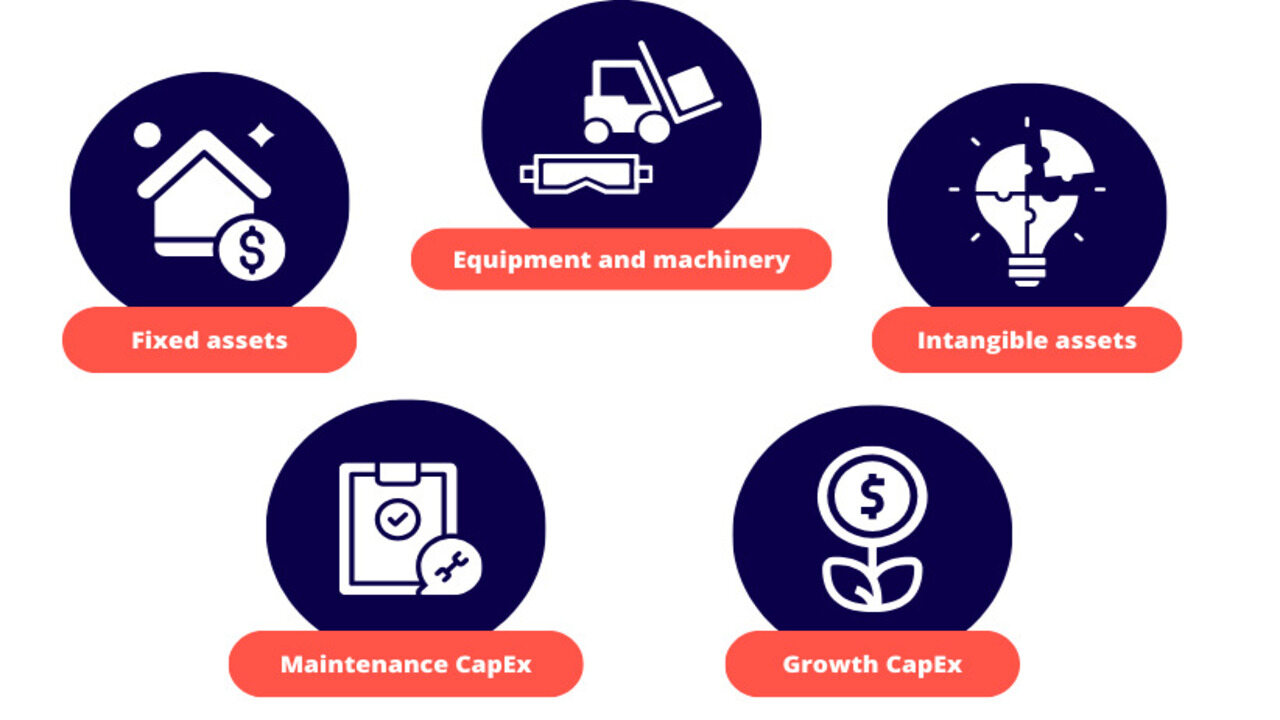
Capex, or “capital expenditure,” refers to the long-term physical investments of companies. Building data centers, constructing power plants, opening chip factories or expanding electricity infrastructure all fall under it. For years, the tech world was dominated by a software-driven “light capital” growth model. AI has disrupted that balance.
This is because large language models are incredibly expensive systems. Training GPT-5-level models requires hundreds of thousands of GPUs. These GPU clusters are not only expensive, they also consume an enormous amount of energy. Together with Nvidia’s Hopper and Blackwell architectures, data center energy consumption has reached a new scale.
The Fortune report especially emphasizes that the world economy is now spending money not only on digitalization, but also on rebuilding physical infrastructure. This differs from the internet growth of the 2000s. Back then, scaling software was relatively cheap. Today, in the AI era, every new model requires a larger data center, more energy and more chips.
That is why the capex spending of companies such as Microsoft, Amazon and Google has reached historic levels. In its latest financial reports, Microsoft announced that it is aggressively increasing its data center investments. Amazon is expanding its AWS infrastructure by billions of dollars. Google, meanwhile, is growing its AI-focused data center capacity on a global scale.
AI Data Centers Are Straining Electricity Grids
Those who follow the AI sector from the outside usually focus on the intelligence of models. Those on the inside talk about energy. Because the real bottleneck of the industry is now compute and electricity.
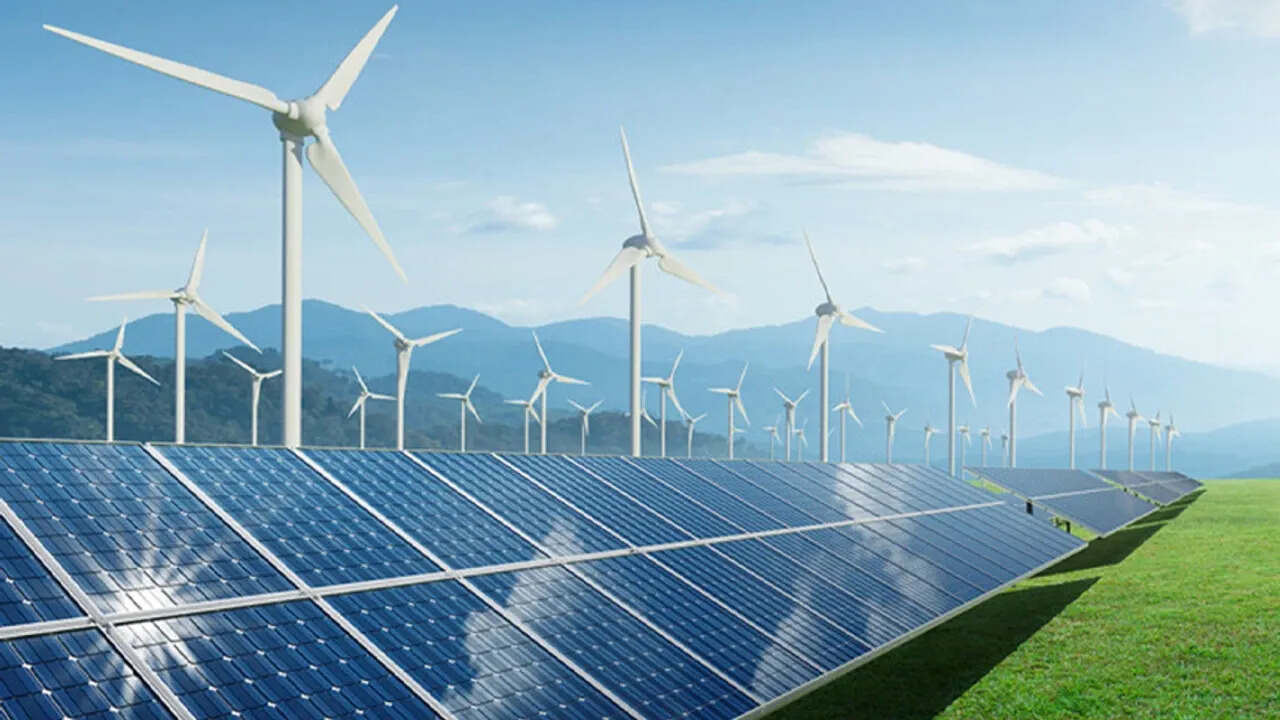
One of the analyses published by Goldman Sachs says that data centers will create a dramatic increase in global electricity consumption in the coming years. Generative AI systems in particular require far more energy than classic cloud services.
For example, a single GPT query can consume far more energy than a standard Google search. Although this seems small, at the scale of billions of queries it represents a massive energy load.
The data center xAI built in Memphis is one concrete example of this. Elon Musk’s company has begun placing tens of thousands of Nvidia GPUs in the same cluster. A similar expansion is taking place at OpenAI. News about Microsoft’s Stargate project mentions data center investments worth hundreds of billions of dollars.
The striking part is this: some new data centers consume as much electricity as small cities.
This is why energy companies and technology companies have become so intertwined for the first time. Just a few years ago, if you had said that oil companies and AI companies would be discussed in the same economic equation, no one would have taken you seriously. Now, planning direct energy production in order to build a data center is becoming normal.
Are Energy Transition Investments the New Oil Age?
The energy needs of AI are transforming not only the technology sector but also the global energy market. There is an incredible acceleration especially in renewable energy investments.
BlackRock and giant investment firms such as Brookfield now see the energy transition as going beyond the classic ESG approach. This is because the issue is not only carbon reduction, but also producing the electricity that will power the AI economy.
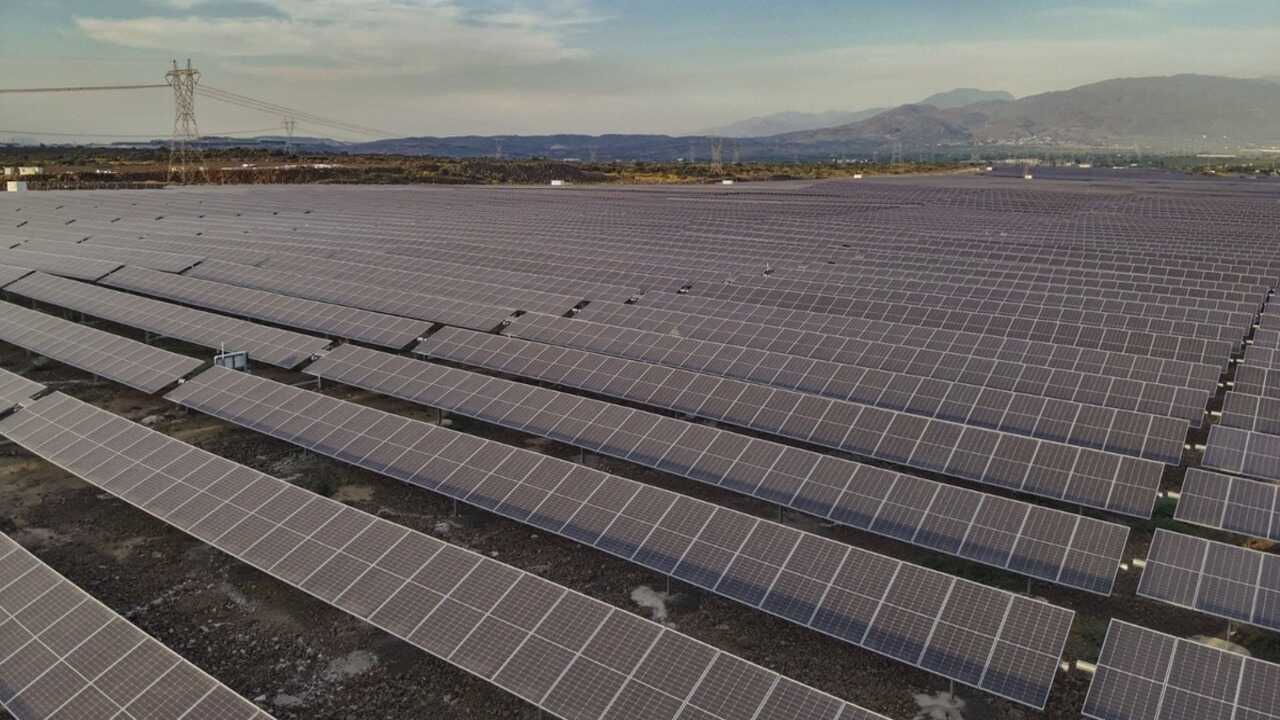
Nuclear energy in particular has returned to the table. Microsoft’s interest in certain nuclear energy projects has created a major stir in the sector. Small modular reactors, or SMRs, are becoming popular again. This is because AI data centers need uninterrupted energy, and a combination of solar and wind alone may not be enough.
Reports by the International Energy Agency state that electricity demand from data centers could double in the coming years. This is not just a technology story. It means a new era in the global energy equation.
From Türkiye’s perspective, there is a serious opportunity here. Countries with high solar capacity in particular could become more attractive for data center investments. If energy costs are kept low, Türkiye could become a regional AI infrastructure hub.
AI Infrastructure Spending Is Booming
One of the most critical terms in the AI sector is now “inference cost.” That is, the cost incurred while models are running.
This is because GPT-level systems consume significant hardware power not only during training but also during continuous operation. That is why hyperscale companies have pushed capex spending to historic levels. The combined data center investment budgets of Amazon, Microsoft, Meta and Google have exceeded hundreds of billions of dollars. The resources Meta alone allocates to AI infrastructure are larger than the annual technology investment of many countries.
Nvidia’s position is incredibly strong. This is because Nvidia chips form the core infrastructure of the global AI race. The company is no longer just a chip manufacturer; it has become the backbone of the modern AI economy. In recent presentations by Jensen Huang, the same theme kept appearing: “AI factories.” This phrase matters because the industry no longer sees data centers as classic server rooms. They are positioned as the production facilities of the new era.
Indeed, the matter has become somewhat like this. Just as oil refineries were in the 20th century, AI data centers are beginning to become that in the 2030 economy.
How Will the Global Economy Change on the Way to 2030?
In analyses by McKinsey and the IMF, it is discussed that AI could dramatically increase global productivity. However, whether this growth will be distributed equally is a big question mark.
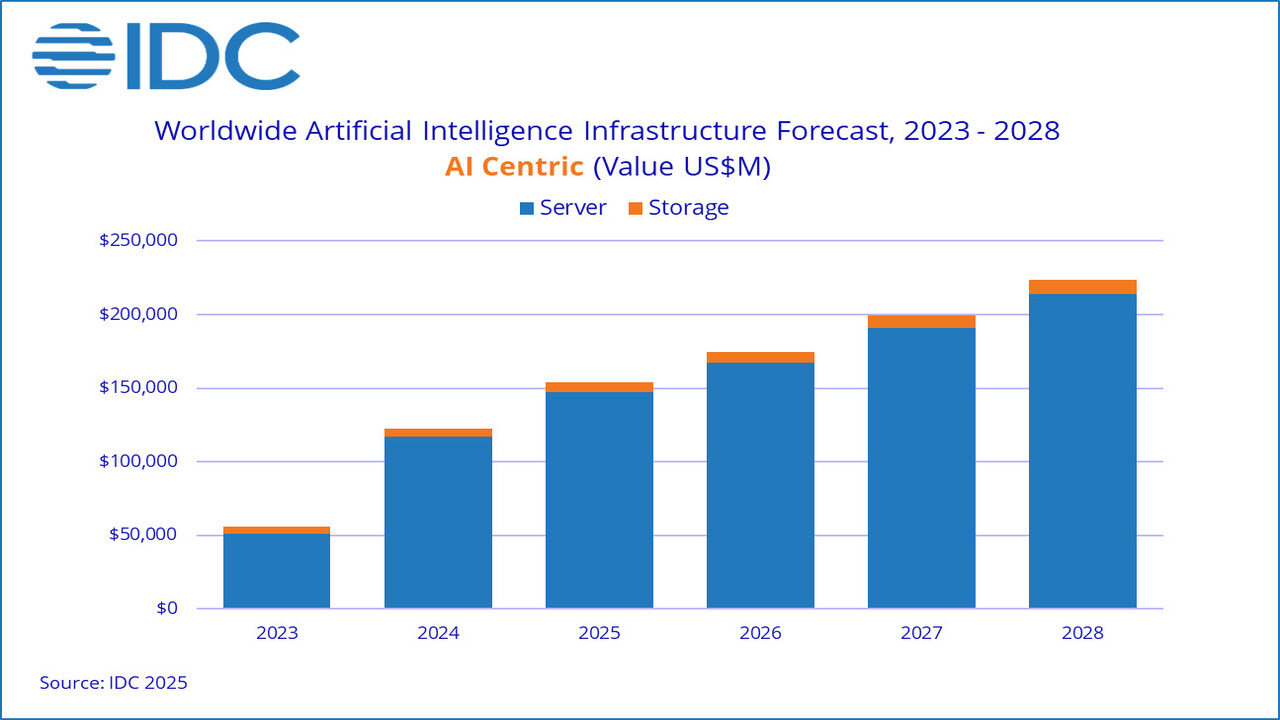
This is because countries that can build AI infrastructure gain an advantage. Economies without strong electricity generation, without access to the semiconductor supply chain, or unable to attract data center investment may fall behind. This creates a new digital inequality. The US is clearly ahead for now. China is investing aggressively. Gulf countries are trying to turn their energy advantages into AI investments. In particular, huge data center plans in the UAE and Saudi Arabia stand out.
Europe is moving forward with a regulation-focused approach. However, it is struggling in the data center race because of energy costs. Türkiye’s position here is not yet clear. But its young developer population and strategic location could be an advantage. In particular, Istanbul-based regional data center investments may be discussed more often in the coming years.
Nvidia, OpenAI and Energy Companies at the Same Table
What is happening in the sector right now is essentially the convergence of the technology and energy sectors. OpenAI wants to build more powerful models. For this, it needs more GPUs, and Nvidia and OpenAI are coming together again.
More GPUs mean more electricity. More electricity requires energy infrastructure. The chain grows this way.
What is interesting is that technology companies are now making direct energy deals. Microsoft’s moves on the energy side signal this. Google had been buying renewable energy for a long time, but the scale has grown far larger after AI. Some analysts describe this as a “new industrial revolution.” It may sound like an exaggeration, but when you look at the numbers, it does not appear so. A $5 trillion investment cycle affects not only the technology sector but also many fields, from cement producers to copper miners.
This is because a data center means construction, energy, cooling systems, fiber infrastructure, semiconductors, electrical equipment and water infrastructure. That is why some investors say that viewing the AI revolution only as a software story is a major mistake.
The Data Center Race Is Increasing Environmental Pressure
There is also a darker side. AI data centers consume not only electricity but also significant amounts of water. Advanced cooling systems are required especially for large-scale GPU clusters. In some regions of the US, local crises have begun due to the water consumption of data centers. The European Union, meanwhile, is tightening environmental regulations for data centers.
This is why carbon-neutral data center goals have gained importance. However, many people inside the sector doubt the sustainability of the current pace of AI growth. This is because everyone is trying to build data centers at the same time.
The important question here is this: will the AI economy truly generate enough efficiency to cover this cost? Or will it turn into a massive technology bubble? Wall Street is currently debating exactly this.
Wall Street’s New Obsession: The Capex Cycle
The rise in technology stocks is not based solely on software expectations. Investors are now betting on the infrastructure economy.
In particular:
Nvidia
Broadcom
TSMC
Schneider Electric
Siemens Energy
Vertiv
companies have become key players in the AI infrastructure chain.
The Vertiv example is especially interesting because the company manufactures data center cooling systems. In other words, it does not directly produce AI models, yet it earns enormous revenue from the AI boom.

This shows us that:
The winners of the AI economy will not be only the companies that develop models.
Energy companies, electrical equipment manufacturers and data center infrastructure providers could also become the giants of the new era.
The Real Pressure in the AI Era: The OPEX Explosion
The billions of dollars companies invest in data centers today are only the visible side of the story. The real cost of the AI economy lies less in building these infrastructures and more in keeping them running continuously. Capital expenditures, defined as CAPEX in finance, refer to long-term investments such as data center construction, GPU clusters, energy infrastructure and semiconductor factories. However, the operational costs that begin once the system is up and running, namely the OPEX side, have started to put increasing pressure on technology companies.
In particular, electricity consumption, cooling needs, maintenance operations and inference costs incurred while running generative AI models are now directly felt on the balance sheets of major technology companies. In other words, companies are competing not only to produce more powerful models, but also to run these models at sustainable costs.
This is the main reason why companies such as Microsoft, Google, Amazon and OpenAI are making direct deals with energy companies today. Modern AI data centers have stopped being classic technology infrastructure; they have become enormous energy-consuming industrial systems. Just as oil refineries meant to the global economy in the 20th century, AI data centers of the 2030s are moving toward a similar strategic position.
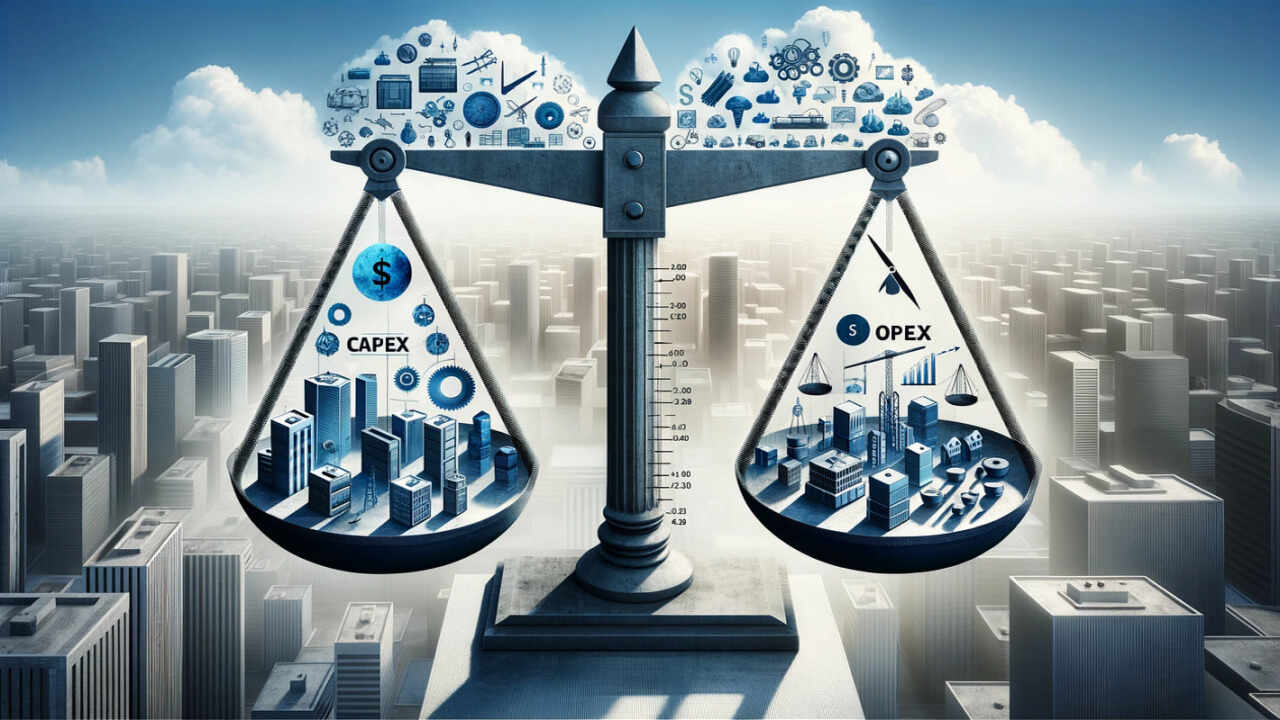
The critical question on the Wall Street side arises here: companies can finance their CAPEX investments, but will they be able to sustain rising OPEX costs in the long run? Especially in a period when electricity prices are rising and energy supply is becoming critical, this question is seen as one of the key issues that will determine the future of the AI sector.
Where Does Türkiye Stand in This Major Wave?
In Türkiye, AI discussions still largely revolve around the application layer. Yet the global race is taking place in infrastructure.
This is a serious risk.
Because data center capacity and energy costs may determine direct competitive advantage in the future. Türkiye has strong potential, especially in renewable energy. Solar investments are accelerating. However, an AI-scale data center ecosystem requires a more aggressive strategy.
Still, the window of opportunity is not closed.
In particular, Turkish startups have a chance to enter the global market in areas such as:
AI optimization software
Energy efficiency solutions
Data center automation
GPU resource management
.
Who Will Win the $5 Trillion Race?
Right now everyone is asking the same question: who will win at the end of this investment frenzy?
In the short term, Nvidia appears very strong. However, new giants may also emerge on the energy side. Companies serving the data center ecosystem could grow unexpectedly in the coming years.

But the key point here is this:
AI is no longer just a software trend. It has become a force that is reshaping the physical infrastructure of the global economy.
The internet revolution digitized the world. The AI revolution is rebuilding it.
And it seems this construction process is still at its beginning.
Frequently Asked Questions (FAQ)
What does Capex Cycle mean?
The Capex Cycle refers to the economic period in which companies accelerate large physical investments such as data centers, energy facilities and chip factories.
Why are AI companies investing in energy?
Because large AI models consume an incredible amount of electricity. Data centers have now become directly dependent on energy infrastructure.
Why are AI data centers so important?
Modern AI systems run on massive GPU clusters. These clusters are housed in data centers and form the foundation of the AI economy.
Why is Nvidia at the center of this transformation?
Because a large part of the global AI infrastructure runs on Nvidia GPUs. The company holds the position of the core hardware provider of the AI era.

Can Türkiye be strong in the AI infrastructure race?
If energy costs and data center investments are managed well, Türkiye could become a regional AI hub. However, aggressive investment is currently needed.
Where is the $5 trillion investment going?
Physical investments in data centers, energy plants, semiconductor production, electricity infrastructure and AI systems stand out.
Veri Bilimciler için Codex: Akıllı Analiz ve Raporlama


Mac Kullanıcıları Dikkat: Claude ve Google Üzerinden Saldırı!


