


Skip to content
Back to blog list
OpenAI ve Microsoft'a Karşı Tarihi Bir Dava: New York Times'tan Büyük Hamle!
Artificial Intelligence

A Case Against OpenAI and Microsoft: Great Hamle from New York Times!

Automatically translated
Masqot Community
Masqot CommunityCreator
3 min read

Hello dear Masqot readers! I'm going to meet a news of the technology world. We have understood once again with this news that we should not forget about the ethical size of artificial intelligence, if artificial intelligence is found in the executions that will facilitate each other and humanity. Journalism giant New York Times (NYT) opened a remarkable case from leading companies in the field of artificial intelligence to OpenAI and Microsoft. So, what’s behind the curtain of this case? Bride, let's examine together.
Yapay zeka konusunda telif hakkı

Artificial Intelligence, Copyright and the Right of a Newspaper

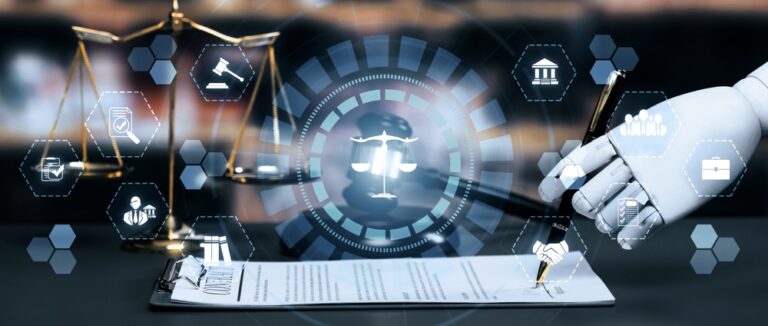
New York Times claim that OpenAI and Microsoft use NYT article unauthorizedly protected by millions of copyrights to train artificial intelligence models. This is a clear violation of intellectual property rights. The most striking point here is that NYT is located in Common Crawl, one of the largest proprietary data sets used to train artificial intelligence models.

ChatGPT and Copyright Discussions

ChatGPT and copyright topics are truly an interesting discussion area. This is a more complex, especially in the fields of information processing and artificial intelligence. The case of direct use of information from sources like New York Times shows how important this issue is.

In fact, this situation blurs the line between the content produced by artificial intelligence and the original content. Artificial intelligence creates new content by processing existing information. However, in this process, we encounter as an important question mark on how to protect original works and ensure its uniqueness. What are the contents produced by artificial intelligence in accordance with the copyright rules of resources based on? This is a topic that both legalists and technology experts should consider.

On the basis of this discussion, how artificial intelligence adapts to the concepts of creativity and originality. Artificial intelligence processes information through algorithms and creates new content. What should be the copyright of the content produced in this process? Is artificial intelligence itself, or do they develop artificial intelligence? Or are the owners of the underlying resources? These questions are an indication of how technology should be adapted to law in a world that quickly conveys.
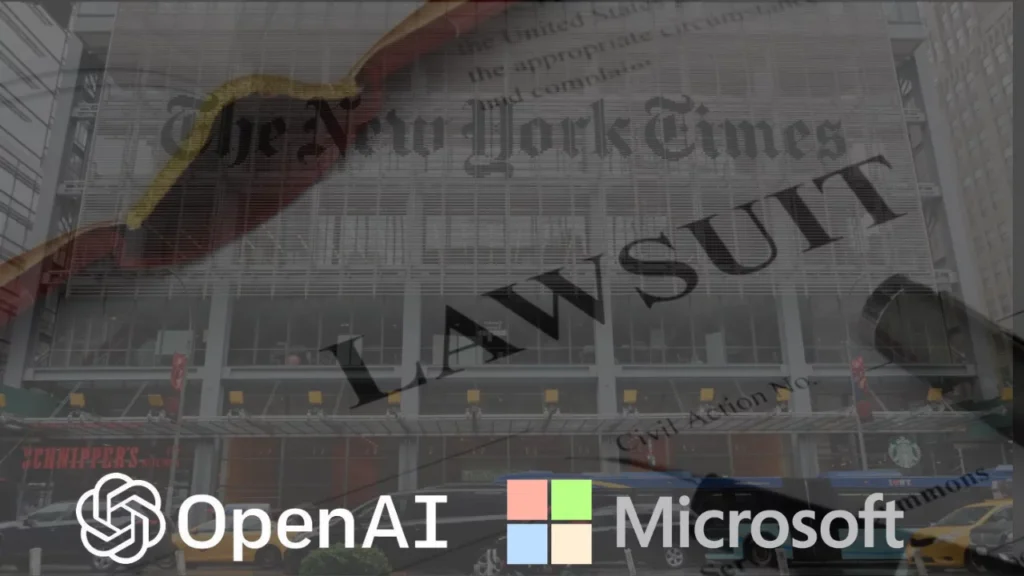
New york timesdan openAI ve microsofta dava

Results and Effects of Artificial Intelligence Sector

This case may be a breaking point for the artificial intelligence industry. If New York Times gets the case, other media companies may also request compensation due to the use of their contents in the AI training. This can lead to significant changes in access and usage forms of artificial intelligence firms with copyright and can significantly affect the future of artificial intelligence.

In short, interesting developments are experienced in the world of technology and law. Private AI Home About ethical size of red lines is now more pronounced. This case can redefined the limits and ethical rules of artificial intelligence. Is New York Times right? How to shape the future of artificial intelligence with this case? I'm waiting for your comments!

Source

Hello dear Masqot readers! I'm going to meet a news of the technology world. We have understood once again with this news that we should not forget about the ethical size of artificial intelligence, if artificial intelligence is found in the executions that will facilitate each other and humanity. Journalism giant New York Times (NYT) opened a remarkable case from leading companies in the field of artificial intelligence to OpenAI and Microsoft. So, what’s behind the curtain of this case? Bride, let's examine together. Artificial Intelligence, Copyright and the Right of a Newspaper New York Times claim that OpenAI and Microsoft use NYT article unauthorizedly protected by millions of copyrights to train artificial intelligence models. This is a clear violation of intellectual property rights. The most striking point here is that NYT is located in Common Crawl, one of the largest proprietary data sets used to train artificial intelligence models. ChatGPT and Copyright Discussions ChatGPT and copyright topics are truly an interesting discussion area. This is a more complex, especially in the fields of information processing and artificial intelligence. The case of direct use of information from sources like New York Times shows how important this issue is. In fact, this situation blurs the line between the content produced by artificial intelligence and the original content. Artificial intelligence creates new content by processing existing information. However, in this process, we encounter as an important question mark on how to protect original works and ensure its uniqueness. What are the contents produced by artificial intelligence in accordance with the copyright rules of resources based on? This is a topic that both legalists and technology experts should consider. On the basis of this discussion, how artificial intelligence adapts to the concepts of creativity and originality. Artificial intelligence processes information through algorithms and creates new content. What should be the copyright of the content produced in this process? Is artificial intelligence itself, or do they develop artificial intelligence? Or are the owners of the underlying resources? These questions are an indication of how technology should be adapted to law in a world that quickly conveys. Results and Effects of Artificial Intelligence Sector This case may be a breaking point for the artificial intelligence industry. If New York Times gets the case, other media companies may also request compensation due to the use of their contents in the AI training. This can lead to significant changes in access and usage forms of artificial intelligence firms with copyright and can significantly affect the future of artificial intelligence. In short, interesting developments are experienced in the world of technology and law. Private AI Home About ethical size of red lines is now more pronounced. This case can redefined the limits and ethical rules of artificial intelligence. Is New York Times right? How to shape the future of artificial intelligence with this case? I'm waiting for your comments! Source

Masqot Community
Masqot CommunityCreator
@masqot

Comments (0)

Log in to comment.

Log in
No comments yet. Be the first to comment!