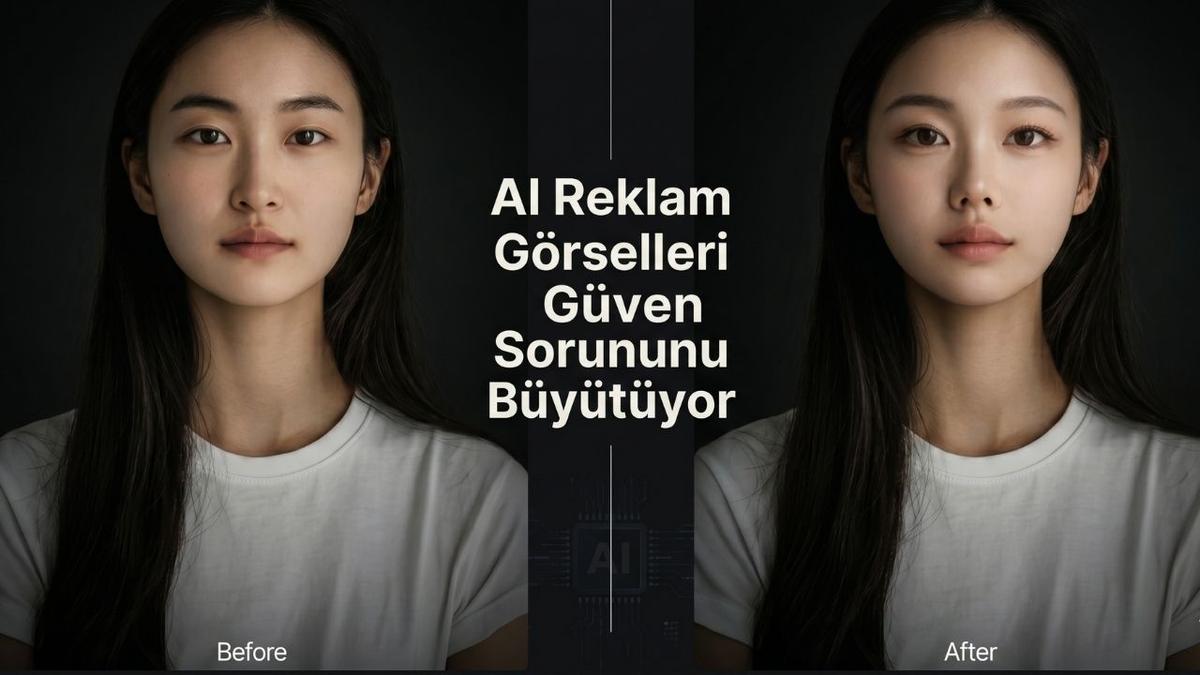
AI Advertising Visuals Grow Trust Problem
Automatically translated
 Writer
When a aesthetic clinic examines “previous–sonrasi” photos in the social media account; changing nose shape, sharpened facial lines and perfect skin structure creates the perception of operation directly from the consumer. Although the first reflex is often not relying on clinical success, in today’s technology, the possibility of having no presence in that visual person has reached a dimension that won’t be ignored.
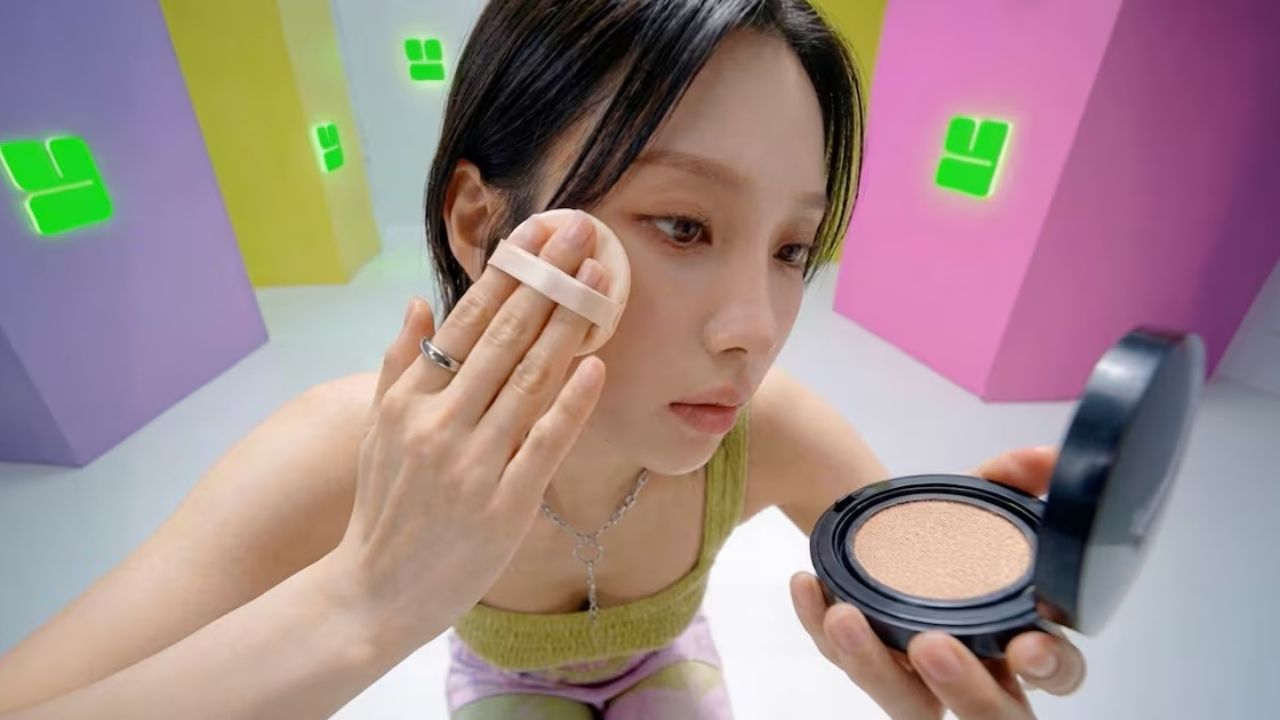
In South Korea, aesthetic clinics and beauty sector use more AI advertising visuals launched a new discussion. Providing such as the actual patient result of previous-after contents, especially made with artificial intelligence, not only advertising ethics, but directly into the issue of consumer trust. According to local media reports, some clinics, hair salons and beauty brands are now using models created with productive artificial intelligence instead of actual customers, and this situation is not often noted.
The focus point of the discussion is that technology itself is not, the limits and manipulation of technology starts. Artificial intelligence is seen rapidly blurred in areas that require high trust, especially health and aesthetic. This is not only a limited problem with South Korea. When Turkey considers aesthetic tourism and clinical advertising volume, this global discussion will be inevitable to reflect the local market.
New Period in Aesthetic Clinics in South Korea: AI Advertising Visuals
South Korea is one of the most important centers in the field of aesthetic operations. Seoul’s Gangnam region operates as a global aesthetic clinic ecosystem, and high customer expectation with the competition in the sector critically social media visibility. Clinics in this dense competition environment, instead of classic photos productive AI tools orient. The process looks quite practical in terms of the sector. Real model rental, studio shooting, copyright and legal permission processes are based only the right command to produce the ideal facial structure with artificial intelligence while creating high costs. Algorithms can also optimise the premium clinical perception of the brand, as well as variables such as age, facial type, skin tone, hairstyle. This condition, which provides high efficiency in terms of clinics, brings a critical question on the consumer side: Does the presented visual reflects a real result, or is the ideal to sell? This question is important in the aesthetic sector where the individual decides directly on his body.
What Does It Start Discussion?
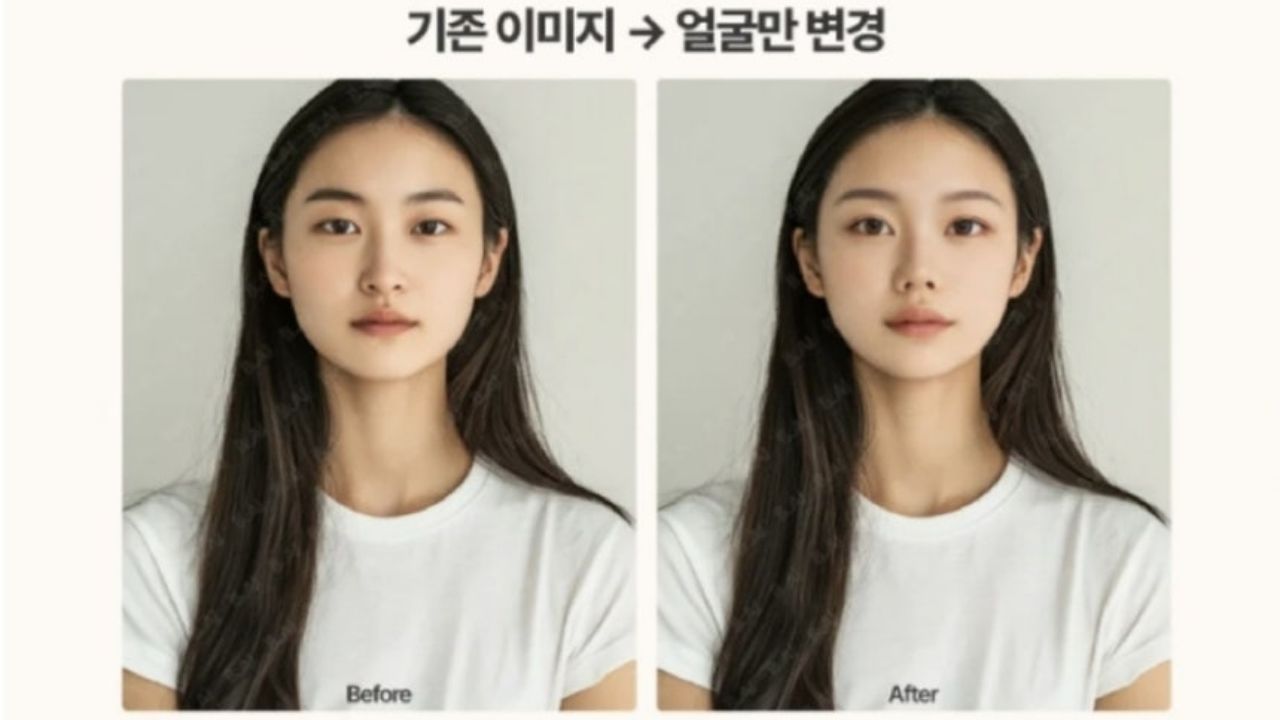
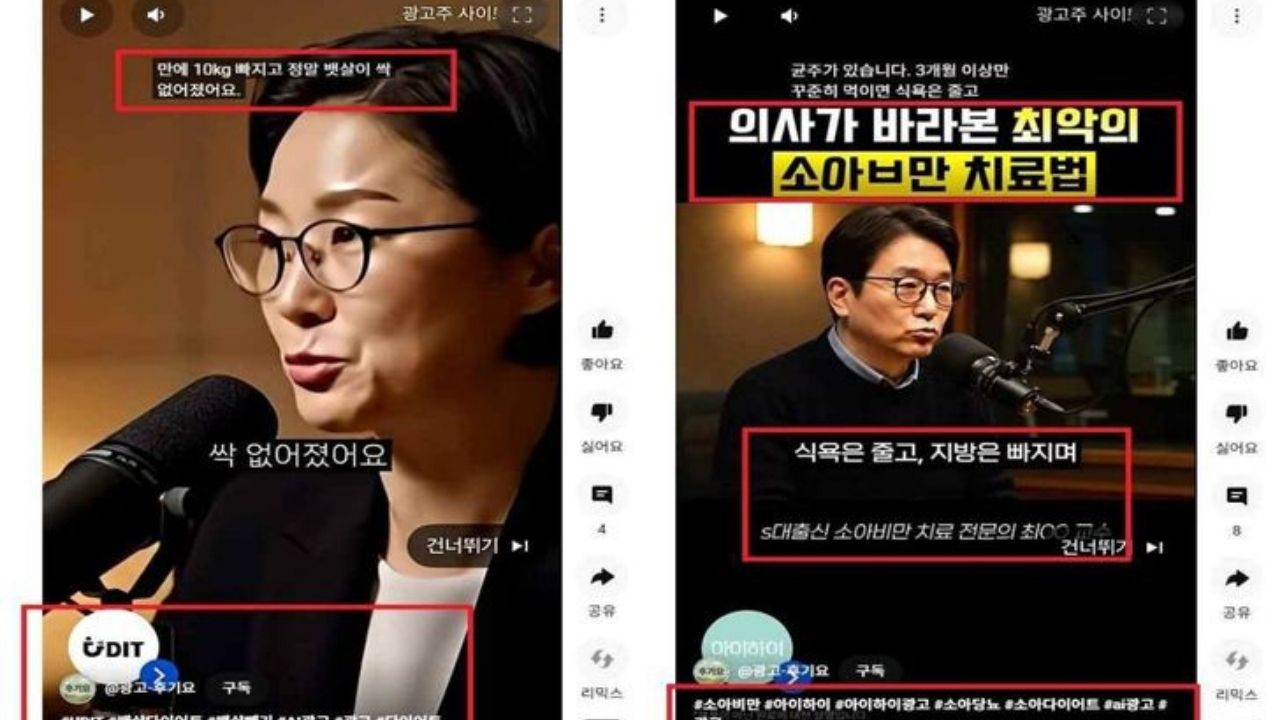
The main reason for growing discussion in Korean press is showing aesthetic clinics and beauty businesses to use artificial intelligence visuals that give the impression of real user experience. Contents in the pre-sonrau format are located in the center of this discussion. According to local news sources, The models created by artificial intelligence in some advertising content are presented as a result of actual operation, and most of these images are not included in the AI-generated label. Therefore, users were forced to distinguish the content they encounter is a synthetic production.
This is not only limited to aesthetic clinics. AI characters that give real human impression on friendship app ads have been reported that fake customer images and television program are used in restaurants promotions. The main problem here is that AI visuals are not used, such visuals are presented as real. Although the aim of convincing the nature of the ad is to be convinced, the line between persuade in the health category is much more sensitive legal and ethical limits.
Is Real Patient, Artificial Intelligence?
Before/after photos in the aesthetic industry are not only one marketing material, but also one of the most important trust mechanisms. When buying a consumer, treatment or operation decision, the physician is referenced how it results in previous patients. The results shown are unrealistic, leads to the manipulation of the consumer’s decision mechanism Tags.
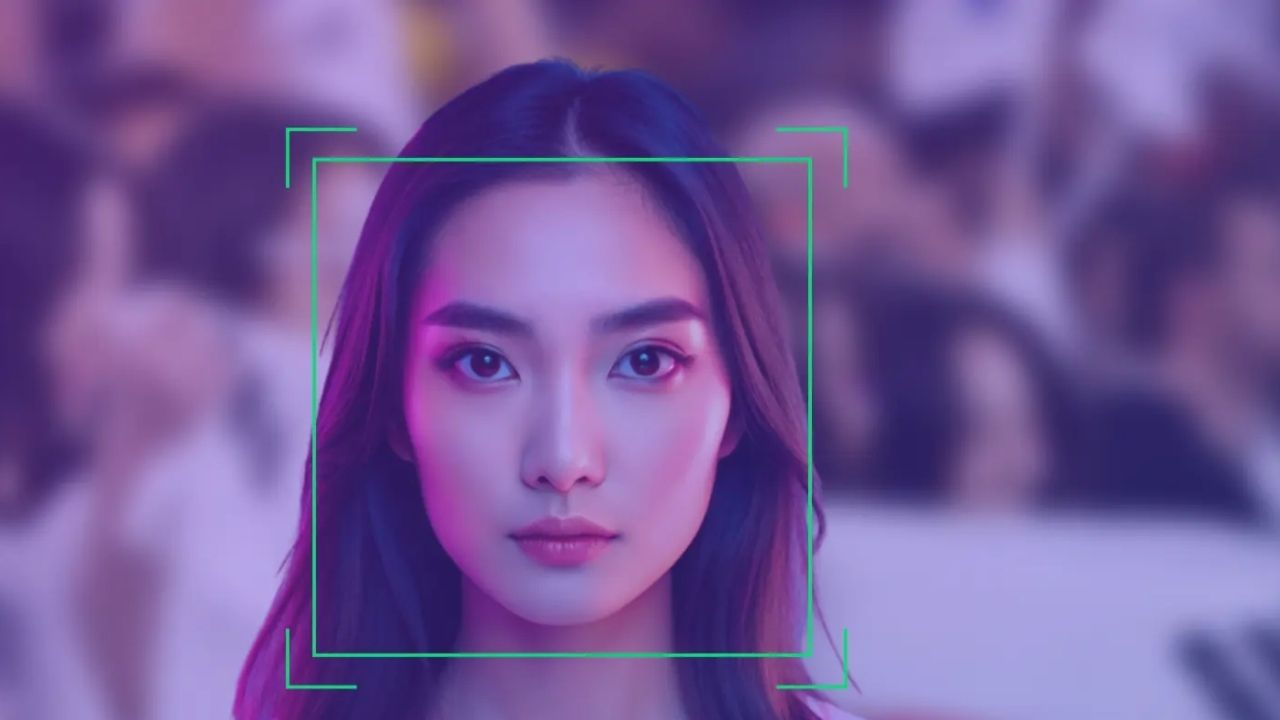
In communities on global platforms like Reddit, It is seen that users begin to call artificial intelligence traces by reviewing clinical results visuals in detail. In the ear alignment, details such as inconsistencies, unreasonable shadows or excessive perfect facial symmetry are examined. Increased the difference between mobile filters and artificial intelligence production content, giving a new visual verification culture in digital platforms. When looking for Photoshop traces as digital manipulation in the past, they are looking for prompt tracks today. Given the speed of development of models while producing, an ordinary user in the near future will become almost impossible.
Why is AI Content Trust a Great Problem?
The main issue in the center of development is the problem of trust in artificial intelligence content. The digital world has a trust crisis due to fake reviews, non-transparent influencer business associations and exaggerated ads for a long time. The status of hyper-realistic AI content to this ecosystem has become more complex. The effects of this condition in health, aesthetics and wellness areas are much more risky. Due to the structure of the sector, the price of a wrong decision can cause physical damage by passing beyond financial losses. The description of a consumer specialist in Korean press clearly summarizes the situation:
The AI content shown as "real user experience can be directly shortened the consumer and is particularly high in the field of beauty. "
At this point, rather than an anti-tech downtime, it is necessary to answer the basic problem: can artificial intelligence content replace the actual experience? In line with existing dynamics, this technology can support processes but it is seen that it carries a high risk of positioning the actual experience. On the other hand, the health sector in South Korea, as well as the head of politicians, the AI is compiled with the contents of the plate.
Where does Generative AI Marketing In Health and Aesthetics?
Artificial intelligence in terms of marketing strategies is a highly powerful tool for subjects such as model production, campaign variation testing in seconds, lowering costs and rapid creative production. However, in the health and aesthetic sector, ethical threshold has to be much higher. Because the expected service is intended to change the physical structure of the individual directly.
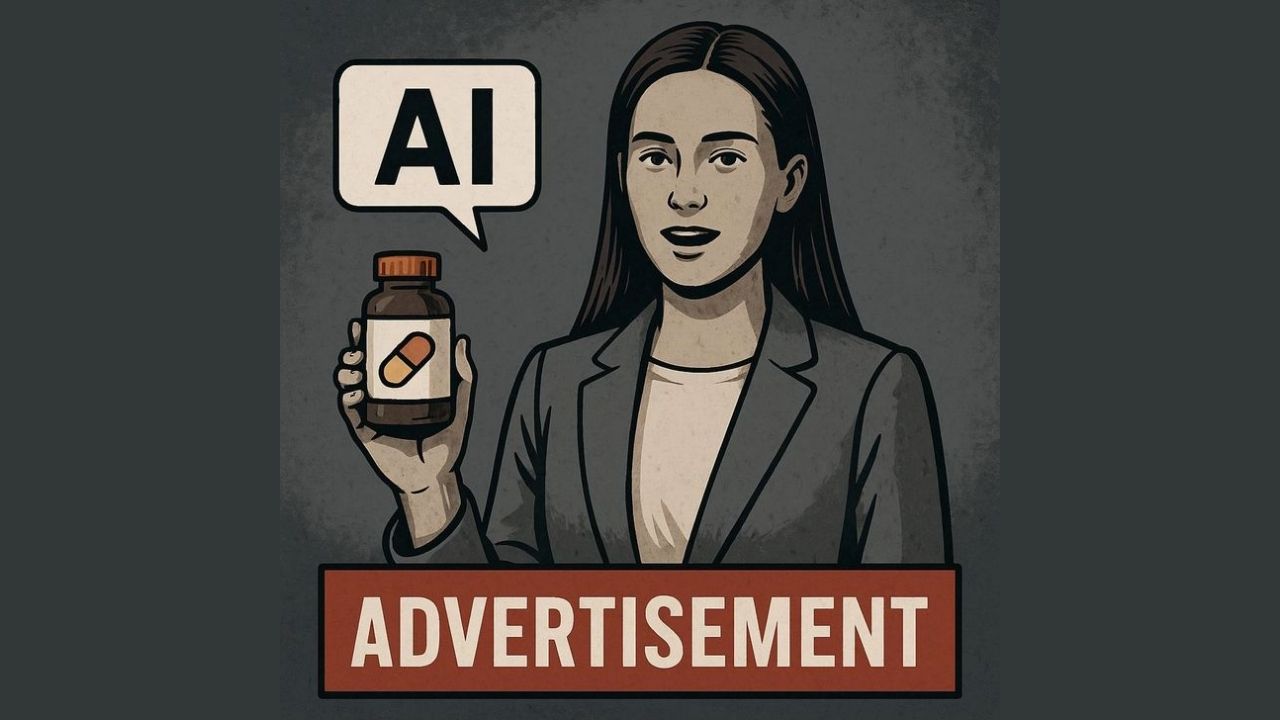
With the emphasis of a clinic “inhabited appearance” or “simulation”, the campaign execution clearly states that artificial intelligence uses visuals is a legal marketing activity, although this visual is in the middle where the limit is exceeded in case of a real operation evidence. The main risk on the experts in South Korea is that artificial intelligence models are used as a "repair proof" This situation transforms marketing in health and aesthetic areas to sell a non-real expectation from showing clinical success.
Why Does South Korea Regulators Alarm?
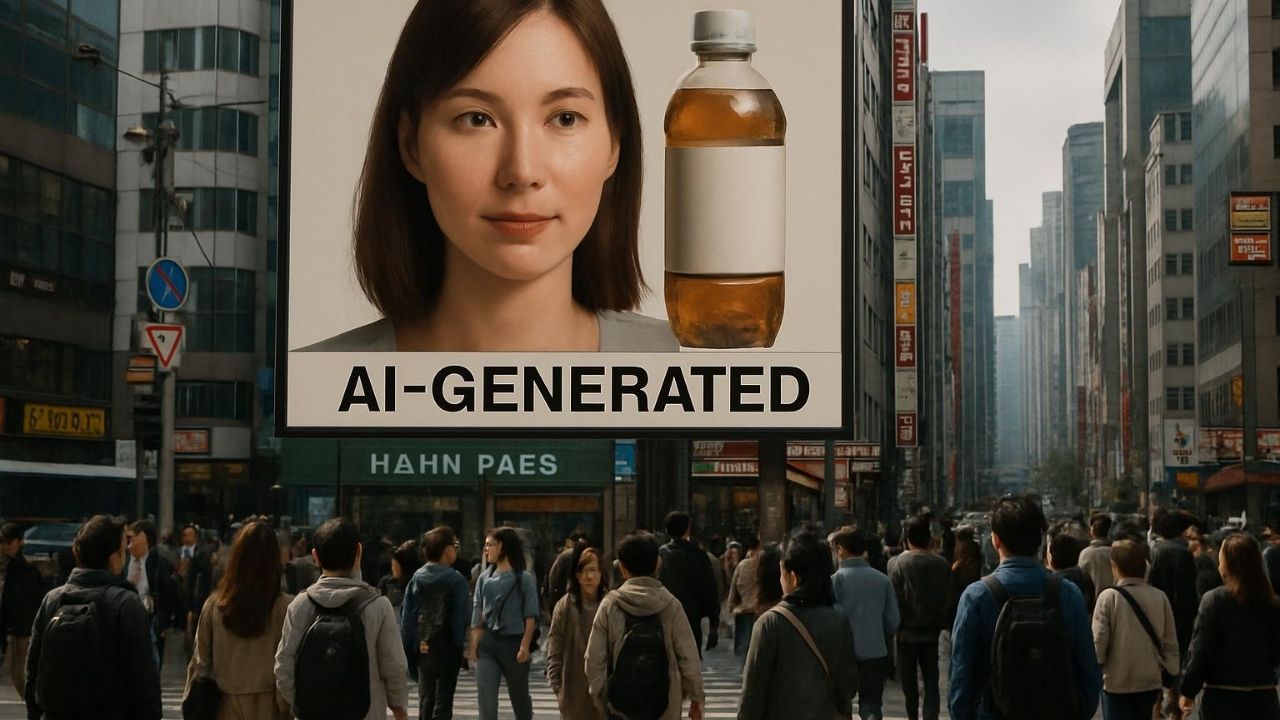
South Korea government accelerated legal editing preparations for artificial intelligence-based ads. As a result of the spread of fake doctor videos, expert figures and manipulative health ads, the authorities had taken the mandatory labeling app on the advertising content made with AI. Another important legal development is to be taken into the category of "unfortunate advertising" that does not rely on a real experience. These developments also indicate that they will pass to new standards on digital advertising. Some of the labels that are expected to be mandatory on a global scale in the near period are:
“AI-generated image” (Visual visual made with the bank)
“Virtual model” (Virtual model)
“Digitally arranged result” (Digitally simulated result)
How Do Sectoral Reflections in Turkey?
Turkey is one of the biggest players of aesthetic tourism and health tourism in the world. Especially in the areas of hair transplantation, rinoplasty and medical aesthetics, an intensive international patient traffic is managed. In the current case, intensively filtered and digital interfering clinical images are already included. It is technically easy to integrate artificial intelligence images into this ecosystem and is predicted that it starts at certain rates. The main legal and ethical problem here is that clinics will not be required to indicate that artificial intelligence is used, and the consumer will not distinguish this synthetic production. This discussion is critically important especially in clinics aimed at foreign patients. As the most basic capital trust element in health tourism, the intelligence of this perception is not only related clinic, but also damage the brand image of the country.
From marketing perspective, the actual problem is not artificial intelligence advertising, but non-transparent artificial intelligence use. Nowadays, consumers use productive AI tools in everyday life, with not being foreign to the technology. Therefore, the appeal of the modern consumer is intended not to be explained in technology. When a brand moves with “this visual artificial intelligence” transparency, the consumer can accept it. However, after a visual presented as a result of "real patient", the understanding that it is the production of artificial intelligence, the brand commitment and trust is severely poisoned.
No Problem Using Artificial Intelligence, Less Problem
The course to be removed from this process is not only for aesthetic clinics; it applies to many sectors such as e-commerce, education, wellness and real estate. The successful brands of the future will share with the public, instead of hiding the use of artificial intelligence. As digital literacy and technology consciousness rises, consumers realize the artificial impeccableness faster and approach with suspicion that it is more perfect. This cultural change is a fact that marketing strategies need to adapt.
What Sectors Are There After Aesthetics?
In case of growth of this trend, other industries predicted that artificial intelligence models are used intensively are:
Cosmetics and Skin Care
Hair Transplantation Centers
Dietician and Nutrition Consultancy
Fitness and Physical Transformation Programs
Online Training Platforms
Real Estate
Dating Apps
Dating practices in South Korea are reported to use artificial intelligence characters that give real profile impression to increase user interaction. In a future where a large part of the digital world looks like "real-looking but never existed" will be forced to decide what consumers are real. In this direction, the most valuable capital of the next period is not data or algorithm, but "direct trust".
Frequently Asked Questions (SSS)
Is AI Advertising Visuals Legal to Use?
Using advertising visuals made with artificial intelligence alone is not directly illegal in most countries. Discussion is more turning around how these contents are presented. If a visual is produced with artificial intelligence and the real user experience is shown as a result of actual patient or real person, the risk of advertising ethics and misleading the consumer may arise.
Why Does Artificial Intelligence Advertising Create Trust Issue?
When people look at the sharing of an aesthetic clinic, they assume that they have a real patient experience. If the content encountered is synthetic production and this is not clearly indicated, the decision-making process can be formed by the feeling of manipulated. This situation can bring more serious results in areas that require high confidence, especially like health, beauty and wellness.
Why does AI content trust talk more in the last term?
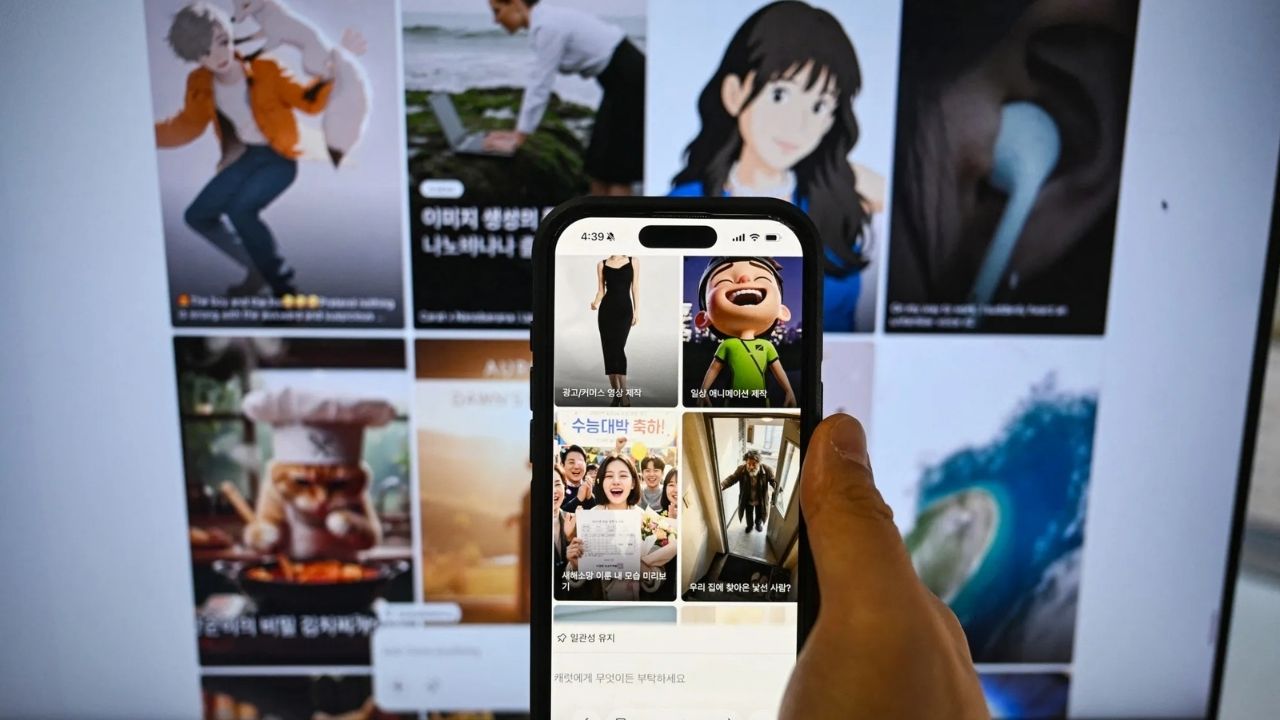
With the fact that artificial intelligence tools can produce hyper-realistic visuals, it has become more difficult to distinguish what is happening on the internet. Before the filter or walking manipulation via Photoshop, it is now carried out to another size as it can produce completely new faces and scenes. That’s why AI content trust has become one of the basic discussion titles not only the technology world, advertising and media industry.
Can Aesthetic Clinics Use AI Visuals in Turkey?
Technically, it is possible to prepare advertising content made with artificial intelligence. However, the content that may mislead the user on the health advertising side can pose serious risk. Synthetic visuals, especially offered as a result of actual operation, can give both ethical and legal discussion. As it grows aesthetic tourism in Turkey, it will not be surprising that more clear regulations come into the agenda.
Is Generative AI Marketing Used in Health Industry?
Artificial intelligence-supported marketing tools are not fully excluded technologies in the health industry. Clinical promotion can benefit in areas such as informative content production or concept visualization. The focus of the discussion is not the use of AI; how transparent it is explained to the user. In particular, openness and ethical limits are more important in content that creates patient results or impression of treatment.
WriterAI Şirketleri Halka Arz: SpaceX, OpenAI, Anthropic


AI Siber Saldırı Tehdidi Şirketleri Alarmda Tutuyor