How Ai Weiwei's Exhibition Explores Courage and Resistance
Automatically translated
 Writer
Chinese activist artist Ai Weiwei, a passionate defender of individual freedoms who challenges boundaries in the art world and questions authoritarian structures, has recently drawn wide international attention with his new exhibition. For years, he has focused on heavy themes such as collective memory, human rights violations, and the refugee crisis. This time, in a period when technology, digital surveillance, and mechanisms of social control are rapidly expanding, he redefines the concepts of courage and resistance.
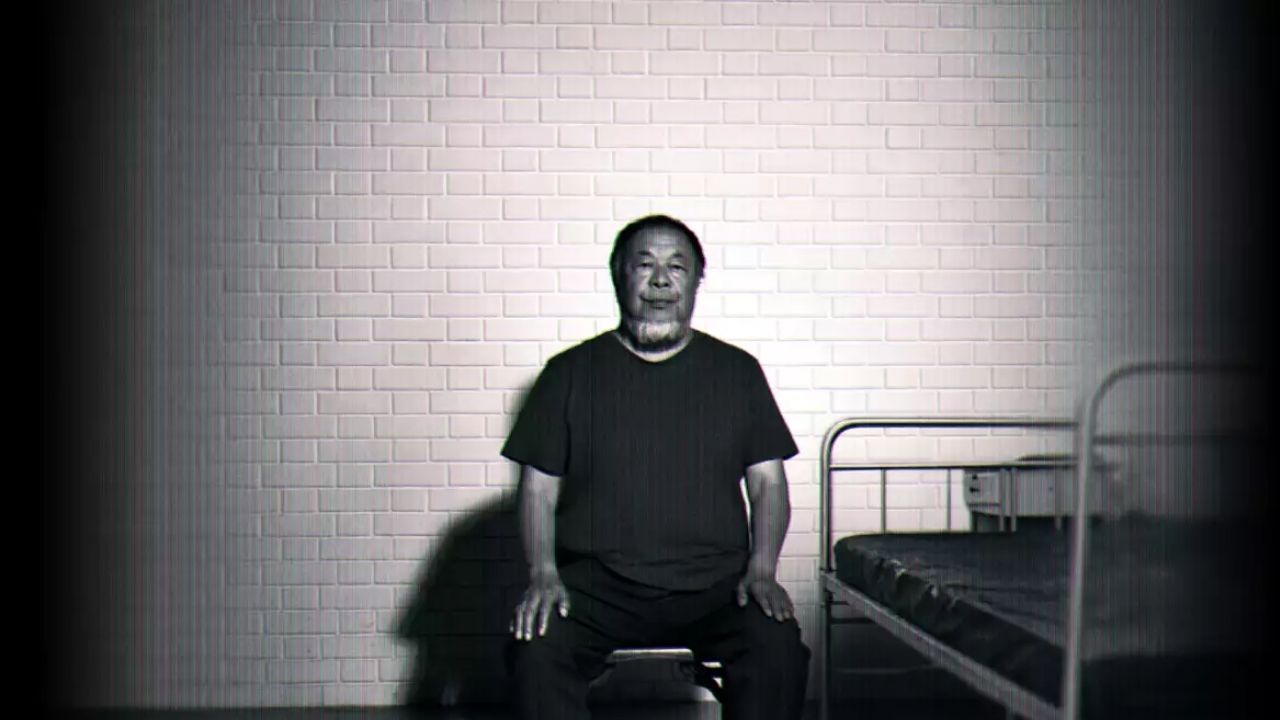
In an era when artistic tools have become digital and mass communication runs over networks, the narrative of the exhibition sends strong messages not only to classical art audiences but also to contemporary audiences curious about technology and data ethics. This interdisciplinary approach, which shows how an object, an idea, or even a single digital trace can challenge systems, draws viewers into deep questioning.
Individual Stance Against Authority and Artistic Manifestos
The main axis of the exhibition offers viewers more than aesthetic pleasure; it also reminds them how vital individual resistance to authority is. Censorship, detention, and digital surveillance that the artist has faced throughout his life form some of the most fundamental experiences underlying his works. The monumental installations, found objects, and digital visual archives on display reveal how the boundaries between the physical and virtual worlds have blurred.
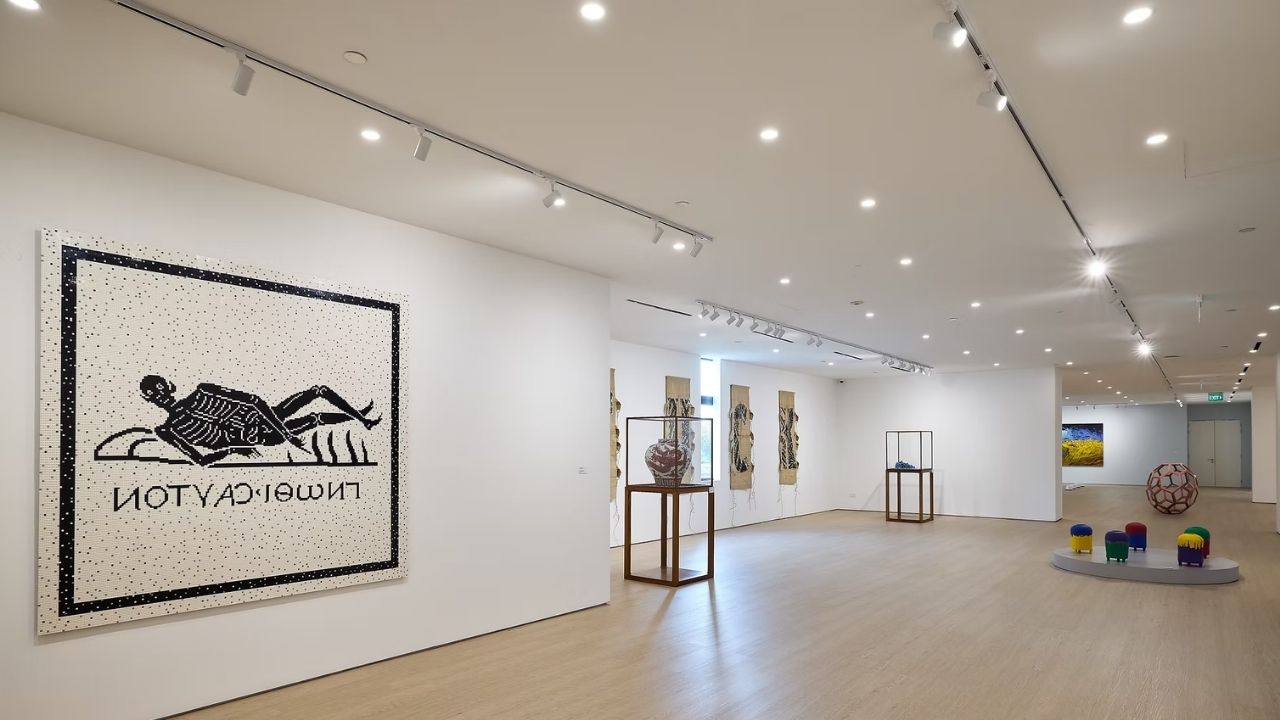
For technology enthusiasts, this exhibition is a unique laboratory for understanding how algorithm-based control mechanisms constrain the human spirit, and how visual communication can be turned into a weapon against those constraints. Given the artist's history of using the internet, social media, and new-generation systems such as blockchain as spaces of expression, each piece in the exhibition can be read as a reflection of digital activism in the physical gallery. Current artistic work and this broader narrative are documented in detail in the Tang Contemporary Art Ai Weiwei Exhibition documentation.
Where Contemporary Art Meets the Digital Age
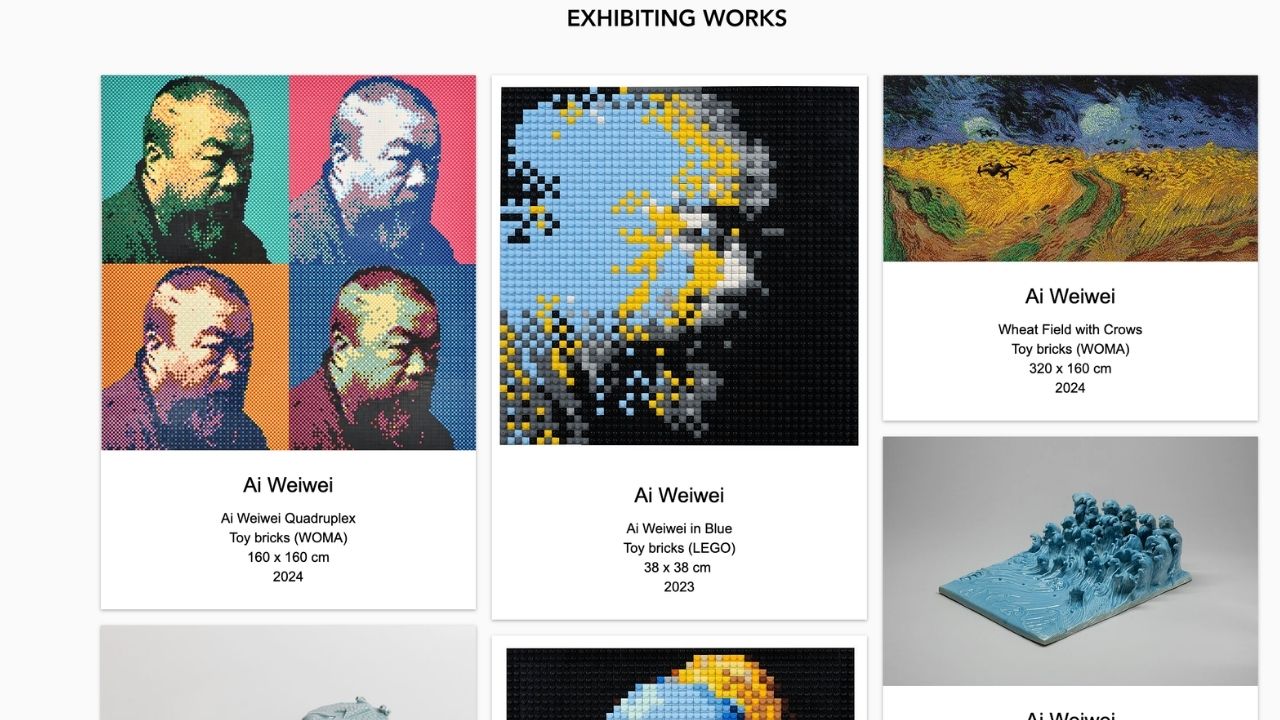
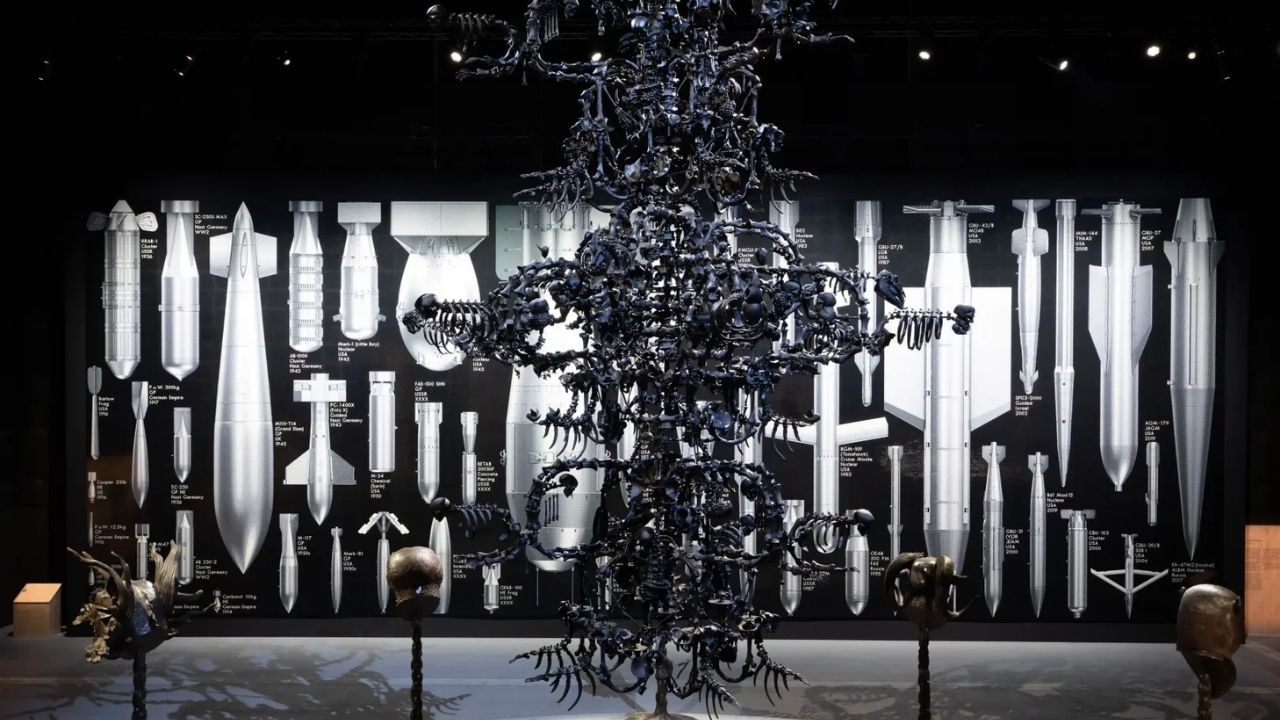
Today, contemporary art is no longer made up only of paint on canvas or marble sculptures; it has become an interdisciplinary field where data streams, social media protests, and digital code blend together. Ai Weiwei stands at the center of this transformation, combining traditional craft techniques with high technology and digital communication language. One of the most striking details of this new exhibition is the dialogue physical materials establish with the symbols of the digital age. Historical elements, from China's ancient porcelain craftsmanship to ancient architectural remains, are placed side by side with the information pollution flowing from our smartphone screens and censorship algorithms. This challenges the mindset that sees technology merely as a tool of consumption, and shows how political data and digital traces can be.
New-generation media production, data sculpture, and digital milestones such as Refik Anadol's Victory also reveal the transformative power of technology on the discipline of art from a different perspective. This parallel between the digital activism Ai Weiwei employs and algorithmic art production reinforces the place of technology-driven creation in contemporary culture.
The Power of Details: Ai Weiwei's Button Up Approach
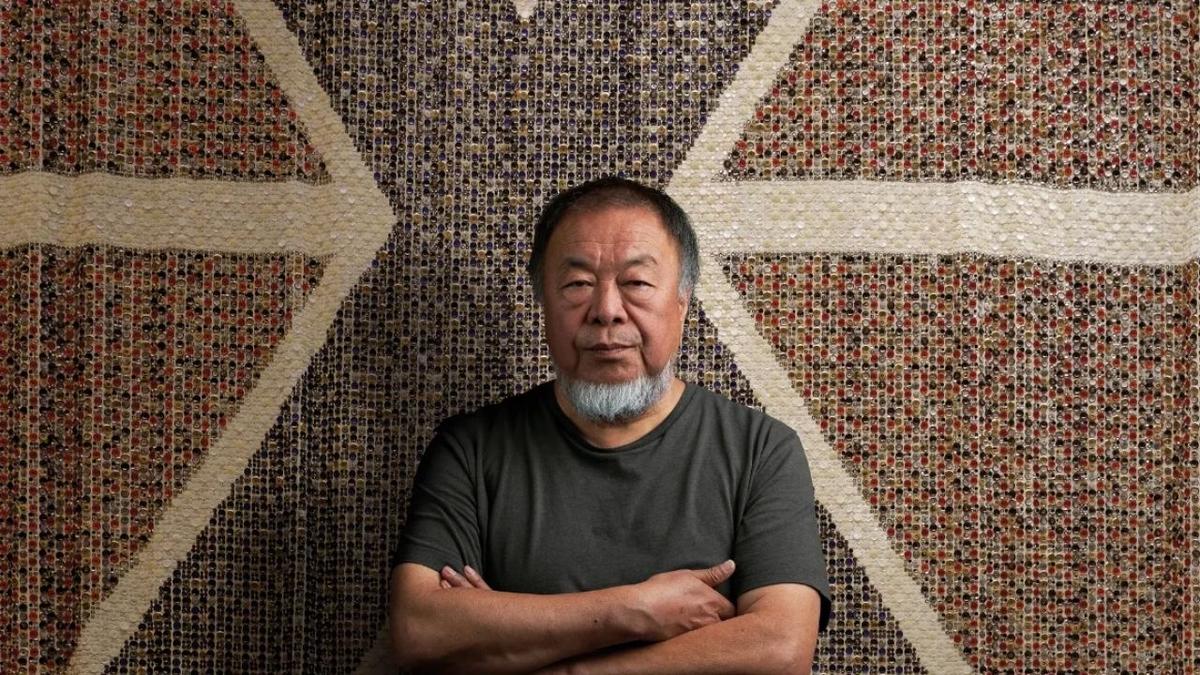
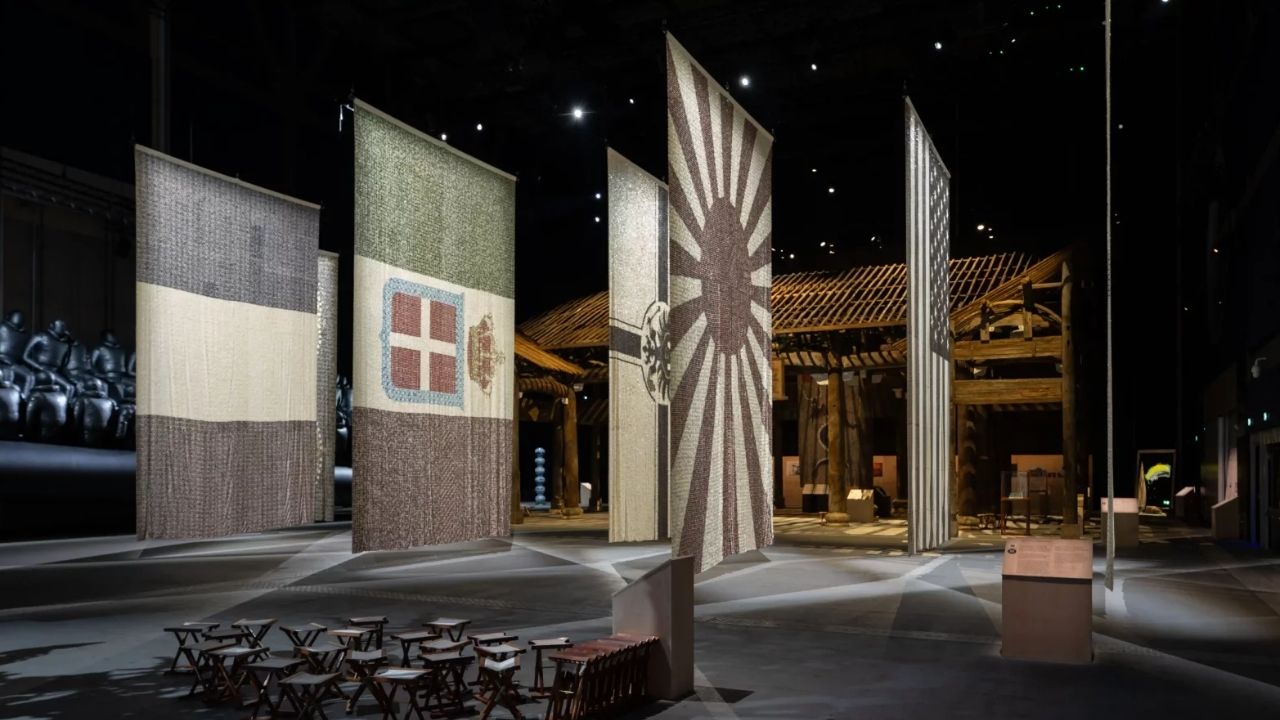
Ai Weiwei's Button Up approach, one of the standout works in the exhibition, alludes to the artist's iconic production processes and emphasizes how details and small actions can turn into mass resistance. Buttons, small parts, thousands of similar objects gathered together; in fact, they resemble the concept of pixels in the digital world or the tiny fragments of information in databases. The scope and spatial design of the project, as also seen in the Factory International Ai Weiwei Button Up exhibition selection, confirm the bond that mass-produced objects form with collective memory. A single cluster of pixels or a single button press may seem insignificant on its own, but when hundreds of thousands come together, they create an unstoppable flow of information and social momentum.
Collective Action: From Sewing a Button to Artistic Critique
This seemingly ordinary but collectively stirring artistic performance becomes a concrete action with the Factory International Ai Weiwei Sewing a Button work. By bringing together physical objects and handwork on a massive scale, the artist conveys to the viewer the message: "No matter how large a system is, it is the small units that form it and resist it." This perspective offers a logic that is very familiar and inspiring for technology enthusiasts interested in coding, open-source software, and decentralized networks.
As art critics have elaborated, the emphasized conceptual framework clearly demonstrates the global resonance of these minimal actions. This reflection of micro-movements from the digital world into the physical realm once again reveals the potential of individual participation to create collective power.
Courage, Censorship, and Technological Surveillance Systems
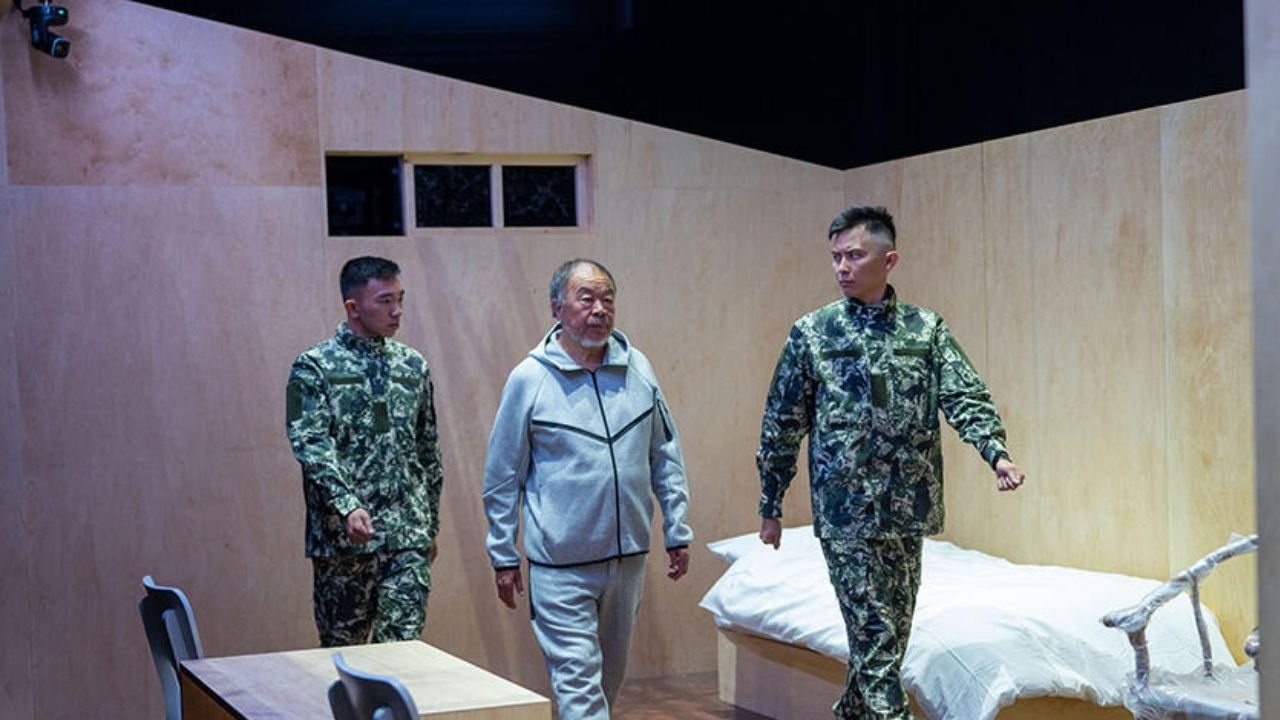
In the modern world, censorship no longer simply means covering newspaper pages with black bars. Today, freedom of expression is restricted through the manipulation of search engine algorithms, the suspension of social media accounts, and AI-based facial recognition systems. In this sense, a comprehensive art exhibition carries the responsibility of showing the viewer how reality is filtered and how these filters can be broken. Ai Weiwei draws attention to the dangers of the surveillance society by making the digital blackouts and physical tracking he experienced in his own country the main material of his works. As you walk through the exhibition, the security cameras you encounter, along with marble sculptures inspired by them and panels displaying censored search terms, reveal how fragile our presence in the digital world is.
Data Ethics, Privacy, and the Digital Future
For technology enthusiasts, this means more than watching an art event; it means confronting the political background of the digital tools we use. Questions about where our data is stored, how algorithms steer us, and how our digital footprints are turned into a control mechanism by authoritarian regimes form the core inquiries behind the visual spectacle of the exhibition. The artist's courage comes precisely from defending individual privacy and free thought against this technological tyranny. The way to overcome fear lies in using the tools of the system against the system itself; indeed, Ai Weiwei has been doing exactly this for years through live posts on his blog, social media campaigns, and digital documentation techniques.
Digital and Artistic Legacy Left to the Future
Ai Weiwei's latest work proves once again that art is not a passive object kept between museum walls, but one of the sharpest tools of critique and resistance in the digital age. In a world where freedom of expression is under threat and data is turned into a weapon, daring to speak, to voice opinions, and to create matters more than ever. For anyone who thinks about technology, the digital future, and human values, this exhibition offers a mental experience not to be missed and a powerful source of inspiration.
WriterYapay Zeka Sıfırıncı Gün Açığı Bulmaya Başladı

Duolingo CEO Açıkladı:AI Dil Öğrenmeyi Nasıl Değiştirecek?