Artificial Intelligence 16 New Virus Designed: How Much Is Risk?
Automatically translated
 Writer
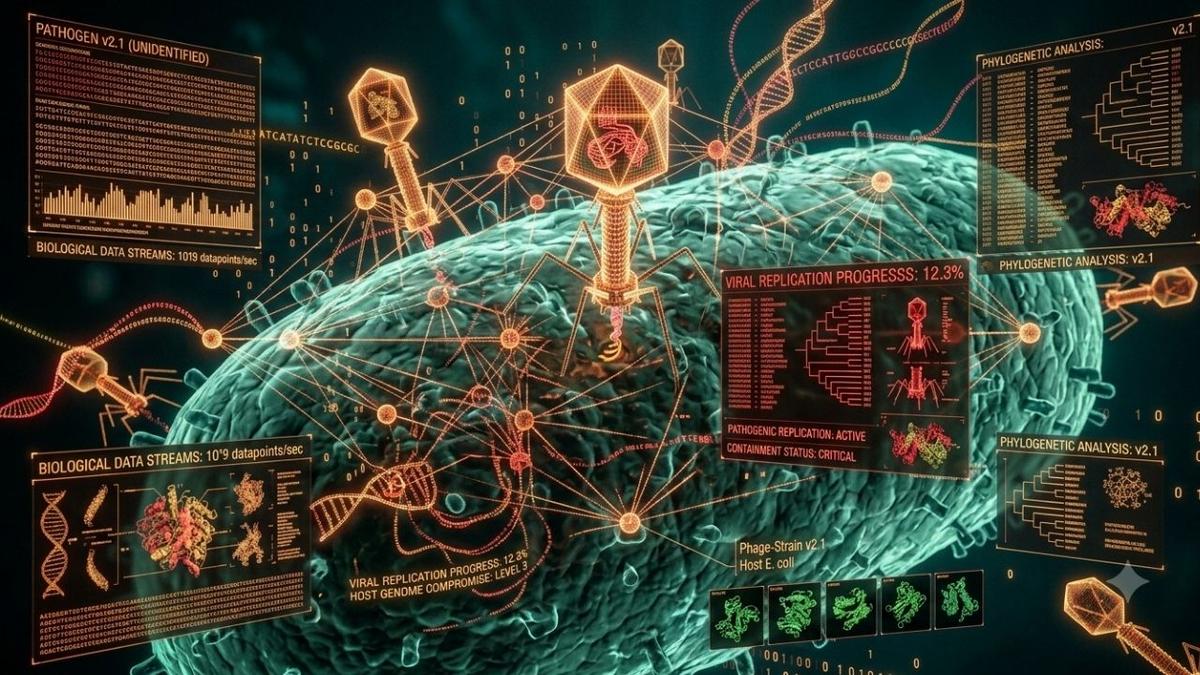
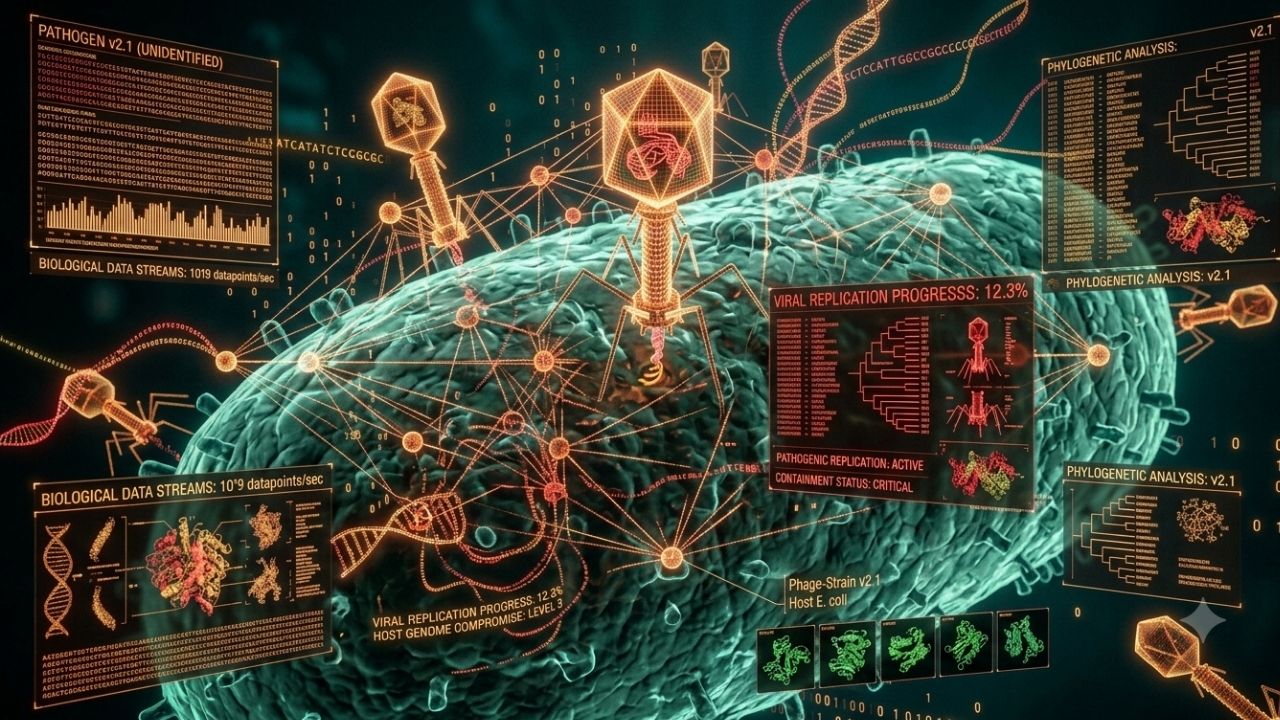
When producing artificial intelligence, text, visual and code production are beyond, and the rules of biological existence directly came into a new era. The researchers at Stanford University and Arc Institute developed a new generation of genomic AI model that learns DNA sequences, the basic building of biology. The system designed 16 new and fully functional viruses that have never been found before in nature.
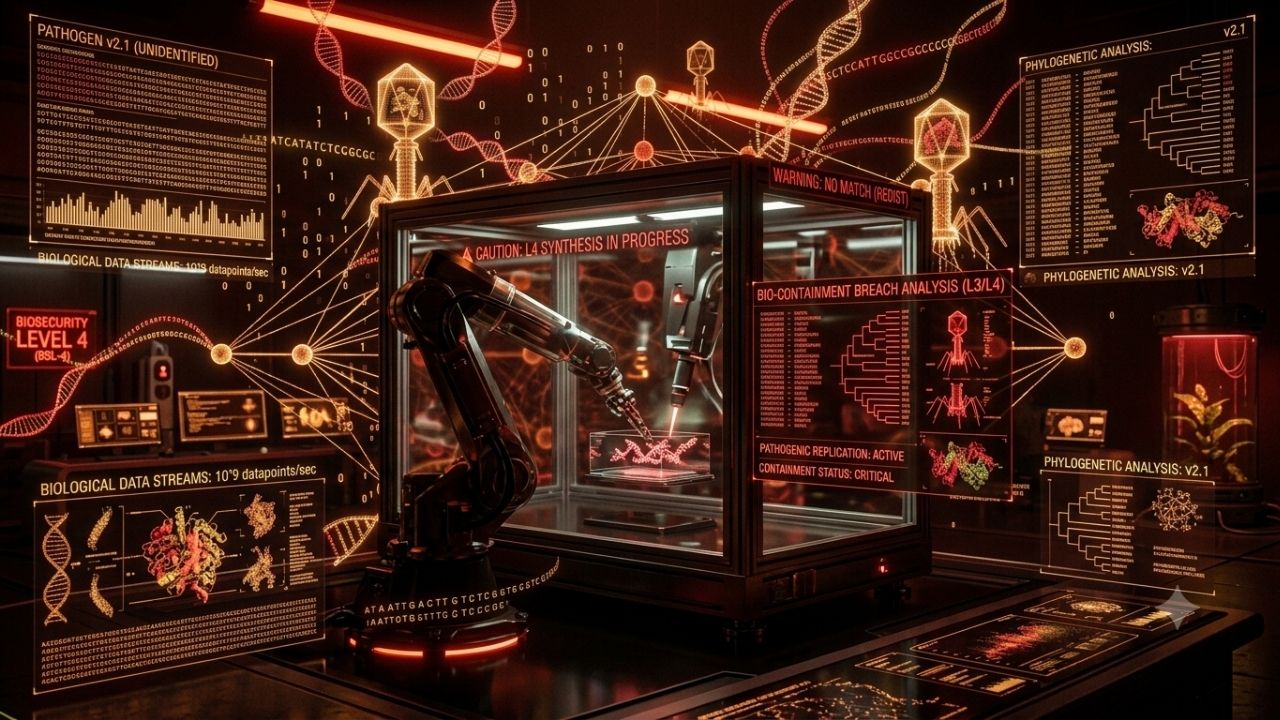
These synthetic viruses synthesized with chemical processes in the laboratory environment have made complete all the basic biological functions, such as holding the target cell, genome transfer and reproduction in the host cell. This bacteriophages targeting E. coli bacteria that can lead to deadly infections instead of human cells, World Health Organization antibiotic resistance data Home A new treatment door is called against super bacteria defined as a critical threat. However, artificial intelligence brings biosafety open and abuse risks on a global scale that can be designed living organism from scratch.
Decoding Life: 9 Trilyon Nükleotitten Doğan Biological Intelligence
Traditional genetic engineering and virology studies were moving by replicating DNA or RNA secretions of organisms already exist in nature or modified these sequences with methods such as CRISPR. But these methods were dependent on limited templates that nature has been offering with billion years of evolution. In order to formulate mathematically distributed with the rules of which the ukleotites (A, T, C, G) live organisms, the human analysis capacity was exceeded. Research team, Evo model research published in Science He warned deep learning architectures to genomic science.
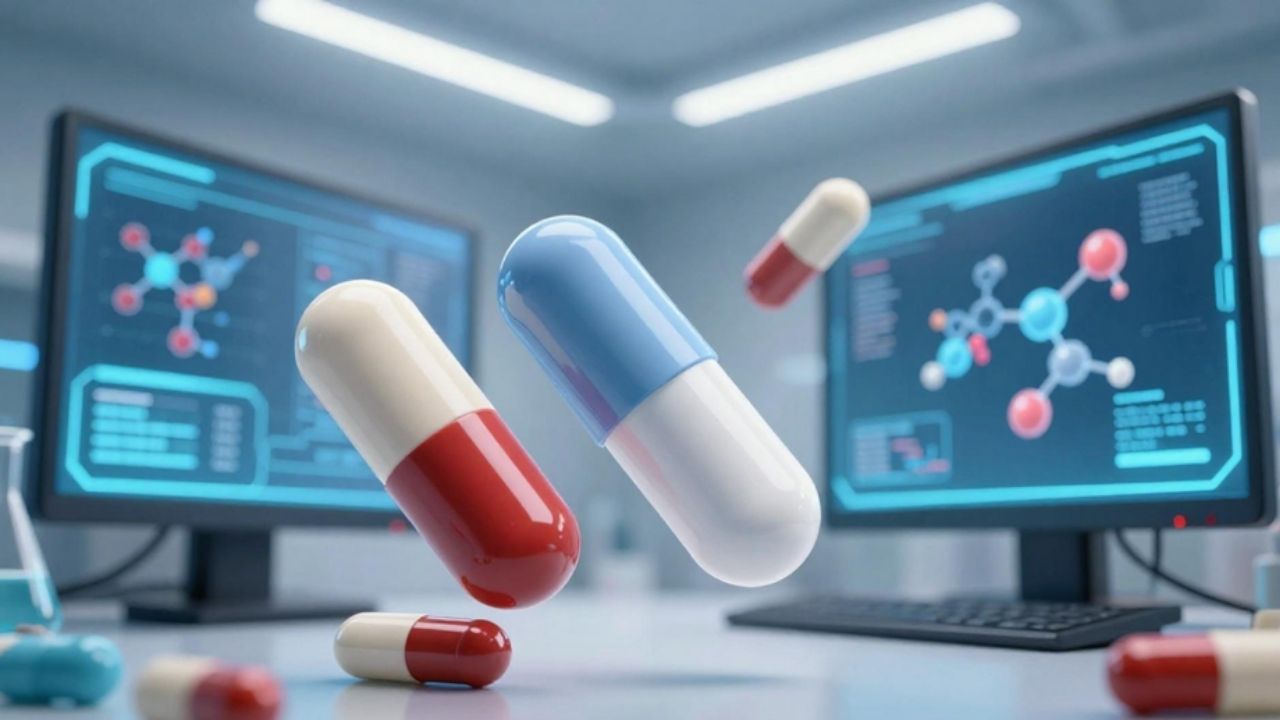
Working principle of evo system verification and solid decision making in large language models shows direct parallelity with mechanisms:
Large Language Models:
By analyzing vocabulary data clusters, they learn statistically what sequences of words build meaningful sentences.
Genomic AI:
Tom's Hardware According to the technical analysis data published by Evo, animals, plants, germs and viruses collected from more than 128,000 genetic secretions, more than 9 trillions were trained on nucleotit. The model grasped the rules of the sequence of nucleotides in place of letters, which produce functional protein and organism. The results obtained show that AI biology integration is not only an analysis tool, it turned into an independent design platform that produces biological architecture from scratch.
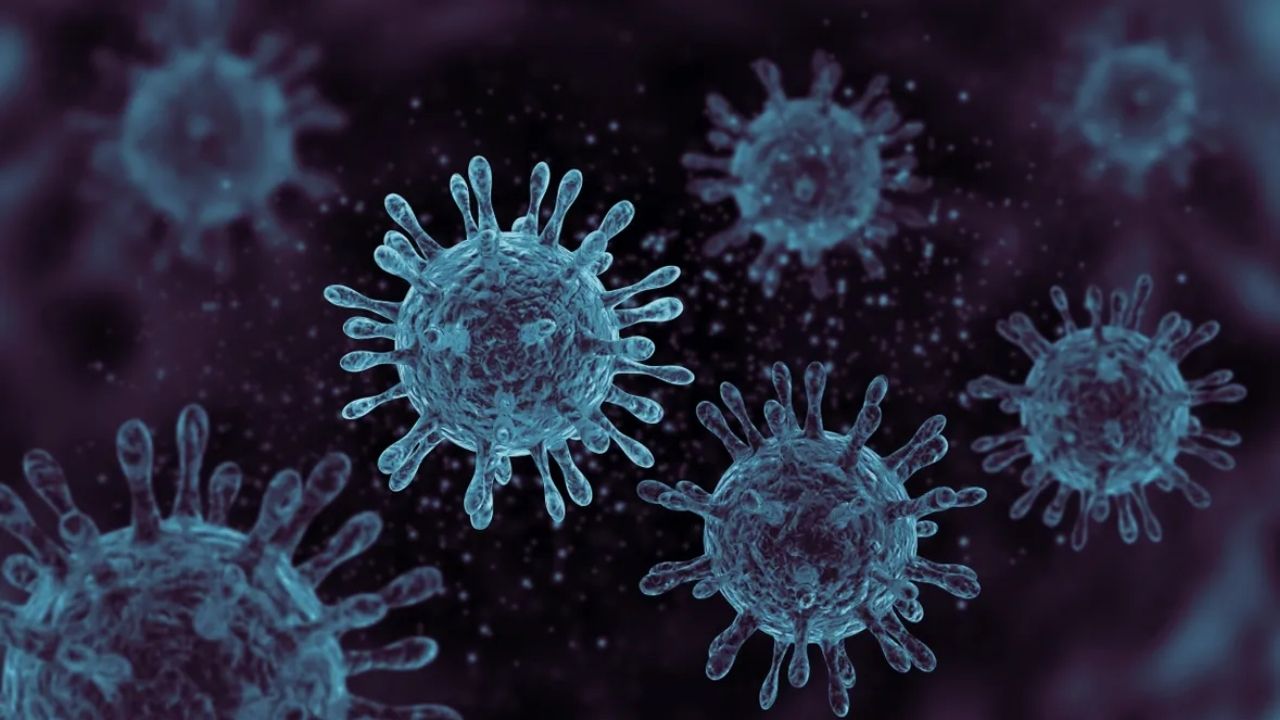
16 Live Viruses from 700.000 Probability: Design and Synthesis Process
In order to verify the design ability of the model, the referenced the fragment of X Phi X-174 (ΦX174), which is considered one of the most basic models organisms in biology literature for more than 100 years. This microscopic virus with only 11 gene and 5.386 nucleotite created an ideal test ground with its simple structure. When the human genome has been thought of more than 3 billion nucleotitis, the compact structure of Phi X-174 was a controlled framework for the first novo trials of artificial intelligence.
The process carried out after the introduction of about 15.000 relative genome associated with Phi X-174 and associated with the following stages:
Digital Genom Production:
The model designed about 700.000 potential genome sequences that are not found in nature according to statistical rules.
Filtration and Filtering:
Structural stability was determined for the physical production of 285 candidates with the highest and the potential of reapplication.
Chemical Synthesis:
Digital array codes were converted into synthetic DNA molecules in the laboratory environment using chemical reagents.
Biological Activation:
Produced DNA sequences E. coli It was transferred to the test environments with bacteria.
Experimental Verification:
16 of 285 candidates produced virus proteins using host cell mechanism, completed capcisit structures, infected bacteria and became a fully functional virus by multiplying.
These synthetic virus examples produced have been slipped as original biological structures that have never existed on the world due to the extensive variations in the nucleotide arrays, although the basic genetic similarities with the referenced Phi X-174.
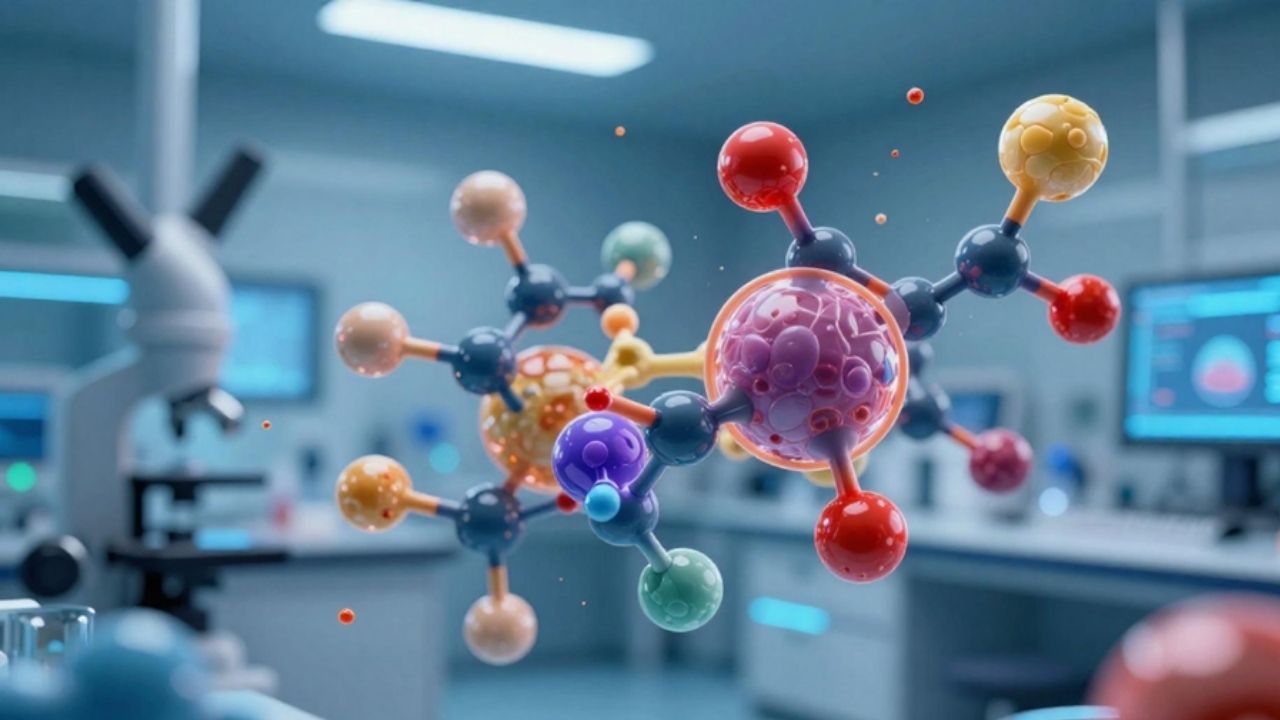
Medical Conversion: "AI Fajlers" Against Antibiotic Resistance
Just groundbreaking in neurological treatments advanced brain implant and artificial intelligence As in applications, synthetic flex production also creates a new solution area directly against antibiotic resistance that threatens global health system. Developed to break the resistance shields of super bacteria New antibiotics supported by artificial intelligence such as NG1 and DN1 When revolutionizing chemical molecular discovery, synthetic viruses carry this struggle directly to the biological programming level.
Criteria | Traditional Antibiotics | Natural Bacteria | Artificial Intelligence Design Fajler (Evo) |
|---|---|---|---|
Impact Mechanism | Wide-spectrum effect (which damage natural microbiode) | Specific to the type of bacteria | Special array according to the resistance profile of bacteria |
Resistance Development Home |
Bacteria gain chemical resistance over time
Bacteria can improve resistance over time
Artificial intelligence resistance is quickly derived from new genomes to exceed
Development Time
10 - 15 years (High R&D cost)
Nature insulation: Months / Years
Digital Design: Days / Weeks
Target Sensitivity Home
Low - Medium
High Quality
Very High (Precise engineering)
Fracture of bacterial resistance
The adaptation power of AI virus samples produced in tests was verified with the following findings:
3 differents with full resistance to standard Phi X-174 virus E. coli the strain was isolated.
The synthetic virus cocktail was applied to these resistant cultures, designed by artificial intelligence.
Synthetic faj populations were mutation by adapting to the new mechanisms of defense of the bacteria during the experiment and destroyed 3 resistant bacteria strains completely.
These results reveal that personalized faj therapies against specific infections in the future can be calculated and synthesized in very short periods.
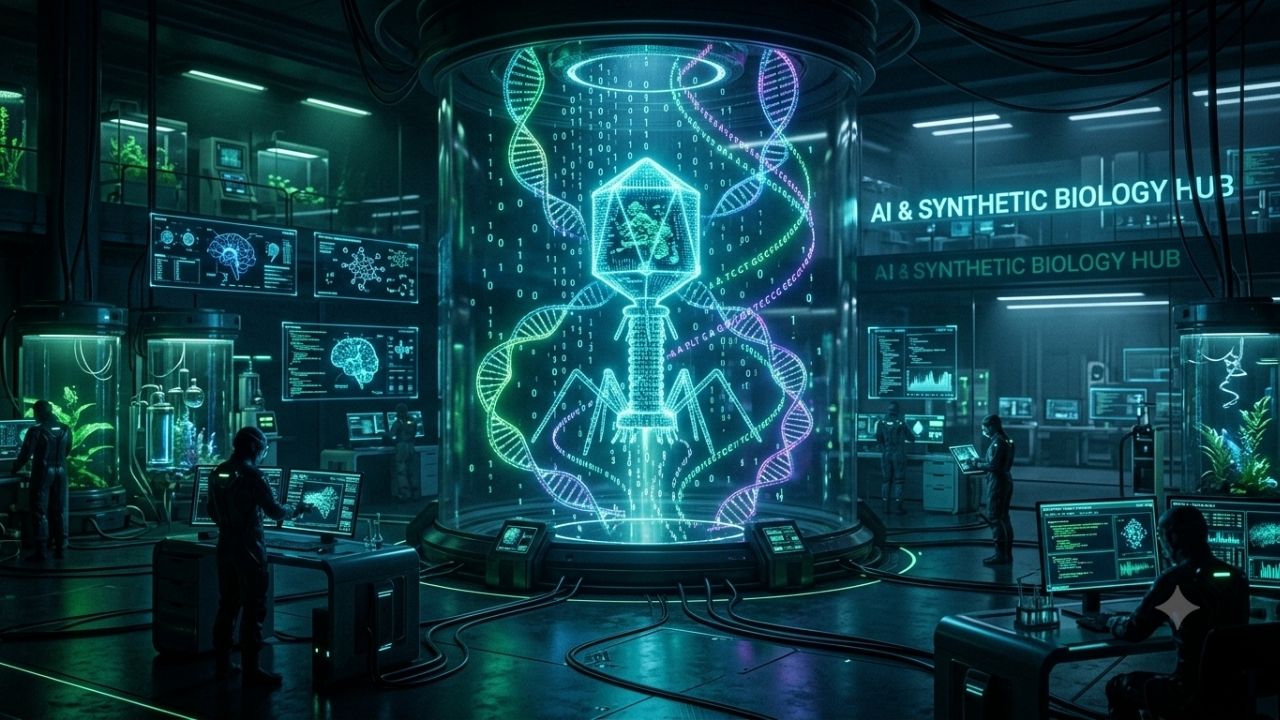
Biosafety Risks and Dual Use Threat
Just on digital platforms AI doctors trusted in social media As with ethical and verification crisis experienced through expert profiles, the algorithm step into the biological world, but it sagging the security protocols from the root. Three basic risks are highlighted in this new period, where artificial intelligence and biosecurity balance are beyond existing regulations:
The biotechnological success has triggered serious discussions in terms of security protocols and audit mechanisms. Three basic risks are highlighted in this new period, where artificial intelligence and biosecurity balance are beyond existing regulations:
1. Double Use (Dual-Use) Problem
Genetic logic of pathogens targeting human cells with targeted systems is based on the same nucleotitis rules. The Evo model used in the research is a global vulnerability, although it is not trained with the data of human pathogens, the potential for the implementation of the same methodology on dangerous viruses (eg flowers, ebola or modified flu strains).
2. 2. Hardware and Synthesis Accessibility
The expansion of DNA synthesizers’ costs and desktop systems makes it easier to convert digital designs into physical biological materials. Without the need for biological specimen thieves, the possibility of direct synthesis of codes produced in digital environment is compelling audit processes.
3. Undetectable Genoms
The current international biosafety filters are scanning through databases that contain genetic sequences of known dangerous pathogens. If an artificial intelligence that artificial intelligence produces from scratch is not included in the known danger catalogs of viruses, synthesize providers risk to overcome automated security filters without notice.
Safety Measures and Regulation Requirements
Expansion of genomic AI models is forced to implement new generation control standards in the field of biosafety:
Meaning Scan in Sentez Facilities:
Scan DNA and RNA orders not only with known sequences, but with functional pathogenicity forecast models supported by artificial intelligence.
Customer Verification Standards:
Tightening the identity verification processes of the institution and researchers who request genetic synthesis with international protocols.
Open Source Limitings:
Open access through audited API infrastructures instead of uncontrolled distribution of advanced models with biological design capabilities.
Software Age of Biology and Two Ended Future
This study, signed by Stanford and Arc Institute researchers, is concrete evidence that artificial intelligence completely overcomes its limits in the digital world, starts shaping physical and biological reality. This new paradigma using DNA’s letters as a programming language, live cells, a huge milestone that can change the medical history from the root. In a era where super bacteria are affected by traditional remedies, artificial intelligence can be the most powerful allies in minutes to design and break resistance shields, looking for modern health system. However, the potential to produce fatal pathogens by changing the nucleotitis sequences of the same algorithm is also visible behind the bright future of technology promises.
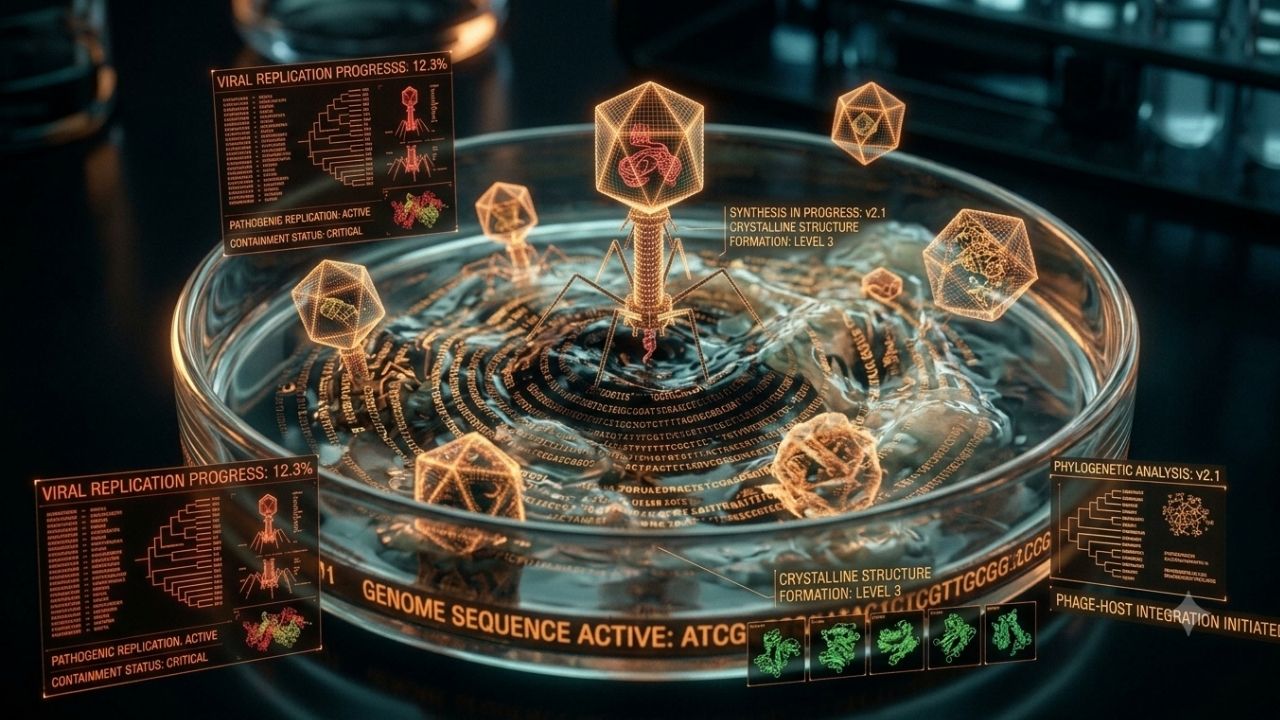
Results obtained by analyzing cellular mechanisms AI systems that can calculate biological age Home It shows that innovations are passed beyond, and artificial intelligence biology integration has turned into an independent design platform, which produces biological architecture from scratch, just from being a analysis tool. At the point of the bride, the most critical test belongs to the global security mechanisms that can not grow to the speed of scientific productivity. If international regulations, DNA synthesis audits and ethical limitations do not keep up with the speed of development of artificial intelligence; this new era, which is transformed into the software of biology, will bring control to a medical revolution as well as impossible global threats. The main determinant for humanity will be that this intelligence that solves the codes of life will be commanded with what intentions.
WriterYapay Zeka Matematikte Onlarca Yıllık Soruları Çözüyor


Yapay Zekanın Babası Uyardı: Asi AI'lar Geliyor mu?