Artificial Intelligence Revolution from the European Union: New Prohibitors of the Future
Automatically translated
 Creator
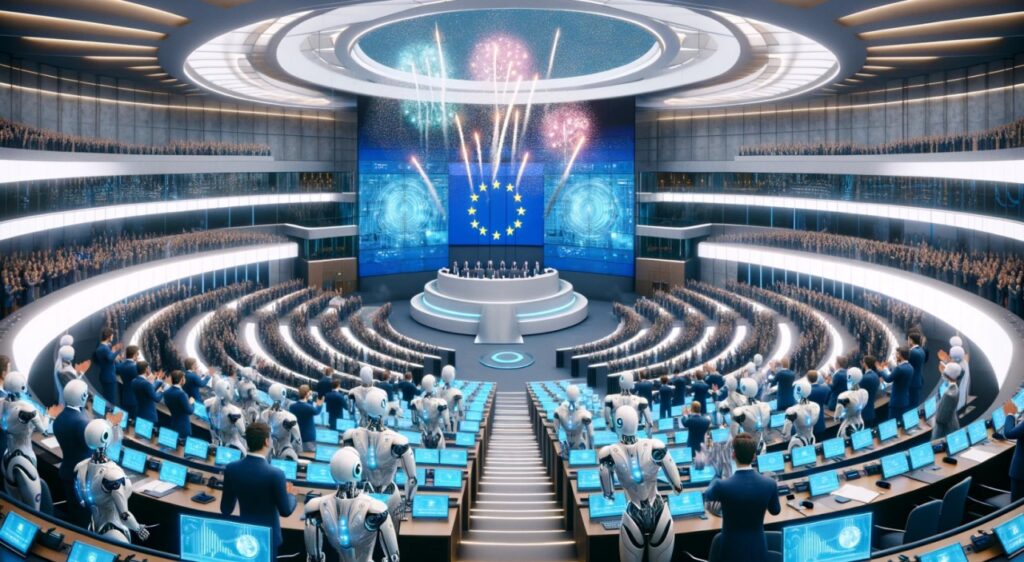
Artificial intelligence (AI) has the potential to revolutionize in almost every field of our lives, there are also dark aspects of this progress. By confirming the European Parliament’s Artificial Intelligence Act, European Union There is an important step towards the risks that this technology can bring. Up to the end of 2024, using certain-headed AI systems will cause large penalties. So what are these bans and how do they shape a future?
End to Board Systems on Manipulation and Cheating
Now, artificial intelligence systems that significantly disrupt the capacity of a person’s decision making will be banned using subconscious techniques. This covers all kinds of technologies that cause individuals to make decisions outside the will. For example, a social media platform uses an artificial intelligence system that exposes users to content that will support certain political views by analyzing their behavior. This system aims to change their ideas by appealing to the subconscious of individuals. After the law, such manipulative content presentation will be prohibited, users will provide access to more objective and diversified information flow.
Careful Steps in Security and Biometric Category
Artificial intelligence should not target people or groups in a way that will adversely affect. With this law, the AI systems that are discriminatory based on age, disability or socio-economic status are also terminated. Sensitive information is prohibited, especially biometric data, unauthorized categorized systems. For example, a airport security system is subject to automaticly higher security controls of individuals in certain ethnic groups using facial recognition technology. Such discrimination applications will be banned under the Artificial Intelligence Act and will be reorganized to the security protocols to allow everyone to be equally and fair treatment.
Limitations on Social Rating and Real Time Surveillance
Artificial intelligence systems that evaluate individuals according to their social behavior and class them with this information can not be used anymore because they lead to harmful results. In the same way, the law enforcement forces will also be under strict limitations to identify real-time biometrics in public places. For example, a city municipality uses artificial intelligence systems to monitor and assign social scores based on citizens’ behaviors in public areas. This system restricts access to the services of individuals who exhibit certain behaviors. New laws will protect individuals’ freedom by prohibiting such social ratings and real-time surveillance applications.
Role of Artificial Intelligence in Work and Education Life
Disaster analysis practices in workplaces and educational institutions are restricted to the fundamental human rights. However, it will be allowed to use such systems with medical or safety reasons. For example, a company uses an artificial intelligence-based monitoring system that analyzes emotional situations in order to improve the efficiency of its employees. This system continuously measures the stress levels of employees and uses performance assessments. This type of feeling analysis with the law will be restricted, but it will be allowed to use in vital areas such as medical diagnosis or emergency services.
Role and Beyond the European Union in Artificial Intelligence Age
This step of the European Union offers an ethical and human rights framework in the development of artificial intelligence. This law also allows individuals to develop positive aspects while maintaining safety and freedom. This balanced approach will help artificial intelligence technologies advance responsibly.
These legal regulations may lead us to other important issues such as preventing gender equality in the era of artificial intelligence. Artificial intelligence can host prejudices that can reinforce gender inequalities. Therefore, "Gender Equality in Artificial Intelligence AgeLearn more about the impact of our content on the social equality of technology. What does this law design lead to changes in the world of artificial intelligence?
CreatorMEB'den FEYZA Projesiyle Öğrencilere Yapay Zeka Okur Yazarlığı


Figure ve Teknoloji Devlerinin İşbirliği: İnsan Benzeri Robotlar