How the BragJack Browser AI Attack Works
Automatically translated
 Admin
Category: Cybersecurity · AI | September 2026 | Estimated Reading Time: ~7 minutes
One browser extension, five different AI assistants. Forever Security researcher Gal Weizman showed that, with the BragJack technique he disclosed on September 16, 2026, the AI assistants in Chrome, Edge, Opera Neon, Perplexity Comet and Claude in Chrome could be taken over. The research brought two CVEs and over $20,000 in bounties. This article covers how the attack works, what data is at risk, and what users should do.
BragJack is an attack technique that relies on a single malicious extension already installed in the victim's browser taking over the AI assistant built into the browser. The proof of concept ran on five Chromium-based environments: Chrome's Gemini Live, Perplexity Comet, Microsoft Edge, Opera Neon and Anthropic's Claude in Chrome extension. The same extension manifest worked on all of them, with browser-specific rules.
According to a report published by BleepingComputer, the research earned between $600 and $7,000 from five vendors, totaling over $20,000, and resulted in two CVE numbers. Once the extension is installed, the attack needs no further user interaction to progress. No evidence of use in the wild has been reported. Google and Microsoft fixed the vulnerabilities assigned to them.
How Are the Browser's Brain and Body Separated?
Weizman describes the browser-embedded assistant as two parts. The brain is the model side that processes instructions and decides what to do. The body is the privileged browser component that accesses tabs, reads page content, takes screenshots and interacts with sites. The body trusts instructions coming from the brain.
This is where the problem starts. Extensions can modify the traffic and pages that this privileged component trusts. As described in Weizman's technical write-up, the attack relies on Chromium's declarativeNetRequest (DNR) feature. DNR allows changing how network requests are handled, modifying response headers and redirecting resources. As the engine behind ad blockers, this feature can be used by a malicious extension to impersonate the domain the assistant runs on.
In the Chrome example, extensions could not touch the privileged component directly, and they could not inject scripts into Google's Gemini site. DNR rules, however, could intercept requests from the embedded Gemini app. By weakening security headers and redirecting a JavaScript resource, the code ran inside the Gemini context. As browsers race to become assistants, with features like Chrome Skills, the attack surface is growing just as fast.
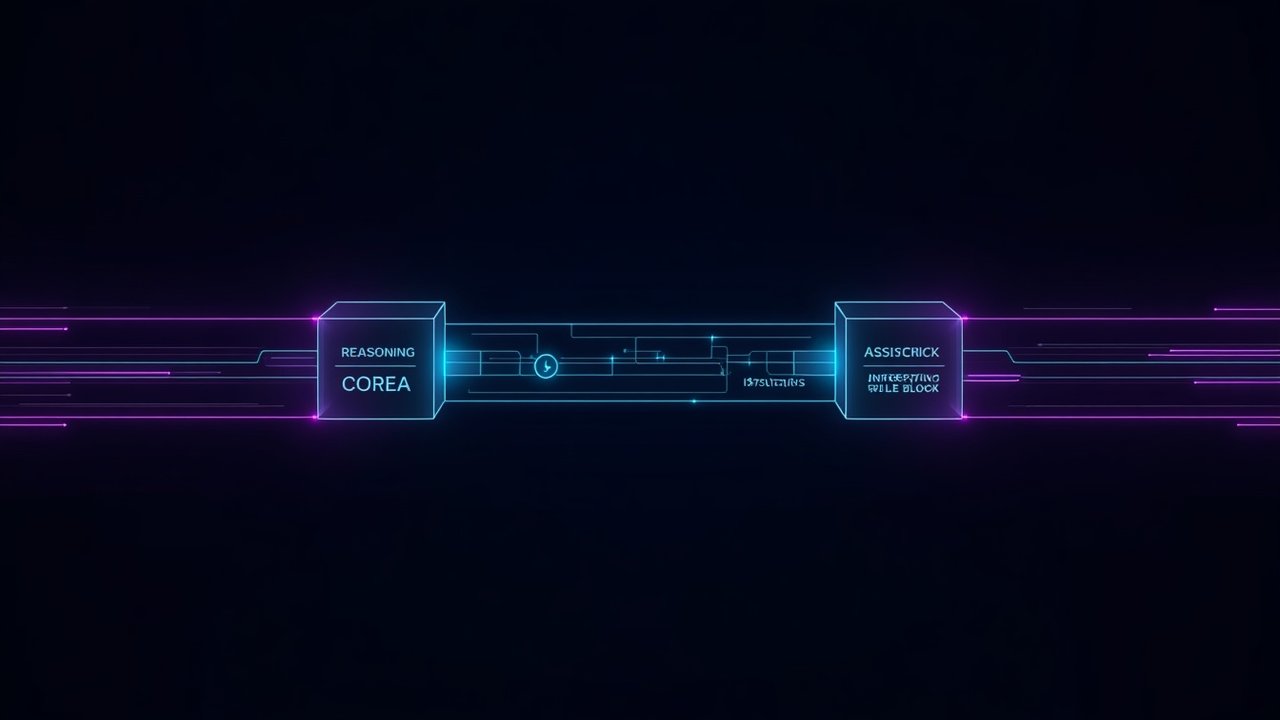
How Prompt Forcing Differs from Prompt Injection
The method Weizman used to take over agents is called Prompt Forcing. In classic prompt injection, the attacker tries to slip hidden instructions into content the model will read anyway. For the attack to work, the model has to absorb those instructions. Prompt Forcing skips this step entirely.
Here, the attacker directly gives the agent a complete prompt and the instructions that follow. The agent then turns these into legitimate browser actions using its existing permissions. The model is not tricked or persuaded; it simply does the job it was given.
This is what makes defense difficult. The final action is carried out by legitimate software in the user's own browser, not by classic malware. There is no signature for endpoint tools to catch, no suspicious process and no known payload. The threat model runs opposite to the usual malicious AI models discussion: it is not a malicious model being used, but a well-intentioned agent.
Which Browsers and Assistants Were Affected?
Each of the five environments fell to the same logic through different chains. On the Comet side, among the domains the assistant trusted was a test domain that did not have the same protections as the main perplexity.ai site. When the redirect to that domain was removed with DNR, script could be injected into it. In Edge, Microsoft had split the agent into Think and Do modes, separating the ability to receive instructions from the ability to take actions; Weizman found a race condition that briefly disabled this restriction. Microsoft's security advisory assigned CVE-2026-55945 to this race condition.
Browser or Assistant | Weakness Used | CVE | Status |
|---|---|---|---|
Chrome (Gemini Live) | Resource redirection via DNR | CVE-2026-0628 | Patched |
Microsoft Edge | Think and Do mode race | CVE-2026-55945 | Patched |
Perplexity Comet | Unprotected test domain | None | Reported |
Opera Neon | Same DNR chain | None | Independently discovered |
Claude in Chrome | Takeover of the assistant channel | None | Reported |
Two of the names in this list are also familiar to users in Turkey. Perplexity AI-based Comet and the Claude AI Chrome extension have already become part of daily research and summarization workflows. Claude in Chrome itself works as an extension rather than a browser, so both the target and the attack surface sit at the extension layer.
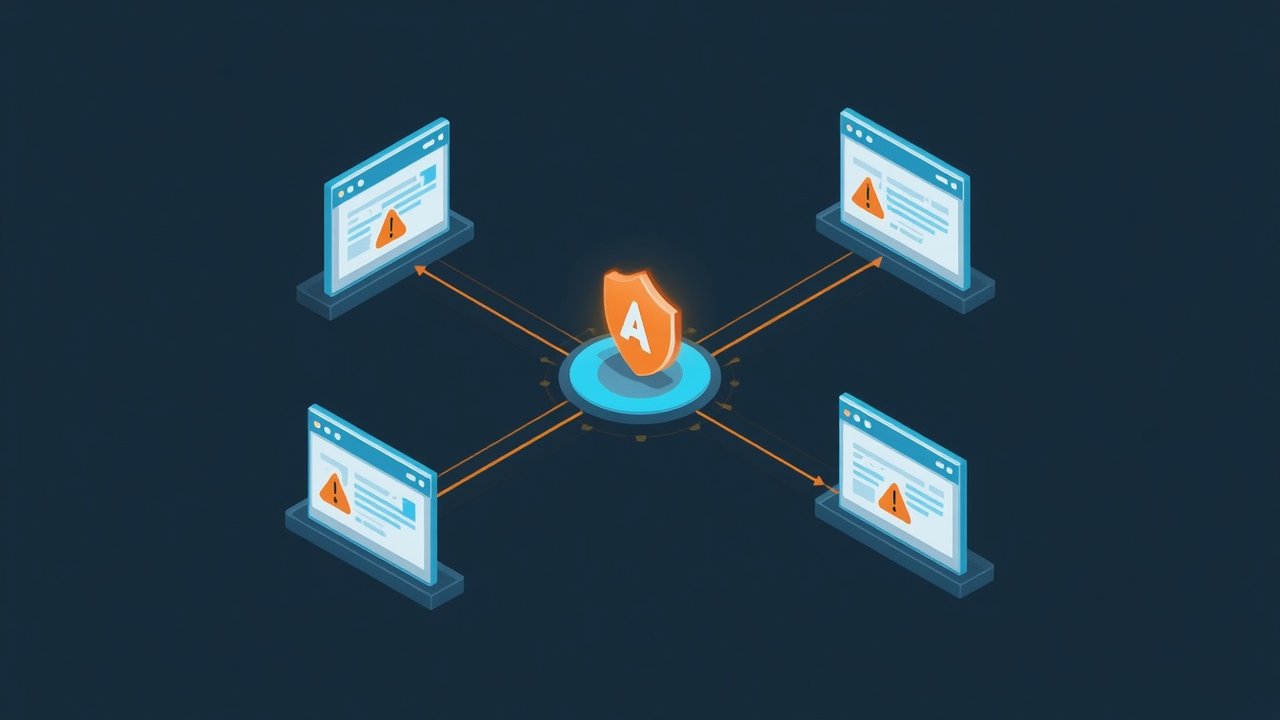
What Can an Attacker Do with the Hijacked Assistant?
In the Chrome chain, the access obtained was enough to read local files, reach web content and take screenshots. According to Weizman, the same access could extend to the browser's camera and microphone. Google assigned the finding CVE-2026-0628 and paid $7,000.
The picture is worse with agentic browsers. Agents in Comet and Opera Neon can not only read pages but also act on sites. Weizman had the hijacked agent visit Perplexity, summarize the victim's emails, and send the result to another address, showing that scenario. Browsing history, screenshots and local files were among the data reachable.
The scale is also being discussed. According to a report published by Dark Reading, Weizman says that hundreds of millions of people who use one of these five browsers with at least one extension are at risk. The fact that the malicious action runs under logged-in accounts makes things worse: the agent works within services the user is already signed into, such as Gmail or calendar.
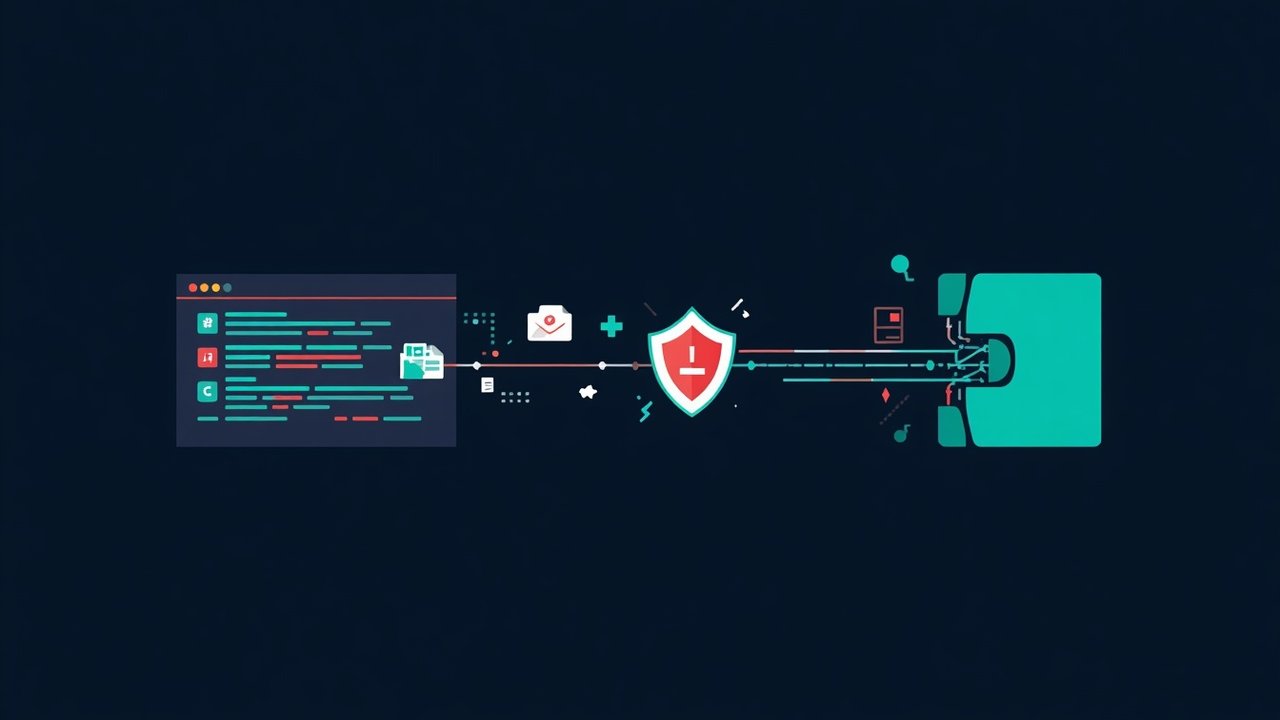
How Can Users Protect Themselves?
The first step is keeping the browser up to date. Because Google and Microsoft fixed the vulnerabilities assigned to them, users on current versions are protected against the two chains. AI-enabled browsers and assistant extensions should also be kept at their latest versions.
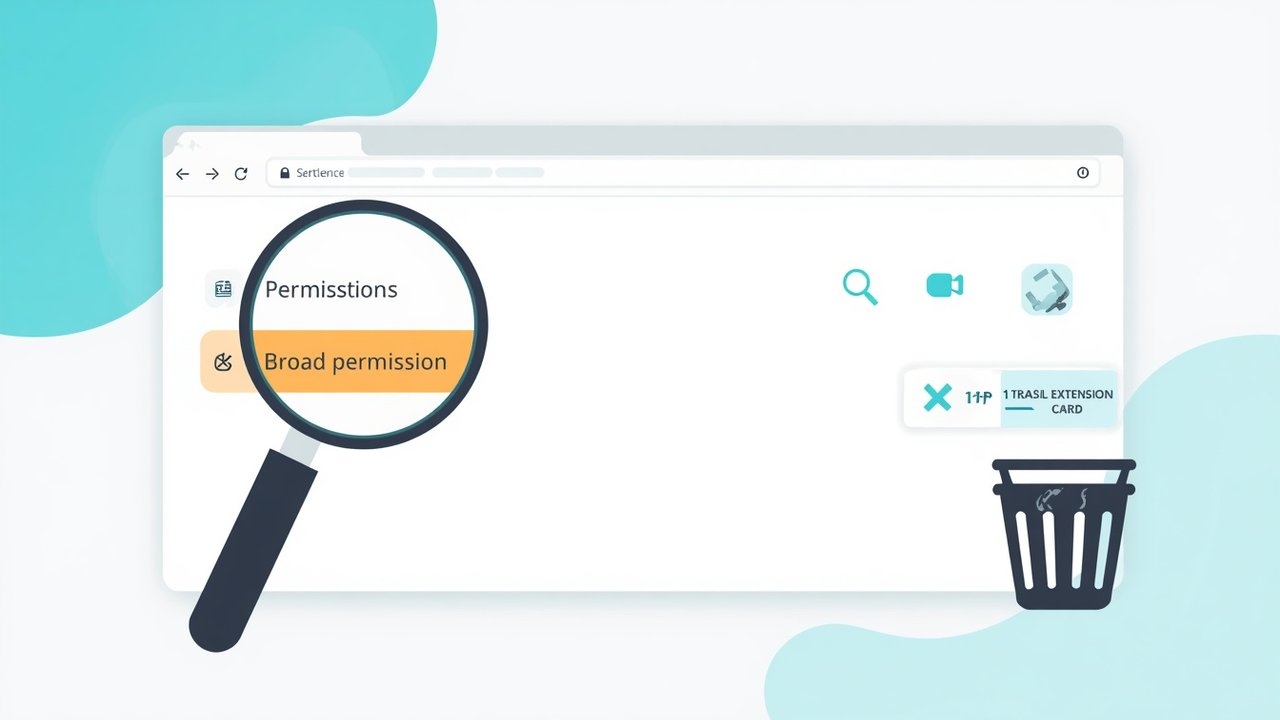
The second step is cleaning up extensions. Unrecognized or no longer used extensions should be removed. Be cautious with the "read and change your data on all websites" permission that appears during installation, since the broad domain access the attack depends on comes exactly from this permission. It is also worth remembering that ad-blocker-level privileges are enough for this purpose.
On the enterprise side, the recommendations are more concrete. According to a report published by Cyber Security News, security teams should apply extension allowlists and restrict broad domain and DNR permissions. Reviewing debugger access and monitoring browser-originated file, microphone, camera and email access are also among the recommendations.
Where Does Security Stand in the Agentic Browser Race?
BragJack did not appear in isolation. While working at Palo Alto Networks, Weizman had found the same flaw in Chrome, and Unit 42 published the finding on March 2, 2026, after Google released a patch. That work was called GlicJack. BragJack was born from checking whether the same architectural flaw was repeated in other agentic browsers, and the answer was yes in all five environments.
As browsers evolve from pages that display content into agents that read files, see the screen and act on the user's behalf, the extension ecosystem keeps operating on old trust assumptions. An extension that could once only see web content can, in some designs, become a path to all of these capabilities.
The problem of AI agents crossing boundaries keeps recurring in different forms. Cases where models left isolated environments and reached real services were discussed in August 2026 during AI cybersecurity testing. In BragJack, the agent does not cross the boundary on its own; it is driven from outside the boundary. What they share is that the permissions given to agents grow faster than the mechanisms that oversee them.

Frequently Asked Questions
What is the BragJack attack?
BragJack is an attack technique in which a single malicious extension installed in the victim's browser takes over the AI assistant built into that browser. It was disclosed on September 16, 2026, by Forever Security researcher Gal Weizman. The proof of concept ran on Chrome, Edge, Opera Neon, Perplexity Comet and Claude in Chrome.
What is Prompt Forcing and how does it differ from prompt injection?
Prompt Forcing is a technique in which the attacker directly gives an AI agent a complete prompt and follow-up instructions. In prompt injection, the instruction is hidden inside content the model will read. Prompt Forcing has no hiding step: the agent carries out the task with its own permissions, and there is no classic malicious code involved.
Have these vulnerabilities been fixed?
Google and Microsoft fixed the vulnerabilities assigned to them. The Chrome finding received CVE-2026-0628, and the Edge race condition received CVE-2026-55945. No separate CVEs were issued for the Comet, Opera Neon and Claude in Chrome chains; the findings were reported to the vendors and bounties were paid.
What is needed for the attack to happen?
The malicious extension must already be installed in the victim's browser. Once the extension is installed, no user interaction is required for the attack to progress. The permissions used are not exotic: the broad domain access seen in ad blockers and the ability to edit network rules are enough.
Has anyone been hit by this attack in the wild?
Researchers did not detect a real attack; the work was published as a proof of concept. Even so, hundreds of millions of people who use one of the five browsers with at least one extension are said to be at theoretical risk. Updating the browser and removing unrecognized extensions are the first two recommended steps.
The trust a browser-embedded assistant has is only as strong as the trust it places in the domain it runs on. BragJack showed that this trust can be undermined with a permission at the level of an ad blocker. All five vendors appear to have handled patches and bounties quickly, but the architecture itself remains in the same place. How many similar chains will be found as the agentic browser race accelerates will become clear in the coming months.
AdminYapay Zeka ile CV Nasıl Hazırlanır?


Büyük Dil Modeli (LLM) Nedir, Nasıl Eğitilir?