Data Infrastructure Forecasts: What Expects You In 2026?
Automatically translated
 Writer
Data infrastructure has been out of the background systems that meet the need for data storage and reporting in 2026. In this way, artificial intelligence has become the basic determinant of autonomous decision mechanisms and real-time analytical processes. Today, since what data has been done, it came directly to the relevant situation with how the data is modeled and how it is understood. This conversion; traditional data warehouses, solid ETL pipelines and directly question analytical-operational separation. According to 2026 forecasts; more open, more modular and AI-compatible architectures in data infrastructure will stand out.

Does the end of analytical and operational systems come?
The concept of classical data architecture was built on two separate worlds for years. They carry out daily operations Operational Systems (OLTP) with reporting and decision support Analytical Systems (OLAP) sortable. This approach was inevitable to delays and complex integration layers in data replication. But with modern digital products, it was approached to the end of this separation.
Why Does This Discrete Mean?
- Real-time reporting and dashboard forecast
- AI models need live production data
- Streaming and event-driven architectcommonization of
- Questions without copying data (zero-copy analytics) approaches
In the vision of 2026 data infrastructure, data is now used for multi-purpose via a single reliable source without being labeled as “operational” or “analytic”. This makes data formats strategic to connect layers and query engines.
Apache Arrow and ADBC: New Standards in Data Connection
The spine of modern data architecture Apache Arrow 2026 data infrastructure forecastsis the basis of it. Arrow eliminates conversion costs between different systems, enabling data to be represented in a column-based and standard form in memory.

Why Is Apache Arrow Important?
- High analytical performance thanks to column-based memory layout
- Common data representation between languages such as Python, Java, C++, Rust
- Sharing without copying data (zero-copy)
- Suitable structure for CPU, GPU and vectorized processes
- Seeing the data ecosystem as a common language
What Does ADBC Change With Arrow Database Connectivity?
ADBCis a modern alternative to ODBC and JDBC. With this connection standard based on Arrow, the data does not move into practice, the application approachs data; the integration between analytical motors is simplified and most importantly, the barriers between data science and production systems are eliminated.
Open Table Formats: Apache Iceberg Why 2026 Winner?
Apache Iceberg Not only technical teams today; CTO and data managers are also a topic in the agenda. Iceberg stands out as an open table format that combines data lake (data lacquer) flexibility; data warehouse disciplines.
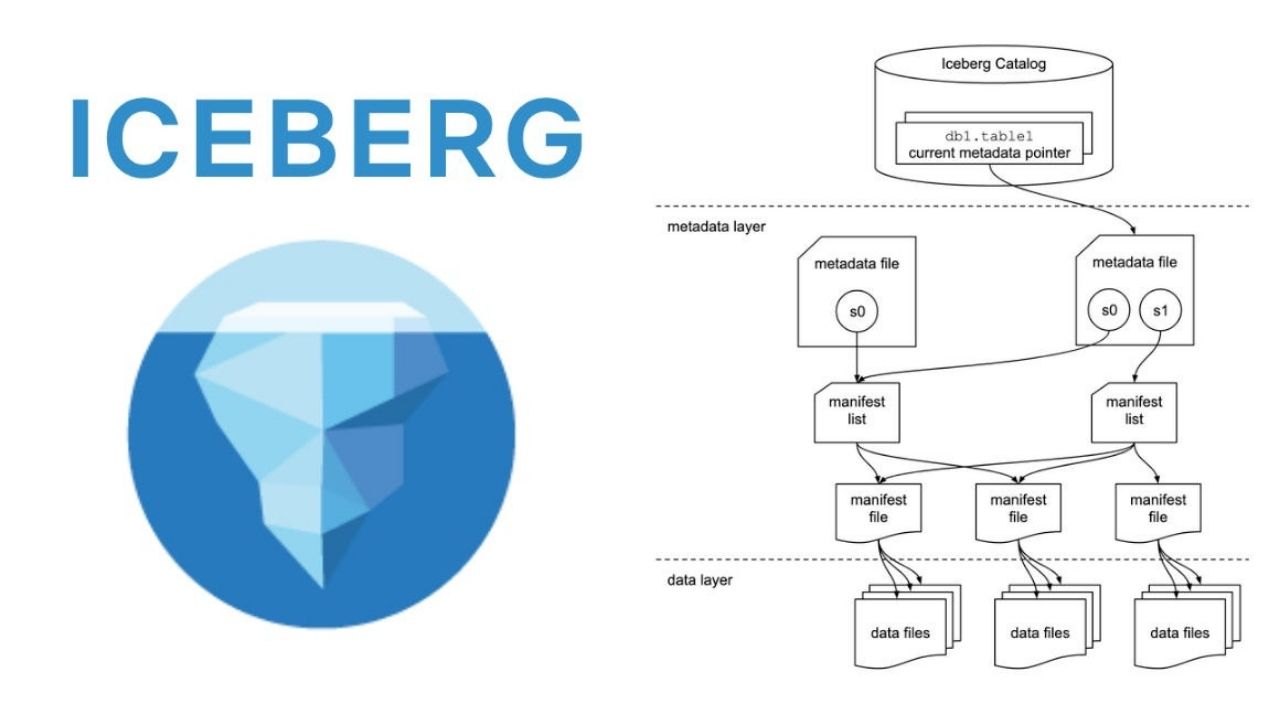
Basic Competences Revealed Iceberg
- ACID compatible table operations Home
- Snapshot and time travel support
- Evolution evolution and retrospective compatibility
- Make the file level but in table behavior
- Make management and reliable tables in file formats like Parquet
The dealer is scalable without addiction; multi-motor support such as Spark, Trino, Flink, DuckDB; bringing together real-time and batch analytics on the same floor, in 2026, Iceberg is now ranked among open table formats.
DuckDB and DataFusion: End of Monolytic Data Warehouses
Traditional data warehouses were expensive and often flexible systems. Yet new trends in the data warehouse reveal the importance of scaled solutions according to the need.
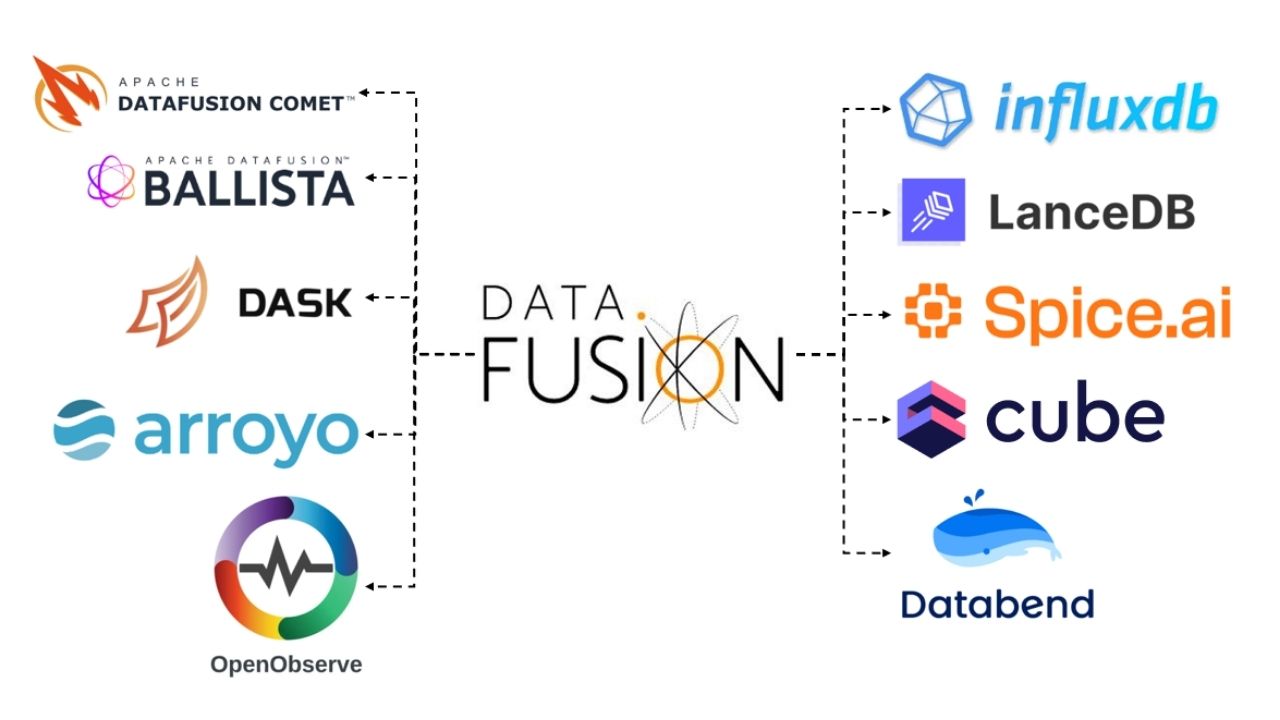
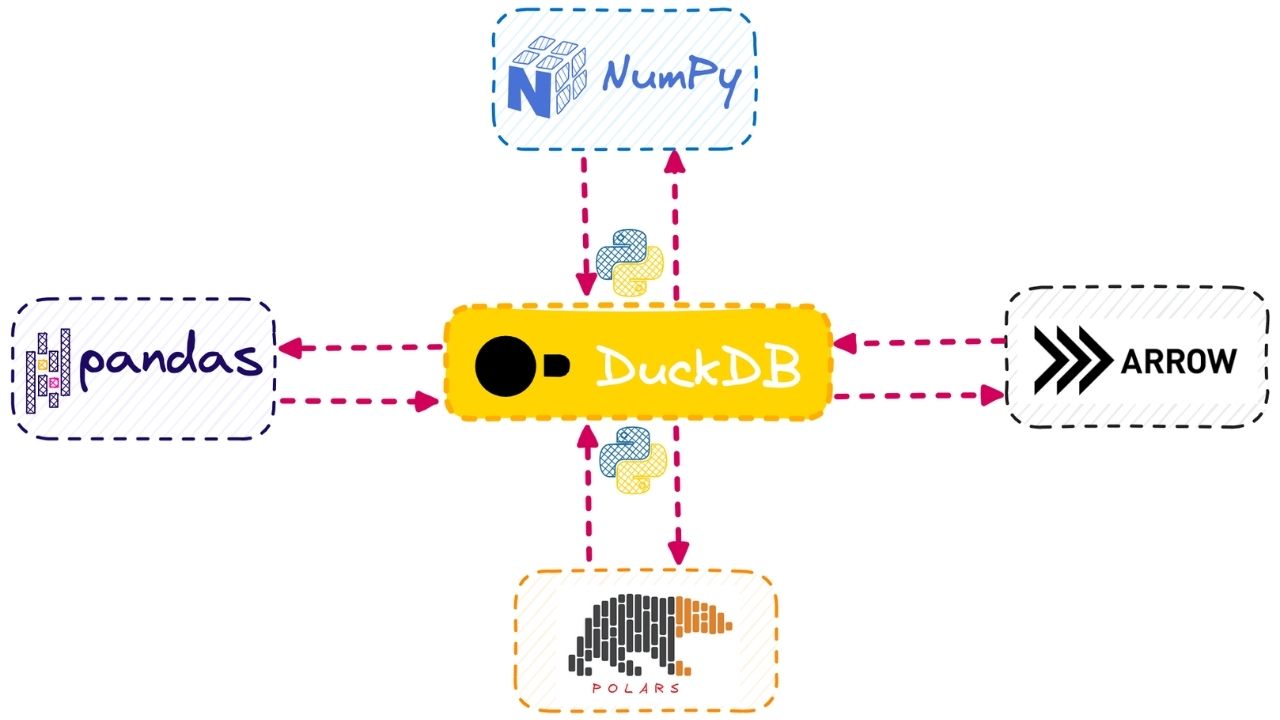
HomeThe analytical queries are a server query engine that can run directly on files:
- Works without installation.
- Direct queries of Parquet and Iceberg tables.
- Python is natural compatible with R and data science tools.
- Provides scalable analytics to small magic.
- It makes data warehouse a non-service component.
Apache DataFusion is a high-performance query engine built on Arrow ecosystem:
- Rust-based and provides memory security
- Can work in embedded or distributed architectures
- Compatible with Streaming and AI workloads
DuckDB and DataFusion When considering the location of monolithic data warehouses composable analytics approach is seen.
Why Critical Thinking of Table Data For AI Agents?
Artificial intelligence systems in 2026 will not only produce text; interacting with data, decision-making and action area AI agents will come to the forefront. The success of these agents will be associated with the quality of the data infrastructure directly. Artificial intelligence data architecture is installed on Iceberg tables and Arrow memory formats. The future prompt engineering will not play a decisive role in data engineering. Also open standards will continue to be the prerequisite of AI scalability. In 2026, data infrastructure is closed and not monolithic, open and modular, table-based but lacquer-native, artificial intelligence and analysing at the same time is expected to be married.
| 2026 Data Trends | Main Focus Point | Expected Effect |
| Apache Iceberg | Open Table Formats | Standardization and Production Success |
| Multi-Engine Stack | Storage and Compute Separation | Cost Saving and Flexibility |
| AI Agent Integration u | Configured (Tabular) Data | Fast and Secure Data Access Home |
| ADBC Standards | Data Connection Layer | Change of old ODBC/JDBC Systems Home |
WriterApple Creator Studio: Tek Platformda Yaratıcılık Ekosistemi

Yazılım Mühendisliğinde 2026 AI Trendleri