wp:paragrap h
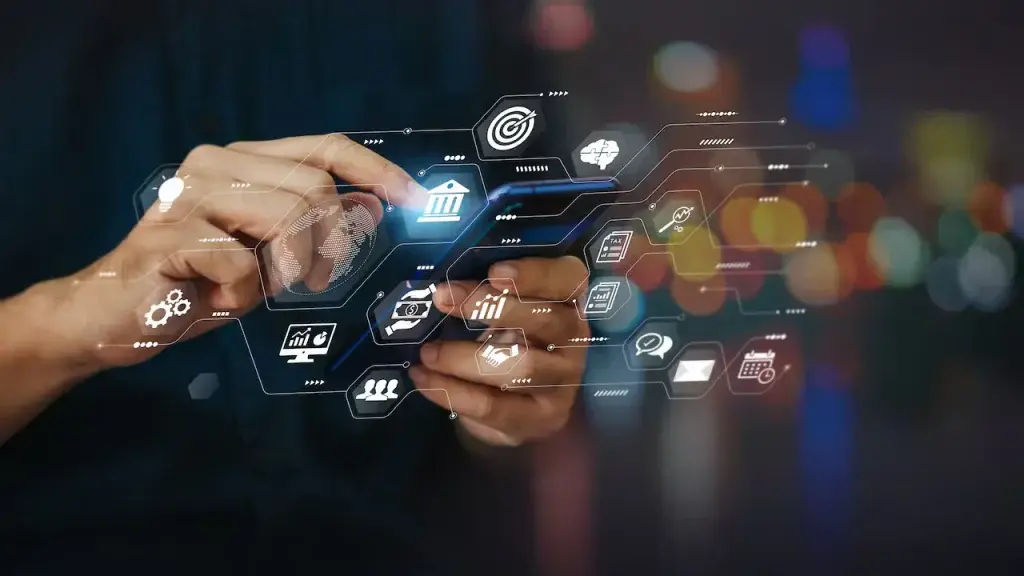
Starting from all areas of our lives artificial intelligence technology is significantly used in the financial sector. With artificial intelligence technologies included in digital banking applications with Fintech technology, customer service, risk management, fraud detection and credit assessment processes can be easily performed.
/wp:paragrap h wp:head g
What is Fintech? When Was It Be Used?
/wp:headin g wp:paragrap h
Fintech is an acronym of financial technologies. The digitalization of banking transactions in the digitalized world was a nice development. First, there are stages of these technologies used in 80s. These are as follows;
/wp:paragrap h wp:list
wp:list-item - Fintech 1.0: In this phase, financial data was carried out for the first time limits. So it’s a stage related to more infrastructure. In the past 50s, cash money was forced to carry and credit cards were activated.
/wp:list-item wp:list-item - Fintech 2.0: This stage is a stage related to banks. Modern Fintech is the beginning and the first ATM was established in this period.
/wp:list-item wp:list-item - Fintech 3.0: In this stage, the introduction of cryptocurrency was made. Bitcoin v.01 was released in 2009. Different cryptocurrencies appeared in a short time. On the other hand, smartphones have become the primary tool for financial transactions. Google Wallet In 2011, Apple Pay was introduced in 2014.
/wp:list-item wp:list-item - Fintech 3.5: The term digital banking is common.
/wp:list-item wp:list-item - Fintech 4.0: It represents today's technology where blockchain technologies and open banking terms are concentrated. Artificial intelligence solutions that prevent fraud and black money are introduced. Also these models analyze human behaviors, according to which they produce predictions. We are in a period where integrated payment systems are popular.
/wp:list-item
/wp:list wp:paragrap h
To speed up banks transactions and take advantage of AI technology, Fintech has made serious investments to its initiatives. This technology is growing and will soon be located in a large part of the economy. That’s why it’s very important to have fintech literacy.
/wp:paragrap h wp:paragrap h
Source
/wp:paragrap h wp:head g
Fintech And Artificial Intelligence
/wp:headin g wp:paragrap h
Fintech technology is especially working based on artificial intelligence that takes such an important state in recent years. What people are perhaps the most sensitive and see as a guarantee is financial assets. At this point, artificial intelligence initiatives in order to manage these assets are quite remarkable. What exactly does AI do?
/wp:paragrap h wp:paragrap h
Artificial intelligence-supported virtual boots serve customers 24/7 and can quickly solve their problems without having to have a customer representative. Due to the ability to analyze large data of artificial intelligence, it is quickly interferred to fraud attempts. Credit score can be done more accurately as customer history and habits are assessed more comprehensive in credit evaluation processes. In short, when artificial intelligence is combined with this technology, more dynamic and innovative solutions have been produced in the sector.
/wp:paragrap h wp:head g
New Initiatives Used by Fintech Artificial Intelligence Technology
/wp:headin g wp:list
wp:list-item - last June Apple Pay announced a new feature. "Tap to cash" With technology, Iphone users can perform digital payments more practically by touching their phones.
/wp:list-item wp:list-item - ITSM, CRM, ERP and IIoT solutions used by thousands of companies Home can be accessed from one point. It also helps companies in terms of digital transformation.
/wp:list-item wp:list-item
Home yani "Turkish Artificial Intelligence Initiatives" On January 2025, artificial intelligence initiatives have updated on the map of various financial solutions. /wp:list-item wp:list-item
QR and non-contact payment solutions will reduce cost for various businesses. There were 70 percent if uncontact payment with credit and debit cards. In 2025, this use will increase. English It predicts that we enter the last 5 years for physical timids such as credit and debit card. All payments will be carried out by digital methods in 2030 with the adoption of cloud services. /wp:list-item /wp:list wp:paragrap h
Artificial intelligence has become part of our lives. The finance sector is located in the heart of the economy. Such areas want more attention and meticulousness. Details that can escape from human eye with artificial intelligence can be realized easier and resolved. Security has a separate importance in the financial sector as important with each area. People want to manage and store their assets securely. Even various gains can be achieved using artificial intelligence robots ready in asset management.
/wp:paragrap h wp:paragrap h
As a result, AI continues to create revolutionary changes in the financial sector. Further development and effective use of these technologies will ensure that financial services are presented more secure, fast and efficient. In the future, AI solutions are expected to be located in a large part of the economy. Therefore, it is important to have fintech literacy and continuously improve itself in this field.
/wp:paragrap h wp:paragrap h
/wp:paragrap h
wp:paragrap h Starting from all areas of our lives artificial intelligence technology is significantly used in the financial sector. With artificial intelligence technologies included in digital banking applications with Fintech technology, customer service, risk management, fraud detection and credit assessment processes can be easily performed. /wp:paragrap h wp:head g What is Fintech? When Was It Be Used? /wp:headin g wp:paragrap h Fintech is an acronym of financial technologies. The digitalization of banking transactions in the digitalized world was a nice development. First, there are stages of these technologies used in 80s. These are as follows; /wp:paragrap h wp:list wp:list-item Fintech 1.0: In this phase, financial data was carried out for the first time limits. So it’s a stage related to more infrastructure. In the past 50s, cash money was forced to carry and credit cards were activated. /wp:list-item wp:list-item Fintech 2.0: This stage is a stage related to banks. Modern Fintech is the beginning and the first ATM was established in this period. /wp:list-item wp:list-item Fintech 3.0: In this stage, the introduction of cryptocurrency was made. Bitcoin v.01 was released in 2009. Different cryptocurrencies appeared in a short time. On the other hand, smartphones have become the primary tool for financial transactions. Google Wallet In 2011, Apple Pay was introduced in 2014. /wp:list-item wp:list-item Fintech 3.5: The term digital banking is common. /wp:list-item wp:list-item Fintech 4.0: It represents today's technology where blockchain technologies and open banking terms are concentrated. Artificial intelligence solutions that prevent fraud and black money are introduced. Also these models analyze human behaviors, according to which they produce predictions. We are in a period where integrated payment systems are popular. /wp:list-item /wp:list wp:paragrap h To speed up banks transactions and take advantage of AI technology, Fintech has made serious investments to its initiatives. This technology is growing and will soon be located in a large part of the economy. That’s why it’s very important to have fintech literacy. /wp:paragrap h wp:paragrap h Source /wp:paragrap h wp:head g Fintech And Artificial Intelligence /wp:headin g wp:paragrap h Fintech technology is especially working based on artificial intelligence that takes such an important state in recent years. What people are perhaps the most sensitive and see as a guarantee is financial assets. At this point, artificial intelligence initiatives in order to manage these assets are quite remarkable. What exactly does AI do? /wp:paragrap h wp:paragrap h Artificial intelligence-supported virtual boots serve customers 24/7 and can quickly solve their problems without having to have a customer representative. Due to the ability to analyze large data of artificial intelligence, it is quickly interferred to fraud attempts. Credit score can be done more accurately as customer history and habits are assessed more comprehensive in credit evaluation processes. In short, when artificial intelligence is combined with this technology, more dynamic and innovative solutions have been produced in the sector. /wp:paragrap h wp:head g New Initiatives Used by Fintech Artificial Intelligence Technology /wp:headin g wp:list wp:list-item last June Apple Pay announced a new feature. "Tap to cash" With technology, Iphone users can perform digital payments more practically by touching their phones. /wp:list-item wp:list-item ITSM, CRM, ERP and IIoT solutions used by thousands of companies Home can be accessed from one point. It also helps companies in terms of digital transformation. /wp:list-item wp:list-item Home yani "Turkish Artificial Intelligence Initiatives" On January 2025, artificial intelligence initiatives have updated on the map of various financial solutions. /wp:list-item wp:list-item QR and non-contact payment solutions will reduce cost for various businesses. There were 70 percent if uncontact payment with credit and debit cards. In 2025, this use will increase. English It predicts that we enter the last 5 years for physical timids such as credit and debit card. All payments will be carried out by digital methods in 2030 with the adoption of cloud services. /wp:list-item /wp:list wp:paragrap h Artificial intelligence has become part of our lives. The finance sector is located in the heart of the economy. Such areas want more attention and meticulousness. Details that can escape from human eye with artificial intelligence can be realized easier and resolved. Security has a separate importance in the financial sector as important with each area. People want to manage and store their assets securely. Even various gains can be achieved using artificial intelligence robots ready in asset management. /wp:paragrap h wp:paragrap h As a result, AI continues to create revolutionary changes in the financial sector. Further development and effective use of these t





 Creator