
Google Sues China-Linked Scam Network Over Gemini AI Phishing
Automatically translated
 Admin
On June 12, 2026, Google filed a lawsuit in New York federal court against Outsider Enterprise, a China-based cybercrime network. The company alleges that the group used its own Gemini AI model to build large-scale phishing sites and fake messaging infrastructure. This is the first lawsuit by a major technology company over misuse of its own AI model for fraud in the United States. This article covers the details of the case, the scale of the attack, and ways users can protect themselves from AI-powered fraud.

What Is Google's Lawsuit Targeting?
The lawsuit targets the software developers of the Outsider Enterprise network. According to a report published by Help Net Security, Google says the group used AI tools, including Gemini, to build phishing sites and fraud infrastructure. The operation is said to have affected hundreds of thousands of victims, with losses in the millions of dollars.
The case is broader than a typical copyright or trademark lawsuit. According to information reported by Dataconomy, Google's claims include racketeering, bank fraud, trademark infringement, copyright infringement, and deceptive advertising. The group impersonated well-known institutions such as Google, YouTube, and the US Postal Service to lure users into disclosing sensitive data like passwords and payment details.
The defendants are the core software developers of the network. Working with the FBI and independent security researchers, Google seized various domains linked to Outsider Enterprise's activities. As AI models spread into everyday life, they bring misuse scenarios alongside positive developments such as new AI job titles.

What Is AI-Powered Fraud and How Does It Work?
AI-powered fraud means producing fake websites and deceptive messages at scale using generative models. According to a report published by Cybersecurity News, Outsider Enterprise operated as a phishing-as-a-service (PhaaS) platform, coordinating its operations through Telegram channels and distributing ready-made phishing kits to accomplices.
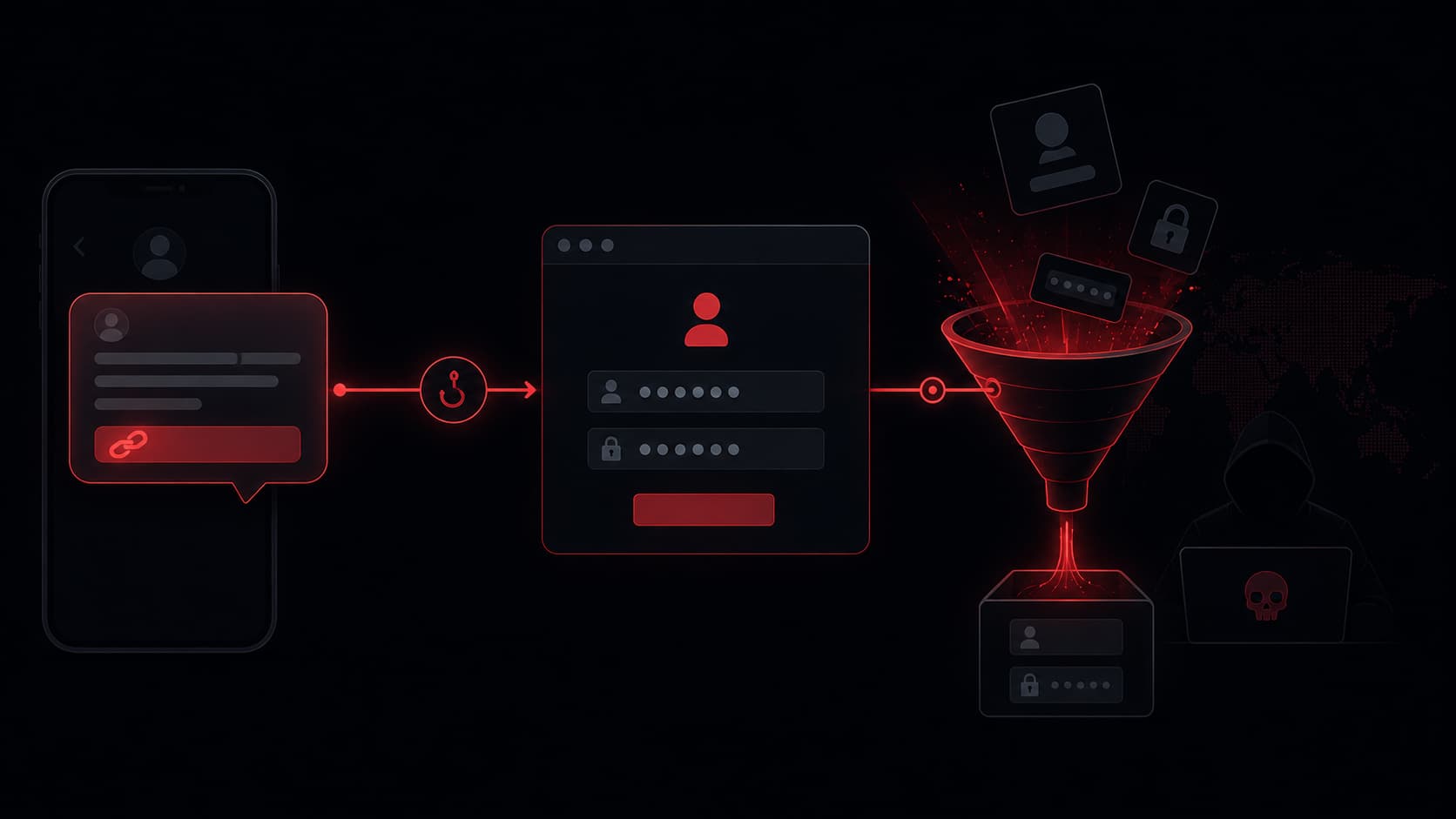
The mechanism worked like this. Group members asked Gemini to generate custom code for fake websites. The generated code was fed directly into the Outsider software package and turned into live fraud pages. According to information reported by ETV Bharat, the HTML code produced with Gemini created near-perfect copies of trusted brands such as Google, YouTube, the US Postal Service, and the E-ZPass toll payment platform. Google described the system as "phishing for dummies": someone with no technical knowledge could publish a professional-looking fake site within minutes.
This approach is a new example of malicious AI use. Previously, uncensored models sold on the dark web offered similar capabilities; malicious AI models were used to write phishing emails and prepare fake websites. Outsider's difference was reaching the same result by misusing a legitimate model.

How Large Was the Scale of the Attack?
The figures in the court documents show the size of the operation. The table below summarizes the key numbers Google compiled from the scheme.
Indicator | Value |
|---|---|
Fake websites | More than 9,000 |
Fake URLs | More than 1 million |
Messages sent in May 2026 | 2.5 million (in two weeks) |
Spam complaints | 55,000 |
Ready-made templates | More than 290 |
According to a report published by Decrypt, court documents indicate the network is estimated to have stolen 3.87 million credit card numbers and caused losses of about $1.9 billion since July 2023. According to information reported by Free AI Tools, access to the phishing service was offered through a Telegram bot at a rate starting at $88 per week. The service provided criminals with more than 290 ready-made templates that impersonated legitimate institutions.
Fake messages were typically sent under pretexts such as problems with a fake brokerage account or incorrect rewards promised through mobile operators. Victims who clicked the link were redirected to fake sites designed to collect sensitive personal and financial information.
Why Is This Case a Turning Point?
The symbolic value of the case outweighs its numbers. This is the first lawsuit Google has filed against the misuse of its own AI model, Gemini, to defraud American consumers. According to an analysis published by Tech Times, the lawsuit comes at a time when the same fraudsters have moved from fake shipping and toll fee alerts to impersonating phone carriers.
Brett Leatherman, Deputy Assistant Director of the FBI Cyber Division, summarized the issue this way:
"Criminals are increasingly using AI to make these scams more convincing and harder to detect."
Leatherman's point is this: AI lowers the barrier to large-scale fraud campaigns by letting low-skilled operators mass-produce convincing fake sites. In response, Google is working with major telecom companies such as AT&T, T-Mobile, and Verizon. The goal is to block fraud traffic at the carrier level. The company also uses AI-based systems to detect malicious messages before they reach devices.
The case makes clear that AI is a double-edged tool for security. The same technology scales attacks and is also used for defense. The debate over AI security and hackability shows why this two-way dynamic is becoming increasingly important.

How Can You Protect Yourself From AI-Powered Phishing?
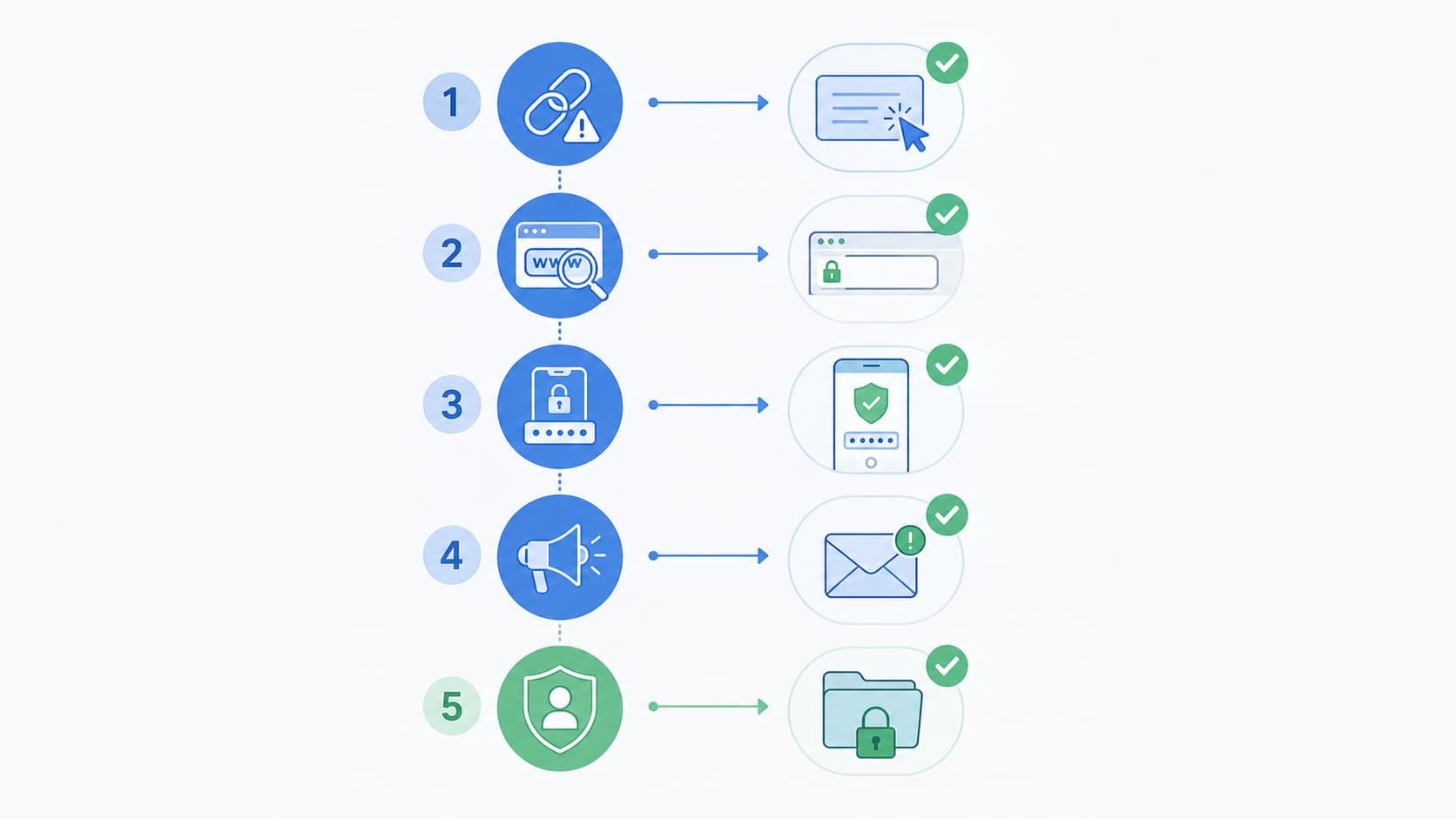
Protection requires both technical and behavioral measures. Because AI-generated fake sites are more convincing than before, the traditional advice to "watch for spelling mistakes" is no longer enough. Practical steps include:
Don't click links directly: Instead of clicking links in unexpected messages about shipping, toll fees, or account alerts, open the official app or type the institution's web address yourself.
Check the URL carefully: Fake sites can be near-perfect copies of brands, but the domain name is usually different from the official address. Check the full domain in the address bar.
Use two-factor authentication: Even if your password is stolen, a second verification layer makes it harder to access your account. Enable it on every account that supports it.
Report suspicious messages: Report fake messages to your carrier or using your messaging app's spam reporting feature. These reports help operators block traffic.
Never share sensitive information by message: No legitimate institution will ask for a password, card number, or verification code through a text message link. Such a request is almost always a sign of fraud.
While these measures provide individual protection, the real fight is happening at the platform and carrier level. Google's lawsuit and its telecom partnerships are steps toward addressing the problem at its source.
What Does This Mean for Users in Turkey?
Although the operation targeted US-based victims, the method is not tied to a particular geography. Fake shipping notices, toll fee alerts, and fake reward messages are fraud types that users in Turkey also frequently encounter. Because AI-generated fake sites are cheap to produce and the language barrier has dropped, Turkish variants of similar campaigns are likely to emerge.
The most critical practical difference is in the quality of fake sites. In the past, poor translation and amateur design were signs of fraud, but generative models can now produce fluent Turkish text and corporate-looking pages. For messages impersonating a shipping company, bank, or e-government service, look at the sender number and the full domain of the link rather than the visual quality.
There is also risk on the corporate side. Ready-made phishing kits sold on Telegram make brand impersonation a tool anyone can access. Turkish brands are also likely targets of such impersonation campaigns, which means organizations need to invest in defenses such as brand monitoring and fake domain detection.
Frequently Asked Questions
What is AI-powered fraud?
AI-powered fraud is the mass production of fake websites and deceptive messages using generative AI models. In the Outsider Enterprise case, the group had Gemini generate fake site code that copied trusted brands and turned it into fraud pages. AI allows people without technical skills to run convincing fraud campaigns.
Why did Google sue Outsider Enterprise?
Google alleges that the China-based Outsider Enterprise network ran a large-scale phishing operation using its Gemini AI model. The lawsuit was filed on June 12, 2026, in New York federal court and includes claims of racketeering, bank fraud, trademark infringement, and copyright infringement. It is the first lawsuit Google has filed over misuse of its own AI model for fraud in the United States.
How much damage did Outsider Enterprise cause?
According to court documents, the network is estimated to have stolen 3.87 million credit card numbers since July 2023 and caused losses of about $1.9 billion. The group created more than 9,000 fake websites and more than 1 million fake URLs. In a two-week period in May 2026, it sent 2.5 million fraudulent messages.
What is phishing-as-a-service?
Phishing-as-a-service (PhaaS) is a model in which criminals rent ready-made phishing kits for a fee. Outsider Enterprise offered this service through Telegram at a rate starting at $88 per week and provided more than 290 ready-made templates. This model allows people without technical skills to run fraud campaigns.
How can I protect myself from AI-powered phishing?
Instead of clicking links in unexpected messages, open the institution's official app, check the full domain in the address bar, and use two-factor authentication on every account that supports it. No legitimate institution will ask for a password or card details through a text message link. Reporting suspicious messages to your carrier also helps block traffic.
Does this fraud affect users in Turkey?
Although the operation targeted US-based victims, the method is not tied to any geography. Fake shipping, toll fee, and reward messages are common fraud types in Turkey as well. Because AI-generated fake sites can produce fluent Turkish text and corporate-looking pages, Turkish variants of similar campaigns are likely. For that reason, look at the sender number and full domain rather than visual quality.
It is becoming increasingly difficult to distinguish AI-generated fake sites from real ones. Google's lawsuit is one of the first legal attempts against the misuse of legitimate models; whether this approach will deter future operations will depend on how similar campaigns develop in the coming period.
AdminAmazon’dan 10 Milyar Euro’luk Yatırım ve Al İstihdam Hamlesi


Papa AI Uyarısı Teknoloji Dünyasında Yankı Uyandırdı