



Pope's AI Warning Sparks Debate in the Tech World
Automatically translated
 Writer
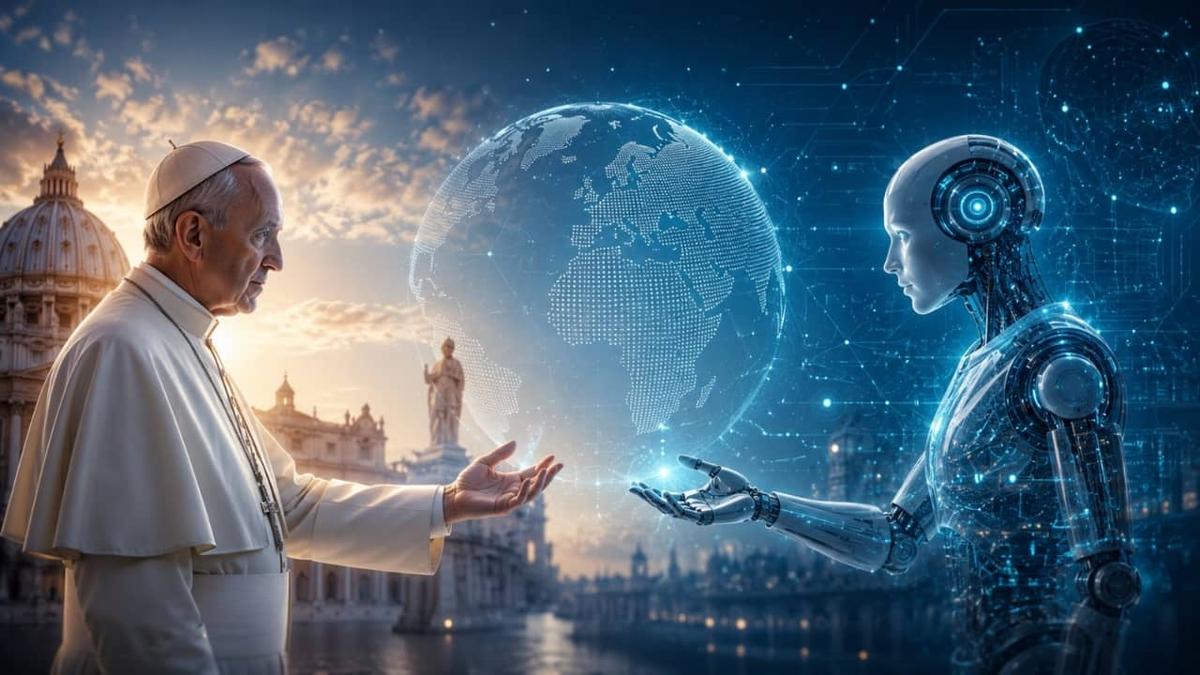
As we move through a digital renaissance, artificial intelligence, one of the most powerful tools humanity has produced, is no longer only on the agenda of laboratories and technology giants; it has become a point of moral, philosophical and social reckoning. The Pope AI warning that recently came from the Vatican and had an almost seismic effect in the technology world is the most concrete manifesto of this reckoning. Through a series of posts on his official X account and a broad manifesto, Vatican spiritual leader Pope Leo called on global leaders to create urgent and strong AI regulation against the uncontrolled development of AI.
For technology enthusiasts and industry stakeholders, this statement is not only the concern of a religious leader; it serves as a moral compass for the future of artificial intelligence.
What Message Did Pope Leo's AI Statement Send? Illusions and Human Realities
Pope Leo appreciated the speed and practicality of AI technologies that make daily life easier, but he also pointed out that these systems carry a deep moral and ontological illusion. The Pope acknowledges that AI can flawlessly imitate human communication, empathy, friendship and even love. However, stressing that this creates the illusion that a real human bond is being formed with machines, he makes this critical observation:
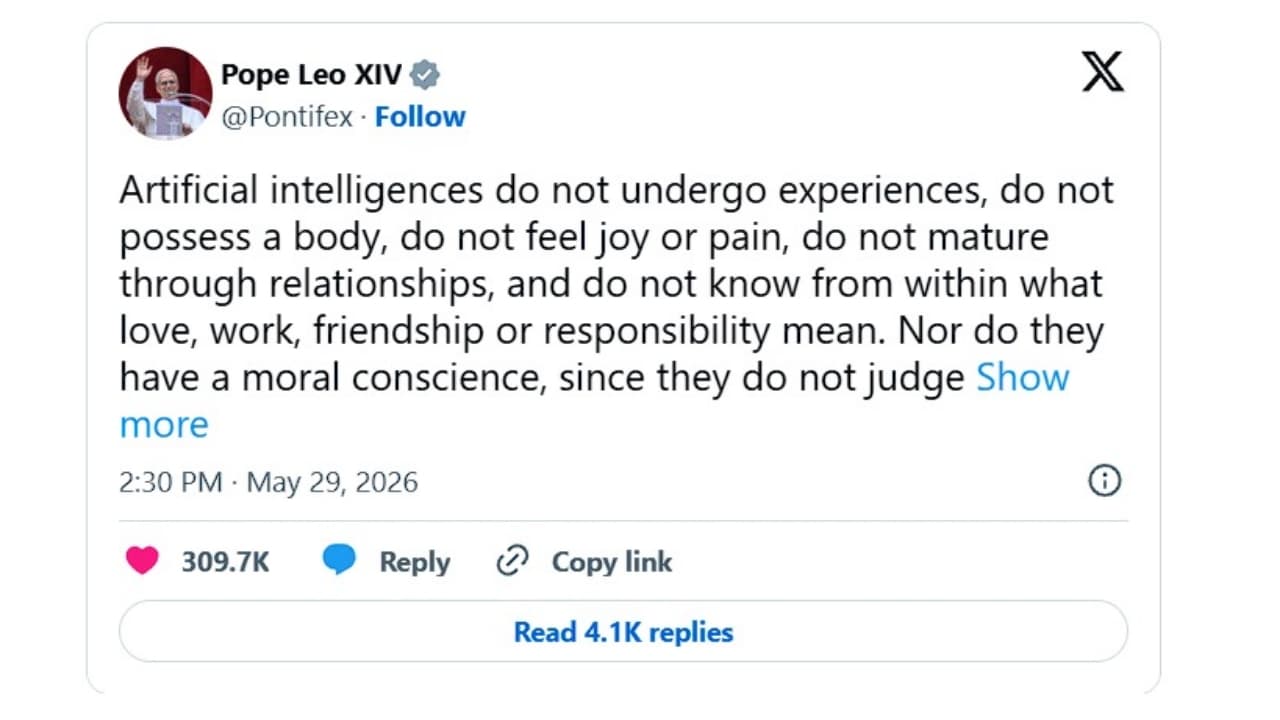
"Artificial intelligence systems do not go through experiences, they do not have a body; they do not feel pain or joy. They cannot mature through relationships, and they do not know what love, work, friendship or responsibility mean from within."
This philosophical approach has reignited the AI ethics issues that the technology world has long debated. However advanced an algorithm becomes, the fact that it cannot have moral awareness, cannot distinguish good from evil, and cannot bear responsibility for the consequences of its decisions carries the risk of weakening human judgment and creativity.
The Tweet Series: Four Messages, Four Core Concerns
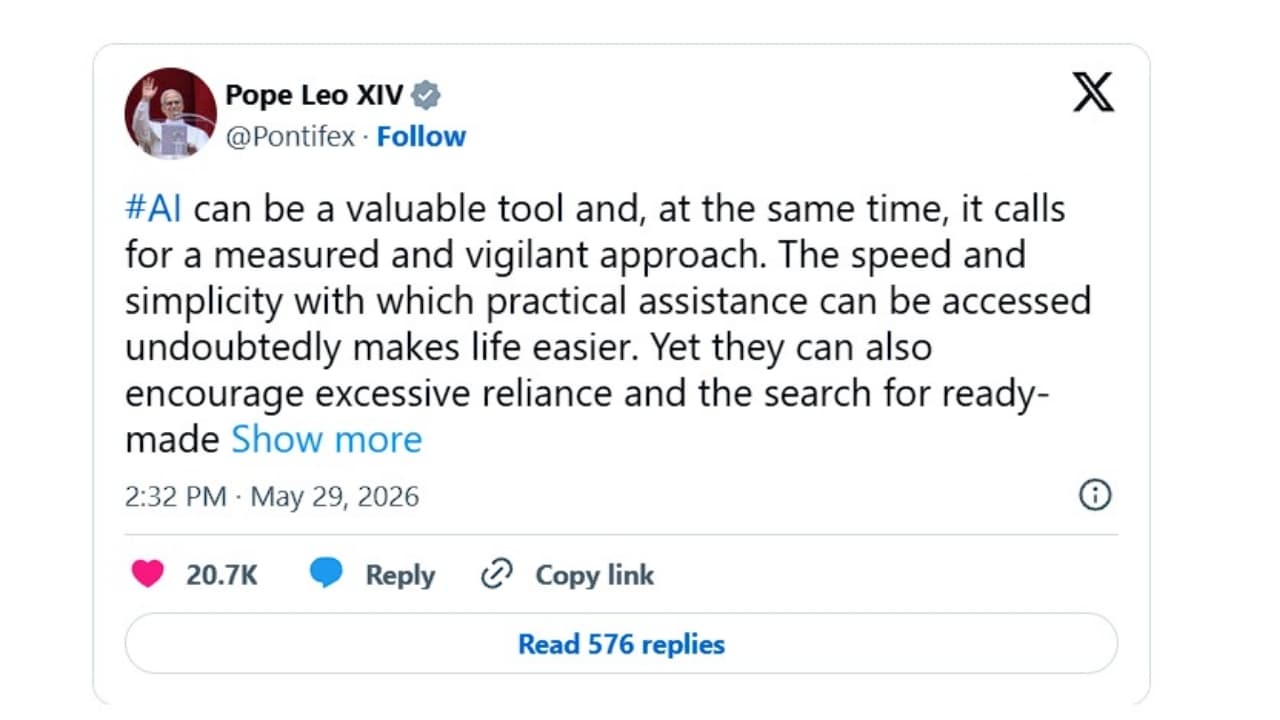
Within a few days after his open letter, Pope Leo made four separate posts on his official account on the X platform. These posts are analyses that give concrete form to his concerns about AI from different angles.
First post: Creativity and the erosion of judgment
"The speed and ease of access to practical help that AI offers certainly make life easier. But this can also fuel overreliance, the search for ready-made answers, and the weakening of personal creativity and judgment."
Second post: The cultural biases of designers
The Pope's second message brought up the fact that the seemingly neutral answers of AI systems actually reflect the cultural assumptions of those who design and train them. This observation is not only a religious criticism; it is the essence of academic debates on algorithmic bias.
Third post: Artificial relationships and the danger of isolation
The third post was perhaps the most striking. Pope Leo stressed that the imitation of empathy, friendship and love created by AI can prevent people from forming real relationships. He argued that, in the absence of genuine emotional bonds, interaction with AI detaches individuals from authentic human connections.
"AIs do not experience, they do not have a body, they do not feel joy or pain, they do not mature within relationships; they do not know what love, work, friendship or responsibility mean from within. They also have no moral conscience."
Fourth post: It imitates but does not understand
The Pope's final message stood out for its philosophical depth: AI cannot understand what it produces because it lacks the emotional, relational and spiritual perspective that allows a human to grow wisely. They imitate; they simulate. But they cannot comprehend.
Workforce, War and Concentration of Power: The Global Risks of AI
Viewed from an academic and socioeconomic perspective, the Pope's warnings do not remain only on the philosophical level; they also point to concrete global crisis areas.
1. Workforce and New Forms of Slavery
Pope Leo stated that the drive of technology giants to make more profit cannot justify moves that would lead to mass unemployment, and he also touched on the invisible workforce behind AI. He described the employment of millions of people around the world at very low wages and under insecure conditions in processes such as training models, data labeling and content moderation as new forms of slavery in the digital age.
2. Autonomous Weapon Systems and War
The Pope stated that it is unacceptable for decisions to kill or irreversible decisions to be handed over to autonomous military algorithms beyond human control. He argued that AI should be stripped of its role as a military, economic and cognitive competition tool and disarmed.
3. Information Monopolies and Democracy
He warned that AI can turn into a concentration of power in the hands of a small but influential minority that holds data and capital. He said this could manipulate democratic processes, increase disinformation, and gradually drive society toward a totalitarian order.

Is Global AI Regulation Essential for an Ethical Future?
The Pope's striking statement also found a response at the heart of the technology world. Chris Olah, co-founder of Anthropic, one of the most important actors in the AI world, thanked the Pope for his candid criticism and admitted that AI laboratories can sometimes drift away from doing the right thing due to commercial concerns, geopolitical pressures and ambition. This shows that the industry cannot be aligned through internal incentives alone, but through strong moral voices from outside and binding legal limits.
The Pope AI warning does not mean that humanity should reject technological progress; rather, it reminds us that technical power does not automatically grant the right to govern. The AI regulation processes that will shape the future should be entrusted not only to the algorithm designs of engineers, but to humanity's shared moral vision.
Is Technology Truly Neutral?
One of the most notable remarks by Pope Leo was his assessment that technology is never entirely neutral. The cultural values, preconceptions and data choices of AI system developers can flow directly into algorithmic outcomes.
For this reason, it is stated that treating AI outputs as absolute truths carries serious risks. The transparency and accountability of algorithms used in areas such as education, healthcare, law and public administration are especially important. According to the Pope, technology should serve humanity and should not try to replace it.
Effects on Human Relationships
AI produces not only economic but also social consequences. As people interact more and more with digital systems, the nature of real human relationships may change. Pope Leo specifically says that core values such as emotional bonds, empathy and human communication must be protected against technology.
In recent times, experts have also begun to focus on research examining the effects of AI chat systems on people's decision-making processes and social relationships. This shows that technology is not only a technical issue but also a sociological one.
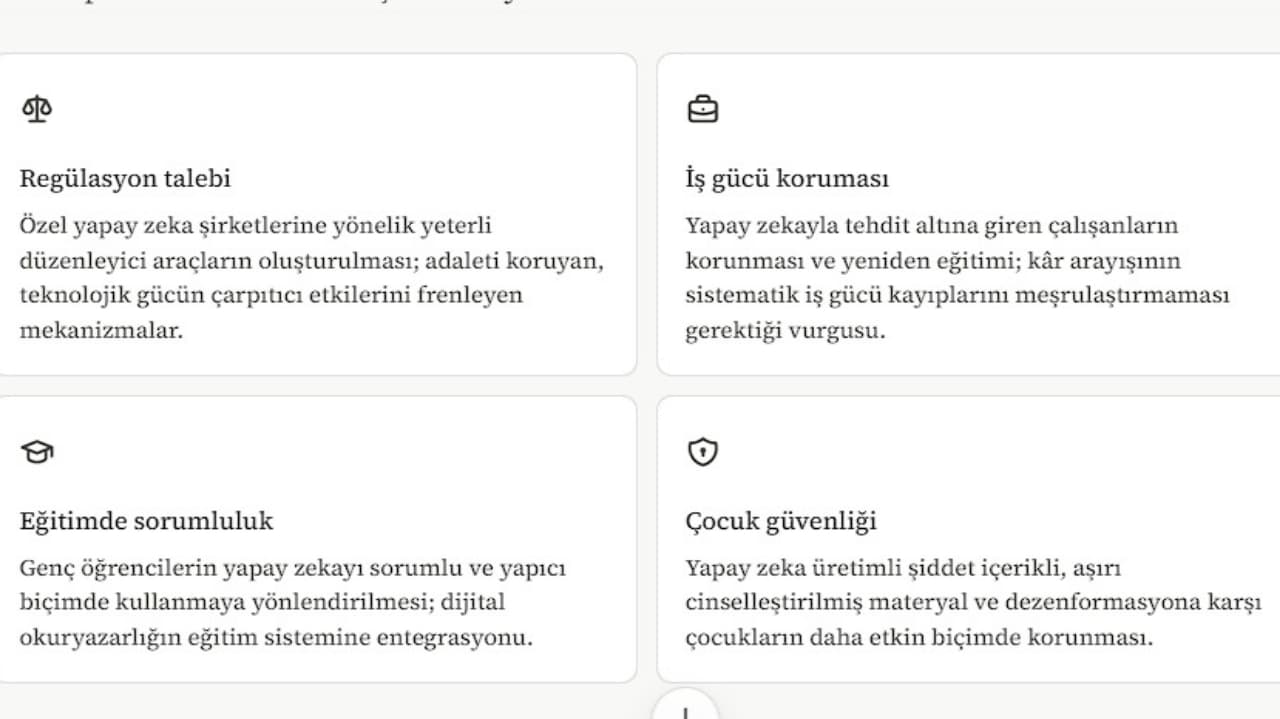
The Vatican's Proposed Solution: Algorithmic Justice and the Rome Call
Pope Leo's warnings are not just a theoretical critique; they also contain a concrete solution model. The Vatican advocates the concept of algorithmic justice, which is gaining increasing acceptance in the technology world. This approach requires that data be neutral, discrimination against minority groups be prevented, and algorithms be transparent (explainable) when AI models are developed.
In this direction, the most clear step is the "Rome Call for AI Ethics" document, led by the Vatican and signed by technology giants as well. With this call, the Pope wants the following 6 core principles to be made legally binding in the development of AI:
Transparency: It must be understandable and explainable to humans how AI systems make decisions.
Inclusion: Technology must not leave anyone behind and must serve the common good of all humanity.
Responsibility: The ultimate responsibility for the consequences of AI decisions must always remain with human designers and managers.
Impartiality: Algorithms must be free of biases and of datasets that create discrimination.
Reliability: Systems must be fully secure against cyberattacks and malicious manipulation.
Security and Privacy: User data must be absolutely protected, and no ground should be prepared for a surveillance society.
AI Ethics Issues: Why Do the Pope's Findings Matter?
The concerns raised by Pope Leo are a restatement, in a different language, of questions the technology community has debated for years. Algorithmic bias, the artificial simulation of empathy, workforce automation and regulatory gaps are all issues that are not only technical problems but matters that require deep moral choices.
For technology enthusiasts, the key point is this: when a globally influential voice such as the Pope's joins the AI agenda, it moves the debate beyond engineers and economists into a space that all of society needs to discuss. For an inclusive AI ethics, bringing together different perspectives will allow technology to be evaluated not only on speed and efficiency, but also on the axes of meaning and responsibility.
WriterGoogle Gemini ile Dolandırıcılık Yapan Ağa Dava Açtı

Anthropic: Yapay zeka Sistemleri Kontrolden Çıkabilir


