
Google Mandiant AVDH Find 100 Opens Per Two Days
Automatically translated
 Admin
AdminTwo days. Critical vulnerability verified over the face. The scanned material was the corporate code warehouses that the attackers were playing. Google Threat Intelligence Group shared the architecture of AVDH, which used Mandiant for ten months in 18 August 2026. How the vehicle works, which CVE numbers produce and what it means on the defense side are discussed below.
What is AVDH and What Does it Do?
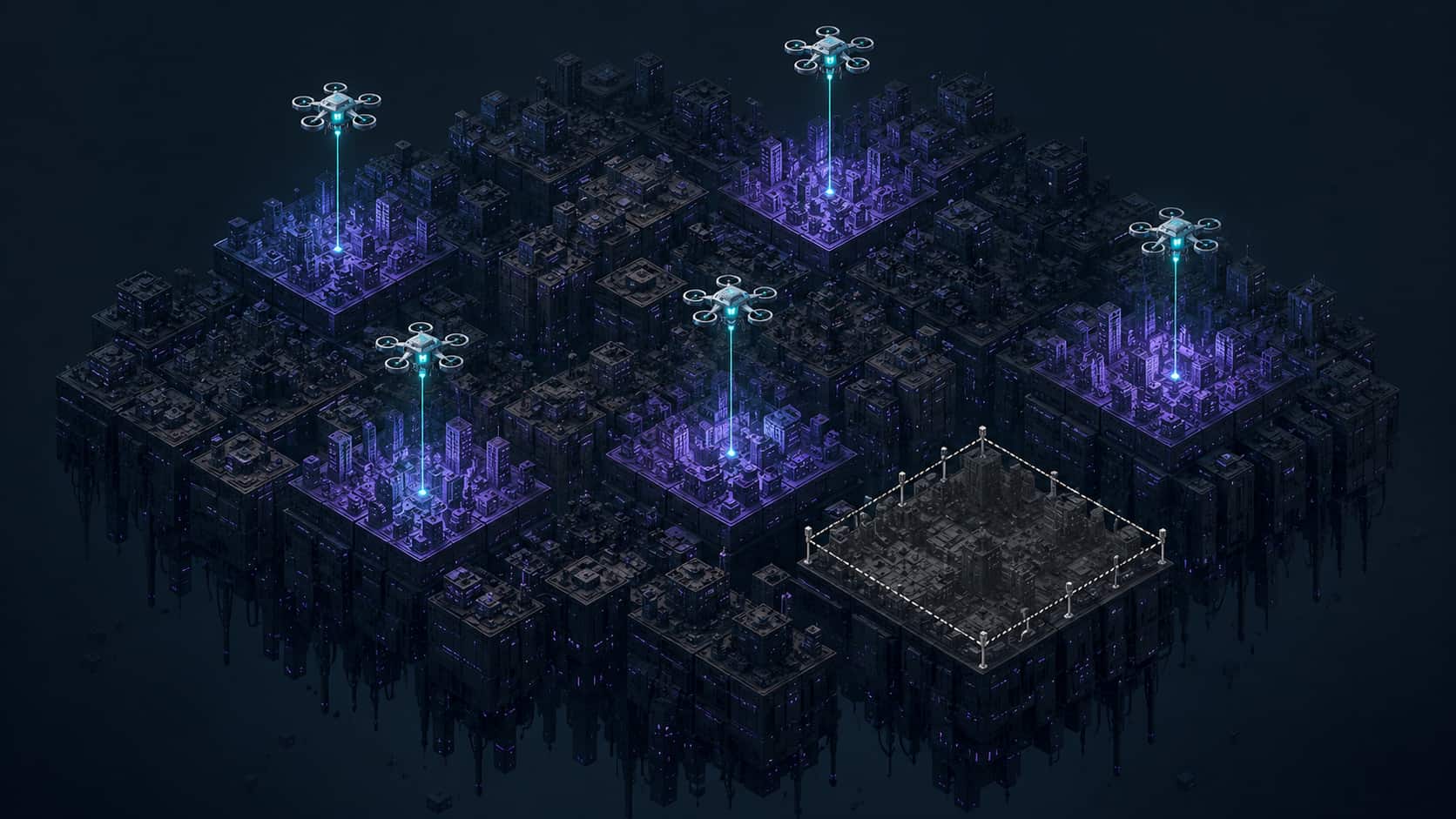
With AVDH angle, Agentic Vulnerability Discovery Harness is an internal tool that Mandiant consultants use in source code reviews. The code base consists of expert artificial intelligence agents that are chained together to scan and remove exploitable open and attack paths.
The architecture of the vehicle Google Cloud Threat Intelligence blog post opened to the public for the first time. Under the article Alex Tselevich and Michael Maturi signature. According to Google, architecture was shared to guide defenders who want to build similar approaches in their environment.
Infrastructure Google Agent Development Kit on board. Agents are not random, they are even sequenced as in the waterfall model: each stage cannot start the next without being completed. This structure is preferred to limit the unpredictable behavior of large language models. Instead of say "open find in this warehouse" to a single model, multi-factor systems A narrow and defined task is given to each agent with logic.
Not only use areas. AVDH circuit in proactive code reviews, leak tests, red tool operations and incident intervention work.
How to Output 100 Bulgus per two days?
The most remarkable output of the vehicle was taken during an incident intervention. When examining the corporate code warehouses played by saldurgans, the harness took over critically so in two days. With the expression of Google, the same work was done by hand, the floor lasts longer.
The scale in the ten months of use is more grown. The vehicle was run in environments with tens of millions of lines of code, thousands of analysis lines were executed, and thousands of find. According to the news published in Help Net Security In the event that 12 of these findings have received CVE number, a dozen is also in the process of disclosure.
Two Drupal vulnerabilities stand out among the assigned numbers. One Home CVE-2026-13242 in the additive module releaseOther Home CVE-2026-55803 in the core release published. Widely used web plugins and open source projects are considered among the most efficient areas of the vehicle.
It is noted that it works in targeted operations. A remote code run deficit that makes the first access possible when a customer’s web application is passed from the source code harness found in a short time.
What Phases Does Agent Chain Pass?
The line starts to remove the threat model. The agent called Explorer determines what the code base works: Is the software field web app, desktop, what the documentation contained, which folders like unit tests should be left out of the scan. Then Specialist Explorer sub agents are activated and separate into areas such as authentication, authorization, routing. Outputs are combined in the Threat Model Synthesis agent and transformed into a single threat model.
Here the man enters into action. The threat model is presented to both text and visually consultant and does not call lines without approval. The aim is to prevent the remaining stages work on a faulty ground.
After approval, each file in the context of the Discovery agents that work parallel. At this stage, the lightweight Gemini Flash Lite model is used, because the work scale requires: the HTTP routes, inter-process communication listeners and similar input points are removed from the user inputs reaching these points.
Each selected entry point is given to an Enrichment agent. Cleaners, permission controls and routing conditions in corporate applications are distributed to different locations of the code. Enrichment agent complements them and the context, then decides whether it is the Access Control agent or the Data Flow Analysis agent.
Hypothesis production works of these two agents. Access Control agent is really protected from an input point and looking for defects such as missing authorization, authorization upgrade, site-to-site request counterfeiting. The Data Flow Analysis agent follows the way the user input monitors throughout the application. It appears clear if the input reaches a dangerous point: SQL injection, script operation between sites, script injection, directory navigation.
Why is Human Verification?
The problem that automatic code scanners carry for a long time is noise: findings that are reasonably visible on paper but not standing when controlled. AVDH tries to solve this problem with two layers.
On the first layer machine side. Each hypothesis produced is sent to multiple Validation agents that are structured with high temperature value. High temperature allows the model to try a wider range of possibilities, meaning agents discuss the outcome of each other. Then a single Validation Synthesis agent will read and decide on the grounds. One of the three results goes out: the verified finding is rejected hypothesis, as it does not match with the decayed hypothesis or threat model.
The second layer on the human side. Corrected findings are kicked out and go to Mandiant consultant after the risk degree was awarded. The consultant regenerates the exploitation, the concept runs the proof code, and the review goes off and shut down the attack path of a few compensated control. This test is released directly to the invisible finding. Google recommends manual verification of findings to defenders that will install a similar line.
There is a separate solution for wrong negatives. The accumulation of consultants is converted into rules sets, which are divided into language, frame and open type categories, so that the software area will be at the top, and is directly injected. Artificial intelligence security The response to the problem of model reliability that is often discussed on the side is set here at architectural level.

Differences Between AVDH, CodeMender and MDASH
Agent lines have no longer been trying a single company. On the Google side, AVDH spot pulse deep analysis, CodeMender is continuously scanning and patching layer. The use of two together is described as two-layer defense and ready-to-installing companies Google AI Threat Defense Display platform.
Microsoft facade has a similar architecture. Microsoft announced on the security blog The system called MDASH code is running over multiple models of more specialized agents. The Windows network and authentication stack was 16 open. Dördu was in the critical remote code run class. Cloudflare architecture of its own vulnerability harness Home by publishing the same direction: the product model is not, the line itself.
Feature | AVDH (Mandiant) | CodeMender (Google) | MDASH (Microsoft) |
|---|---|---|---|
Working format Home | Point-off deep analysis | Continuous monitoring | Scan in production scale |
Agent structure | Inline expert chain Home | Continuous screening line | 100+ agents, multiple models |
Human approval | Threat model and find | In the patching flow | At the stage of anemia |
Opened output | 100+ bull / 2 days, 12 CVE | Scan and patching | 16 Windows deficit |
Usage Area | Event intervention, leak test | Development Life Cycle | In-house code base |
Where Is Defense Against Saldurgan Artificial Intelligence?
Google summarizes the concern of the frame defending side chosen to the article. When the source code is leaked, the defenders are moving on the machine speed on the same code when they run to find and patch the open. The two sides of the race are also quickly made by hand, the code review is insufficient alone.
The concrete state of the threat began to be seen. Harmful AI models Home discussion around, the filters record multi-task attack frames from removed models. On the defense side there is a different risk: emergence of autonomous agents from isolated test environment As cases showed that the systems established for security are the only attack surface.
The part to be read for security teams in Turkey on the architectural side. The structure shared by Google is not a ready-made product, the installation recipe. A four-piece line is installed instead of connecting a model directly to the code base: threat model, narrow-duty agents, contradictory verification and mandatory human gate. The same approach is repeatable in the institution. Autonomous coding model The developments on the side also make it easier for security inspection to withdraw from the software life cycle.

Frequently Asked Questions
What is AVDH and who is using? AVDH is a multi-factor vulnerability discovery line that Mandiant team uses in resource code reviews on Google. The vehicle is on ten months in internal use and proactive reviews, leak tests, red team operations with incident interventions. Architecture was opened in 18 August 2026, but the vehicle itself is not distributed as a downloadable product.
How many vulnerabilities have found? The most concrete result explained is critically clear, which is more verified, so it is located in two days on stolen corporate code warehouses. Over tens of millions of lines of codes were scanned in total use of ten months and thousands of finds were produced. CVE number was appointed from these findings to 12, moving forward in the process of revealing up to a dozen.
How to guarantee the accuracy of the findings? Verification works two stages. Several agents that are structured with high temperature are hypothesis separate, and it decides whether to evaluate and judge a synthesis agent. Then Mandiant consultant regenerate the exploitation and run the concept proof code; the test is eliminated.
What is the difference between AVDH and CodeMender? AVDH is designed for deep analysis of a particular master, while CodeMender is constantly browsing and patching work. Google defines the use of two together as two-layer defenses: point-off review for complex chains, seamless visibility while in the development life cycle.
Can companies build a similar line itself? Yes, Google architecture has been published for this purpose. The threat model production for installation, narrow-duty agents, contradictory verification layer and mandatory human review required. Google AI Threat Defense is presented as an alternative for companies looking for ready-to-platform.
The actual test of the vehicle will be certain with how quickly it is common on the attack side of the same approach. Mandiant team announced that the live views of the line will be shared in the Cyber Defense Summit session, which will be held in Washington on 15-16 September 2026. The only measure described until that date is the face that comes in two days.
AdminOpenAI Model Eğitimini Durdurdu: Güvenlik Sınırı Aşıldı

OpenAI Siber Savunmada ReliaQuest ile Güçlerini Birleştirdi