
JavaScript SQL Engine Browser Based Data Bases Rise
Automatically translated
 Writer
Web technologies have a significant transformation on data processing and analysis side in recent years. In the center of this transformation JavaScript SQL Engine databases, it takes improvements. The main difference of JavaScript SQL engines is to move the query engine to the browser. This JavaScript SQL Engine’s running in the browser is starting a new era for the software world by offering data inquiry, analysis and reporting without needing the server.

Powerful tools like DuckDB-Wasm, LLM Data analysis Home When combined with tools, both developers and end users provide accessible, fast and secure analysis environments. These technologies are candidate to change the process from root when data is processed in the future web applications.
What Does Browser Based Database Approach Offer?
When traditional database architectures are thought, data processing processes usually occur on the server side. But browser-based databases change this balance. In particular, this approach allows modern web applications to become faster, secure and scalable. JavaScript SQL Engine The data is processed directly to the user's browser. To mention the advantages;
greatly reduce server costs. Recently, major transformations are experienced in terms of infrastructure and cost and aiming to become more practical for all technology. By doing real-time data analysis, users can save time. It looks like a successful job in user privacy. Browser-based SQL models come to become a powerful alternative for dashboard applications, data discovery tools and interactive reporting systems.
Integration with LLM Data Analysis Tools
As known, in the last period, the integration of data analysis tools with large language models (LLM). Of course, the contribution of the development of artificial intelligence in this regard is more than ever. JavaScript SQL Engines create an ideal infrastructure for LLM based analysis systems. In LLM-supported data analysis scenarios; the user can ask questions in natural language. LLM translates this question into SQL query and can run SQL engine query instantly in the browser. Thanks to this structure, users who are limited to technical knowledge can perform analyses against complex data sets, such as a software engineer. This approach is critically important in AI-supported analytical applications.

Why is Browser Based Databases Now Featured?
When we look at the foundation of the issue caused by this approach, a few critical developments appear;
- WebAssembly (Wasm) Effect: Thanks to Wasm, high performance database engines written with C/C++ can work native speed in browser. DuckDB-Wasm is the most powerful example of it.
- Increase Scanner Memory Capacity: Modern browsers are now able to process hundreds of or even gigabyte levels. This situation can meet large analytical workloads.
- Serverz (Serverless) Architectural Trend: Companies want to lower costs of beckend (web back face). SQL engines running on the browser offer the ability to analyze the server without sending any queries.
What is DuckDB-Wasm and Other?
The main difference that highlights DuckDB-Wasm is Olap( analytical) oriented design. When we look at the technical point, we see that DuckDB can run the Webassmbly version of high-performance analytical queries directly from the browser. DuckDB if we look at the properties;
- Column based data processing
- High performance in large data sets
- High compliance with SQL standard
- File-based work (Parquet, CSV support)
Other JavaScript SQL Engine solutions often look very suitable for DuckDB-Wasm analytical workloads because they focus on lighter usage scenarios. And it is developed for large data sets.
Performance Enhancing With Async SQL Execution
Recently, asynchronous (async) SQL tracker has a critical importance in web applications. Long lasting SQL queries in the browser environment locks the user interface if they are not managed correctly. SQL queries working in the browser do not block main business particles, are of great importance in terms of user experience. Therefore, they use approaches such as modern SQL engine lar, Web Worker Async/Await Promise-based Billboard. With Async SQL Tracker, the probability of UI don’t exist, the user can continue to interact with when querying, LLM can run parallel queries. These changes have critical importance on AI-supported data analysis. In this context, combining SQL engines with the asynchronous structure of JavaScript, providing great advantage for interactive data visualization-based analysis tools.
Below is the Comparison chart of Squirreling and DuckDB-Wasm approaches for JavaScrşpt SQL Engine solutions;
| Title | DuckDB | Squirreling Architecture |
|---|---|---|
| Description | Working on WebAssembly, in-browser SQL and analytical motor | Processing approach with small parts on the edge/seller instead of the central server |
| Scope | Technology/data engine u | Architectural strategy |
| Working Place | Browser, Edge runtime, Node. Tags | Browser, edge node, micro application |
| Basic Purpose | Run high-performance SQL queries | Dispose and localize data dependence |
| Data Processing | Column-based, analytical-oriented | Part-based, contextual |
| Scale | Single client / edge based | Horizontal, distributed, multiple clients |
| LLM Compliance | Very high (LLM → SQL → DuckDB) | Very high ( works at LLM edge, the data does not exit the center) |
| Offline Work | Support | Promotes architecture |
| Security | Provided with technical measures | Natural security as data does not go out |
| Performance | Close to Native | Performance connected to used engines |
| Flexibility | Limited with SQL and data formats | Engine independent (DuckDB, SQLite, JS engine etc. ) |
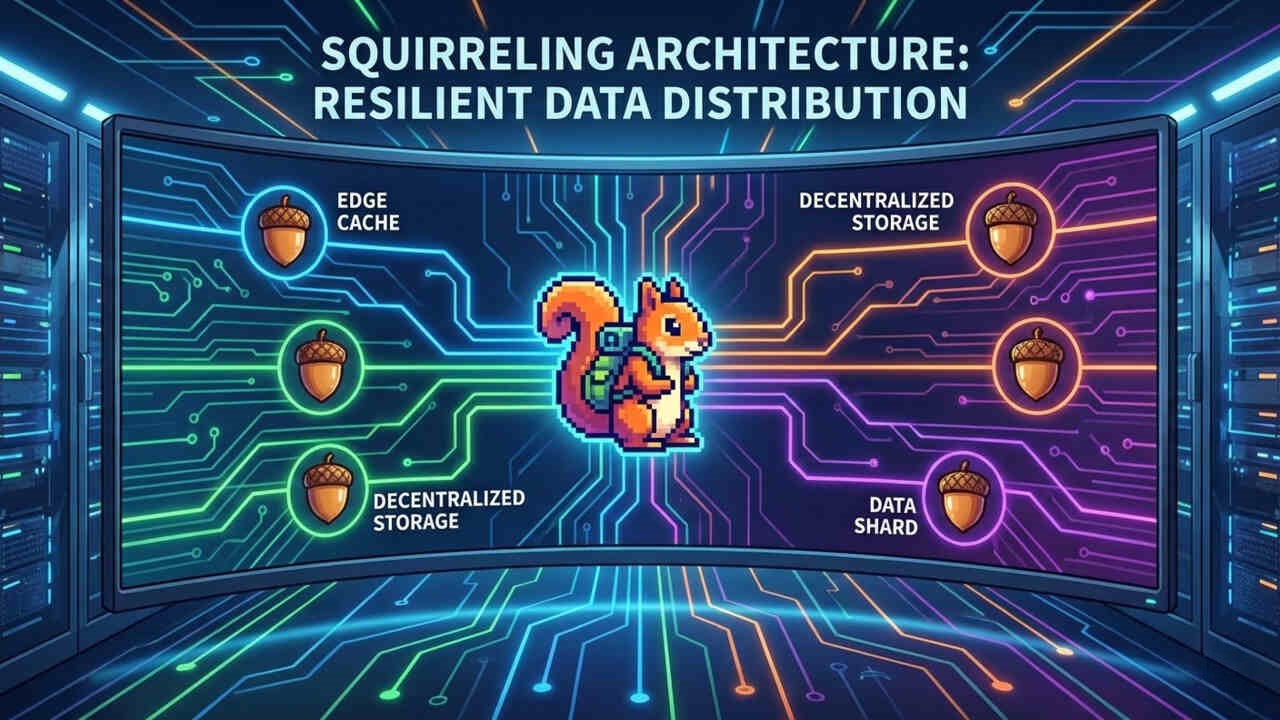
Squirreling Use in Edge Deployment
Decreases dependence on central server in Edge deployment scenarios. The data is processed in the user's browser or processed in the serviceless edge runtime. Squirreling is suitable for these environments because it does not require large data transfer, only the required data is kept locally. SQL queries are run by edge. As a result, this model reduces latency, minimizes bandwidth cost and increases privacy.
Writer2026 Yapay Zeka İstihdam Programları ve Kariyer Rehberi


Güney Kore Yapay Zeka Yasası Yürürlüğe Girdi: İşte Detaylar