JP Morgan Report: A Turning Point for Humanoid Robots
Automatically translated
 Writer
Global financial giant JPMorgan Chase recently published a striking report. In the analysis, titled JP Morgan Robotics Report 2026, the bank stresses that humanoid robot technologies are one of the biggest growth areas over the next decade. The report predicts that humanoid robots could create a trillion-dollar market in the global economy, especially in manufacturing, logistics and service sectors, where they could take over work currently done by people.
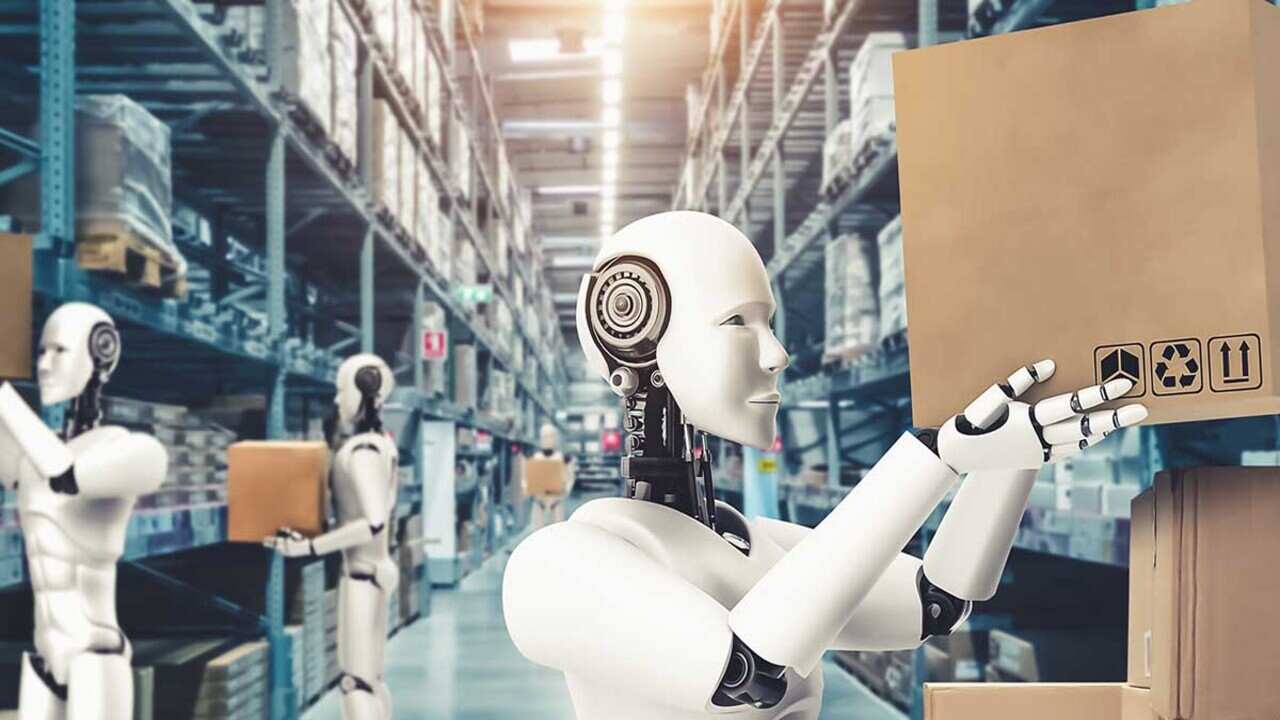
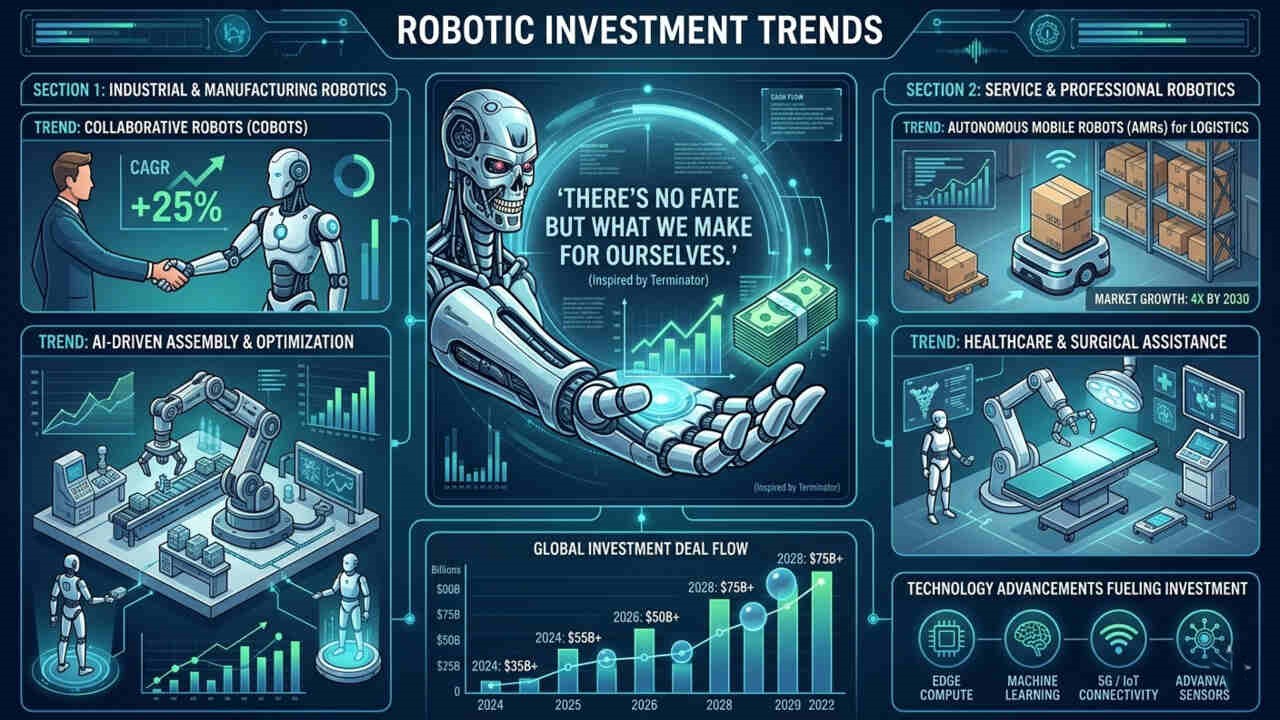
The analysis notes that robotics investment is not limited to technology companies. The report says it could affect a wide range of connected business areas, from investment trends to workforce changes and company strategies. JP Morgan Robotics Report 2026 can be seen as a roadmap for future projections in the sector.
What Does the JP Morgan Report Say?
According to the JP Morgan Robotics Report 2026, the robotics sector is going through three main shifts: falling hardware costs, advancing AI integration, and the commercial rise of humanoid robots. Given these three factors, wide use across many areas on a global scale is expected. JP Morgan analysts said that, in particular, improvements in the movement abilities of robots give them a place in a broader range of work. Advances in sensor technology and AI algorithms, which allow robots to receive clearer and more accurate feedback from their surroundings, are interpreted as signs that a critical threshold has been crossed.
According to the report, the robotics market will grow exponentially in the coming years and reach a trillion-dollar market volume. In this context, humanoid robots are placed at the center of this progress. The JP Morgan robotics report also looks at the economics, noting that these investments have accelerated significantly over the last five years and that venture capital funds and large technology companies will keep investing billions of dollars in robotics.
Humanoid Robot Technologies: The New Generation of Automation
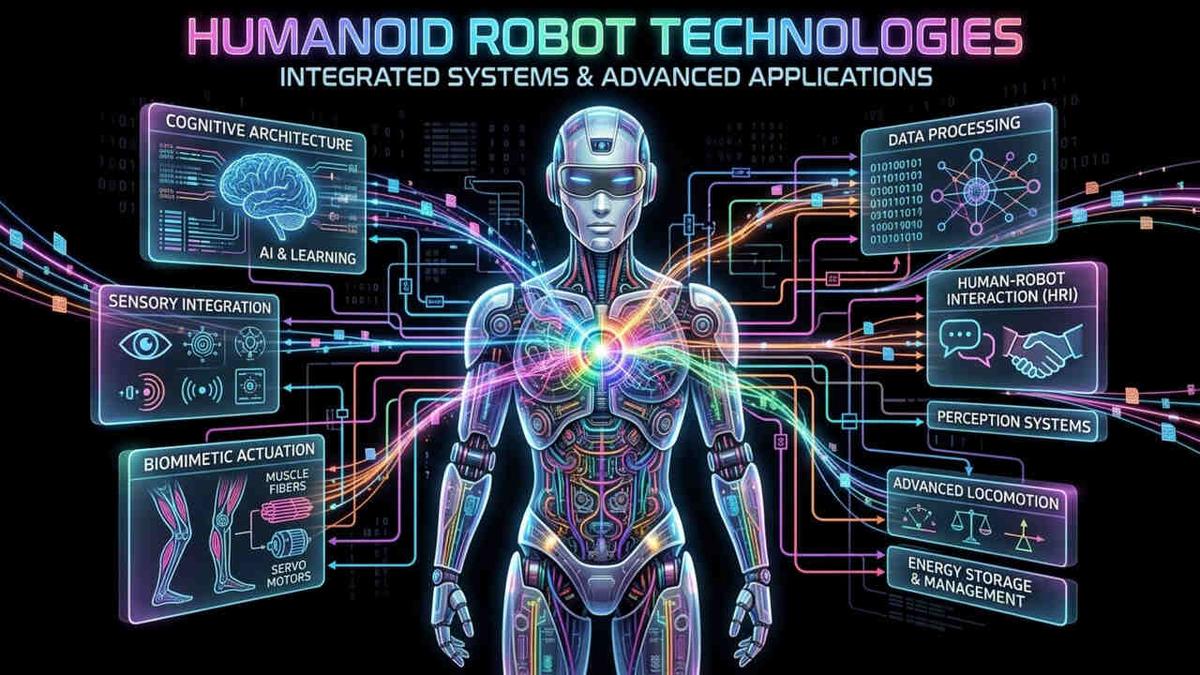
Unlike familiar factory robots, humanoid robot technologies are designed to be close to the human form. This allows them to be adapted to existing work arrangements without requiring later infrastructure changes. AI-based sensor and actuator systems help robots perceive their surroundings more reliably. Considering humanoid robot technologies, these machines are no longer simply programmed devices; they are becoming autonomous systems that can communicate.
Today, these robots can:
Recognize objects through image processing
Communicate with people through natural language processing
Adapt to new tasks through learning algorithms
Thanks to these capabilities, robots show they can also work in areas such as service, healthcare and retail.
Humanoid Robots: Gains in Manufacturing Efficiency
According to the JP Morgan report, humanoid robots reduce production costs by 20% while also significantly increasing efficiency. Industrial humanoid robots could bring a revolutionary change to production lines. While known robotic systems can be used for specific tasks in production, humanoid robots can move between different tasks.
For example, in a single production facility, the same robot could:
Work on the assembly line in the morning
Perform quality control in the afternoon
Support warehouse management in the evening
This also raises fears that AI and humanoid robot technology will take workers' jobs.
Industrial Robot Usage Comparison
Criterion | Traditional Robots | Humanoid Robots |
|---|---|---|
Flexibility | Low | High |
Adaptation | Difficult | Easy |
Task variety | Limited | Broad |
Installation cost | Medium | High (initial investment) |
Long-term productivity | Medium | High |
This table shows that, according to the JP Morgan report, humanoid robots are seen as the future production standard.

The US–China Technology Race: A New Geopolitical Era Driven by AI
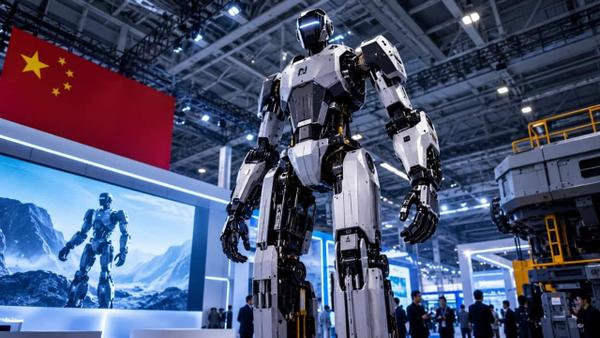
The technology race between the US and China has moved to a more advanced stage with AI integration. This systematic power struggle is driven less by hardware and software alone and more by multi-layered structures such as data, compute, chip manufacturing and AI models. According to recent data and the JP Morgan robotics 2026 report, the US leads in investment and advanced model development, while China is showing aggressive growth in robotics, scaling and deployment. The US holds a leading position in advanced GPUs and AI chips with companies such as NVIDIA. However, after export restrictions, China has turned to domestic production, and players such as Huawei are growing quickly. China's AI chip market is expected to reach 67 billion dollars by 2030.
Projects such as Optimus, developed especially by Boston Dynamics and Tesla, strengthen the US position in this field. While US-based companies lead in advanced robotic systems, China stands out for its production scale and cost advantage. Current trends suggest that two different robotics ecosystems will form in the coming years:
US model: High technology, low volume, high added value
China model: High production, low cost, wide diffusion
This divergence means that different standards will become widespread in the global market.
Criterion | US Approach | China Approach |
|---|---|---|
Focus | Innovation and advanced technology | Scale and production |
Robot type | High-performance systems | Affordable robots |
AI integration | Deep and sophisticated | Fast and widespread |
Market strategy | Global premium segment | Broad mass market |
Role of government | Private sector-led | State-supported |
Workforce and Economic Impacts
Humanoid robot technologies will bring significant changes to the labor market. According to the JP Morgan Robotics report, some occupations will disappear while new fields of work will emerge. Overall, as transformation increases in low-skilled jobs, demand for technical and engineering-focused occupations will grow more intense. Therefore, education systems will inevitably need to be revised or changed. However, the report expects that robots will not fully replace people, and that human-robot collaboration will form a new model.
According to experts:
Robots will become part of daily life
Production processes will be largely automated
Robotic technologies will become a decisive factor in global competition
WriterYapay Zeka Ödeme Sistemleri: Mastercard’dan Devrimsel Adım


DeepSeek V4 Tanıtıldı: 1 Milyon Token ve 1.6T Parametre!