




Kimi K3 Open Weights Released: Hardware, License, and Cost Breakdown
Automatically translated
 Admin
Moonshot AI introduced its 2.8 trillion parameter Kimi K3 model on July 16, 2026. The full model weights became downloadable from Hugging Face as of July 27, 00:00 UTC. This will be the largest language model released with open weights. The article covers the model's architecture, pricing, the hardware needed to run it, and what it means for teams in Turkey.
What Is Kimi K3 and Why Is It Being Discussed?
Kimi K3 is the new flagship model developed by Beijing-based Moonshot AI and announced at the World Artificial Intelligence Conference in Shanghai. On the day it was announced, the model became available on Kimi.com, Kimi Work, Kimi Code, and via API.
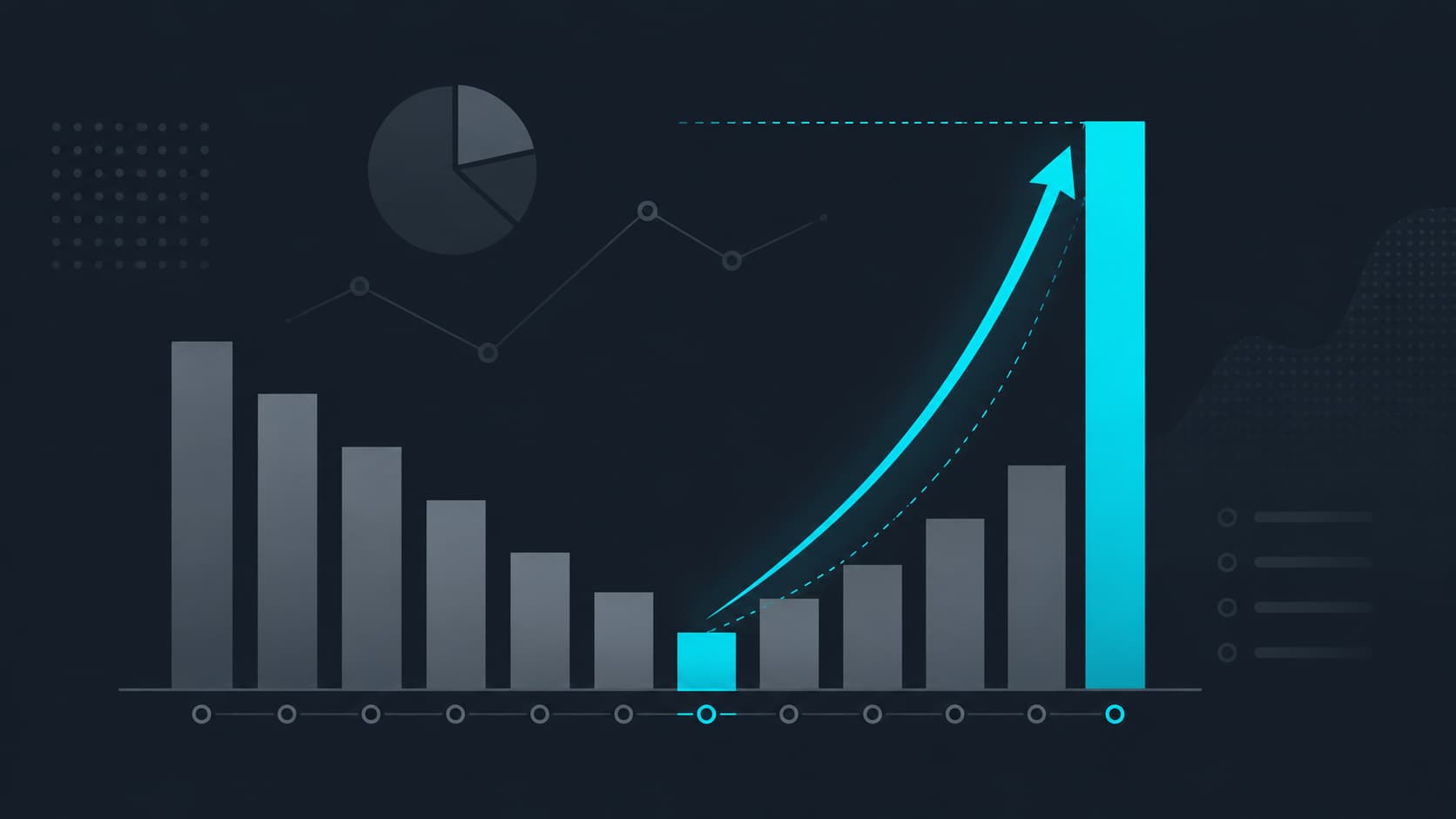
What drew attention was not the parameter count so much as the movement in leaderboards. The model reached first place in the Frontend Code category of Arena, the platform where developers vote blindly. Its predecessor K2.6 ranked 18th on the same list. In the overall ranking by the independent evaluator Artificial Analysis, it placed fourth among 189 systems.
According to an analysis published by VentureBeat, the performance gap between open and closed models has effectively closed at the frontier level. Moonshot's own language is more restrained than expected. In its official technical blog, the company wrote that K3 still trails the strongest proprietary models in general performance, namely Claude Fable 5 and GPT-5.6 Sol.
When Are the Open Weights Being Released?
The weights release was announced for July 27, 2026, 00:00 UTC. In Turkey's time zone, this corresponds to 03:00 on the morning of July 27. Moonshot's API documentation states that the full model weights will be published by this date.
There is a distinction that is often confused here. A model being usable through an API does not mean its weights can be downloaded. K3 has been running in products since July 16, but the K3 repository has not yet appeared on Moonshot's Hugging Face account. Most of the download links circulating on social media point to K2.6 or K2.7 Code versions.
The source needs to be verified on the day the repository opens. Past incidents involving models leaked through Hugging Face call for caution toward repositories outside the official organization account.

How Does the Kimi Delta Attention Architecture Work?
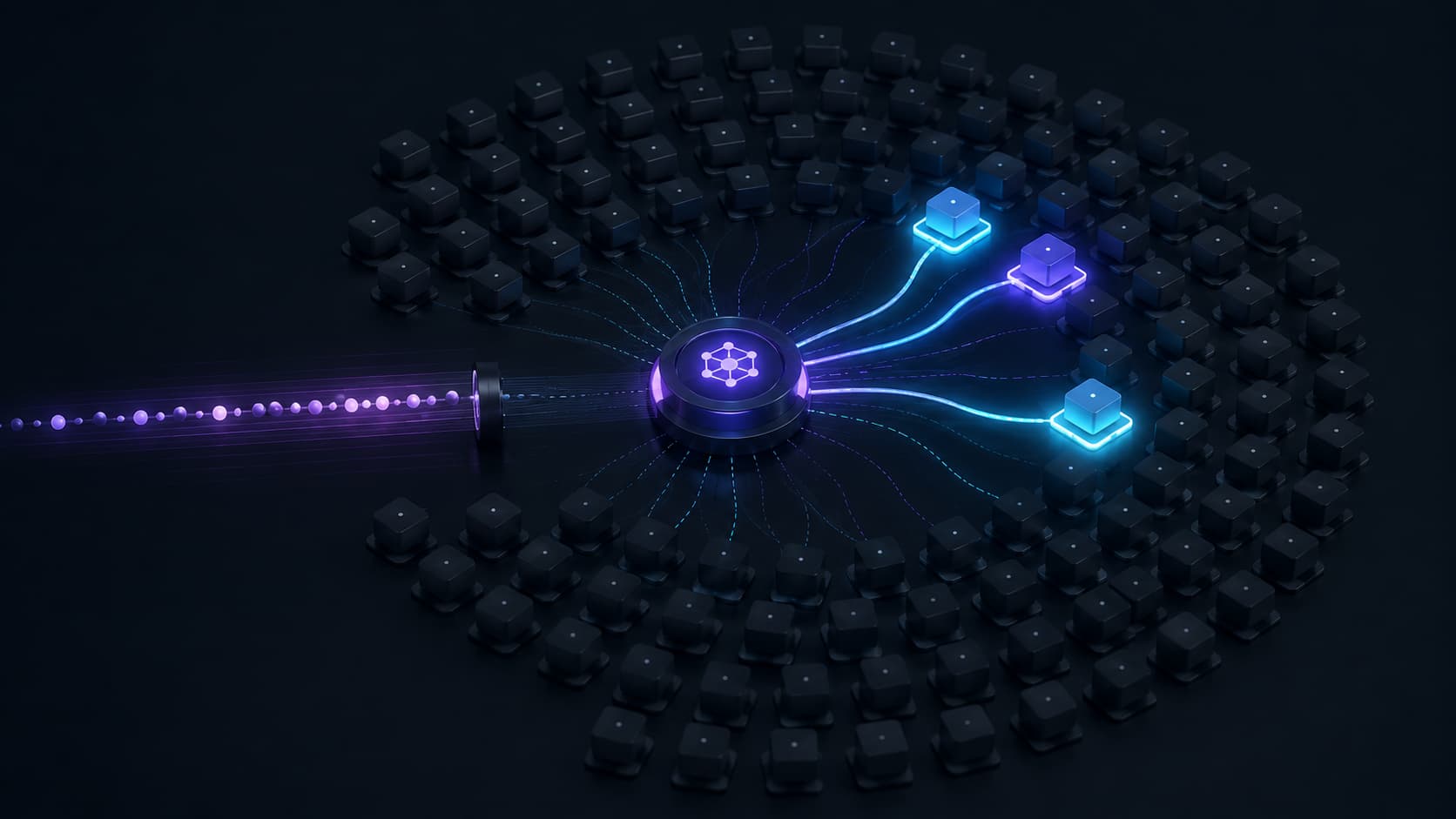
The model's 2.8 trillion parameter count does not mean all of it runs on every request. The Mixture of Experts (MoE) architecture has 896 experts in total, and only 16 of them are activated per token. The active parameter ratio stays below two percent. Despite its size, the computational load resembles that of a mid-sized model.
Moonshot describes two architectural innovations. Kimi Delta Attention (KDA) is a hybrid linear structure that replaces the classic attention mechanism in part of the layers. Attention Residuals aim to let information travel through deeper layers with less loss. Together with the Stable LatentMoE framework, the company reports roughly 2.5 times the scaling efficiency compared with K2.
The context window is 1 million tokens. The model has native visual understanding, meaning it can read screenshots and diagrams. The weights come in MXFP4 format, trained with four-bit quantization.
A similar MoE approach was used earlier in Alibaba's Qwen3-Coder open coding model. What sets K3 apart is the size of its expert pool and how low the active ratio has been pushed.
Where Do Kimi K3 Prices Stand Against Competitors?
On OpenRouter's pricing page, K3 is listed at 3 dollars per million input tokens and 15 dollars per million output tokens. The figure is clearly above the price level Chinese labs have accustomed the market to.
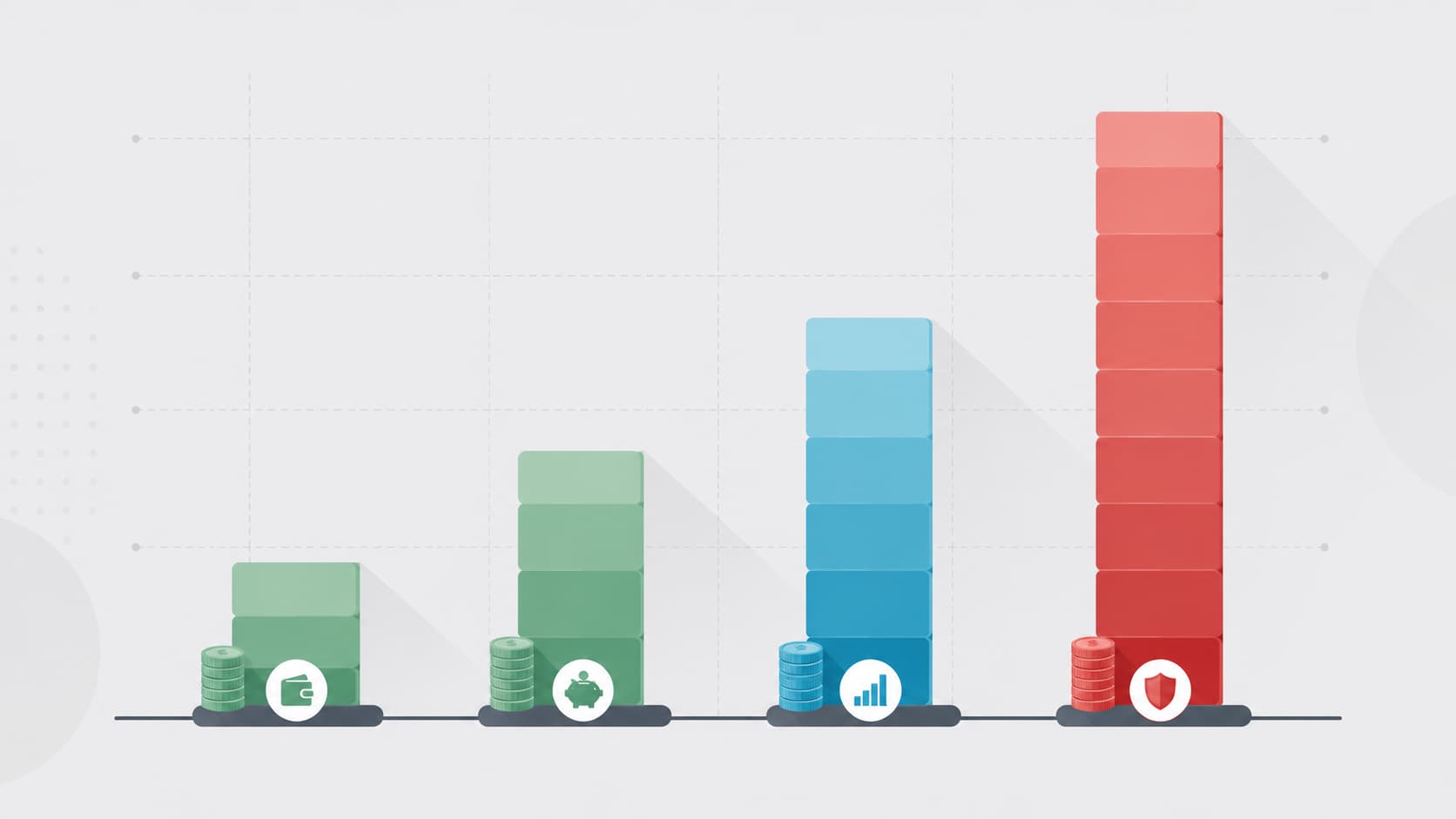
According to a comparison published by Fortune, for the same volume of output, Claude Fable 5 charges 50 dollars, while z.ai's GLM-5.2 model sits at 4.40 dollars and DeepSeek V4 at 0.87 dollars.
Model | Output (1M tokens) | Open weights status |
|---|---|---|
Claude Fable 5 | 50.00 $ | None |
Kimi K3 | 15.00 $ | July 27, 2026 |
z.ai GLM-5.2 | 4.40 $ | Available |
DeepSeek V4 | 0.87 $ | Available |
The table makes K3's position clear. On the Chinese side, the model has moved away from the role of cheap alternative and settled into a price band close to Western frontier models. Opening the weights gives teams unwilling to pay that cost a second option.
Is It Possible to Run the Model on Your Own Server?
Technically yes, but in practice only for a very narrow group. The weight file is expected to be a download of about 594 GB in MXFP4 format. To keep the model running, roughly 1.4 terabytes of fast memory is needed at four-bit quantization. At sixteen-bit, that figure rises above 5 terabytes.
Moonshot's own deployment guide recommends 64 or more accelerators. In other words, a single graphics card, workstation, or small server cannot hold this model. In practice, those who can run K3 are cloud providers, inference companies, and organizations with large-scale clusters.
The picture is different for users looking for AI that runs on personal hardware. Projects like Odysseus, which runs on your own hardware, get by with small models, while a 2.8 trillion parameter architecture cannot be compared in the same category. Open weights remove the vendor gate; they do not remove the electricity bill or cluster management.

What Do Open Weights Mean for Teams in Turkey?
For a software team in Turkey, the real difference lies not in the cost line but in where the data is processed. When a hosted API is used, prompts go to Moonshot's servers. When the weights are downloaded and run inside the organization, the data never leaves.
The distinction is concrete for organizations that process personal data. For teams working in healthcare, finance, and the public sector, transferring data abroad requires a separate permit and contract process. A model running on your own infrastructure makes that process unnecessary from the start.
Because of the hardware threshold, the realistic option for most Turkish companies remains the API. For organizations that put data privacy first, smaller and local models offer a meaningful alternative. Turkish-focused efforts such as Kumru AI are built precisely around this need.
Question Marks Around Data Security and Licensing
With only hours left before release, the license text has still not been published. Moonshot released K2.5, K2.6, and K2.7 Code under a modified MIT license. Past practice creates an expectation, not a commitment. If commercial use depends on license terms, the text will need to be read once the repository opens.
The second question mark is legal. As long as the hosted API is used, prompts are processed on servers subject to Chinese law, and no contract eliminates that. Open weights solve the problem only for those who can run the model on their own infrastructure.
There seem to be no concerns on the company's financial side. Moonshot closed a 2 billion dollar funding round in May 2026, and its valuation exceeded 20 billion dollars. Its models are also used in enterprise settings: Cursor drew on Kimi models while developing Composer 2, its coding agent, and DoorDash said it had handed lower-level tasks over to K2.6.
Frequently Asked Questions
When exactly will the Kimi K3 weights be downloadable? The announced time is July 27, 2026, 00:00 UTC. In Turkey's time zone, this corresponds to 03:00 on the morning of July 27. The weights are expected to be published under Moonshot's official Hugging Face organization account. Because the date could shift, verification should be done through the repository.
Is Kimi K3 really open source? The model is described as open weight, which is not the same thing as open source. Downloadable weights do not mean the training data and all training code have been shared. Since the license text has not been published, the terms for commercial use are also still unclear.
Can I run Kimi K3 on my own computer? No. Even in four-bit format, the weights require around 1.4 terabytes of fast memory, and Moonshot recommends 64 or more accelerators. Running it on consumer hardware is not possible. For those looking for local use, smaller Kimi versions or different open models are more suitable.
How much does the Kimi K3 API cost? It is listed at 3 dollars per million input tokens and 15 dollars per million output tokens. The price is clearly above Chinese competitors such as DeepSeek V4 and GLM-5.2. On the other hand, it stays below Claude Fable 5's 50 dollar output price for the same volume.
What tasks is Kimi K3 strong at? Long-horizon coding, agent-based workflows, and navigating large codebases are its standout areas. The model reached first place in Arena's Frontend Code category. In general conversation and reasoning, however, it trails the strongest proprietary models, in Moonshot's own words.
With the weights published, the debate moves from benchmark tables to procurement desks. Once the repository opens, independent teams will test Moonshot's figures against their own workloads, the license text will be read, and it will become clear who can actually use the model. Tomorrow morning will be the moment when the gap between claims and the files becomes visible.
AdminSomerset NHS, Kanser Teşhisinde AI Dönemini Başlattı


Avrupa Parlamentosu Siber Saldırıyla Gündemde: Ne Oldu?


