
European Parliament Cyberattack Makes Headlines: What Happened?
Automatically translated
 Writer
The European Parliament is back at the center of digital security debates, not because of a cyberattack on the institution itself, but because a former European Parliament member was targeted with Pegasus spyware. According to a forensic examination carried out by Citizen Lab, the iPhone of Stelios Kouloglou, a former member of parliament and journalist, was compromised several times while he served on the PEGA Committee, which investigated the use of Pegasus and similar surveillance tools in Europe.

According to initial findings, the device was targeted with Pegasus in October 2022 and March 2023. Researchers stress that the specific government or operator behind the attacks has not been definitively identified at this stage. However, the timing of the attacks and findings about the infrastructure used have started a new discussion about the cybersecurity threat posed by spyware across Europe.
What Are the Details of the European Parliament Cyberattack?
According to Citizen Lab's report dated July 3, 2026, Stelios Kouloglou was targeted by Pegasus while serving on the PEGA Committee of the European Parliament, which investigated the use of Pegasus and similar spyware. Researchers detected multiple infections during the forensic examination of the device.
Kouloglou's phone was compromised with Pegasus on approximately October 21, 2022, and on March 6-7, 2023. According to the researchers, the attackers may have accessed confidential documents and committee discussions on the device. However, not all details about which data was actually obtained are public.

What Did Researchers Find on Stelios Kouloglou's Phone?
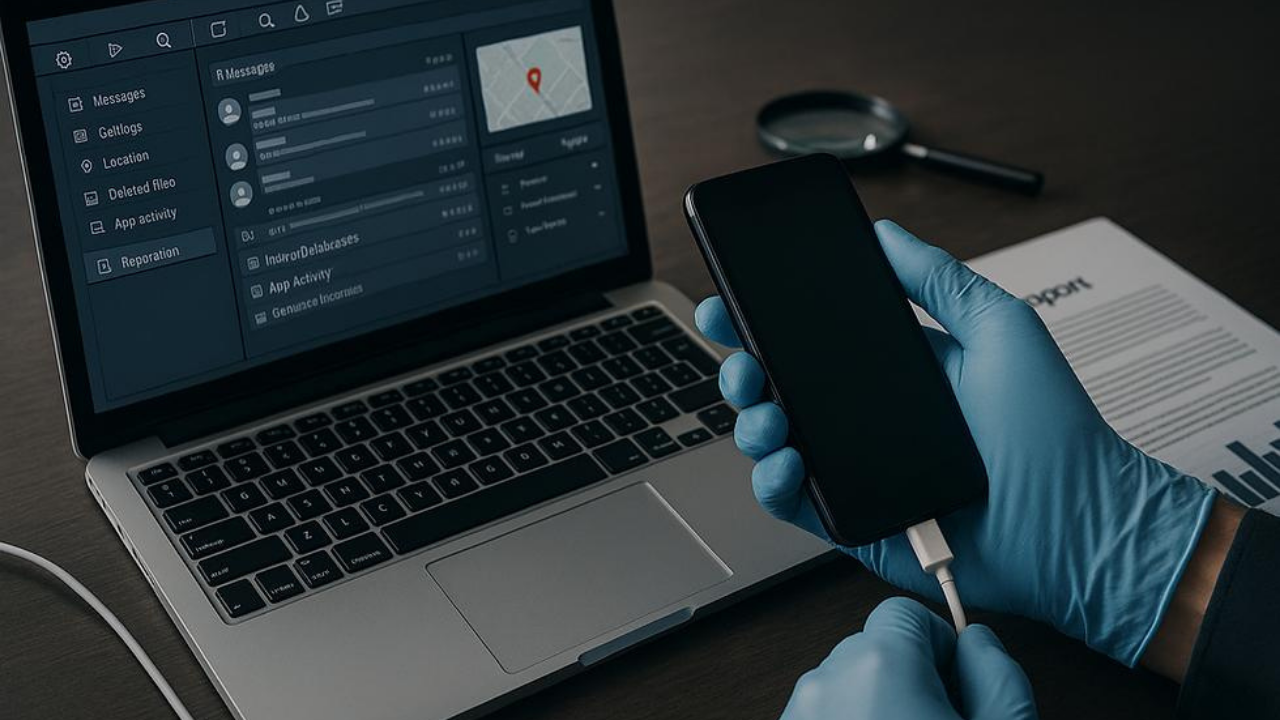
Citizen Lab forensically analyzed device data obtained in May 2026. The analysis revealed traces indicating that the iPhone had been targeted with Pegasus spyware in the past.
Researchers also noted that Kouloglou received threat notifications from Apple. These notifications are among the warnings Apple sends to users to inform them that their device may be a target of commercial spyware operations.
The critical point is that the attack does not appear to be an ordinary phishing campaign. According to Citizen Lab's findings, the attack may have been carried out through a zero-click vulnerability, which does not require any user interaction.
How Did Pegasus Target the Former European Parliament Member?
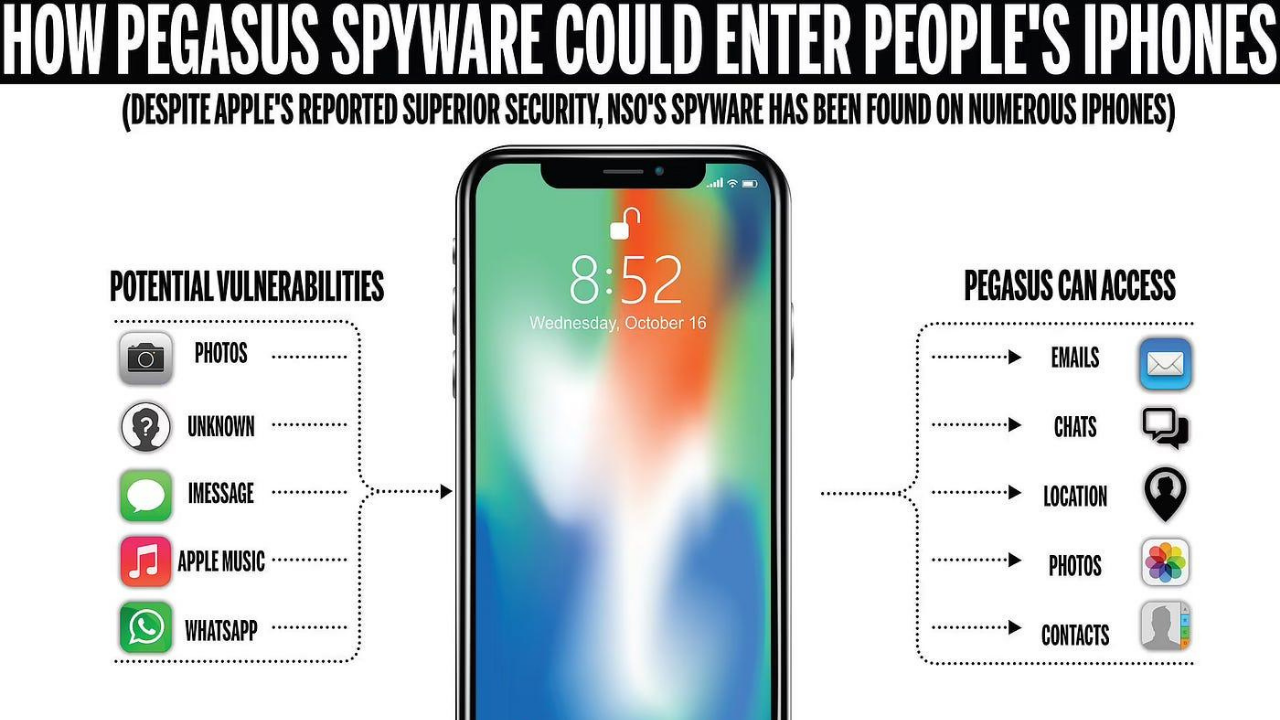
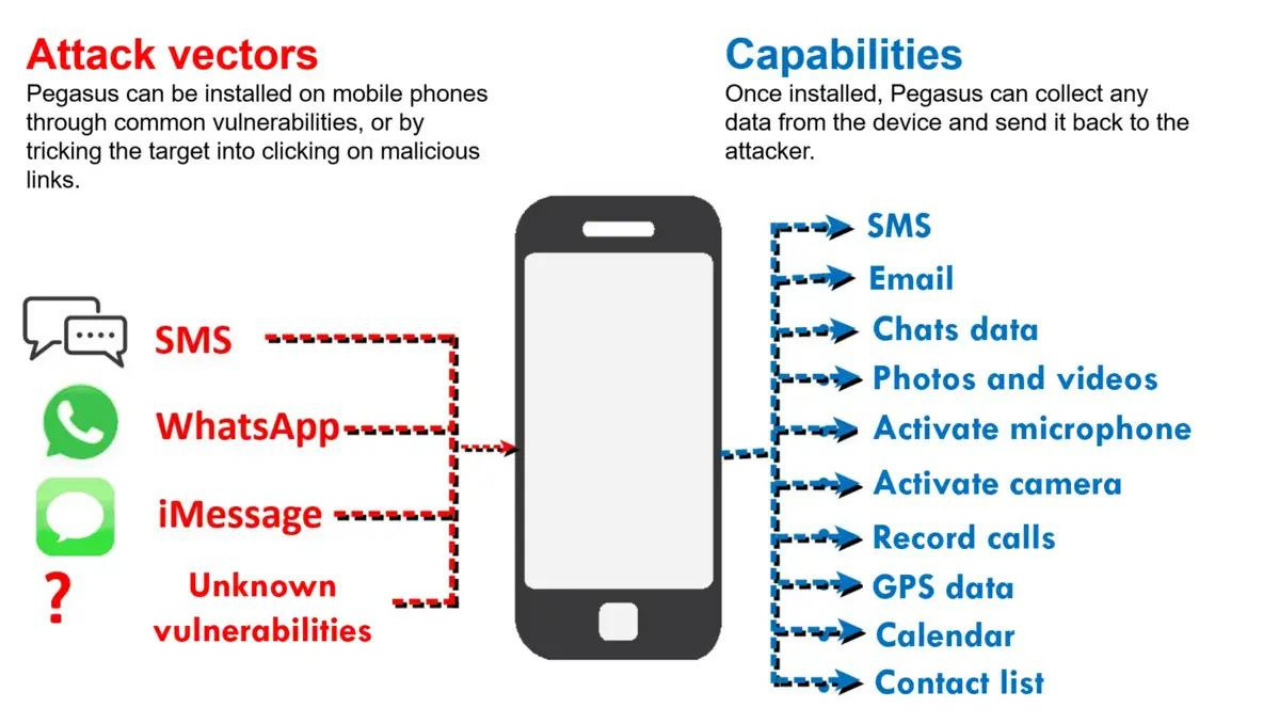
Pegasus is among commercial spyware tools capable of providing extensive access to phones. Tools of this kind can potentially access a target device's messages, files and other sensitive data.
In Kouloglou's case, Citizen Lab states that the attack may have exploited a flaw, researchers call PWNYOURHOME, that is believed to be related to Apple's HomeKit software. Apple reportedly fixed this security issue with the iOS 16.3.1 update.
Why Is a Zero-Click Vulnerability Important?
The most important feature of zero-click vulnerabilities is that they do not require the target to click a malicious link or open a harmful file.
In such attacks, a user can become a target without showing any suspicious behavior. This shows that classic cybersecurity advice may not be sufficient on its own, especially against advanced spyware operations. Kouloglou's device is believed to have been running iOS 15.5 during the attack, and the same vulnerability may have been used in two separate periods.

When Did the Attack Take Place?
According to Citizen Lab's findings, the first Pegasus infection occurred around October 21, 2022. The second attack was observed on March 6 and 7, 2023. These dates coincide directly with the period when the PEGA Committee was conducting its work on spyware use.
When Did the First Pegasus Infection Occur?
The first attack took place in October 2022. Citizen Lab found traces on the device linked to a specific email address. Researchers noted that this infrastructure overlapped with a campaign previously targeting Russian- and Belarusian-speaking exiled journalists and activists living in Europe.
The Second Attack Coincided With PEGA Meetings
The attack in March 2023 coincided with the period when the PEGA Committee was preparing its report and holding important meetings. Citizen Lab notes that this timing is particularly noteworthy. However, it has not been proven that the attack was carried out directly because of the committee's work. Researchers have not reached a clear conclusion about the precise motivation behind the choice of target.

Why Is the PEGA Committee a Critical Detail?
The PEGA Committee was established by the European Parliament to investigate the use of Pegasus and equivalent spyware. Parliament decided to set up the committee on March 10, 2022. Its task was to examine the impact of spyware used in EU countries and third countries on fundamental rights and freedoms.
Kouloglou served on this committee between March 24, 2022, and July 18, 2023. The resulting picture shows that a member of a parliamentary committee investigating spyware use in Europe may have been targeted with Pegasus during the same period.
What Issue Was the PEGA Committee Investigating?
The committee was examining the use of commercial surveillance software and whether these tools were used in ways that violate EU law.
According to the European Parliament's statement, PEGA's mandate also covered examining whether Pegasus and similar software were used against journalists, politicians and other people in ways that violate fundamental rights. For this reason, the incident is not viewed merely as the hacking of a single phone. The alleged attack also matters for the digital security of parliamentary oversight mechanisms and democratic institutions.
Additionally, it is stated that the attacks cannot be definitively attributed to a specific government or operator. Researchers also state that they have found no evidence that the Greek government is behind the attack.

What Does the Cybersecurity Threat Mean for the European Parliament?
This incident shows that protecting political institutions against classic network attacks may not be enough. A parliamentarian's personal phone can also be a gateway to meeting documents, messages, communication records and sensitive conversations. Devices of people with high intelligence value can become important targets, just like the official systems of an institution.
Citizen Lab notes that attackers may have accessed Kouloglou's confidential documents and PEGA Committee discussions. Whether this access actually took place and which data was obtained has not been fully clarified.
Why Are Parliament Members' Personal Devices Critical?
Parliamentarians use personal phones and computers in addition to the security systems of official institutions. Because these devices can provide access to sensitive conversations, communications with journalists, committee documents and political correspondence, they can become valuable targets for attackers. This shows that the line between institutional cybersecurity and personal device security is gradually disappearing.
Why Is Spyware Use Being Debated in Europe?
Commercial spyware such as Pegasus is officially licensed for use in combating serious crime. However, cases in which journalists, activists, politicians and dissidents have been targeted have led to serious debates about the use of these technologies. The European Parliament's PEGA Committee was established to examine developments at the center of these debates.
What Does the Pegasus Case Show for Democratic Oversight?
The claim that a committee member investigating spyware may have been targeted with the same technology raises important questions about the digital security of oversight mechanisms. Amnesty International Security Lab also stated that the incident raises serious concerns for parliamentary oversight and the protection of democratic institutions. However, the current findings are not sufficient to make a definitive judgment about the specific state or institution behind the attack.
What Can Users Learn for Digital Security?
Advanced spyware such as Pegasus falls into a different risk category from the threats ordinary users face. Even so, this incident brings a few basic points about device security back to the agenda.
Keeping Mobile Operating Systems Up to Date
Security updates play a critical role in closing known vulnerabilities. According to reports, the flaw exploited in the incident investigated by Citizen Lab was fixed by Apple in a later iOS update.
Taking Apple Threat Notifications Seriously
Threat notifications sent by Apple stand out as an important warning mechanism for possible attacks against high-risk targets.
Receiving these notifications does not necessarily mean the device has definitely been compromised, but it may call for users to take the matter seriously and have a technical review carried out.
Classic Security Advice May Not Be Enough Against Targeted Attacks
Advanced spyware can infiltrate devices without waiting for users to click a wrong link. For this reason, high-risk individuals may need security policies that go beyond standard password and antivirus recommendations.
The European Parliament cyberattack story took on a new dimension when it emerged that a former parliamentarian's phone had been targeted with Pegasus spyware. According to Citizen Lab's investigation, Stelios Kouloglou was targeted several times while serving on the PEGA Committee, which investigated spyware use in Europe.
The actor behind the attack has not yet been definitively identified. Researchers note that some technical findings overlap with a campaign previously targeting exiled journalists and activists in Europe. However, this does not prove that a specific government is responsible.
The most important aspect of the incident is that a parliamentary committee member investigating spyware use was targeted with the same kind of surveillance technology. This development shows that debates over the cybersecurity threat, spyware use and the digital security of democratic institutions in Europe will continue.
FAQ
What Is the European Parliament Cyberattack Incident?
The incident is Citizen Lab's finding that the phone of former European Parliament member Stelios Kouloglou was targeted several times with Pegasus spyware. Kouloglou was serving on the PEGA Committee, which was investigating Pegasus and similar software at the time.
When Was Pegasus Spyware Used?
According to Citizen Lab's analysis, Kouloglou's phone was targeted with Pegasus on approximately October 21, 2022, and on March 6-7, 2023.
Which Country Is Behind the Attack?
The specific country or government behind the attack has not been definitively identified so far. Citizen Lab states that there is no evidence that the Greek government is behind the attack.
What Was the PEGA Committee Investigating?
The PEGA Committee was established to examine the use of Pegasus and similar spyware in Europe and whether these tools were used in ways that violate fundamental rights and EU law.
What Is a Zero-Click Vulnerability?
A zero-click vulnerability is a security flaw that allows an attack to be carried out without the user having to click a link or open a file.
What Can Users Do for Digital Security?
It is important to keep operating systems up to date, take security warnings from devices seriously, and apply advanced security policies for high-risk targets.
WriterKimi K3 Açık Kaynak Ağırlıkları Yayınlandı


Lorde Spotify AI Şarkı Özeti Özelliğine Neden Tepki Gösterdi