Lorde Criticizes Spotify's AI-Generated 'About the Song' Feature
Automatically translated
 Writer
The tension between art and algorithms has become one of the most controversial fronts in the music industry in recent years. The latest example of this front is Spotify's "About the Song" feature, which automatically generates text about the track currently playing. The harsh criticism of this feature by New Zealand singer-songwriter Lorde has drawn wide attention from both her fanbase and the tech world. Is this simply a software error, or is the idea of art being "summarized" by AI itself being questioned?
What Is Spotify's "About the Song" Feature?
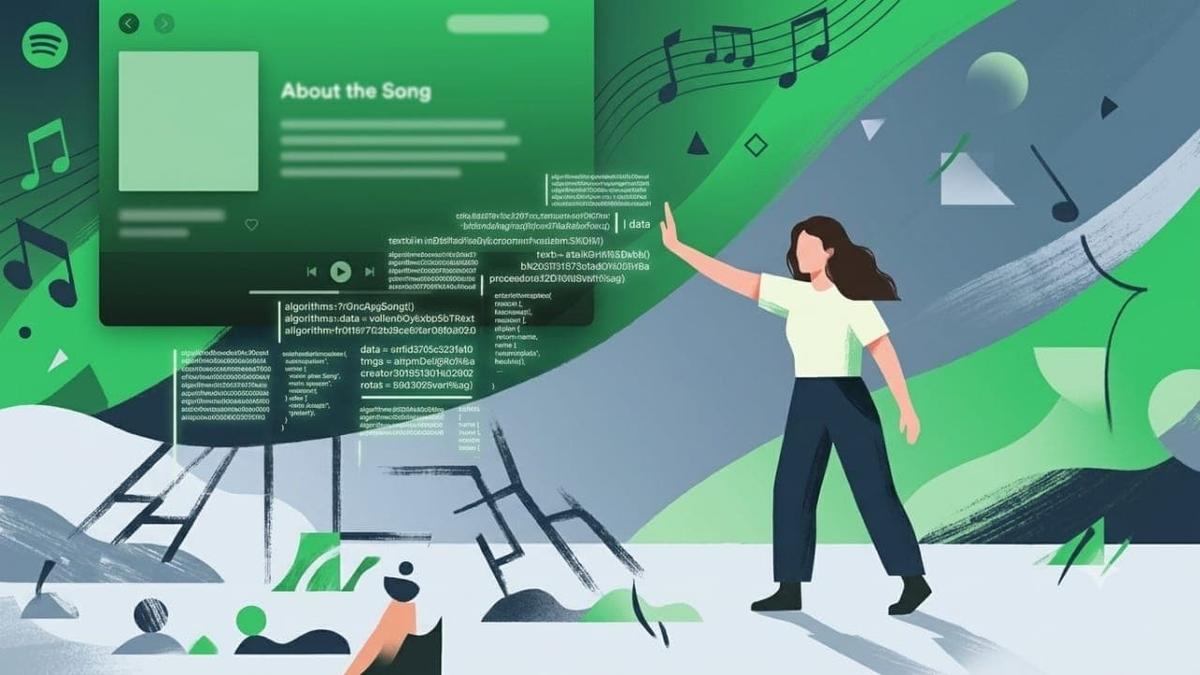
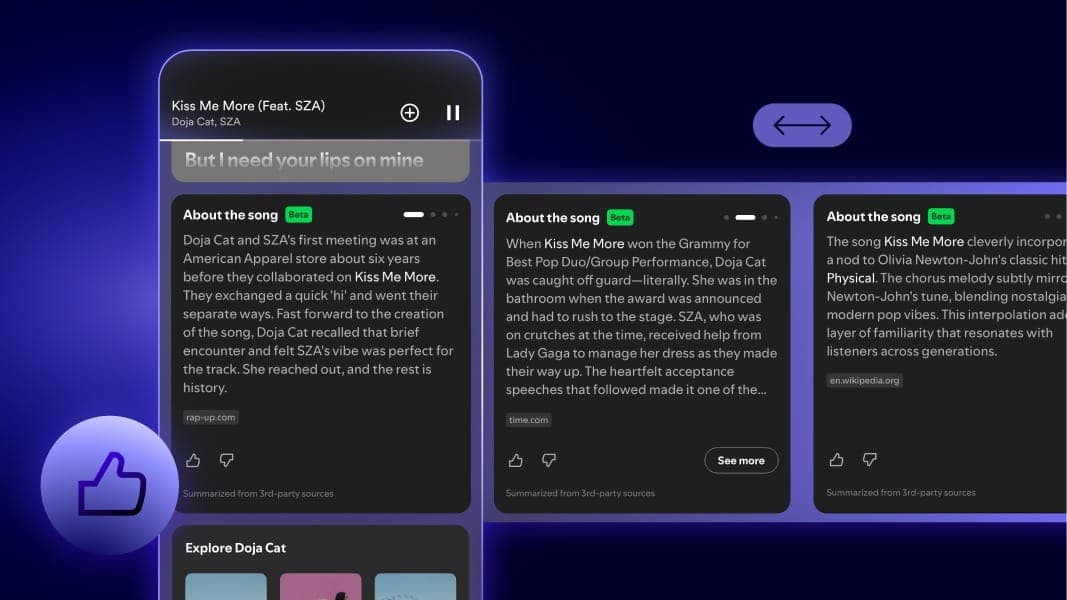
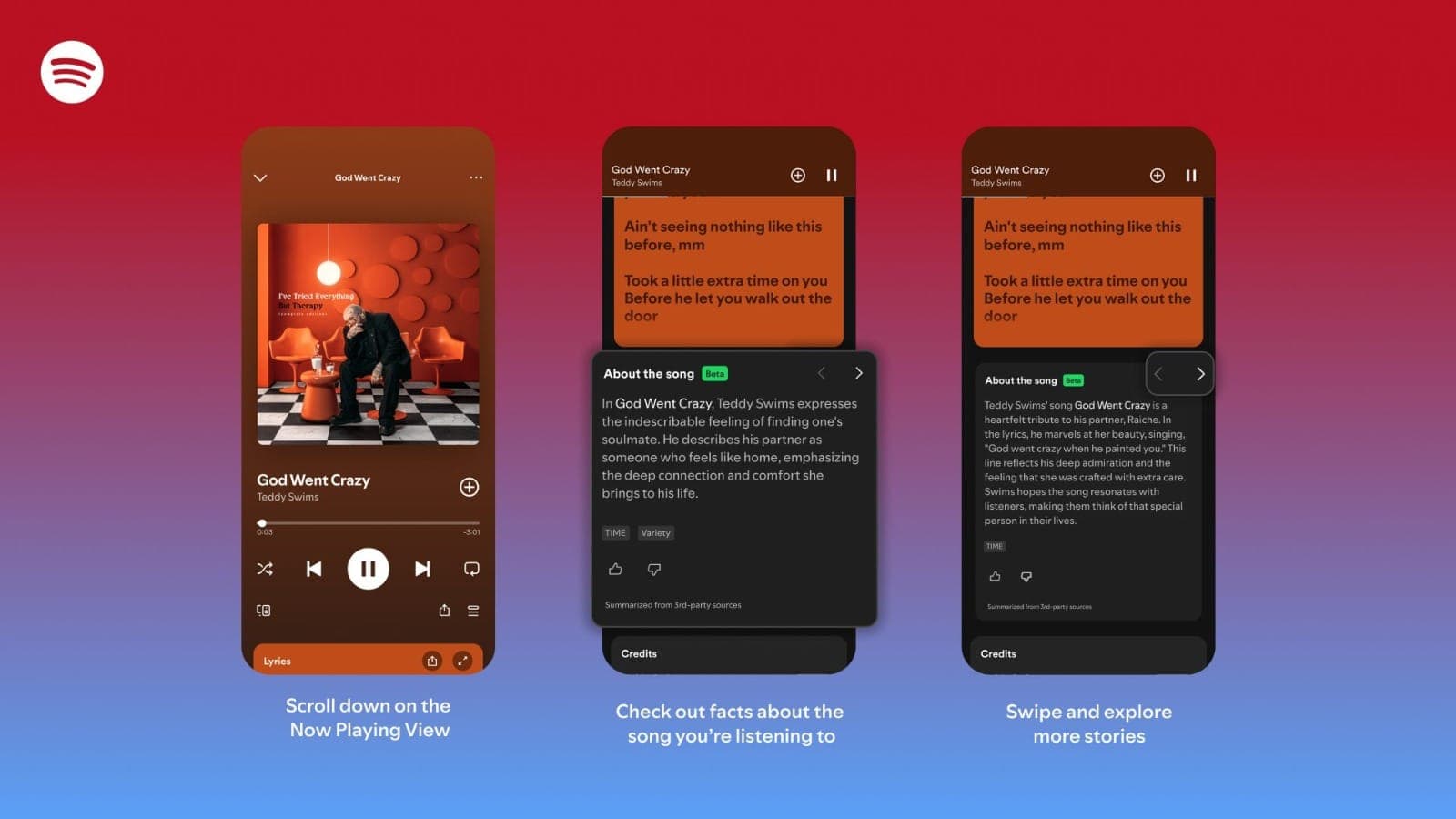
Launched in beta in February, the 'About The Song' feature aims to give listeners contextual information about the song playing at that moment. The system scans news, interview and review texts across the internet and produces a short AI-generated description of the song. The goal is to bring listeners closer to the story behind a song, but this automated summarization process raises serious questions about the reliability of sources and the accuracy of interpretation.
Can AI Determine the Meaning of Music?
The core of Lorde's criticism is not just a technical error. The real debate concerns AI beginning to assign meaning to artworks. In literature, painting and music, the fact that works can be interpreted differently by different people is considered a basic element of aesthetic experience. When AI presents a song through a single explanation, it can narrow this multilayered structure.
For this reason, many critics argue that AI-supported content carries a risk of steering rather than informing. Especially since music gains meaning through personal experience, algorithmic explanations can affect the listener's process of discovery.
A New Era for AI Music Technologies
In recent years, AI music technologies have not been limited to recommendation algorithms.
Today AI can:
-generate songs,
-create vocals,
-prepare remixes,
-analyze listening habits,
-produce automated content about songs.
Therefore, Spotify's new feature is seen as a clear sign of AI's growing role in the music sector. However, experts say that for this transformation to be sustainable, transparency, accuracy, artists' rights and user trust must be prioritized alongside technical success.
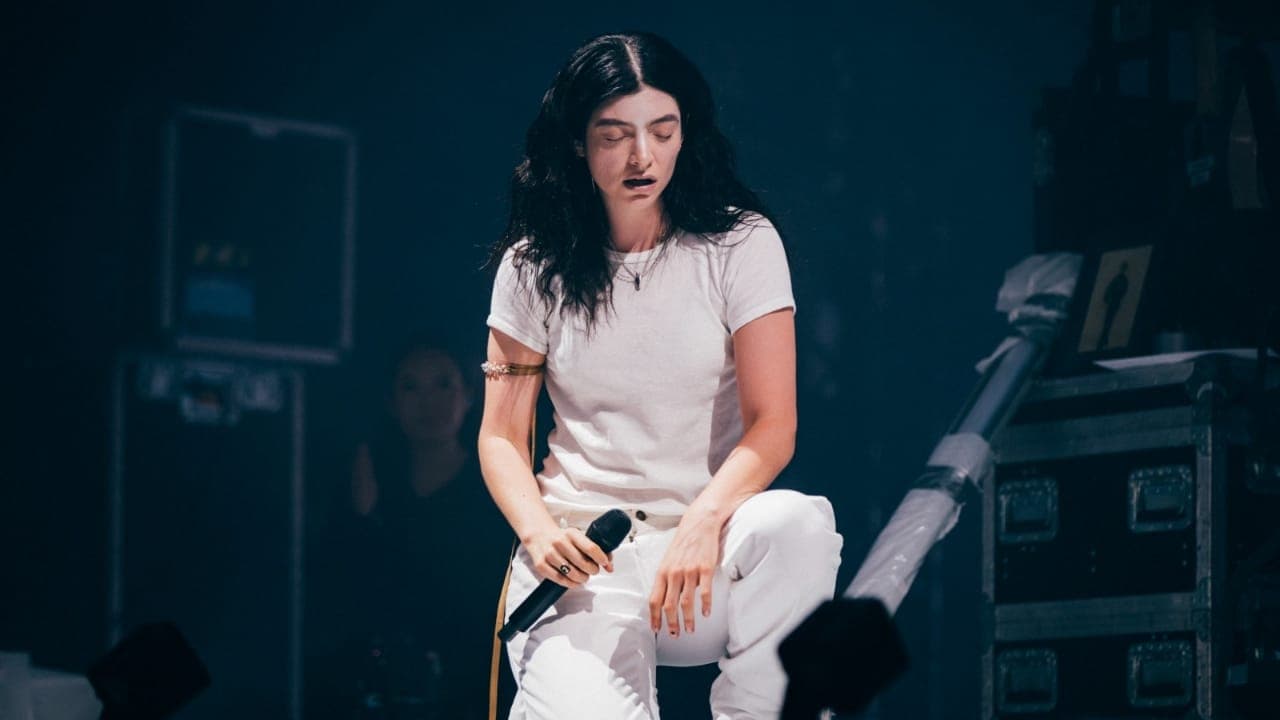
Lorde's Response: Concerns About Misinformation and Artistic Freedom
On Thursday, July 16, Lorde directly entered the discussion with a story posted on her Instagram account. She showed that the AI summary for her song "Current Affairs" contained a serious error: the system had linked a scene from the 2025 tour, in which a dancer had water poured on them, to this song, when that scene actually happened during another track, "GRWM."
However, Lorde's objection did not stop at a factual error. The artist emphasized that the matter points to a much deeper problem. She argued that reducing the meaning of a song to a single interpretation generated by AI at its source can limit the listener's freedom to interpret it.
Fan Reactions: Three Different Camps on Social Media
As Lorde's post spread quickly, the debate among fans and general social media users took shape mainly along three axes. These trends are compiled from the general reaction to the topic on social media, not from any single post.
Supportive Camp | Critical / Skeptical Camp |
• Considers the artist's defense of her right to interpretation justified | • Finds the reaction exaggerated, arguing the feature is only informational |
• Points to the risk of AI summaries creating an "official narrative" | • Believes the error is a natural part of the beta process |
• Cites the opt-out request as an example for other platforms | • Claims artists are generally wary of every technological innovation |
A third and more technical group moved the discussion away from the artist-platform axis and into the question of AI literacy. It was emphasized how transparent the source verification mechanisms of automated summarization systems are, and that such errors could produce similar results not only in music but also in news and information platforms. For this third group, the issue was less about Lorde and more about the general reliability problem of AI-supported content production.
Another aspect of the debate was the silence of other artists. So far, apart from Lorde, no major name has publicly joined the discussion. However, given the artist's position and her past statements against AI, it seems likely that other musicians will raise the issue in the coming weeks.
Spotify's Response: "We Are in Beta"
Responding to Pitchfork's question, a Spotify spokesperson said the feature grew out of fans' desire to discover the stories behind songs, that the content is compiled from articles on the internet, and that they move quickly to correct any error once it is identified. The company stressed that accuracy is a priority for it and reminded that the feature is still in beta.
When technology integration happens without the direct approval of music producers and artists, it brings serious ethical and aesthetic criticism with it. This latest development in Lorde's dispute with Spotify once again highlights the art world's distrust of algorithmic narratives.
AI and the Music Industry: A Growing Tension
Lorde's reaction is not an isolated incident that happened by chance. In recent months Spotify announced it was fighting AI-generated songs flooding the platform, and during this process groups such as King Gizzard and the Lizard Wizard were imitated by AI and unfairly represented on the platform. Now the same platform is at the center of criticism for an attempt to translate the meaning of an artist's own work through AI.
Lorde's criticism of AI is not limited to this event. It is also known that she has recently reacted sharply to Meta's AI glasses. This stance is part of a growing front in the music world. Artists are uncomfortable not only with AI shaping the production process, but also with AI shaping how their work is received and interpreted.
The Risk of AI Algorithms Producing Erroneous Content
Lorde exposed a clear factual error in the AI-generated summary for her own track "Current Affairs". The AI summary had matched an iconic stage performance from the artist's 2025 tour with the wrong song. By objecting to this visual detail, which actually happened during the track "GRWM", being attributed to "Current Affairs," the artist concretely demonstrated how superficial and erroneous results AI algorithms can produce when compiling data.
Intervention in the Meaning of Art and Protecting Free Interpretation
Beyond the factual error, Lorde also addressed the philosophical dimension of the issue. In her post, the artist wrote:
"This is not only incorrect (the event mentioned did not happen during this song), it also limits the listener's ability to interpret freely by directly reducing a song to a meaning produced by AI at its source. At the very least, artists should be given the option to opt out of this feature."
Summarizing musical pieces by fitting them into a single template risks weakening the multilayered structure of a work and the subjective bond listeners build in their own emotional world. According to Lorde, dictating to audiences what a song means through algorithmic summaries is an approach that goes against the nature of art.
Criterion | AI Summary | Human Editorial Content |
Speed | Instant production, scalable | Time-consuming, limited capacity |
Accuracy Control | Source scanning is automatic, high error risk | Verification at journalistic standards |
Diversity of Interpretation | Tends to present a single, fixed narrative | Open to multiple perspectives |
Artist Approval | Not optional for now | Usually shaped through consultation and permission |
The opt-out option Lorde requested is essentially a proposed solution to this debate: artists being given a say in whether their works are interpreted by AI. This is a debate that could set a precedent not only for Spotify but for all digital platforms that deploy similar content generation tools.
Lorde's raising of her voice on this issue shows that AI's role in the music industry now extends beyond production into perception and interpretation. In this new phase of the artist-platform relationship, transparency and consent stand out as two basic principles that come before technological innovation.
What Does It Mean for Tech Enthusiasts?
This debate points to a deeper problem that will appear wherever AI meets cultural production, rather than being merely a dispute between an artist and a platform. Automated systems can be wrong because they lack context, and these errors can reach millions of listeners within seconds in the digital environment. For tech enthusiasts, the question becomes how AI will manage the fine line between accuracy and creative interpretation.
Opportunities | Risks |
• Fast access to the context of a song for listeners | • Misinformation spreading without source verification |
• Increased visibility for less well-known artists | • Reducing an artwork to a single "official" meaning |
• Personalized experience in content discovery | • Content generation without the artist's approval |
Lorde's criticism of Spotify's AI-powered song summary feature shows once again that technological innovations should be evaluated not only in terms of functionality but also in their ethical, artistic and cultural dimensions. AI can be an important tool for enriching discovery on music platforms, but producing a single narrative for artworks and generating unverified information raises serious questions for both the artist's creative will and the listener's right to interpret freely.
AI music features such as Spotify's AI song summaries are likely to appear on more platforms in the coming period. However, for this transformation to be sustainable, it is very important that technological innovation be balanced with transparency, accuracy, respect for copyright and artists' control over their content. Lorde's move shows that AI's role in the music industry is not only a technical development but also part of an important debate that will shape the future of art in the digital age. For this reason, correctly defining the limits of AI's contribution to music, as much as its contribution itself, will remain one of the most critical factors in protecting the trust of both the industry and listeners.
WriterAvrupa Parlamentosu Siber Saldırıyla Gündemde: Ne Oldu?


OpenAI AI Ajanı: Hugging Face ve Diğer Hizmetlere Sızdı