



Meta AI and Muse Spark: OpenAI’s Growth Unbreakable
Automatically translated
 Writer
Artificial intelligence world; model launches, discussiond in the last two years Tags k The results and billion dollar investment tours have turned into a racetrack. It shows two giant sizes in the most controversial corner of the runway. OpenAI, who started a pedestrian sector and first attracted mass interest, has been found in the hands of billions of users in other pedestrians and now peeled into the leadership of AI Meta. In the middle of April 2026 Meta Muse SparkThis announcement can only be called the official release of balance change in the industry rather than a product launch.
OpenAI is one of the most important players in terms of brand strength, technical competence and corporate prevalence today. But the market is no longer empty until the first days. There are more options in front of users. Moreover, the important part of these options is offered in integrated with free, fast and direct daily life applications. Here is the move of Meta at this point, OpenAI means a serious growth test.
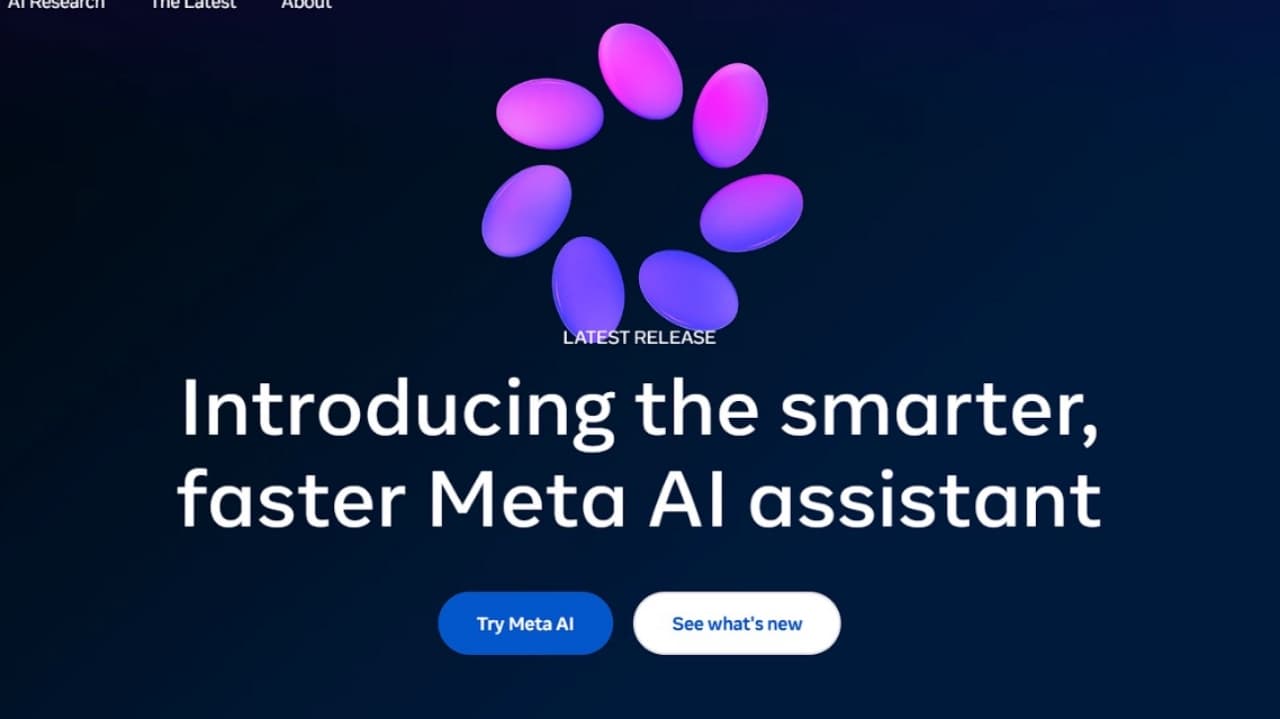
What is Muse AI and Why Critical?
Muse AI is not only a participant in the AI race of Meta, but the most concrete fruit of the vision of being a game builder. Technically this model; natural language processing (NLP) considers high-resolution content production as an engineering wonder equipped with complex visual interpretation and multi-mode data processing capacity. But Muse AI is the unrivaled and strategic positioning of distribution channels rather than its pure technical performance.
The academic success of an artificial intelligence model is measured in laboratory tests, while the actual power is measured by how much the social tissue penetrates. At this point, Muse AI becomes an infrastructure that reigns in the busiest streets of the digital world.

Distribution Power and Conversion of User Habits
MetaThe biggest koz in the hands of ’ is the ability to integrate Muse AI into the platforms where billions of people wake up in the morning. Every one like Instagram, Facebook, WhatsApp and Messenger, these networks are a huge test and application site for Muse AI:
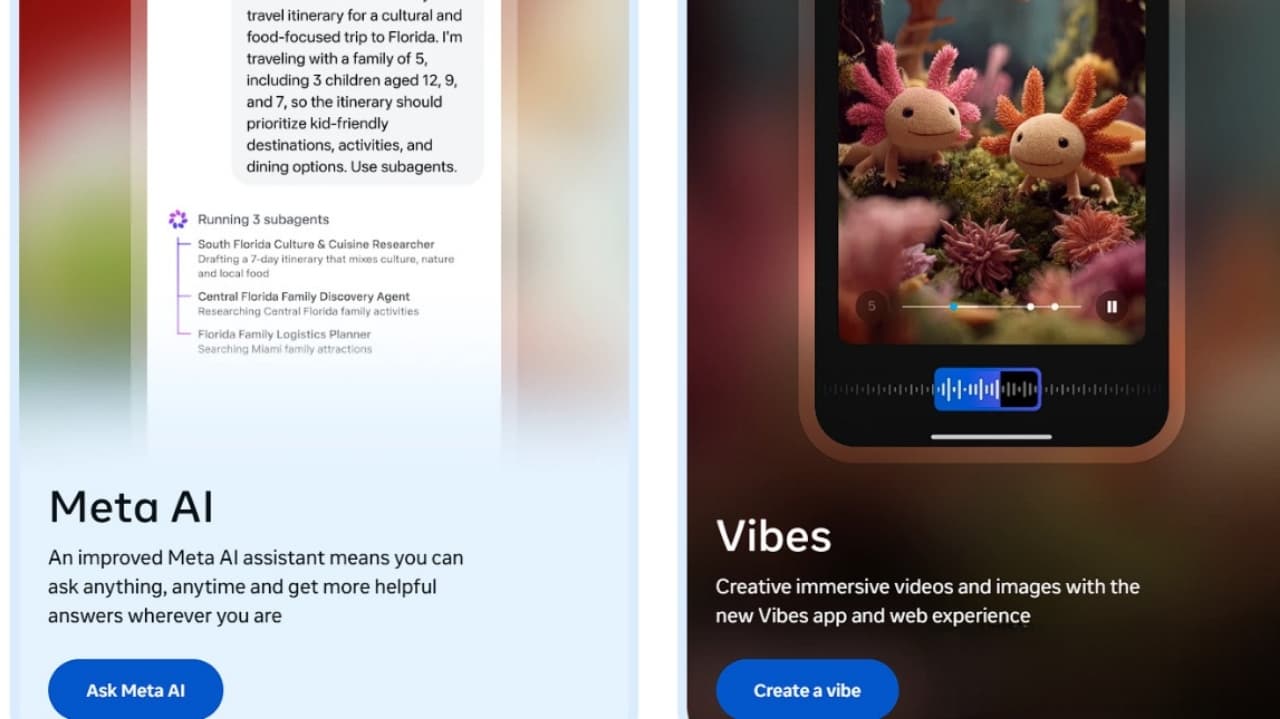
WhatsApp and Messenger Integration: Muse AI incorporates trade, customer service and personal assistant processes directly to end-to-end encrypted messaging stream. This allows the user to accept artificial intelligence as a natural extension of everyday life without folding a new app download effort.
Creative Revolution on Instagram and Facebook: Muse AI for content manufacturers; automatic video editing, intelligent visual manipulation and role of a shade rreative director in target mass analysis. This situation nourishes the interaction cycle on the platform by reducing the content production barrier.
Data Cycle and "Sensor in Our Steam"
The strategy of Meta is to bring artificial intelligence into a standard that has always exist in the everyday life, which is not only a destination that is going when needed. Models such as OpenAI are located already in the Muse AI user while a place where the user needs to go. This situation allows the model to be refined according to its continuous nutrition and user behavior with real-time feedback.
Muse AI has become the largest threat of OpenAI in the triangle of prevalence, accessibility and platform loyalty. Because it is not always "the best" on technology history, it has won "easy reach and become habit". Meta, this universal rule with Muse AI warns the era of artificial intelligence and quietly places intelligence from billions of people’s pocket, no additional cost loading.
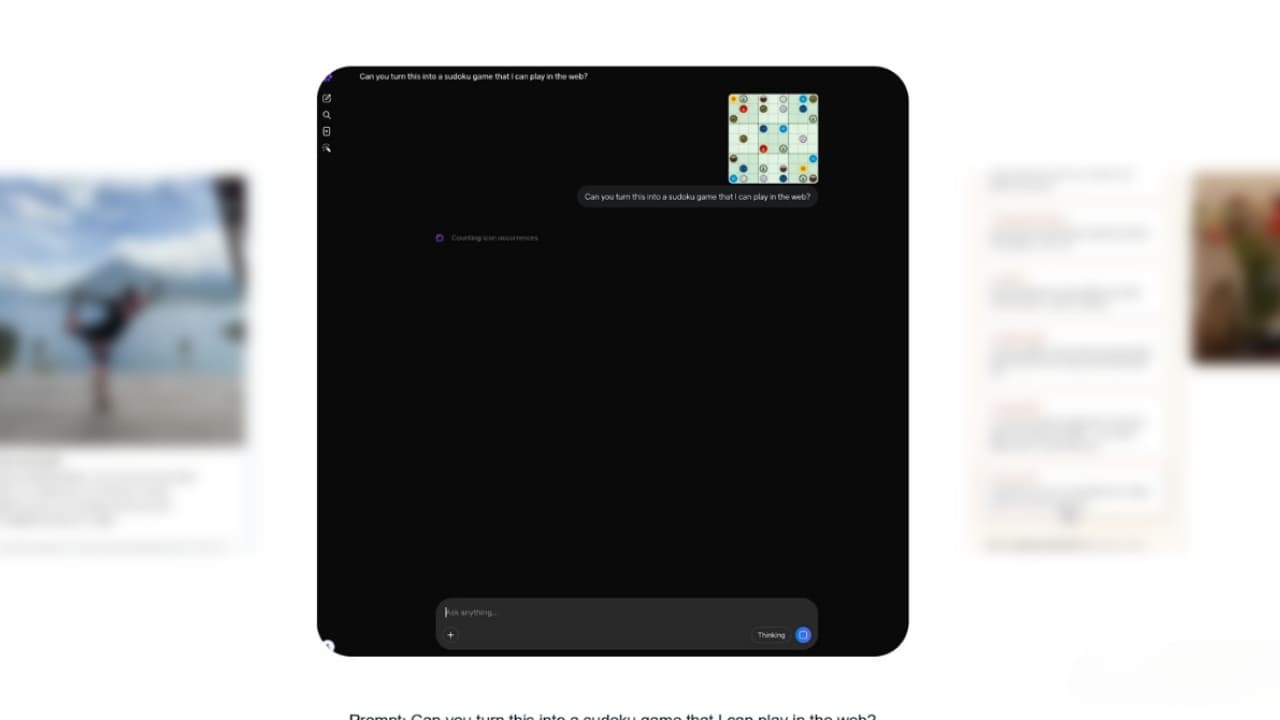
Meta Muse Spark and Llama 4 Alternative
Meta Muse Spark in the digital ecosystem of the future is not only a tool; it acts as a strategic catalyst that combines creativity, technical capacity and operational flexibility. While the era of closed box models in the world of artificial intelligence leaves slow location, developers no longer want to be convicted to a single model or provider. This change can be customized, triggers the search for independent structures that can be fully controlled on the parameters and even run on local servers. At this point, it is located in the focus of the sector without being released yet Llama 4 alternatives are transported to a different size with Muse AI integration.
Cost-efficient Paradox with Muse AI Integration
OpenAI enters the "biger model, more processing power and higher cost" cycle, especially for enterprise companies, is becoming a sustainable financial load. Meta aims to break this cycle with the following methods:
Architectural Optimization: Muse AI optimizes hardware resources by offering a structure that can dynamically disable the parameters needed by the model.
Open Source Ecosystem: Supporting Llama 4 based projects with tools such as Muse Spark, the model of developers allows them to train much faster and economically with their own data sets.
Hybrid Solutions: Local architectures supported with Muse Spark instead of cloud-based gigantic models minimize latency while maximizing data privacy.
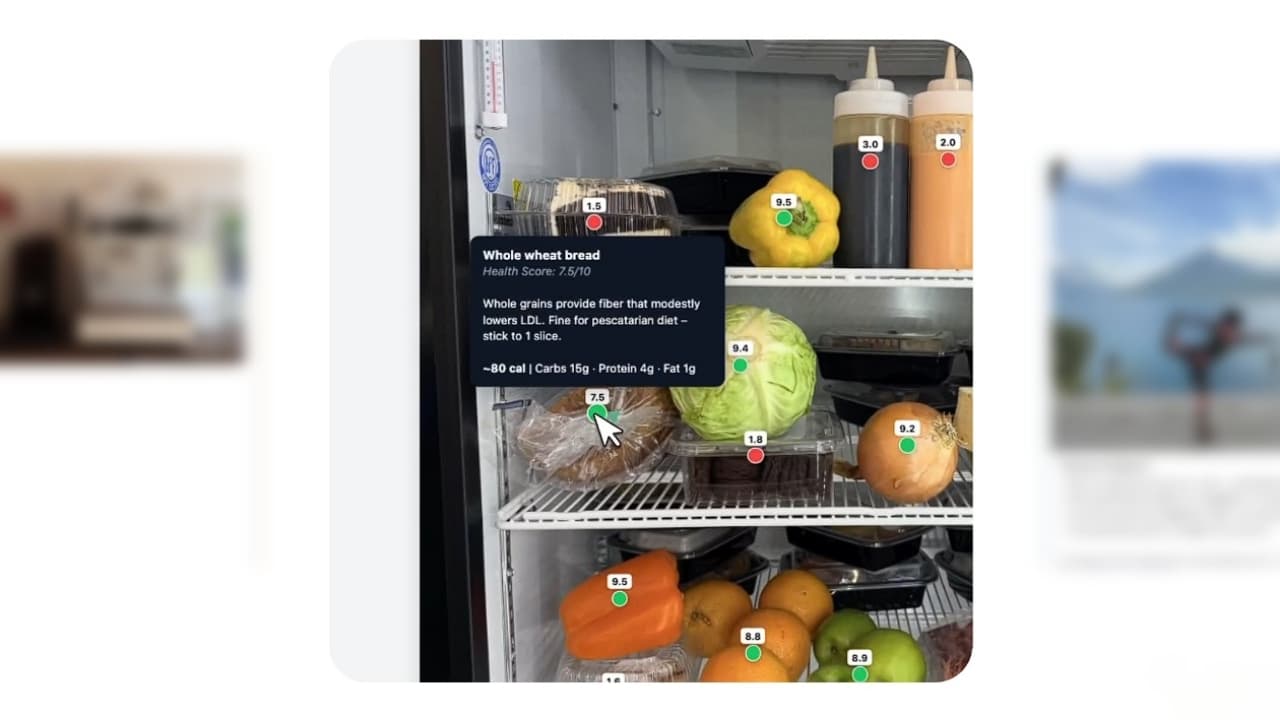
This strategic move converts Meta to a basic infrastructure provider, which is not only a model manufacturer. Muse AI for developers is looking for Llama 4 alternative for businesses while seeing a bridge function that simplifies complex code structures. As Netice, Meta rewrites the rules of the game by offering efficiency and community-oriented antitez against OpenAI’s scalability crisis.
Llama 4: Backing Performance in Shadow of Expectations
The artificial intelligence journey of Meta was always smooth progress. Especially Llama 4’s market output process has been history as a orphans lesson in technology world expectations management. The model has created a huge excitement by taking the perfect points in laboratory tests when it is still in the promotional stage. However, when users begin to try the model in real life, these bright scores were understood that they did not show the same success in everyday work.
The sector summarized this situation with the term "benchmaxxing". That’s just like making memorization to get high note from the exam rather than a real intelligence exhibition; fine settings were made to blood measurement tools. This situation created the perception of Llama 4 is a "smart-looking but bocalayan in real life."
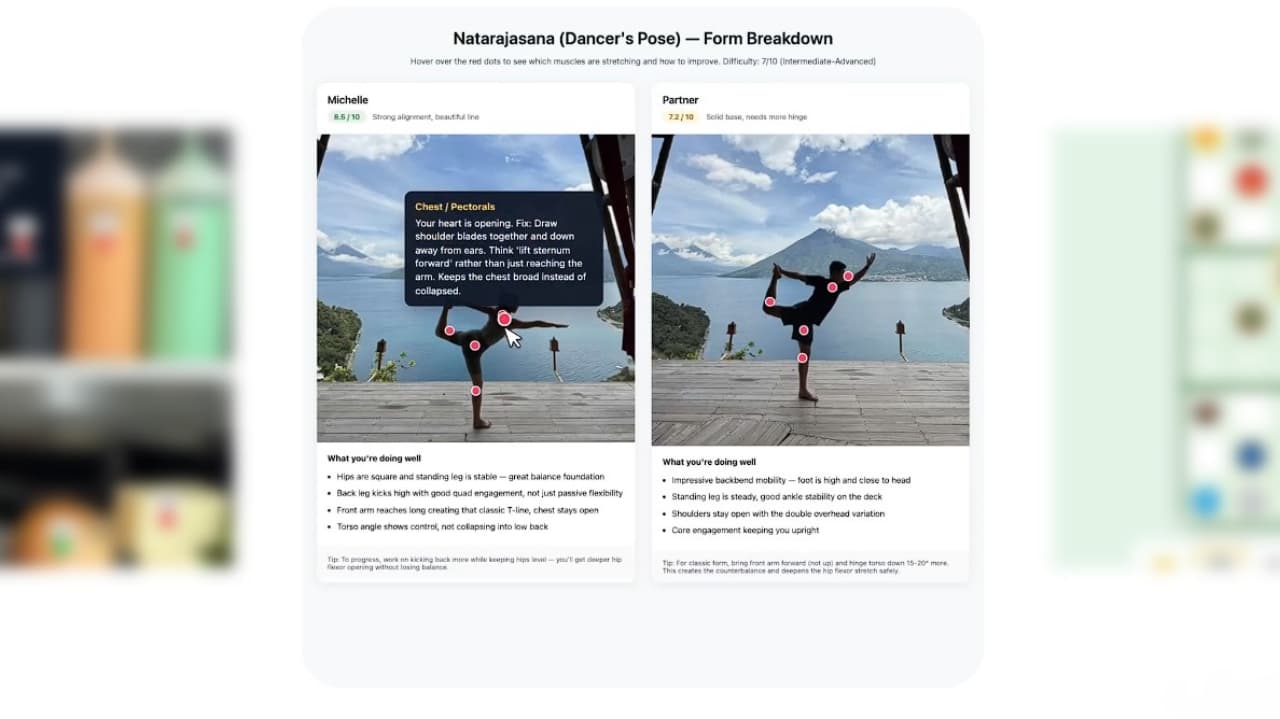
Reputation Loss and Time Race
This process was much more than a technical accent for Meta; it turned into a serious trust and reputation test. The report of New York Times in March 2026 was the evidence of how much waters were found. According to the news, the development process of Meta was experiencing severe blockage, unlike the desired speed. The news that the new model can be delayed in May, created a heavy print on Zuckerberg and its team.
This printing has been questioning that Meta is not only a software company, but the leader of the artificial intelligence era. Here’s exactly the effort of Meta in the middle of these disappointment and postponement claims, further hardened the competition in the AI world. Now the question of who will be the model that really does not only have the highest score, has become the main agenda of the sector.
Meta’s Hamlesi: Market Status With Free AI u
In order to understand the location of Meta in the artificial intelligence ecosystem, it is necessary to look beyond the race "generating the smart model." The main strategic goal of Meta is to deliver the quality of ChatGPT or Claude, which is the giants of the sector, completely free and more fluently to billion people. This is not only a product development process; it is the initiative "redetermining industry standards" in the technology world.
Being the leader in the most advanced limit model race; astronomical R&D budgets require huge processing power and limited number of expert engineers to focus on a single point. However, Meta adopts a much more cost effective and sustainable growth model by installing its strategy on being "good enough and accessible for everyone".
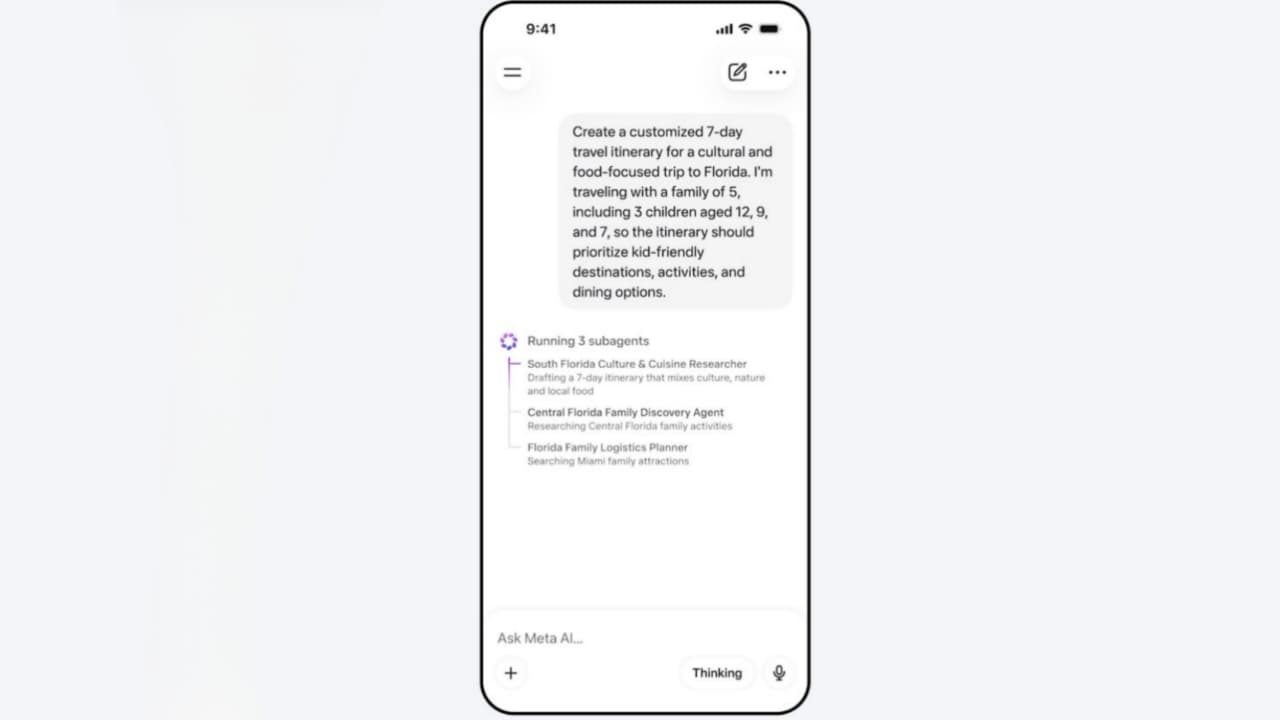
Thesis of Zuckerberg: Quality Increased Use
Mark Zuckerberg, CEO of Meta, expressed this strategy in the third quarter 2025 investor meeting. Zuckerberg, which transfers Llama 4 with post-training improvements in the number of use, had highlighted the magnitude of Meta AI in actual sense of limit models. Muse Spark is the first serious test of thissis and the test looks successful. The sudden rise in the user ranking can be read as an organic response given to the quality of the model beyond the only marketing success. At this point Zuckerberg is justified: The good model brings more uses.
Muse Spark: Quality Revolution in Free Artificial Intelligence
The success of artificial intelligence models is often measured in two main axes: technical competence and prevalence of use in the real world. Llama 4 was not able to fully meet user expectations in real world usage, although it has come with great promises on technical competence. Muse Spark opens a new page in the world of artificial intelligence, based on a bridge task that combines these two axes.
Muse Spark changes the "free user" experience from the root. To date, free AI services; slow response times, limited memory (link length) and locked features have remained in the shade of premium subscriptions. Meta standardizes a quality experience that can race with paid models by disrupting this equation with Muse Spark.
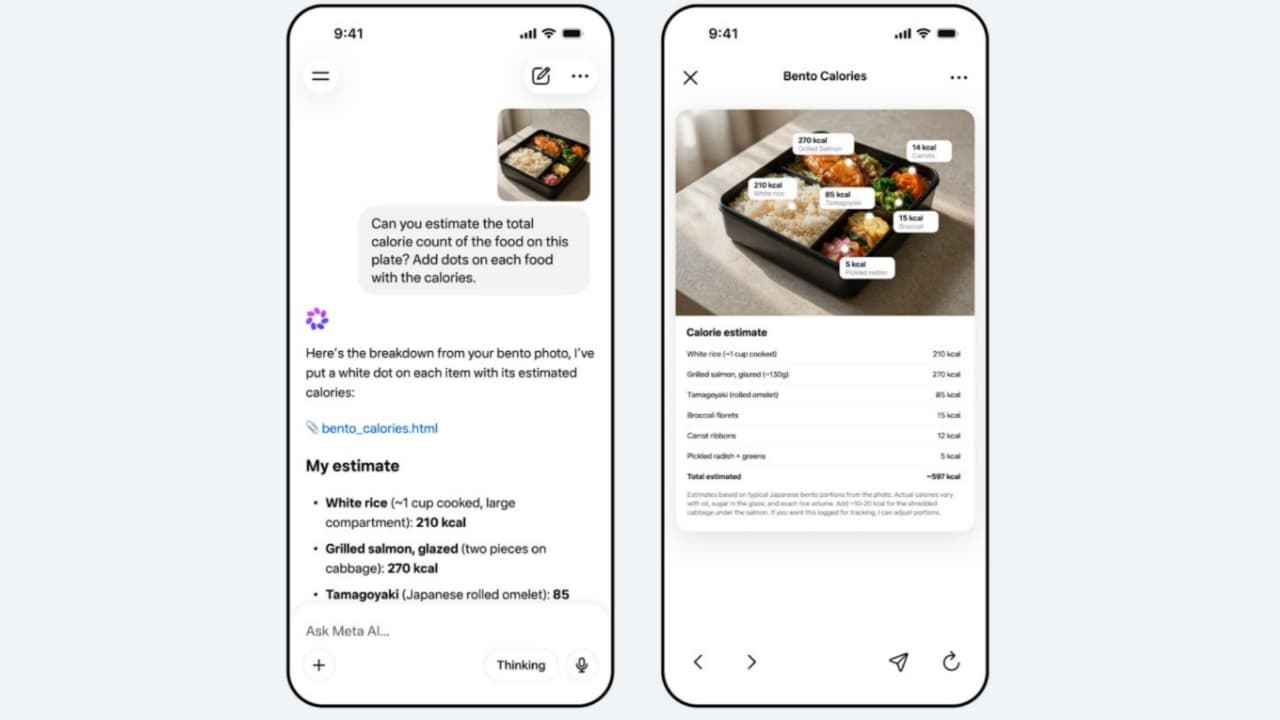
Varolating Printing For OpenAI and Industry Giants
This move of Meta poses a serious financial threat for companies such as OpenAI, which builds the income model directly on the subscription fees. The possibilities Meta offers free will naturally ask the question: "Why do I pay if I get the performance free of charge? "
With an academic perspective, this situation is a aggressive market share operation for drying revenue sources of competitors, as well as the democraticization of the market. If Meta continues to keep the slat in the free layer with Muse Spark so above; the subscription incomes that will meet the R&D spending of competitors will enter a serious risk and the artificial intelligence economy will have to be redefined.
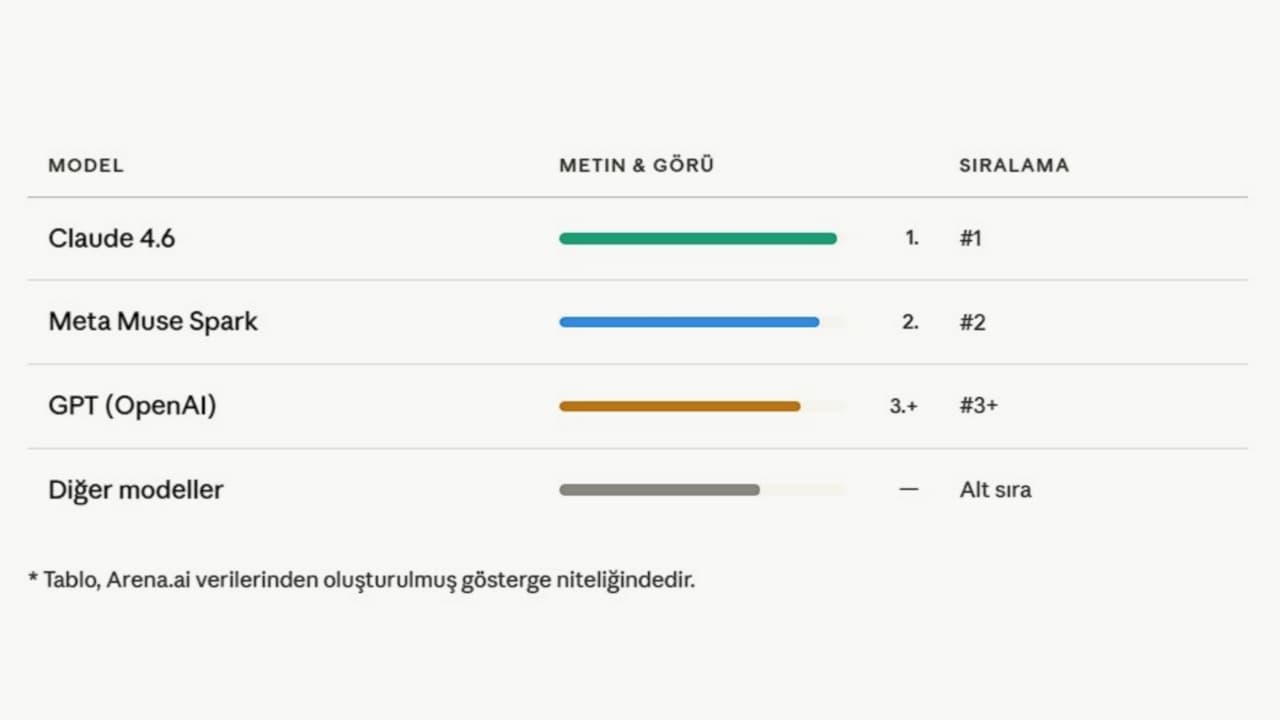
Muse AI’s Performance: What Are the Numbers?
Old name LMArena ArenaOne of the most reliable platforms that compare artificial intelligence models independently. Muse Spark is located in the back of Claude 4.6 only in the categories of text and images in this table. In the field of coding, the table tells a more different story; the model in this category remains significantly weak compared to its competitors.
But here’s a critical context: Meta AI’s primary target audience, software developers. The ordinary user in spindles uses artificial intelligence to summarize, plan travel, get shopping advice and respond to everyday questions. The lack of coding from this perspective is not very decisive in the main market of Meta.
Who Will The Winner?
The release of Meta Muse Spark represents the belt of power balance in the artificial intelligence industry. This is not only a technical development, but a strategic relocation. Meta is now a player who needs to be taken seriously on the facade of free artificial intelligence models.
OpenAI signed a huge success by constructing the fastest growing consumer app of history; it is not possible to spread this fact. However, slowing growth acceleration and deprived of a sustainable, protective competition advantage such as the "right effect" of the platform, no longer ignored reality. Meta and Google have turned into a strategic equation that pushes the resources to the end of OpenAI and the individual consumer facades at the same time.
It is not yet clear who the peak in the artificial intelligence race will be, but it is possible to say: the party that offers the best experience to the free user will shape the daily habit of billions of people. And in this race, as of the second quarter of 2026, Meta is increasingly stable and draws a competitor view in shape.
The rest of Meta will be a strong response to the big claims of OpenAI. And so far, Meta looks stable to do it. The Muse AI and Meta Muse Spark move of Meta is much more than a technical attack directly to OpenAI. This is a strategic response to user habits.
OpenAI is still strong. However, no longer alone. Meta wants to rewrite the game with its huge user network, free access strategy and in-platform power.
The new facade of the artificial intelligence battle is not data centers, but the daily screens of people, and who arrives before the screen will shape the future greatly.
WriterChatGPT Sesli Sohbet: 2026 Multimodal Etkileşim Rehberi

İnternetin Kilidi Kırıldı: Claude Mythos Tüm Açıkları Buldu!


