


Meta Muse: Artificial Intelligence Giant For Elderly
Automatically translated
 Writer
Technology brings its own language as it develops to facilitate human life. Every new application digital service or online platform is waiting for users to have a certain level of knowledge and experience. However, this fast conversion of digital world is not accessible to the same extent for everyone. In particular, complex interfaces for individuals at advanced age can turn into different applications and continuous changing digital habits from time to time-consuming power obstacles. MetaThe artificial intelligence agent developed by Muse reveals a new approach that aims to reduce these obstacles.
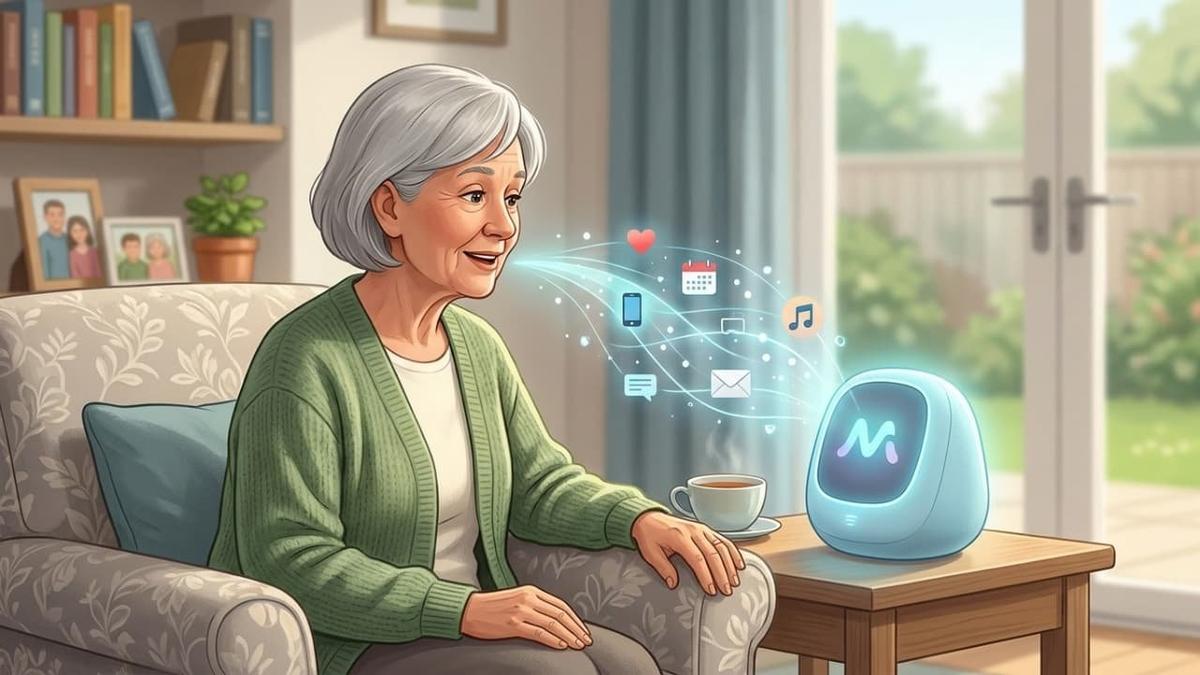
Muse is a remarkable interest among individuals who need support especially when using artificial intelligence technologies or using digital tools. This personal AI agent, which can communicate naturally with its users, organize everyday jobs and perform various tasks on behalf of them, shows how artificial intelligence technologies can turn into a helper for elders. However, the rise of Muse brings important questions about the protection of personal data, the trust that is AIed and the limits of the relationship between the human and the machine.
What is Meta Muse?
Meta MuseNot only a system designed to respond to questions unlike traditional chat boots. It is positioned as a personal artificial intelligence agent that can be undertaken by understanding the needs of the user and develop suggestions in accordance with the long-term goals.
Muse, which introduced Meta on September 8, 2026, powers from the company Muse Spark model. Users can transfer their work to the assistant through a natural conversation. The system can assist in tasks such as sending email, travel planning, calendar editing and trading between different digital services. Moreover, the user can continue working on certain tasks after separation from the application.
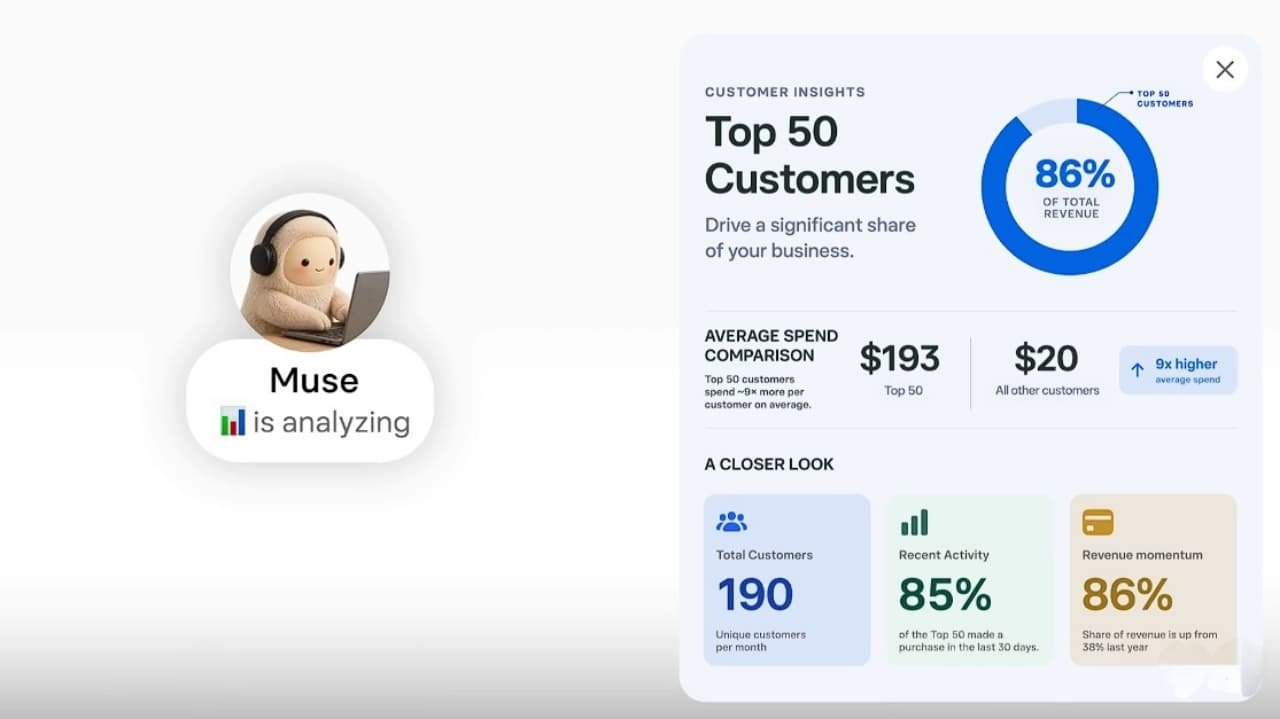
One of the remarkable features of Muse is to personalize in the time of communication with the user. The system that tries to understand the needs by moving from previous conversations and the information that the user shares is not enough only to fulfill the commands given; time it is possible to offer spontaneous recommendations.
This approach points an important change in the development of AI assistants. Because now, the matter is not only to reach information, but to bring that information in everyday life.
Artificial Intelligence For Elderly: Deep Independence From Simple Interface
This new AI assistant developed by Meta is only a digital companion who learns, adapts and recognizes the user.
1. Intuitive and Accessibility Interaction
keyboard and display can be difficult to use for users who live a reduction in visual or fine engine skills. Meta Muse breaks the fear of technology with voice interaction ability and sympathetic design language. It offers clear advice tailored to them, not to understand users’ commands.
2. 2. Simplifying Complex Cocratic and Medical Data
Bureaucratic forms or complex insurance policies can create a serious burden for individuals at the advanced age. Artificial intelligence agentBy analyzing thousands of page text, you can list the most suitable options in minutes. This situation opens the front of individuals to get their financial and medical decisions without addiction to others.
3. Reduce Digital Loneliness and Social Isolation
Artificial intelligence solutions for seniors that provide access to technology are not only able to solve technical problems. A reminder, chat partner and assistant function for individuals looking for interaction in everyday life.
Trust and Privacy Discussion
One of the most important features of personal AI agents is that they can provide them with more appropriate responses by recognizing their users. But this personalization brings an important responsibility. Because if an AI assistant better recognizes its user, he may experience more information about his personal life.
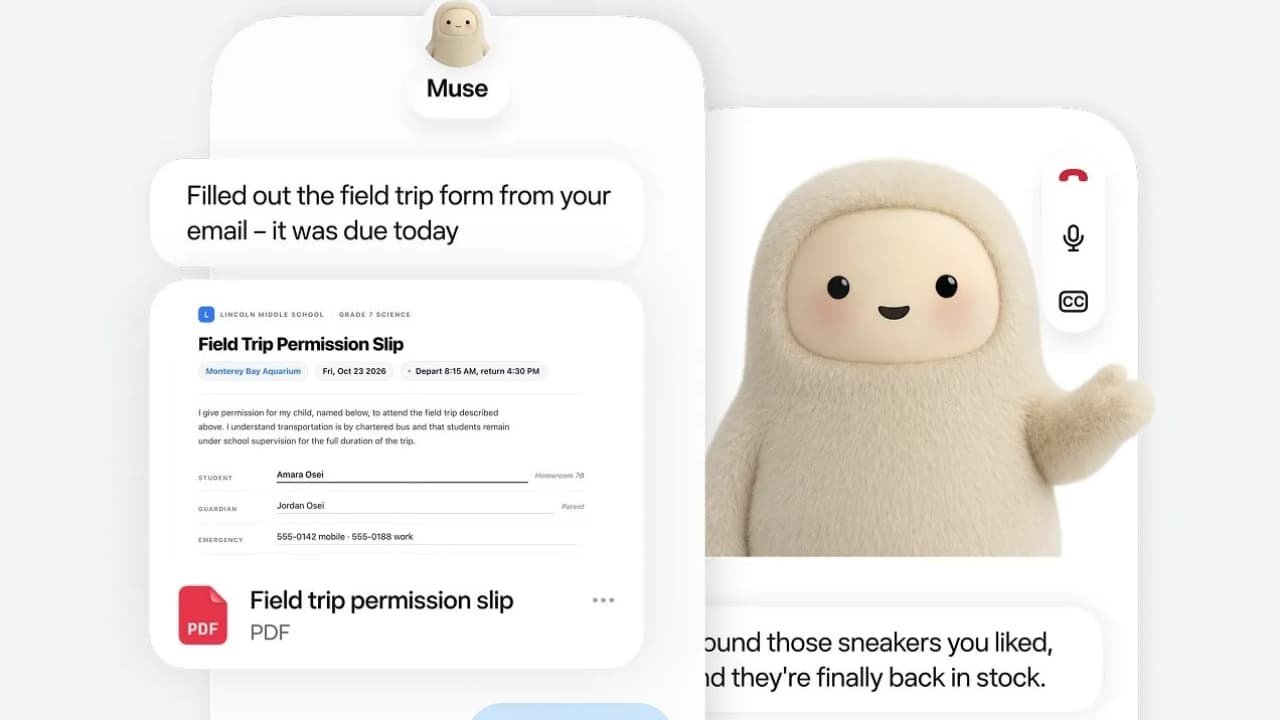
In the communication with Muse’s users, a personal identity gains in time deepen this discussion. The users can name the assistant, a natural and friendly communication of the system reduces the distance between human and technology. But this proximity can also lead to time-review of the fact that artificial intelligence is not a real person.
Penn State University Social Responsibility Artificial Intelligence Center Director S. Shyam Sundar pays attention to the fact that users of the advanced age can treat less cautious while sharing their personal data across the character of an artificial intelligence that gives cute and confidence.
Therefore, it is not enough that personal AI agents are only useful. It is necessary to understand which users share information, how this information is processed and what processes the system can perform.
Meta in the security infrastructure of Muse Muse Secure VM The name states that a private virtual environment is used. According to the description of the company, user data and connection information in this system is kept in a separate secure environment. An independent security agent, also called Sentinel, also checks the transactions of Muse on the internet. User approval is requested in sensitive transactions such as email sending or purchasing.
Users can determine which applications of the assistant can access and change these permissions when they wish. Meta also means users can block the use of their interactions in the training of AI models.
Although all these measures are important, digital security is not only a matter that can be solved with technical infrastructure. The awareness of users, transparency and independent audit are among the integral parts of this process.
Opportunities
Accessible for those who live vision power thanks to voice management k
Determining complex work (cigorta, medicine, planning) minutes
A continuous access to fight alone p
Digital independent who reduces addiction to children and grandchildren k
Risks
Creating detailed profiles covering user’s friend and family information
Decreasing the appeal of the cute interface
It explains that security researchers report
Emotional bond therapy
Why is Muse Checks Interest of Elderly Users?
The relationship with digital technologies of older individuals is often shaped with elements such as ease of use and accessibility. Small articles, complex menus, multi-stage process processes and technical terms can cause some users to move away from digital services.
Muse is taking a more natural form of communication. The user is telling what he wants to do with a daily conversation, turning technology usage into a more understandable experience. Thus, it is possible to learn different applications or get support without having to develop a separate method for each transaction.
TimeThe experience of the 82-year-old Eileen Fay, which is included in the news, offers a remarkable example. Fay, who wants to evaluate Medicare health insurance plans due to the possible increase in drug costs, helps from Muse. Artificial intelligence agent prepares a detailed report to him by comparing the costs and scopes of different plans. It also suggests that Fay does not know before. The information prepared by the system, which indicates that this option can save more than 6 thousand dollars annually, Fay also undergoes its own control.
This example shows that the use of artificial intelligence for elders is not only about the daily wonder. Understanding complex financial and bureaucratic information can be understood, helping individuals to make their own decisions more conscious.
Muse User Profile
One of the aspects of Muse is the age distribution of the user audience. According to the Apptopia data transferred by TIME, the 46 percent of Muse’s users in the US consist of 46 years old and over individuals. In the same research, the ratio of ChatGPT users in this age group is 21 percent indicated.
This data indicates that Muse is adopted by users in more advanced ages compared to other popular artificial intelligence chat applications. However, it is necessary to note that the rates subject are based on Apptopia’s forecasts and Meta’s resmî demographic user data disclosure.
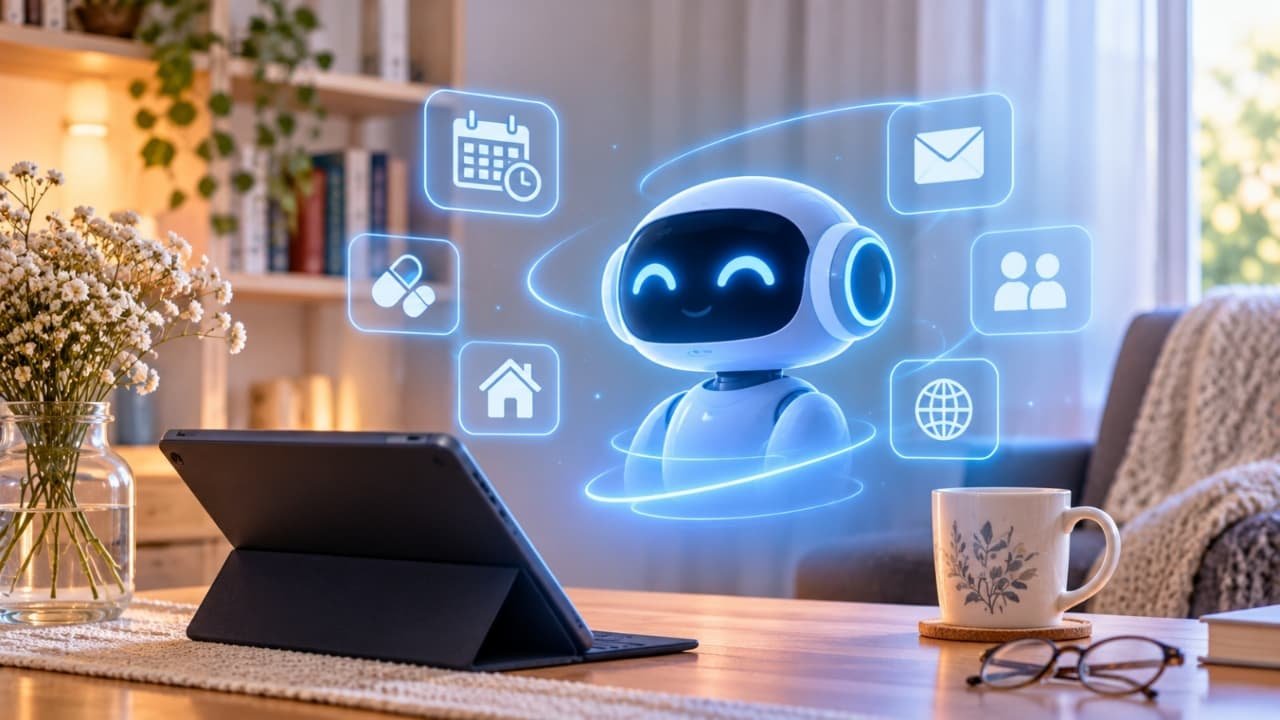
The main thing to focus on here is that older individuals are very interested in artificial intelligence, the experience of use that makes this interest possible. The adoption of technology can not always be explained by technical capacity. The fact that a vehicle is understood, trusting the user and corresponds to a real need is as decisive as minimal technological advancement.
See Block A New Imkan For Users
The conveniences offered by Muse are not limited to individuals who are only limited to digital experience. The experience of the 71-year-old Julie Buchanan in the news of TIME reveals a different size in terms of accessibility.
Buchanan, which was forced to use computer because of its vision barrier, began to use Muse in writing memories and to make life story a book. He tells his history in conversations with the AI assistant, build links between the events he lives and find the opportunity to look at his own life from a different perspective.
Buchanan’s experience suggests that personal AI assistants can go beyond productivity tools. Voice communication for individuals who have difficulty especially visual accessibility can be one of the alternative ways to reach information and participate in digital production.
But there is a significant distinction here. It does not mean that artificial intelligence feels rested and understood to the user, put it in place of professional psychological support. It is necessary to clearly identify the limits of systems that provide emotional support.
Older Adults in the Future Technology Ecosystem
The Muse step of Meta proves that the artificial intelligence race is not only limited to speed and code production, the user experience and the social container. As artificial intelligence practices developed for the elders, the doors of the digital world will open up to the success of the society.
The potential for facilitating the life of AI assistants is a real but the ethical principles of this process, the execution of data privacy and secure usage limits will ensure that the freedom of technology is permanent.
Writer