New Architect of Melodis: What is Google Lyria AI?
Automatically translated
 Writer
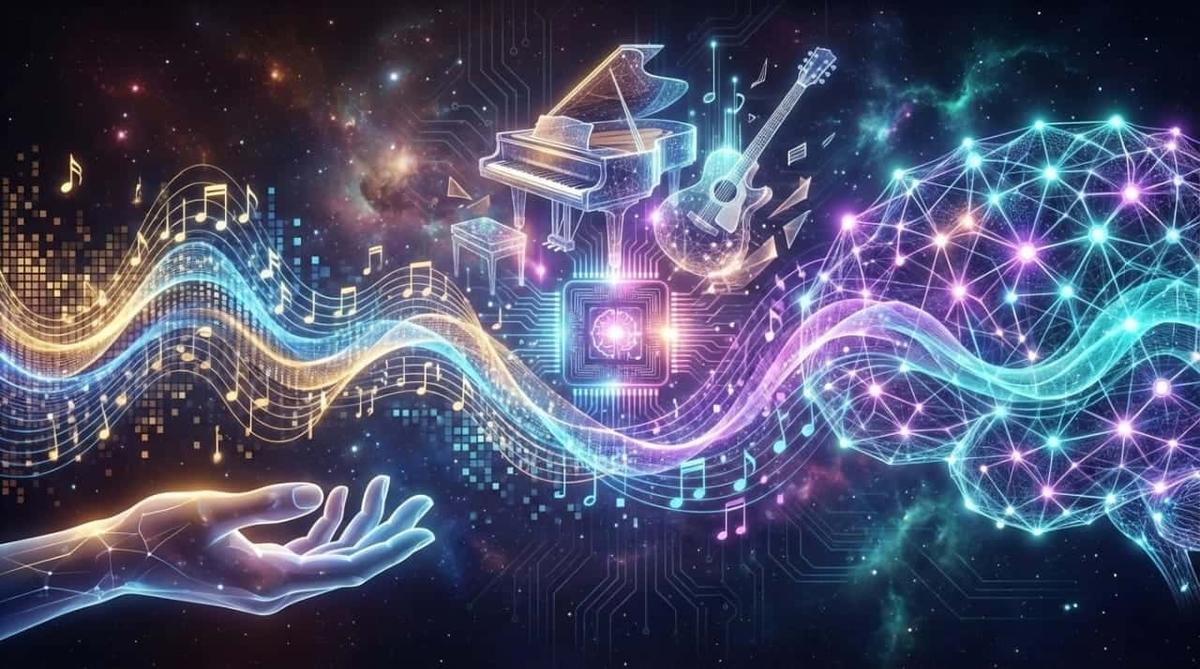
Music is a form of expression from the deepest corners of the human soul. But in this era where technology is quickly married, notes are now shaped not only in our fingertips but also among the pixels and algorithms. Google’s latest move in AI world Google DeepMind Lyria At this point, the concept of "make music with intelligence" is to the next level.
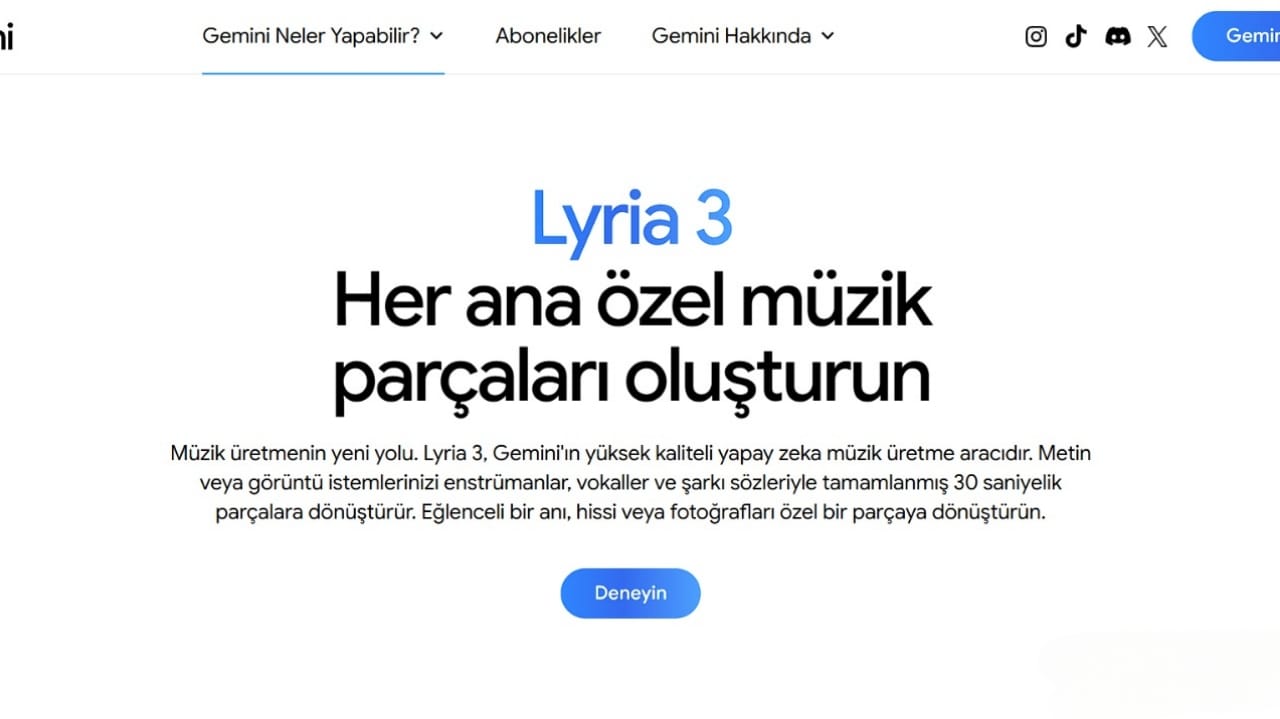
Google How Does DeepMind Lyria Work?
Lyria model combines natural language processing and sound production technologies. Analyzes the user’s command;
- Type (pop, lo-fi, classic, electronic etc. )
- Tempo (slot, energetic, dramatic)
- Instrument selection (piyano, guitar, synth etc. )
- Feeling tone (resistent, hopeful, epic)
It creates a unique music composition by determining parameters such as.
3Lyria works as wave forms with rhythmic and harmonic parts of a whole, not in monoil and kopuk units like pixels. Each frequency is mathematically modeled to serve the overall atmosphere of each vibration and each passing composition. Thus, the resulting music only acquires a structure that carries fluid, consistent and feeling rather than being technically accurate. The model calculates depth, spatial perception and dynamic transitions while placing sound layers in a row. In this way, the parts produced are removed from a mechanical sound array and turned into a integrity auditory experience, which is the beginning, rise and dissolving.
1. Layer Data Processing
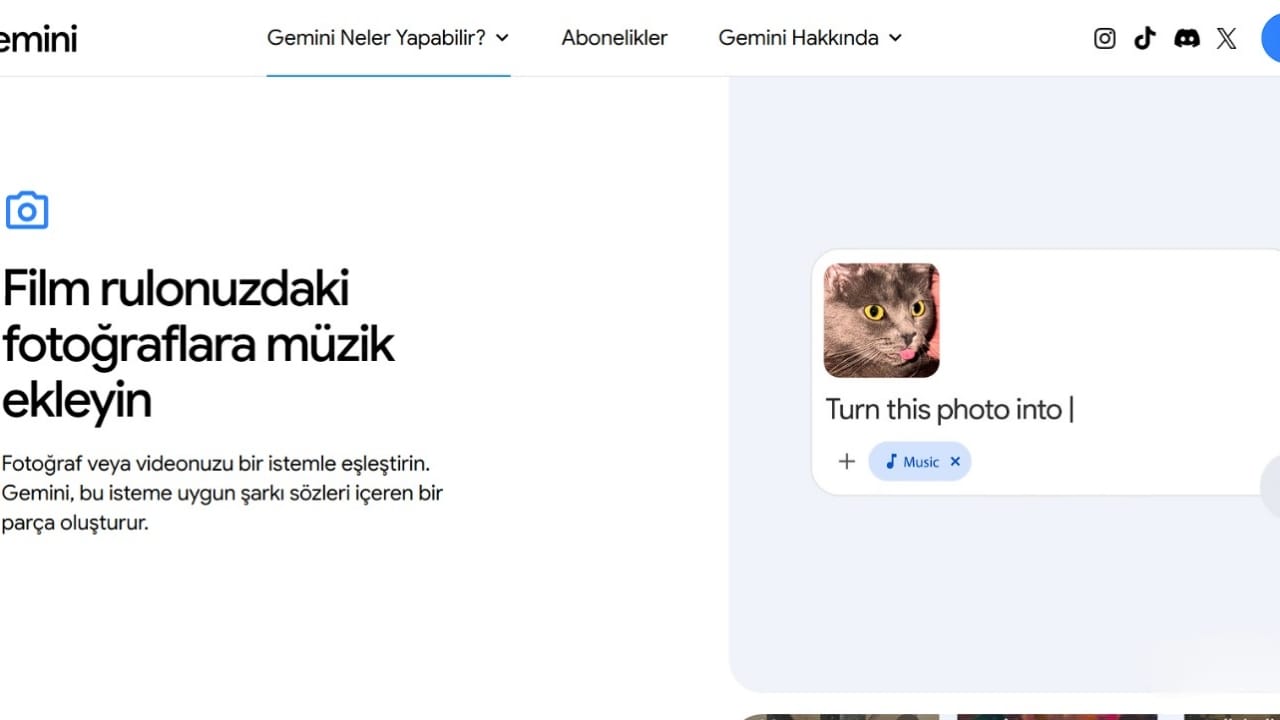
Lyria is a part of the Gemini family, the link between text, image and audio is very good. When you write a command, the system converts this text to musical concepts (tempo, tone, instrument hierarchy). Then, he starts to knee notes by applying the rules of "music grammar" he learned from a huge set of data.
2. 2. Transducer Models Home
Music is a directory in time. Lyria uses advanced Transformer architecture to break the relationship between the rhythm at the beginning of a song. In this way, it provides a structural consistency between a 30-second cross section and a 3-minute ball. So rhythm structure protects consistency throughout the song and exhibits a regular flow.
3. SynthID: Digital Signature and Security
One of the most revolutionary sides of Lyria is engaged in production phase SynthID technology. When creating an artificial intelligence voice, it will never notice the human ear into the sound waves, but things a "filigran" that software can recognize. This means:
- Copyright Protection: It can be verified by AI.
- Manipulation Obstacle: Even if the editing on the voice is structured or the speed is changed, this digital signature is not lost.
4. Vocal and Style Transfer
Lyria can only take the style of an existing voice that does not play the instrument and wear it to another melody. For example, a simple melody you’re from, can convert an epic cinematic music as they were said by a professional choir. This is the peak of deep learning technique called "Style Transfer" (Stil Transfer).
| Feature | Advantage |
|---|---|
| SynthID | It provides copyright protection with non-stick watermark. |
| Style Transfer | Converts the muffle to an ophonic work. |
| Transformer Architecture | It provides structural consistency and rhythm in long compositions. |
| Natural Language Processing | Only offers professional music production with words. |
Lyria Model Specifications
1. Natural Language Understanding
Gemini infrastructure can grasp context and intention. This ensures that it produces more consistent and desired music.
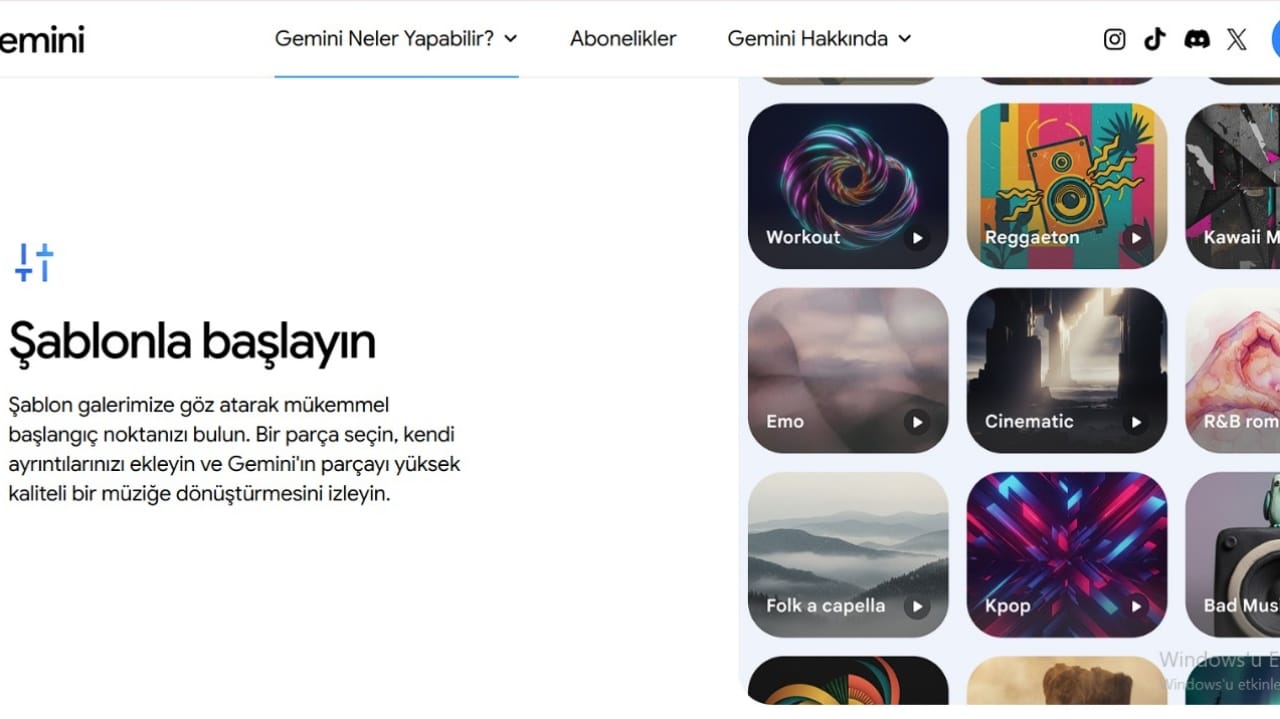
2. 2. Type and Style Flexibility
From electronic music to cinematic orchestra, it can produce in a wide scale. This variety for content manufacturers is the great advantage.
3. Fast and Scalable Production
Video producers offer the opportunity to produce original background music in minutes for game developers and social media content makers.
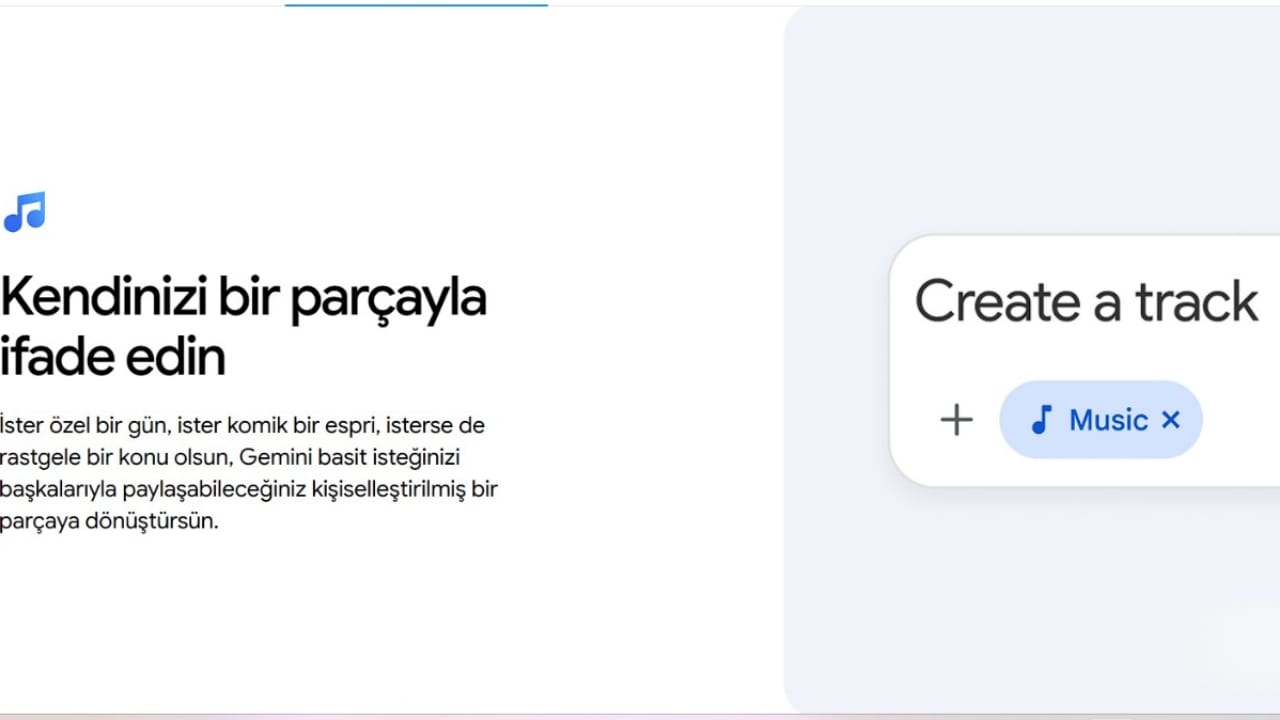
4. API Integration u
Music production features can be integrated through Gemini API for developers. This gives applications and digital platforms the opportunity to add artificial intelligence-supported music.
 API Integration u
Music with Artificial Intelligence: Democraticization of Creativity
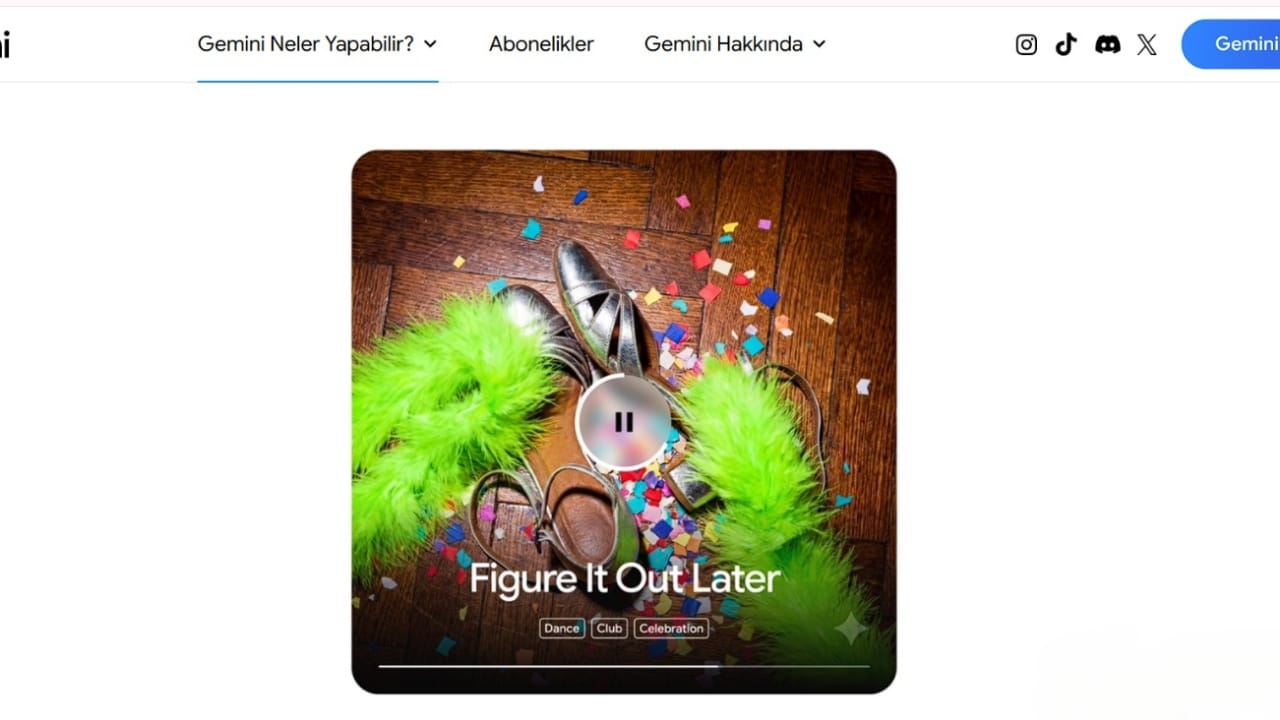
Traditional music production requires domination of technical information areas such as peoni, rhythm, instrumentation and registration technologies. In addition, studio equipment limits the software licenses and time cost, production process with a certain level of expertise and capital. Artificial intelligence supported music production systems make production process more accessible by significantly reducing these barriers. Even a user who has nota knowledge is able to achieve original music outputs by identifying a specific atmosphere, type or emotional tone through textual commands.
This leads to the re-identification of knowledge-based thresholds in music production. The production process is installed on conceptual orientation and aesthetic preference rather than technical qualification. Thus, the user can participate in the creative decision-making process without entering direct audio engineering practice. Artificial intelligence is positioned here as a auxiliary system that accelerates the creative process and offers alternative variations rather than a manufacturer tool.
This conversion is particularly:
Home Social Media Content Manufacturers Home
Home Game developers
Home Film and advertising industry professionals Home
Home Podcast publishers
provides operational efficiency. The original music production, which minimizes the risk of copyright, accelerates content development processes and reduces costs. It also enables small-scale teams or independent producers to produce auditory content with high production quality.
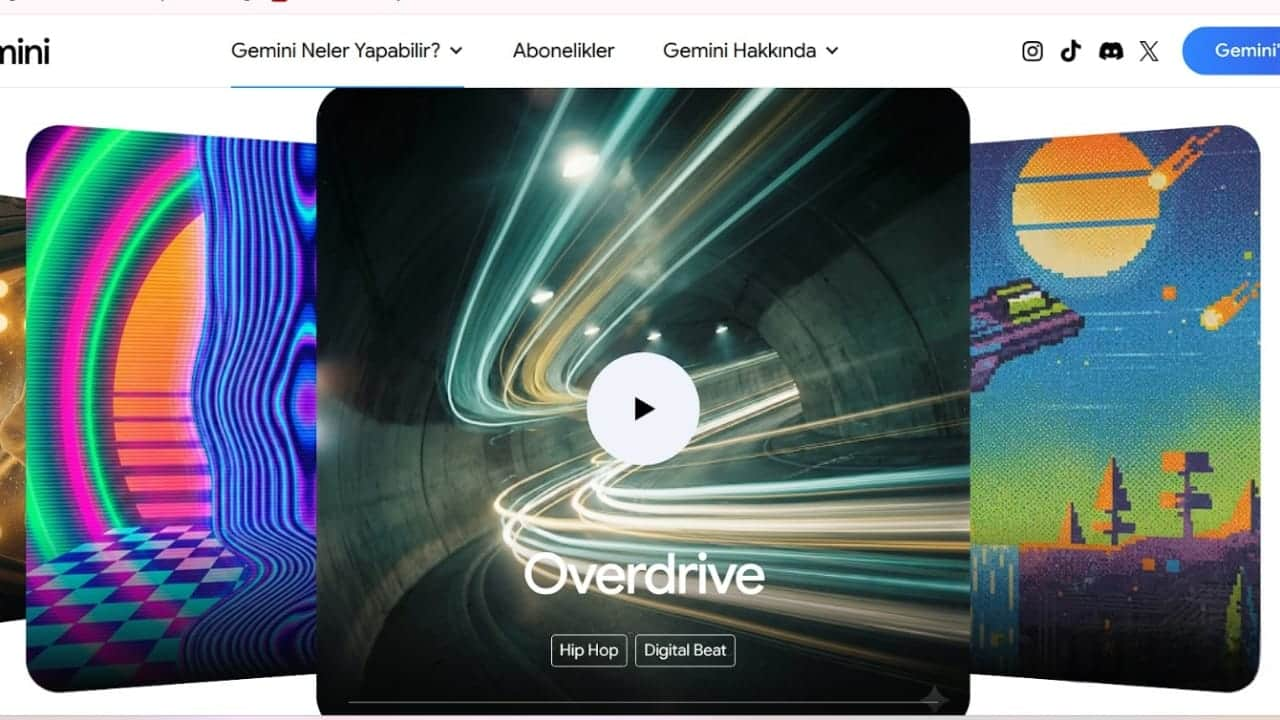
Artificial intelligence-supported music production not only offers a technical convenience, but also contributes to the expansion of participation in creative production field. In this context, the process can be assessed as a indicator of the more inclusive and accessible structure of cultural production.
Google Lyria AI: Artist, Help?
Although many people ask "Is the place of intelligence musicians?" Lyria is actually fictional as an inspiration partner that triggers creativity. Complex compositions completely change the workflow of productors and content producers that can be drafted in seconds. Google DeepMind Lyria, YouTube and other platforms have become the shortest way to produce royalty and completely original content.
Unlike traditional music software, Lyria can only implement the vision of a composer with text commands. Lyria only works to create a sense of space, rhythm structure and feeling atmosphere instead of producing sound instead of Lyria only when you give a command like “Electronic music suitable for a rainy night”. This direction is divided from traditional production tools because it is not knowledge of note here, meaning knowledge is essential.
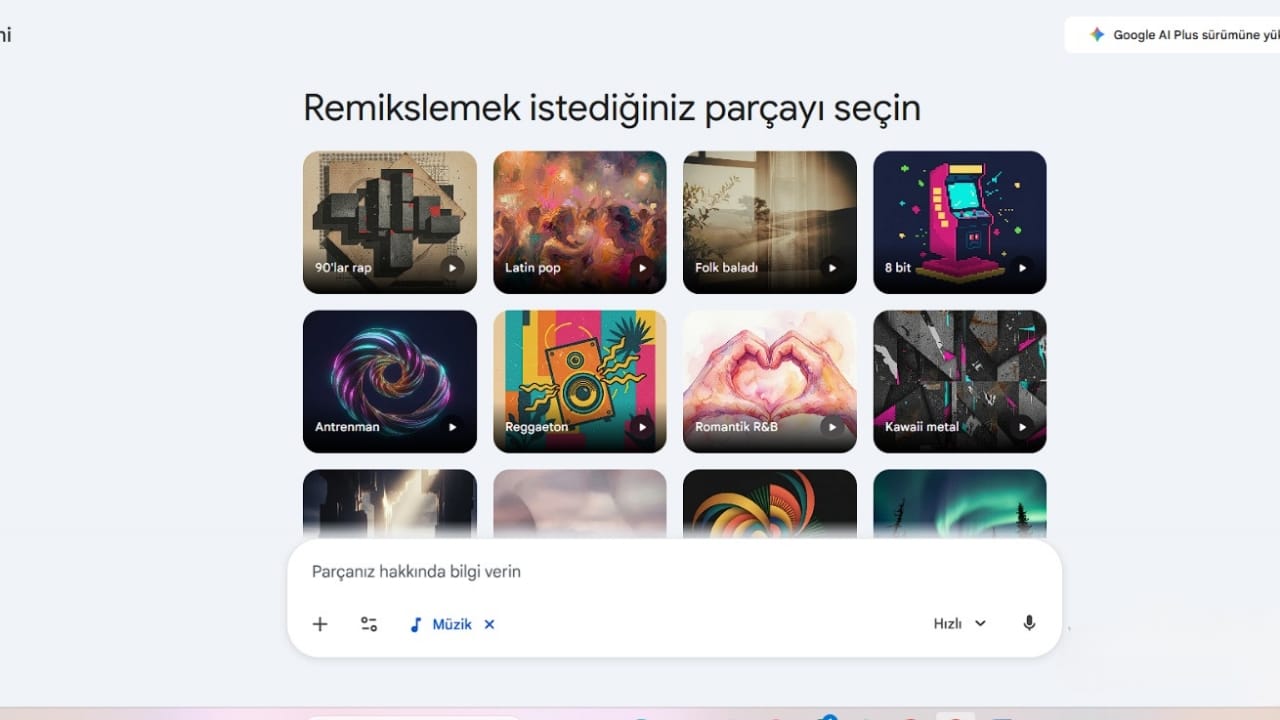
Lyria shortens the distance between art and algorithm. Where the bestecine is waiting for inspiration, the model builds a draft world in seconds. But unlike this competition is a collaboration. A hybrid art form occurs when human creativity combines artificial intelligence capacity.
However, this collaboration brings some aesthetic and ethical questions together. Is the element that determines the value of a music only peonik consistency, or is the inner experience that is distracted from the lives of the composer? Artificial intelligence can build persuasive emotional atmospheres through the nucleus that learned from huge data sets, but this atmosphere is not a trace of an experienced pain or a personal memory. At this point, discussion shifts to a matter of originality and intention rather than the production capacity. If a beste is the result of the most impressive combinations of statistically, how will it be defined that the work is “the day”? So Lyria, developed by Google DeepMind, is positioned as a powerful aid that speeds up the creative process; instead of taking the place of the artist, it should be considered a technology that reconcile the ontological limits of art.
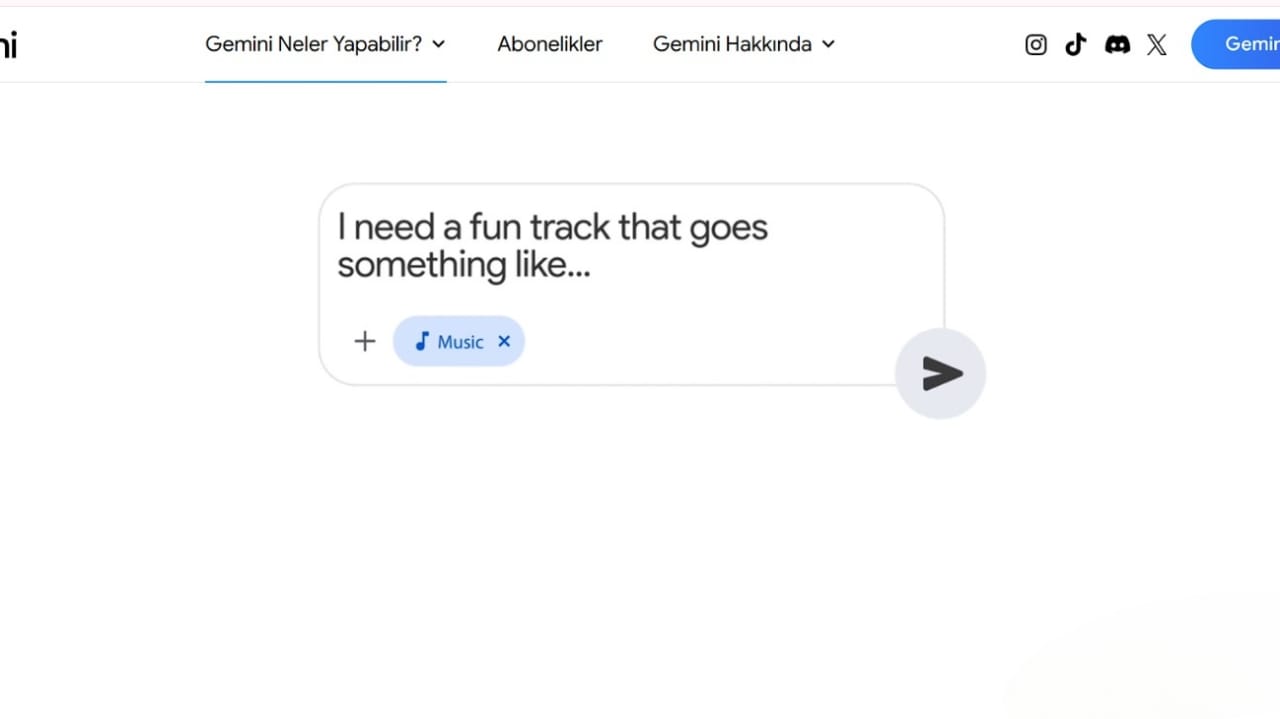
Applications that produce instant music based on our personal mood in the future can become a dynamically changing artificial intelligence compositions and personalized movie music ordinary.
Lyria does not dilute the melody inside AI man, opening him a new way of expression. A feeling that wanders on the banks of words turns into the voice by leaking through several lines of feeding. Technology is the partner that does not appear to create unlike a cold machine here. Music only converts thought, dream and language to extension from being an art that has been executed. Perhaps now the besteler starts with a sentence, not with a note; the feeling passing from the heart is mixed from the unfortunate of the algorithm and again. And in this new era, we stand in the middle of a threshold that inspired both in the human and found echo on the machine.
WriterAI Slop Nedir? Dijital Reklamcılık için Tehdit mi?


Claude Code Agent Teams Kurulumu ve Kullanım Rehberi