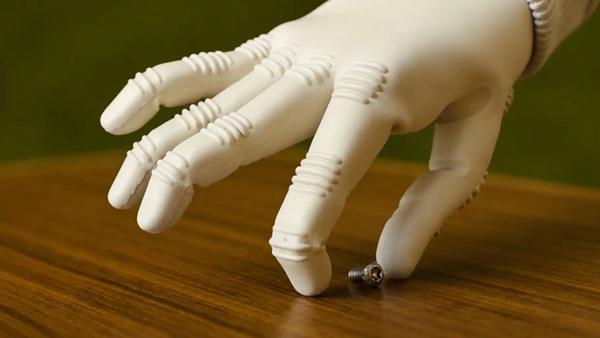




No Human in Japan, Tsar Robot Workers
Automatically translated
 Writer
Japan is one of the first countries that come to mind when it comes to technology and innovation for many years. But today Japan’s biggest problem is the lack of technology and lack of people beyond economic stagnation.
With the demographic crisis created by rapidly aging population and falling birth rates, decreasing labor force is forced to produce radical solutions that can quickly result in the country. At this point, the robot workers come into the scene as the most critical solution.

Japan Investigates Solution to Workforce Apparatus
Japan’s demographic structure has changed dramatically in 2000s. The country’s birth rates have been continuously reduced, and the retirement population has increased even more. Today, about 30% of the population over 65 years in Japan. There is a serious vulnerability in many sectors since the living population decreases every year
This situation brings not only economic but also a social attack. In particular, health and old care, agriculture, construction, service sectors Japan, classical solutions are followed by a different way.

The Importance of Robotic Workers
Robot workers are physical and software systems that can replace human labor or support it. Today, in Japan, this concept has become a part of the theory and everyday life. The main causes of the robot workers stand out can be summarized as they easily compensate for human deficiency, they can work uninterrupted 24 hours, and they have low error rates and provide cost advantage in the long run.
Especially old care robots, warehouse automation systems and human robots are rapidly expanding in Japan.
Demographic Crisis and Technological Complicability
The demographic crisis in Japan has become the necessity of being a choice of robot usage. Because immigration policies in the country do not increase quite strict and young population. On the other hand, the participation of women's work force is not enough. So Japan is looking for solution directly in technology. specifically supported by artificial intelligence human robots, imitating human behaviors can perform more complex tasks.
The Place of Robot Workers in the Real World
TechCrunch news Japan is an important threshold in the field of “physical AI”. In the news, robots are now highlighted that not only in the laboratory environment, but actively work on real business sites. The robot workers who are packaging in the warehouse are also actively involved in working with people in service tasks and factories. This development clearly reveals that robotic workers are now going beyond experimental work and practiced in everyday life as a practical solution.

Robot Uses in Japan
Health and Elderly Care
Japan’s biggest need arises in old care. The robots developed in this field can remove and carry patients and remind the time of medication. Some robots for social interaction also reduce the feeling of loneliness by talking with elders.
Agriculture Sector
With the reduction of young population working in agriculture, robots were activated. Otonom tractors, harvesting robots and most importantly, the human need is minimized while driving from production downtime thanks to drone-supported agricultural systems.
Service Sector
Some hotels and restaurants in Japan work with almost completely robots. Reception robots, garson robots and cleaning robots are just some of them. This keeps the service standard stable while reducing costs.
Industry
The industry sector, which is already common to use robot, is more advanced with new generation artificial intelligence. Giant companies such as Toyota and SoftBank invest billions of dollars to robot technologies.
Future of Automation: Human and Robot Business Association
It is quite common to think that robots are completely replaced by human. But Japan’s example clearly shows the importance of human-robot collaboration. While robots undertake physical and repetitive work, people focus on areas requiring decisions and creativity. This model is called hybrid work force.

Advantages of Robot Workers
The advantages of robot workers at first glance are quite remarkable.
Increase Productivity
Robots do not knead and break, error making rates are lower than human.
Cost Saving
Reduces salary, insurance and training costs in the long run.
Security
The use of robots instead of human in hazardous works is prevented from accidents, reducing life losses.
Robot Workers' Disadvantages and Possible Risks
Although there are more advantages, robot workers have some risks.
Injustice Concern
Some professions can be completely eliminated.
High First Investment Cost
Robot systems are quite expensive in the beginning.
Ethics Problems
The topic of discussion of human-robot relationship, privacy and decision mechanisms.

Is Japan Models Sample to the World?
Japan’s robot worker model can be a reference point for other countries. In particular, the population aged in Europe is low birth rates in South Korea and factors such as increasing labor costs in China make the use of the robot a global trend.
What Does Understanding Come For Turkey?
Turkey has not yet been experiencing a serious demographic crisis until Japan, but the young unemployment rate increases automation needs in the industry and the need for digital transformation process in every passing day. Specifically; the use of robots workers in logistic, production, e-commerce areas can increase rapidly.
The professions of the future are required to collaborate with robots. The prevalence of robots eliminate some professions, the robot technician creates new professions such as artificial intelligence trainer and automation engineers. This is necessary to reshape educational systems.
Uncensored Real: Robot Workers
The Japanese example clearly shows that the robot workers are no longer an option, not an inevitable fact. Especially coupled with Japan labor deficit, demographic crisis and rapidly developing technology, the role of robots in working life is growing gradually.
WriterLovable Payments: Yapay Zeka ile Kendi İşini Kur


Yapay Zeka Dijital Pazarlamanın Neresinde? Ahmet Balat ile Cevaplar!