



Nvidia AI Stock: A Critical Earnings Day Is Approaching
Automatically translated
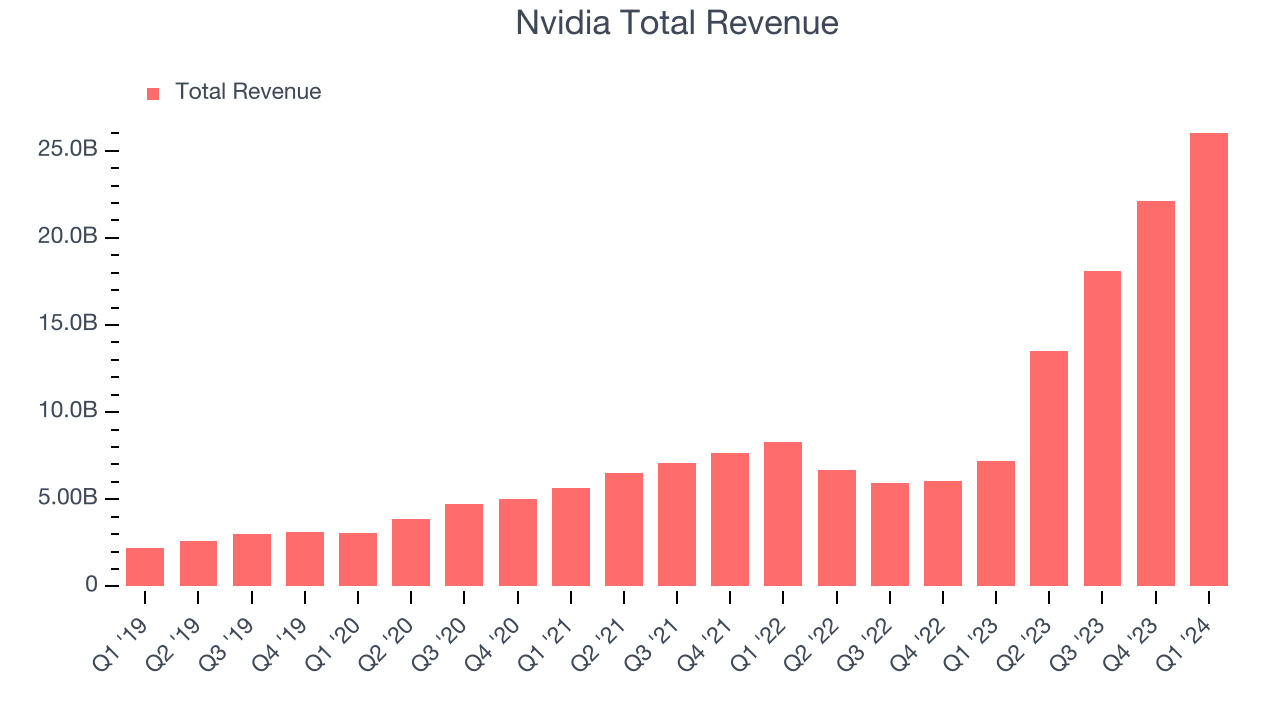
Nvidia's upcoming earnings results are seen as one of the most important indicators of the current growth pace of the AI sector. Investors are tracking not only revenue growth but also Blackwell GPU shipments, data center revenue, and whether the global AI investment trend can be sustained.
The AI market has developed a notable pattern over the last two years. When Nvidia reports earnings, it is not only the company's stock that moves; investment appetite for data center manufacturers, semiconductor companies, cloud providers, and even AI startups can shift as well. The reason is that Nvidia is no longer just a technology company selling GPUs. The company has become one of the central players in global AI infrastructure and a gauge of the sector's growth pace.
These quarterly results are seen as even more critical than previous ones. The market no longer just wants to see growth figures. The production capacity of the Blackwell architecture, orders for next-generation data centers, and how long large technology companies will sustain their AI investments have become more important. In particular, since expectations on Wall Street have risen sharply, Nvidia needs to not just post good results but exceed expectations.
Why Is Nvidia's AI Stock About More Than a Single Earnings Report?
The reason Nvidia's earnings are followed so closely is not only the company's market value. Today, the company is one of the players at the center of the AI infrastructure economy. Data center revenue, orders from hyperscaler companies, and GPU demand are now among the indicators used to measure the health of AI investments.
The "AI bellwether" description used for Nvidia in an analysis published by Investing points exactly to this. The figures the company reports do not only describe its own business model; they also reveal the pace of data center investments by giants such as Microsoft, Meta, Amazon, and Google. If Nvidia presents a strong outlook, the market will read it as AI spending continuing. A weak outlook, on the other hand, could lead to questions about the aggressive investment cycle that has run for the last two years.
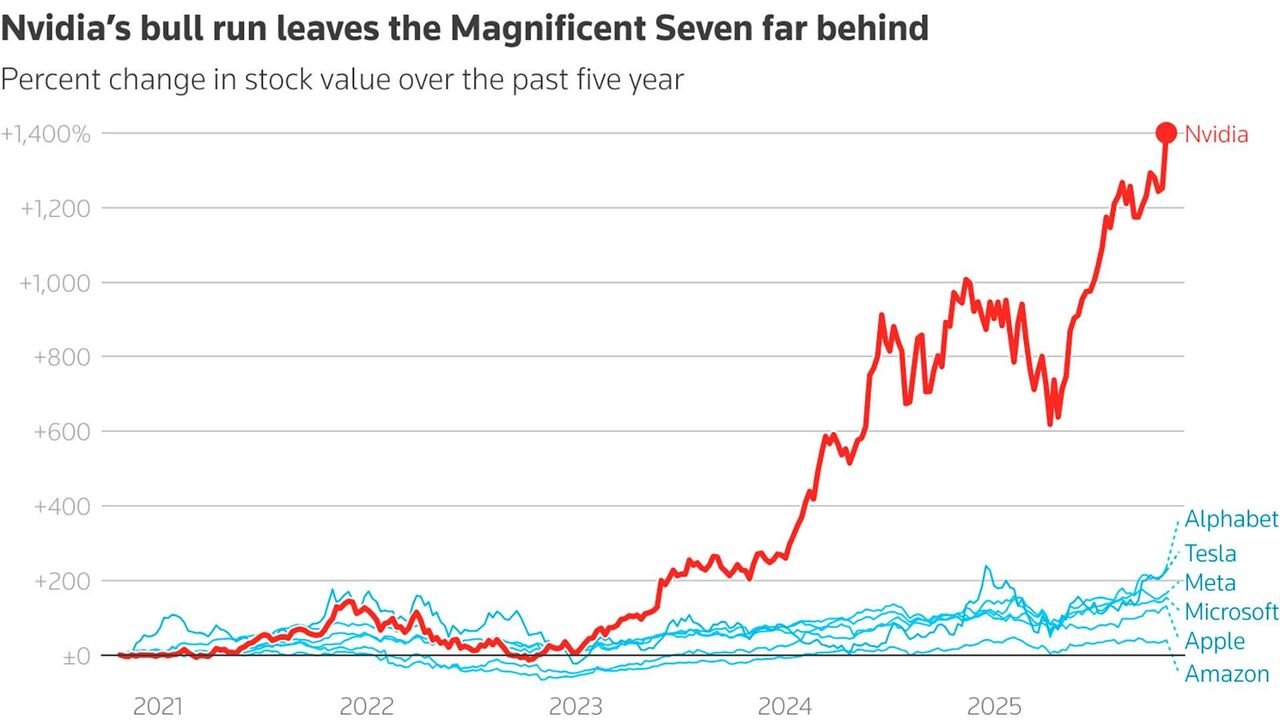
Describing the position the company has reached today only in terms of hardware would be incomplete. When the CUDA ecosystem, developer dependence, software optimizations, and data center integrations come together, Nvidia works more like an AI infrastructure platform than a chip maker. For this reason, investors now look not only at how many GPUs were sold, but at how much this ecosystem has grown.
Wall Street's Focus Is on Nvidia's Earnings Results
The first metric investors will look at is revenue growth, but the market's main focus is on forward-looking guidance. For Nvidia, which has reported exceptional growth figures over the past few years, the bar has risen considerably. That is why strong results alone may not be enough; how far expectations are exceeded will be the more decisive factor.
Data center revenue is especially important here. Most AI investment comes from the data center segment, and if growth in this area slows, the market may interpret it directly as a normalization of AI spending. One of the points highlighted in the Investing analysis was exactly this: expectations have risen so much that even strong financials may sometimes fail to satisfy investors.
The language management uses during the conference call will matter as much as the numbers. Whether there is a bottleneck in Blackwell production, how the order outlook takes shape, and what spending plans data center customers have may determine the direction of the markets. In particular, the signals management gives about AI demand may affect not only the Nvidia AI stock but the broader technology market as well.
Will Blackwell GPU Shipments Meet Expectations?
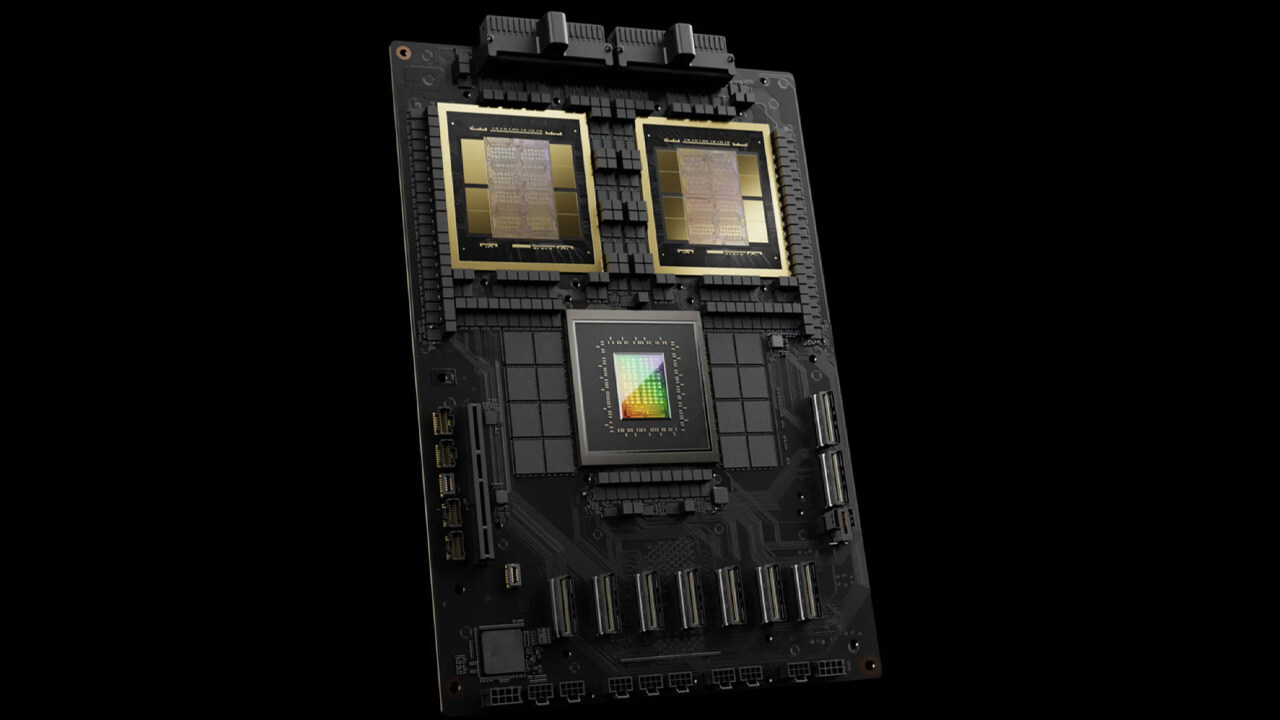
One of the most critical topics in this earnings period will be the Blackwell architecture. Investors now want to see not whether growth from the Hopper era will continue, but how efficiently Nvidia manages its transition to the next-generation product. Blackwell is not just a more powerful GPU series; it is also seen as an infrastructure move that will shape the next stage of the AI economy.
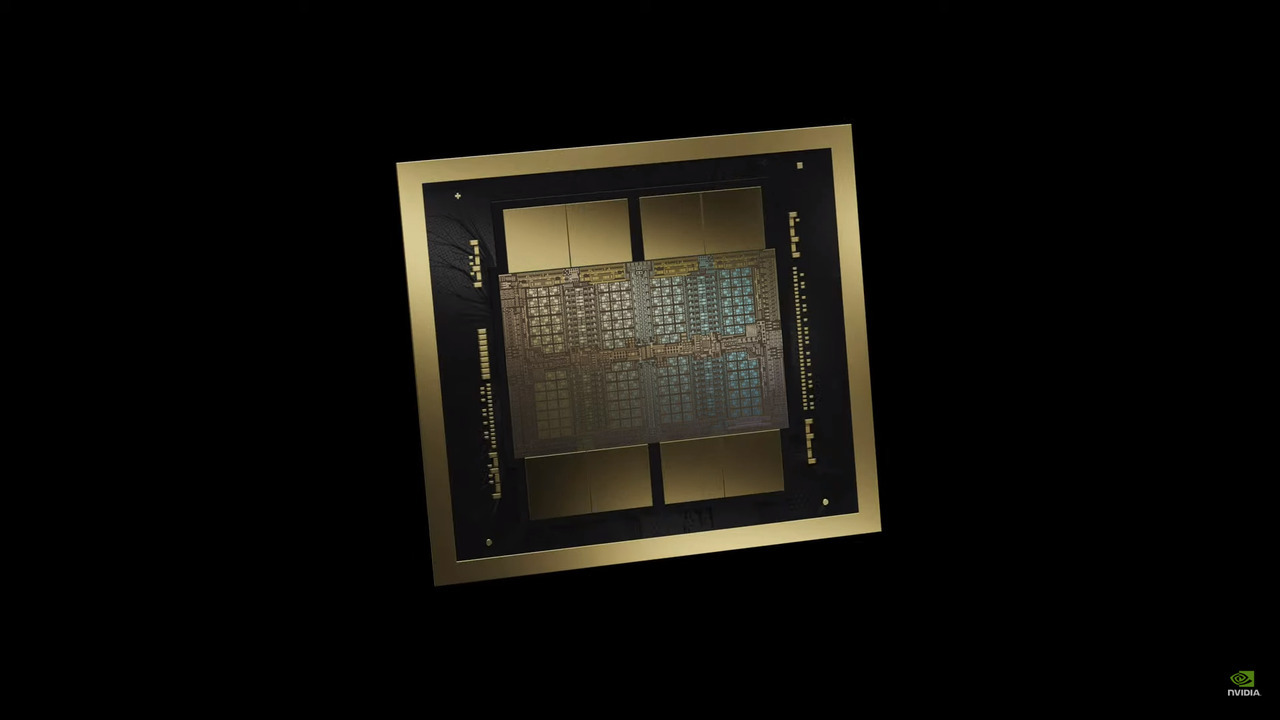
The real question here is not technical performance. What the market wonders about is how quickly Nvidia can meet this intense demand on the production side. Especially considering advanced packaging capacity, high-bandwidth memory supply, and server manufacturing processes, Blackwell shipments stop being a variable dependent on Nvidia alone.
If the company shows that Blackwell production is progressing as planned and that capacity issues have been overcome, this could be a strong signal not only for the Nvidia AI stock but for the entire AI supply chain. The next stage of data center investment appears to depend largely on how this architecture scales.
Is AI Demand Really Slowing or Just Starting?
One of the most frequently asked questions in markets in recent months is quite clear: Have AI investments peaked, or is the real growth period just beginning? Although Nvidia's earnings report alone cannot answer this debate, it can give strong signals about which direction the sector is heading. The company's customer profile does not consist of just a few technology giants; it spans a fairly wide range, from cloud companies to enterprise customers, from model developers to defense projects.
The point to watch here is the quality of demand rather than its volume. Over the last two years, many companies allocated aggressive budgets for AI projects, but the market now wants to see applications moving from pilot projects into production. If data center customers are placing new GPU orders for actual use, this may indicate that growth is continuing. However, if orders are meant to build up capacity, the market will read this more cautiously.
The changing dynamics of the AI economy are also making this debate more complex. Alongside the large model race in training, the inference economy has been added. It is no longer just about training models, but about running those models across billions of queries. AI agents, enterprise copilot systems, and multimodal applications are increasing rather than reducing compute needs. The data Nvidia reports will show how strong this demand shift is.
Why Are Hyperscaler Companies Critical for Nvidia?
One point not to overlook when reading Nvidia's earnings is customer concentration. A significant portion of the company's data center revenue comes from a few large technology companies, and these companies' capital expenditure plans directly affect Nvidia's future. Players such as Microsoft, Amazon, Google, and Meta have recently been increasing their data center investments, and investors have started to question how sustainable this spending is.
In particular, AI infrastructure investment at Meta and Microsoft continues to grow aggressively. The reason is not only the chatbot race. Search systems, advertising technologies, generative AI services, and internal automation systems now require more computing power. This suggests that demand for Nvidia's products may be part of a more structural transformation rather than a short-term trend.
Still, the key risk here is excessive dependence on a few customers. If large cloud companies slow their spending, the impact on Nvidia could be significant. For this reason, investors will closely watch not only total sales figures but also management's comments on the customer mix.
The Post-Blackwell Period: Rubin and Beyond
The market does not value Nvidia only on its current performance. Whether the company can maintain its leadership over the next few years is also central to how it is priced. That is why it is not surprising that the Rubin architecture is being discussed while Blackwell is still in its full-scale rollout phase.
As product cycles accelerate in the semiconductor sector, investors place greater importance on next-generation product roadmaps. Nvidia follows a different strategy from its rivals here. The company does not just release new GPUs; it develops the hardware, networking infrastructure, and software layers together. This approach makes it harder for customers to leave the platform.
Expectations for the Rubin architecture also gain importance here. If Nvidia shows it can manage product transitions smoothly, investors may begin pricing current growth over a longer horizon. Roadmap visibility is especially critical for data center customers.
China Restrictions and Geopolitical Risks
One of the most important variables in the AI race is no longer technology but geopolitical risk. US export restrictions have become one of the significant pressure points for Nvidia in recent years. Although the company tries to develop products specifically for the Chinese market, frequent changes in regulations increase uncertainty.
The risk here is not only short-term revenue loss. In the long run, the strengthening of China-based alternative manufacturers could pose a bigger problem for Nvidia, because as restrictions persist, more room opens for local players to grow.
For this reason, investors will closely follow management's comments on the revenue impact from China. In particular, the international revenue distribution and regional order outlook will be among the areas the market focuses on.
How Does Nvidia's Earnings Affect the AI Supply Chain?
The impact of Nvidia's results is not limited to the company's stock. Given the broad structure of the data center economy, every strong or weak data point the company reports can affect many different segments. Memory manufacturers, server makers, networking companies, and data center providers are direct parts of this chain.
In particular, high-bandwidth memory manufacturers have recently been benefiting significantly from Nvidia-related demand. Likewise, companies building data centers are updating their growth expectations depending on whether AI investments continue. A strong earnings report could lead to positive pricing across the entire AI ecosystem.
This chain also affects the entrepreneurial side. Investment appetite is often shaped by signals from infrastructure companies. Nvidia's strong outlook could also increase risk appetite toward AI startups.
What Should Entrepreneurs and Startup Founders Take From This Report?
For teams building AI startups, Nvidia's earnings are more than just a stock market story. Infrastructure costs, GPU access, and cloud service prices are affected by this ecosystem over the long term. Especially for startups developing models or building inference-heavy products, compute costs have become a direct operational variable.

The topic is even more important for startups in Türkiye. Most local teams do not build their own data centers and use global cloud providers. As a result, changes in the data center economy indirectly affect startup costs.
The message to take away here is quite simple: if Nvidia shows a strong demand outlook, AI infrastructure investment is continuing. This can be a positive signal for startups that want to plan over a longer horizon.
Where Is the AI Investment Trend Heading After Nvidia?
Two different views are currently clashing in the market. One side argues that the AI investment cycle is still in its early stages, while the other expects spending to slow. The real picture is probably somewhere between the two.
Capital flows into AI do not seem likely to stop completely, but investor behavior is changing. Simply saying "we are an AI company" is no longer enough. Revenue models, cost structures, and scalability are being questioned more closely.
For this reason, the messages Nvidia's management delivers are critically important. If the company presents a strong demand outlook, the market may read it as AI growth continuing. A more cautious tone, on the other hand, could create short-term pressure on technology stocks.
Türkiye Perspective: Why It Matters From Here
The AI ecosystem in Türkiye may not be a direct Nvidia customer, but the effects are felt indirectly. GPU costs, cloud service fees, model running costs, and investor appetite are all connected to the global data center economy.
In particular, as more AI startups emerge in Türkiye recently, this connection becomes more visible. While local teams develop products, they are struggling not only with software competition but also with infrastructure costs.
For this reason, Nvidia's earnings are not really a distant Wall Street story. For anyone who wants to understand where the AI economy is heading, it is an important reference point.
Frequently Asked Questions (FAQ)
Why is the Nvidia AI stock so important?
Nvidia is seen as one of the companies that indicate the pace of AI investment because it sits at the center of the data center GPU market.
Why is the Blackwell GPU considered critical?
Because the Blackwell architecture aims to accelerate next-generation AI training and inference, investors see it as the next stage of growth.
Which areas should be tracked in Nvidia's earnings report?
Data center revenue, Blackwell shipments, forward guidance, and customer demand outlook are among the most important topics.
Does Nvidia's earnings report affect the startup ecosystem?
Indirectly, yes. Cloud costs, GPU access, and investor appetite can be affected by these results.
AI İş Kaybı Korkusu Mezuniyet Törenine Taşındı


Odysseus Nedir? PewDiePie'nin Ücretsiz Yapay Zekası


