How OpenAI Is Making ChatGPT Safer for Teens
Automatically translated
 Admin
Growing scrutiny of how young students use AI tools, and their potential effects on mental health, has pushed OpenAI to take an important step. The company has set out a comprehensive strategy to make ChatGPT safer for users aged 13 to 17. The strategy includes age-appropriate protections, parental controls, and AI literacy resources. These measures aim to help teens build a safe and informed relationship with AI.
Age-Appropriate Protections for ChatGPT
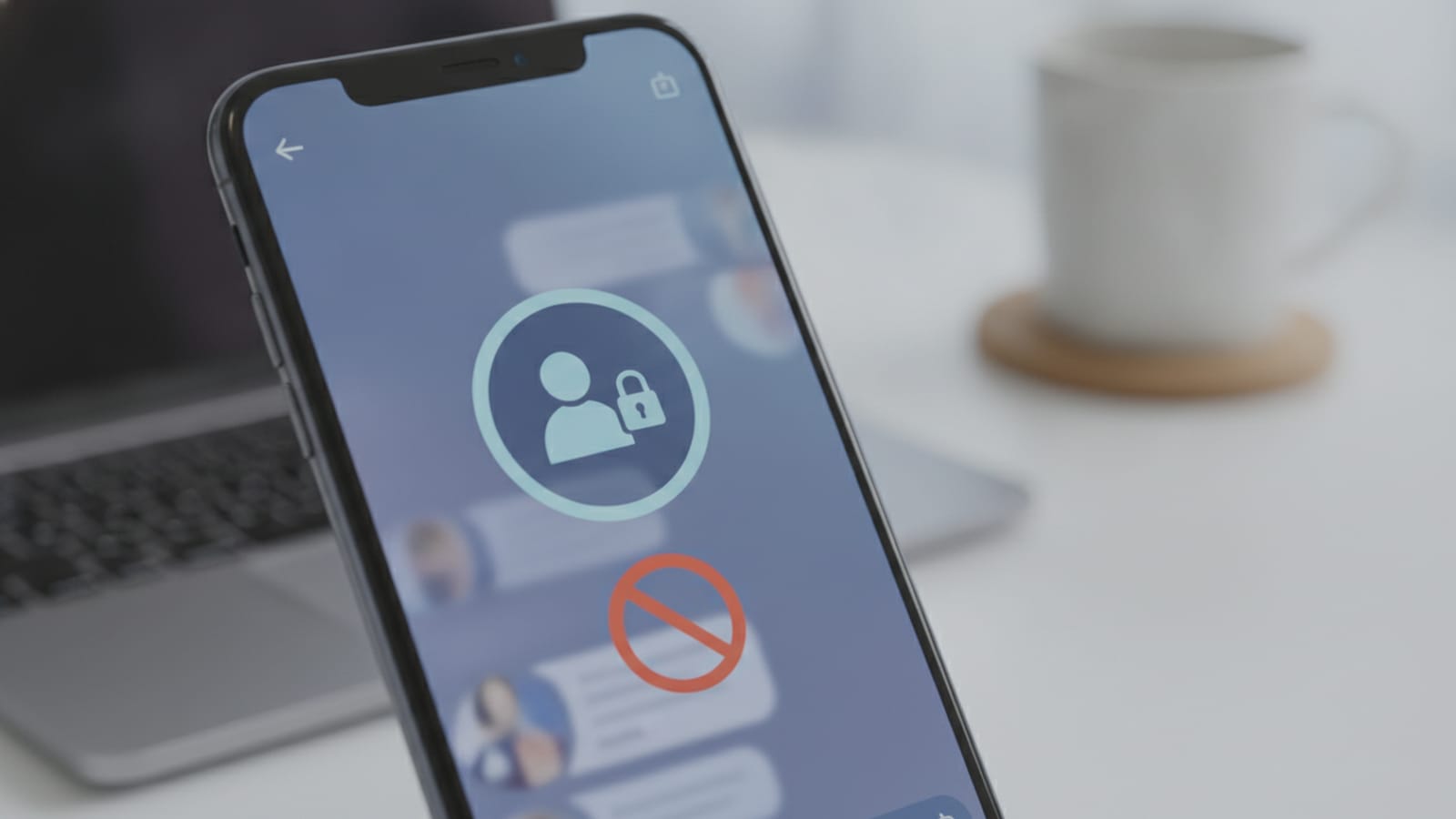
To protect young users, OpenAI has updated ChatGPT's Model Spec and introduced "Under-18 Principles" for the 13 to 17 age group. These principles commit the company to prioritizing teen safety, encouraging real-world support, and increasing transparency by setting clear expectations. The model is designed to apply stronger safeguards in high-risk situations such as self-harm or graphic content. The ability to direct teens to crisis resources in emergencies is an important part of these protections.
How the Age Prediction System and Sensitive Content Restrictions Work
OpenAI has rolled out an age prediction system to determine whether an account belongs to someone under 18. The system analyzes signals such as the age a user states, how long the account has been active, and usage hours. When the age is uncertain, the system defaults to the under-18 experience. The model applies additional safeguards to reduce exposure to sensitive material, including violence, gory content, risky viral challenges, sexual or romantic role-play, violent role-play, and content that promotes unhealthy beauty standards. Flirtatious conversations with minors are also strictly prohibited.
Parental Controls and AI Literacy

Parents can link their child's ChatGPT account to their own and manage various settings. These controls include reducing sensitive content, setting quiet hours to limit ChatGPT use, and disabling certain features such as image generation, voice mode, memory, and chat history. The system sends parents a notification when it detects that a teen is experiencing serious distress. These notifications also cover cases where a child's account has been banned for violent activity. In addition, through the "Study Mode" feature, parents can guide how ChatGPT is used for homework and studying. Parents cannot directly see their child's conversations, but they are notified when a serious safety risk is detected.

OpenAI has also published AI literacy resources for teens and parents to help families use ChatGPT thoughtfully, safely, and with confidence. These resources include family-friendly guides that explain how AI models work and why they can make mistakes, as well as tips to support healthy and responsible use at home.
Expert Partnerships and the Safety Philosophy
To strengthen its approach to youth safety, OpenAI works with online safety organizations such as Common Sense Media and ConnectSafely, as well as members of OpenAI's Expert Council on Well-Being and AI. These partnerships bring together people and institutions with deep expertise in human-computer interaction, adolescent development, and mental health. OpenAI CEO Sam Altman has said that the company prioritizes safety over privacy and freedom for teen users. This is based on the belief that teens are the first generation growing up with AI, and that as the technology expands opportunities, it should also protect their well-being.

What the Community Thinks
Supporters
Those who support these steps argue that as AI spreads rapidly, protecting teens is critical. They contend that parental controls and age-appropriate content filters can shield children from potential risks while still letting them benefit from what AI offers for learning and development. Expert partnerships also help such platforms be developed more ethically and responsibly.
Critics
Critics, however, worry that these controls could limit teens' digital freedom and reduce their ability to explore AI on their own. There is a concern that overly protective approaches may prevent teens from developing critical thinking and the skills to recognize online risks. There is also concern that age prediction systems and content filters may not always work perfectly and could lead to misclassification.
Frequently Asked Questions
What Is OpenAI's Age Limit for Young Users?
OpenAI targets ChatGPT at users aged 13 and older. The new protections and principles were developed specifically for users in the 13 to 17 age group.
How Can Parents Monitor Their Child's Use of ChatGPT?
Parents can link their child's ChatGPT account to their own and use controls such as reducing sensitive content, setting quiet hours, and disabling certain features. However, they cannot directly see their child's conversations.
How Does ChatGPT Protect Teens Who Are at Risk of Self-Harm?
When the model detects situations involving a risk of self-harm, it applies stronger safeguards and is designed to direct teens to crisis resources in emergencies.
What Do the AI Literacy Resources Cover?
These resources include family-friendly guides that explain how AI models work and why they can make mistakes, as well as tips to support healthy and responsible use by parents.
OpenAI's efforts to make ChatGPT safer for young users are becoming more important as AI plays a growing role in society. By taking these steps, the company shows its commitment to protecting the well-being of younger generations while they take advantage of technological opportunities. This approach stands out as a critical component of responsible AI development in the digital age.
AdminGrok Deepfake Davası: xAI Kullanıcısını Suçladı


AB Yapay Zeka Yasası 2026’da Neleri Değiştirecek?