



Relevance Engineering: Relevance and Information Need in 2026
Automatically translated
 Admin
Search engine optimization has moved well beyond keyword matching as of 2026. It now resembles a system that interprets the user's intent within milliseconds. At the core of this new era is Relevance Engineering, which aims for content to address not only a query but also the related needs surrounding it. Today, for content to be considered relevant, it is no longer enough to contain the right words. You also need to model, in technical terms, why the user is looking for that information.
This discipline, which is reshaping digital communication strategies, moves the user from being a "search box" to an individual with a deep "Information Need". The Relevance Engineering process is a semantic engineering achievement that allows content to be selected as the "most authoritative source" by AI agents and generative engines. In this guide, we take a close look at how content can become an "authority" in the digital ecosystem, not just be read.

What Is Relevance Engineering? Going Beyond Information Need
Relevance Engineering is the process of maximizing the semantic connection between a web page or digital content and a user's query. In 2026, this process goes far beyond classic SEO techniques and is carried out as a "intent modeling" operation. When a user types a term into a search engine, they are not just looking for a word, but for the set of solutions around that word.
The core goal of relevance engineering is to fill the gap defined as the user's "Information Need" as efficiently as possible. This discipline does not only present data; it also structurally builds why that data is valuable to the user. How an AI agent answers the question "Does this content actually solve the problem being searched for?" determines the content's fate in the digital world.
Information Need: Much More Than a Search for Running Shoes
Let's make the concept of information need concrete with an example. When a user searches for "running shoes" in a search engine, relevance engineering recognizes that this query is not just a product listing intent. The user's real need includes a size guide suited to their foot structure, the durability of the material on asphalt or trail surfaces, and even the breathability technology of the shoe.
Content with relevance engineering applied anticipates these side questions the user did not ask but still needs (size guide, durability tests, material quality) and presents them in advance. This holistic approach sends search engines the signal: "This page is not just a sales page, it is a complete information source." In 2026, Google and other AI-based engines prioritize pages offering this depth in "featured snippet" or "AI Overview" sections.

Semantic SEO and Passage-level Indexing: The Power of Paragraphs
One of the most important technical pillars of relevance engineering is Semantic SEO. The algorithms of 2026 focus less on a page's overall title and more on how deep the specific paragraphs within that page (Passage-level Indexing) are. Instead of writing a single massive article, it is now critical that each subheading within that article works as a standalone "problem solver."
Thanks to Passage-level Indexing, a small paragraph within a long guide can be pulled up directly as an answer to a specific user question. This makes it necessary for content creators to avoid texts that "touch on everything but go deep into nothing," and to apply relevance engineering principles under every subheading. Proper semantic association helps search engines perceive the content as an "answer machine."
Search Intent Engineering: Modeling User Intent with Data
In the 2026 digital marketing world, Search Intent Engineering models the user's journey in three main stages: information gathering (Informational), comparison (Commercial), and action (Transactional). A relevance engineer is the person who can blend these three intents within the same content framework without confusing the user.
The intent engineering process is structured in the following steps:
Contextual Analysis: Producing technical answers to the "why" behind a query.
Semantic Clustering: Integrating all related terms that support the main topic into the content (genuine semantic connections, not LSI).
Dynamic Updating: Periodically revising the content's relevance based on feedback from AI agents.
Parameter | Traditional SEO | Relevance Engineering |
|---|---|---|
Focus | Keyword Volume | Information Need |
Content Structure | Long and Linear | Modular and Intent-Driven |
Indexing | Page-based | Passage-level (Paragraph-based) |
Target Outcome | Appearing on the First Page | Being a "Source" in AI Answers |
User Experience | Delivering Information | Synthesizing Information and Offering Solutions |
2026 Trend: "AI Literacy" in Relevance Engineering
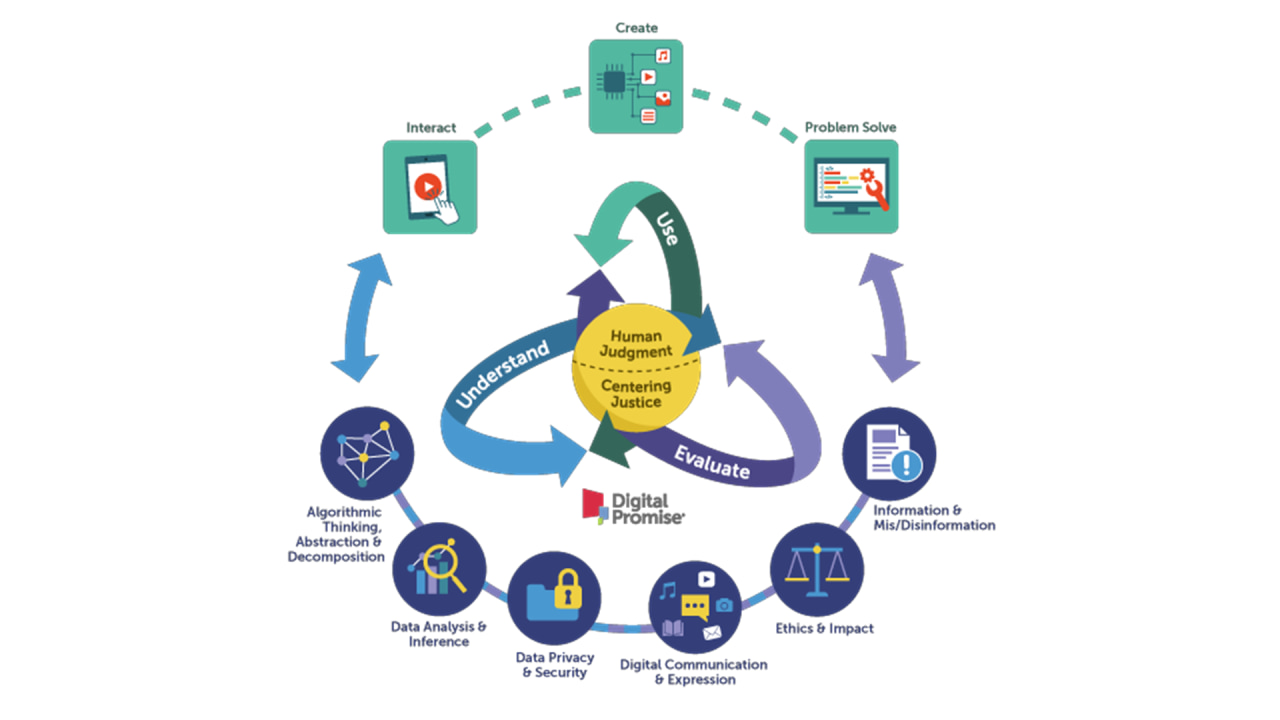
The content strategies of the future depend on understanding how AI reads information. Professionals who apply relevance engineering optimize their texts not only for the human eye but also for LLMs (Large Language Models), which compare the text with thousands of other data points within seconds. This is made possible through technical authority signals (E-E-A-T) hidden within the text and structured data markup.
Staying visible in 2026 is not only a technical SEO task but also a deep process of engineering and empathy. Brands that analyze the user's information need down to the smallest detail and present that analysis with a structured data discipline are rising to become the quiet but strongest authorities of the digital ecosystem. Relevance Engineering helps you not only make your voice heard in a digitalizing world, but also ensures that voice is recognized as the "right answer."
AdminClaude Opus 4.6 Özellikleri: Yeni Nesil LLM


En İyi Ansiklopedi Sitesi Hangisi? Grokipedia vs Wikipedia


