



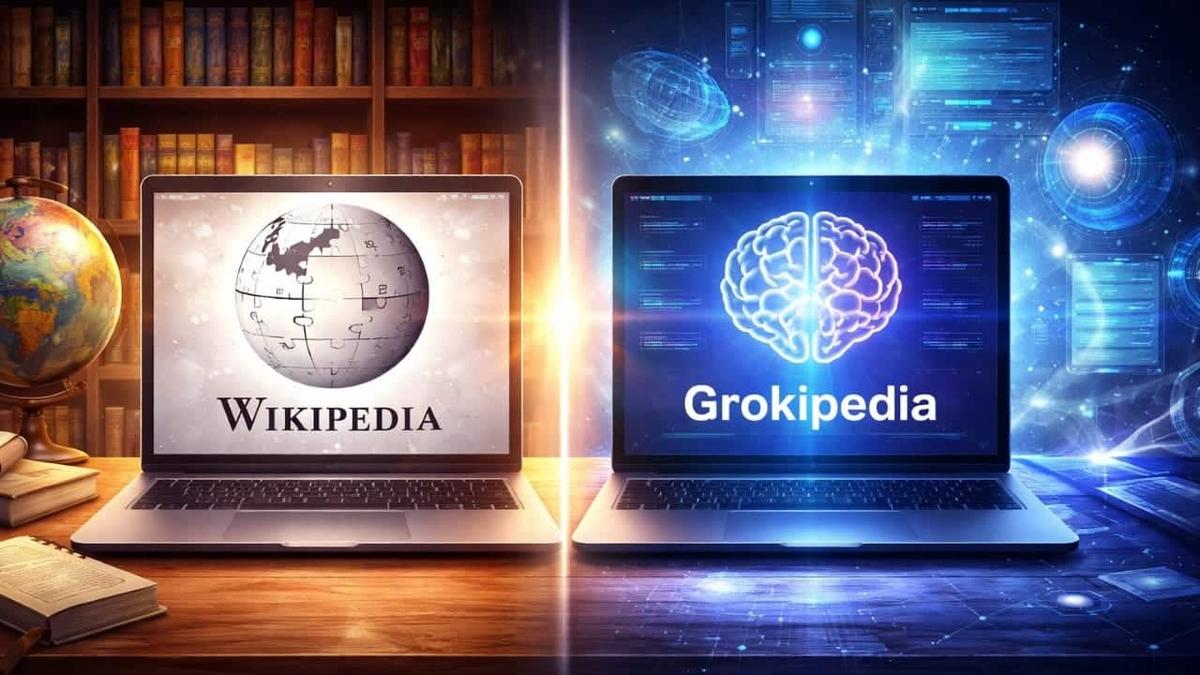
Which Is the Best Encyclopedia Site? Grokipedia vs Wikipedia
Automatically translated
 Writer
Humanity has always tried to capture knowledge and present it in an organized way. From the Library of Alexandria to printed encyclopedias, and from there to the endless corridors of the digital world, we are now at a new turning point. Digitizing knowledge is not just a change of format; it is also a search for "truth." So, which is the best encyclopedia site today? The long-established giant Wikipedia, or Grokipedia, born in the dynamic embrace of artificial intelligence?

What Is a Digital Encyclopedia and Why Does It Matter?
Digital encyclopedias are information systems that present humanity's collective body of knowledge online in an organized, accessible and continuously updatable form.
In the internet age, encyclopedias have become not only information repositories but also reference sources for search engines, academic work and artificial intelligence models.
In this context, Wikipedia has built a human-edited knowledge network of millions of articles, while Grokipedia takes a different approach with content generated by artificial intelligence.
Digital Encyclopedia Differences: From Static Knowledge to Dynamic Algorithms
For years, Wikipedia has played the role of that vast library that "anyone can edit," reflecting the collective human mind, while Grokipedia entrusts this process to the autonomous speed of artificial intelligence (AI). When it comes to differences between digital encyclopedias, the first factor that comes to mind is the speed of production. Creating and verifying an article on Wikipedia is a meticulous process carried out by humans, whereas Grokipedia, since October 2025, has been producing roughly 6,000 new pages per day, bringing a quantitative revolution. However, this speed comes with a lack of "depth and visuals." The fact that Grokipedia pages do not yet contain even a single image shows that it is a purely data-driven structure, far removed from human aesthetics.
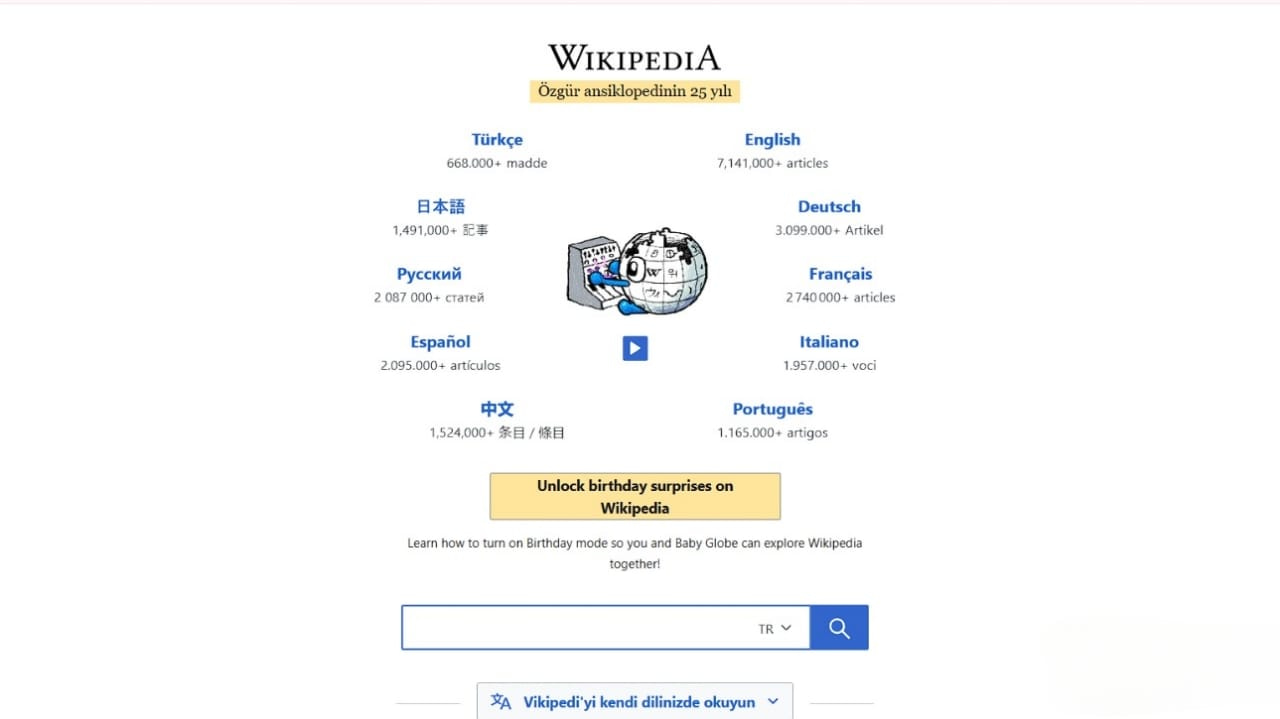
Wikipedia: The Digital Library of Collective Knowledge
Founded in 2001, Wikipedia is a platform continuously updated by volunteer editors and recognized as the largest online encyclopedia in the world.
Today, Wikipedia captures a significant share of internet traffic thanks to its millions of articles, strong reference system and extensive backlink network. According to analyses, its monthly organic visits reach approximately 2.1 billion page views.
The most important factor behind this success is the community-based editing system and source verification mechanisms. Content continuously reviewed by human editors and supported by academic sources forms a reliable knowledge structure.
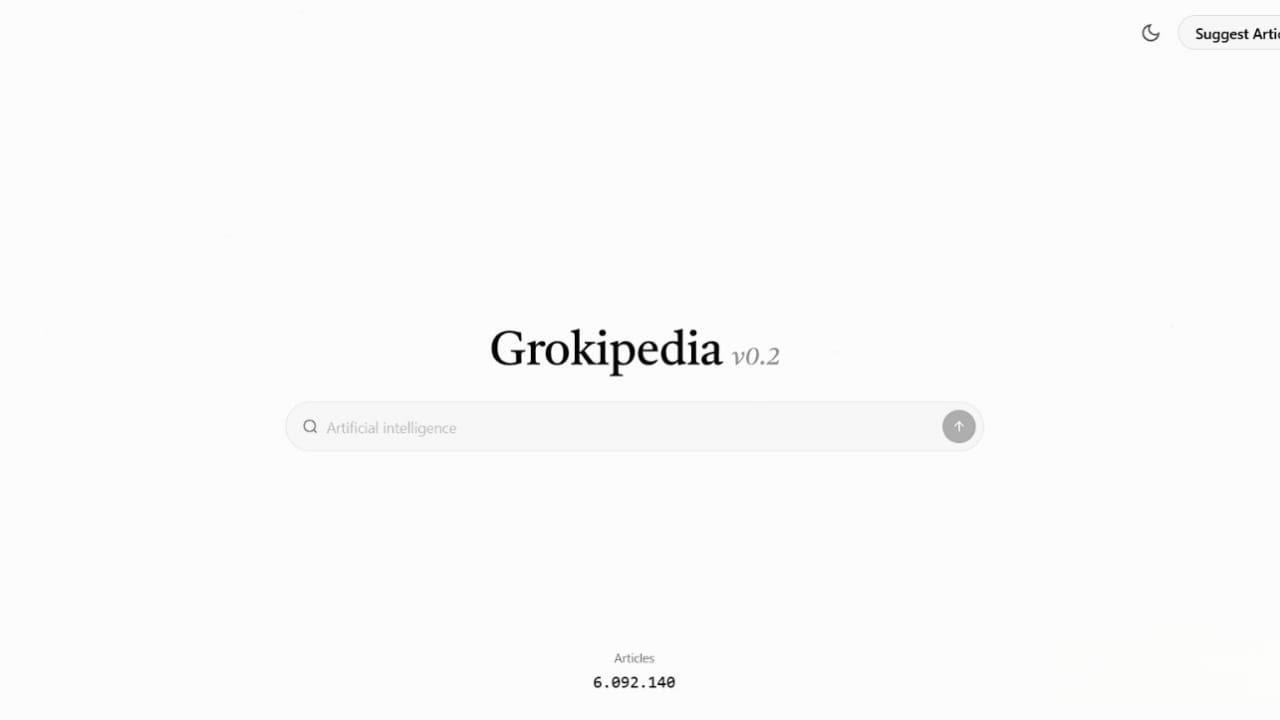
Grokipedia: The New Generation of AI-Powered Encyclopedia
Grokipedia is an online encyclopedia developed by xAI in 2025, with content largely generated by the artificial intelligence model Grok.
The main goal of this platform is to build a fast content ecosystem by automating large-scale information production. Thanks to artificial intelligence, Grokipedia has produced hundreds of thousands of articles in a very short time and built a rapidly growing digital knowledge archive.
However, an important difference emerges here. Because its content is produced by algorithms rather than human editors, its verification processes are structured differently.
Which Platform Is More Suitable for You?
For a researcher, Wikipedia remains the primary harbor, with its internal linking, rich visual world and the authority built over years. However, if you are looking for a "knowledge pool" designed to be consumed by artificial intelligence, Grokipedia opens a door to the autonomous world of the future.
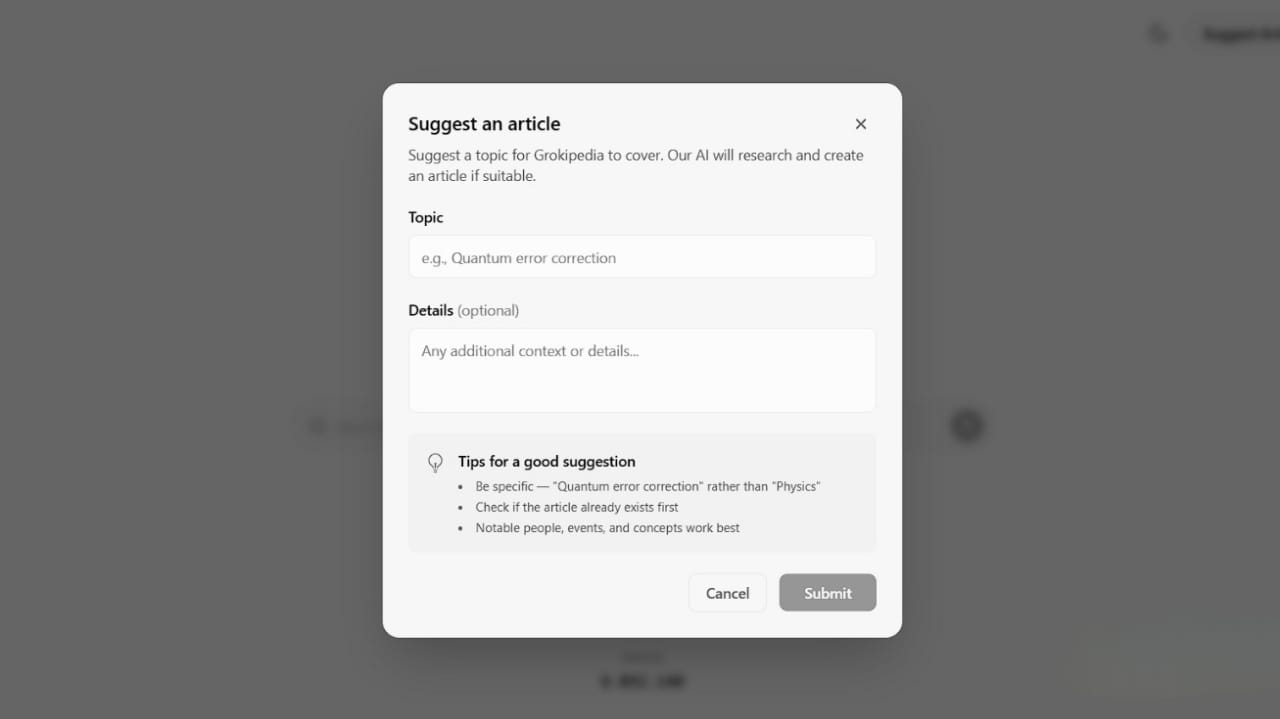
Wikipedia: Human touch, rich visuals and high authority.
Grokipedia: Maximum content volume, AI focus and fast data production.
In conclusion, whatever the source of knowledge, what matters is having a mind that can filter it. The race between these two giants of the digital world represents the thin line between human productivity and the speed of machines.
Grokipedia vs Wikipedia: Differences Between Digital Encyclopedias
In the digital knowledge age, encyclopedias are not only platforms that store data but also epistemological structures that determine how knowledge is produced and how reliable it is. In this context, Wikipedia and Grokipedia represent two different sides of the digital encyclopedia concept through different production models.
1. Content Production Model
Wikipedia's foundation is a collective editing system. Articles on the platform are written, edited and continuously updated by volunteer users from around the world. In this process, content is not only written but also reviewed by different editors, checked against sources and corrected where errors appear.
Grokipedia, on the other hand, adopts an AI-centered approach to content production. Most articles on the platform are generated by algorithms and quickly produced from information compiled from large data sets. Thanks to this model, it can create large amounts of content in a very short time. However, the limited human editorial oversight can bring debates about verification and source reliability for some content.
2. Traffic and Popularity
One of the most important indicators of the impact of digital encyclopedias is organic traffic and user reach. According to analyses, Wikipedia's organic traffic is approximately 1,615 times greater than Grokipedia's. This large gap stems from the fact that Wikipedia is seen by search engines as a high-authority source.
In addition, because Wikipedia has ranked high in search engine results for years, it has become an important part of users' information-seeking habits. Grokipedia, being a newer platform, does not yet have a user base or search engine authority at the same level.

3. Content Structure
In terms of content structure, the two platforms follow different strategies. Research shows that Grokipedia articles are on average about 13% longer than Wikipedia articles. This is due to the fact that AI-generated content usually contains more comprehensive and explanatory paragraphs.
In contrast, Wikipedia articles generally offer a more systematic structure. Thanks to heading hierarchy, table use, images and internal links, readers can reach information in a more orderly way. Wikipedia also has a strong internal link network that guides readers from one article to another. This structure both improves user experience and gives the platform an important advantage in terms of search engine optimization.
4. Sources and References
The most critical factor determining reliability in digital encyclopedias is source use. Wikipedia applies a very strict editorial policy on this matter. Information in articles is expected to be based on reliable academic sources, books, scientific papers or respected news organizations. Information without sources or that cannot be verified is usually removed or revised by editors.
Grokipedia, however, has a more flexible structure regarding source use. AI models produce content by collecting information from various databases and online sources. Although this approach speeds up information production, it can raise questions about the verifiability of sources in some cases. For this reason, Grokipedia developing stronger verification mechanisms in the future will be an important step for the reliability of digital encyclopedias.
Evaluated in these respects, Wikipedia represents the traditional and reliable model of knowledge production, while Grokipedia represents the faster, AI-supported content production model. This difference between the two platforms offers important clues about how human labor and artificial intelligence technology will come together in the future of digital encyclopedias. In the knowledge age, encyclopedias are not only data stores but also epistemological systems that show how knowledge is produced and verified.

Wikipedia has become a symbol of reliability through human labor and a collective editing philosophy. Grokipedia, on the other hand, offers speed and scale through artificial intelligence, developing an alternative approach to this model. The Grokipedia vs Wikipedia comparison shows us this: the digital encyclopedias of the future will most likely rest not on humans alone or algorithms alone, but on new knowledge ecosystems built by both together.
WriterAbacus AI Nedir, Nasıl Kullanılır? ChatLLM Fiyatı 2026

Spotify Müzik Keşfi 2026: Daha Fazla Kontrol ve AI Deneyimi


