South Korea 20 Humanoid Robot Launches Task In Factories
Automatically translated
 Writer
It took a decision to attract attention to South Korean robot technology. Country management allowed two-foot human robots to share the same environment with employees in factories and places like shipyard. Artificial intelligence-supported 20 robot workers will help perform functioning together. This development is looking for the door of a new style of production, which can work together with people, while increasing the role of industrial robots in factories.
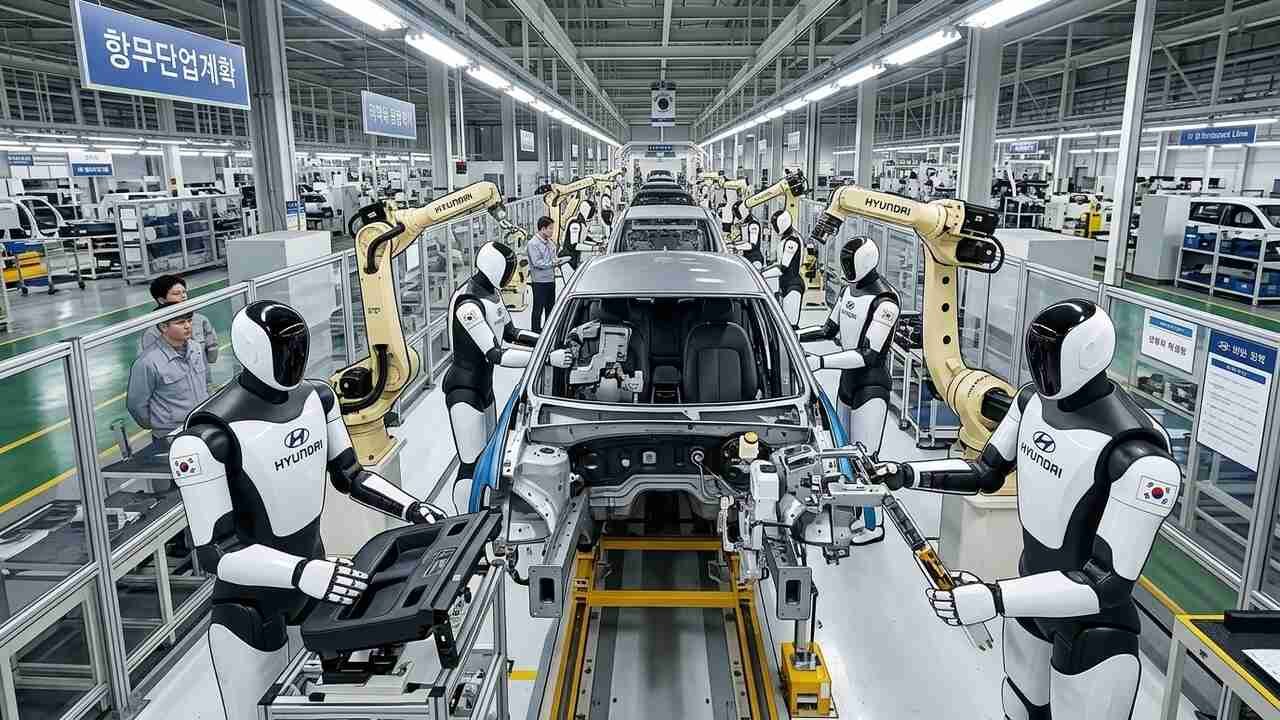
Human robots developed by Robros under the regulatory trial program of the South Korean industry ministry will serve in different production sites. Nepes, Sungwoo Hitech will be tested in the real working environment of human robots as a result of tests to be performed in HD Hyundai Samho and Delivery Lab. The most remarkable aspect of the decision is that robots can move side by side in their areas, not in their own working environment. South Korea, robot technology improvements Home We aim to provide more integrated to production lines.
New Period Started For South Korea Robot Technology
South Korea accelerates the use of robots in real human conditions to achieve stronger position in global robot competition. The country’s leading production technology centers will be used in this field, it seems valuable to adapt to different business processes of robots. There are also deep expertise in shipbuilding, automobile and chip areas of the country. Thanks to this accumulation, industrial robots create fast scalable grounds of trials. Traditional robots are known as they are fixed from one point in production areas. New developed industrial robots can move just like human, it is able to switch between working areas and master on different objects. In this way, South Korea aims to reduce the risks of people with dangerous tasks in business life.
20 Robot Will Attend Mission in Four Sectors
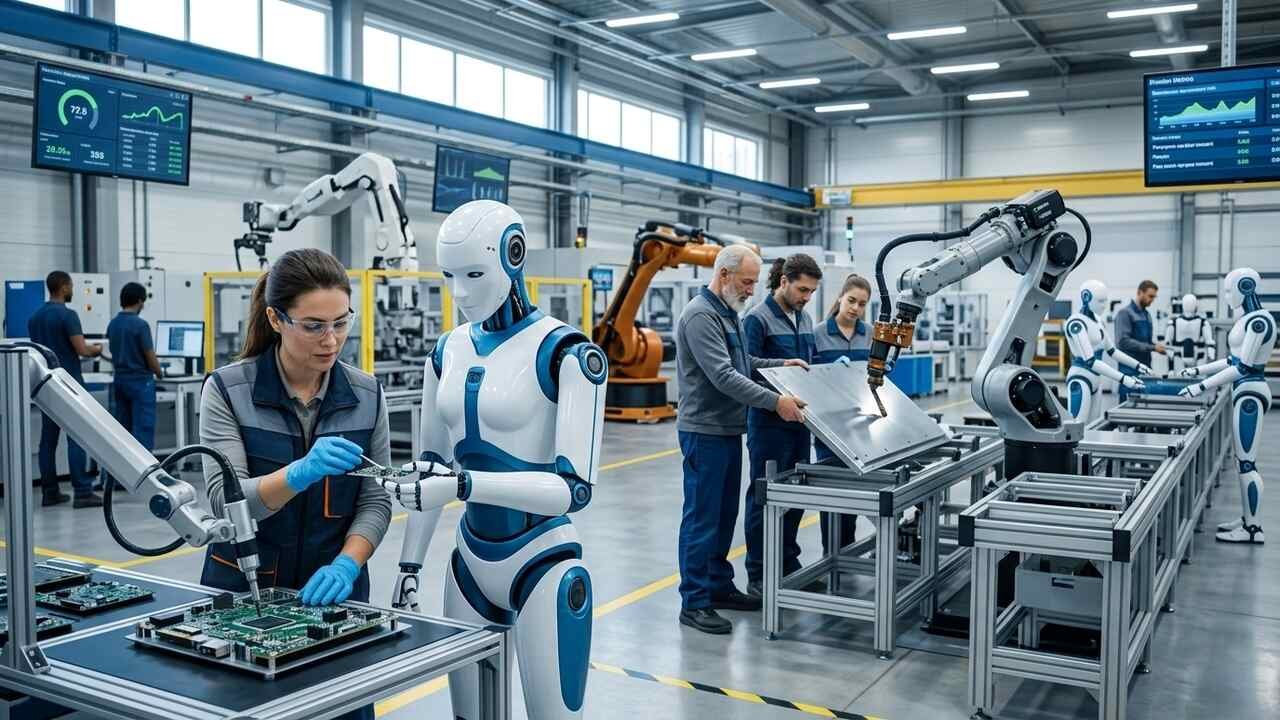
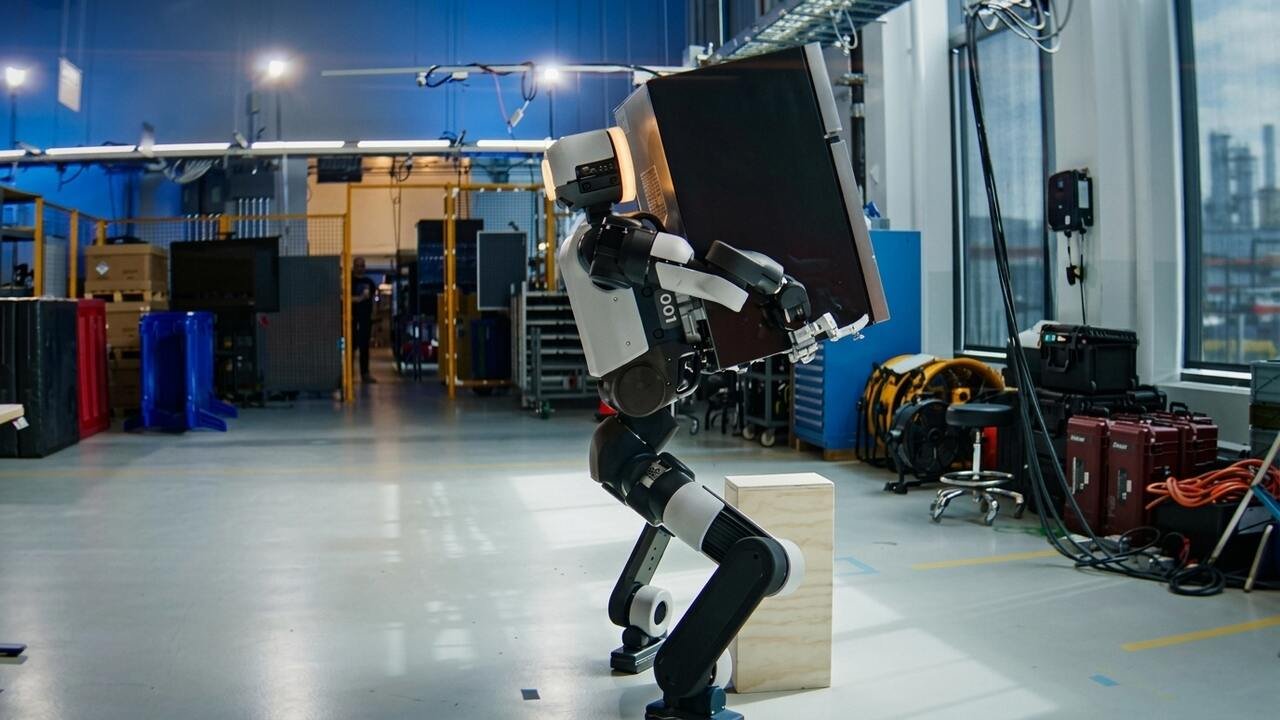
20 robots will be shared between four different companies. Nepes semiconductor, Sungwoo Hitech automotive, HD Hyundai Samho shipbuilding, Delivery Lab will try in logistics field. Every company will serve differently to robots. For example, in HD Hyundai Samho shipyard, robots will stack scaffolding brackets that fix work platforms to ship body.
-Semiconductor Production: Robots in Nepes premises will clean contaminants in circular components used in the packaging phase of semiconductors.
x.com/CyberRobooo/status/2110315679911981363
-Shipbuilding: Robots in HD Hyundai Samho facilities will carry and stack scaffold fittings used in shipbuilding.
-Logistics: Delivery Lab The robots that serve within shall carry the packaging used in cold chain operations.
These tasks are considered that robots will not only be limited to simple handling jobs, cleaning and part placement processes in work requiring precision such as semiconductor production are successful.
Security Rules for Industry Robots Changed
One of the developments that allow South Korea to take this step was that the current law of security was not fully obeying human robots’ working format. Trade, Industry and Energy Ministry Seoul-based venture Robros with two legs supported by artificial intelligence 20 human robot For four companies, it has exempted to use. The ministry’s permission gave new technologies over the sandbox program that allows them to test in an exempt way from the current rule. The given approval covers a certain trial. The government will update the industry robot to use security requirements in wider areas at the time of progressing to results from trial.
How Will Artificial Intelligence Aided Robots Affect Human Work Power?
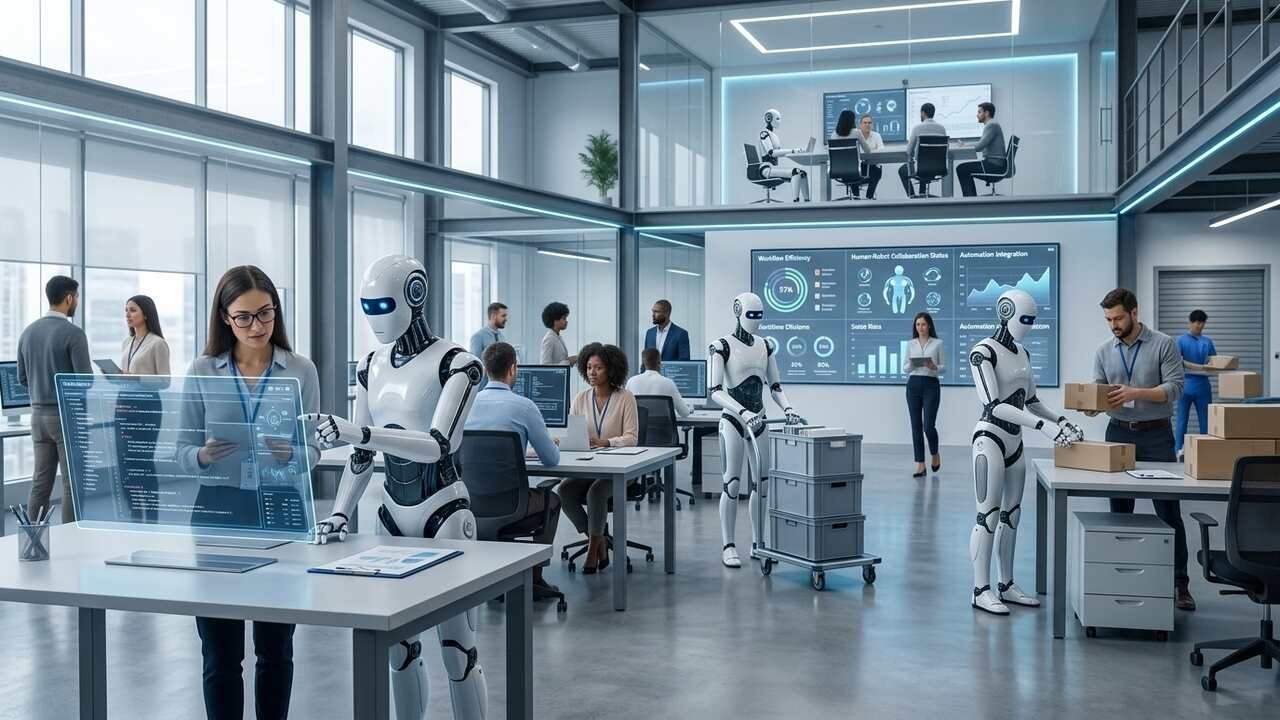
Human enters the production lines of robotscan cause people to change in working conditions. The work of robots can lead to different responsibilities of employees, especially in work that requires recurrent, physical power.
On the other hand, the effect on employment in light of new developments should be taken into account. Some tasks of robots can take over, reduce work force in certain professions. Industry representatives say that companies are found in order to eliminate employees of human robots, but to help them in dangerous and difficult processes, but also to drive uncertainty about the actual capabilities of robots. The fear that full capacity human robots can leave a lot of people unemployed is to stay in the agenda similar to the discussion of artificial intelligence.
South Korea Wants Preferred In Robotic Racing With US and China
The use of human robots in the industry carries the global technology competition into different size. The U.S. and China continues its work to develop robotic technologies and participate in production processes. South Korea wants to achieve more powerful positions in this race using existing industry infrastructure. Country management plans to invest 2.3 trillion won total up to 2030. The scope of the program aims to increase domestic robot production, reduce export dependence in basic components. One of the important advantages of South Korea is that robot technology has complex infrastructure processes and experienced employee profile. Data collected in factories can make it easier for artificial intelligence models to adapt to real world conditions.
Frequently Asked Questions
1. What did South Korea decided for human robots?
The Ministry of Commerce, Industry and Energy, introduced a special exemption to the initiative based on the Seoul called Robros under the regulatory sandbox program on 13 October 2026. 20 people robot with this permission will be tested in the same field with human workers in four companies.
2. 2. What companies and what industries will robots serve?
Nepes semiconductor, Sungwoo Hitech automotive, HD Hyundai Samho shipbuilding, Delivery Lab will try in logistics field. In HD Hyundai Samho shipyard, robots will stack scaffolding brackets that fix work platforms to ship body.
3. Why did existing rules have an obstacle?
The work safety legislation of South Korea is based on industrial robots fixed on the ground, and the fence or barriers that keep people away from the access area of the robot are mandatory. Human robots moving freely did not fit this frame.
4. Is the security conditions removed?
No. Exemption only grabs this trial and every facility has to show how people will prevent injury before starting the robot task. The government plans to update the industry robot on a wider scale with the data obtained.
5. What are government and companies waiting for this step?
The authorities see human robots as a way of eliminating labor deficit, increasing efficiency and repetitive or damaging work. Hyundai also states that robots will reduce physically striving and dangerous work.
6. Do you have concerns about employment?
Yes. Hyundai’s union reported that no new-tech robot should not be involved in work without agreement between workers and management. The company argues that robots will help dangerous and repeat work.
Writer