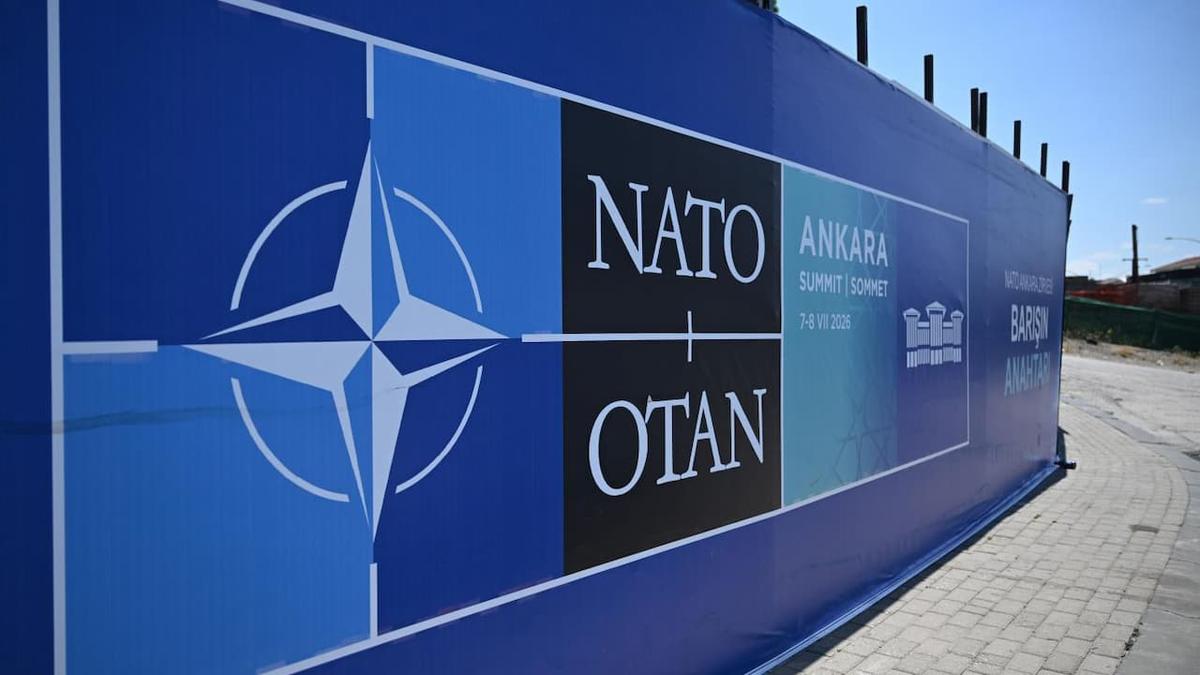
Technology and Artificial Intelligence Developments in NATO Summit
Automatically translated
 Admin
AdminTechnology is now located in the center of the defense industry, not only part of the defense industry. Organized in Ankara 36. NATO Summit The Defense Industry Forum was one of the most concrete examples of it. When the contracts signed on the Summit are examined, the countries are no longer only in new weapons systems; artificial intelligence, software, space technologies and unmanned platforms are clearly seen.
The conflicts experienced in the last few years showed that the superiority in the battlefield was not only achieved by military power. Real-time data analysis, autonomous drone systems, electronic harp capabilities and artificial intelligence-supported command infrastructures are now among the indispensable components of modern army. The meeting of NATO in Ankara revealed new steps of this transformation.
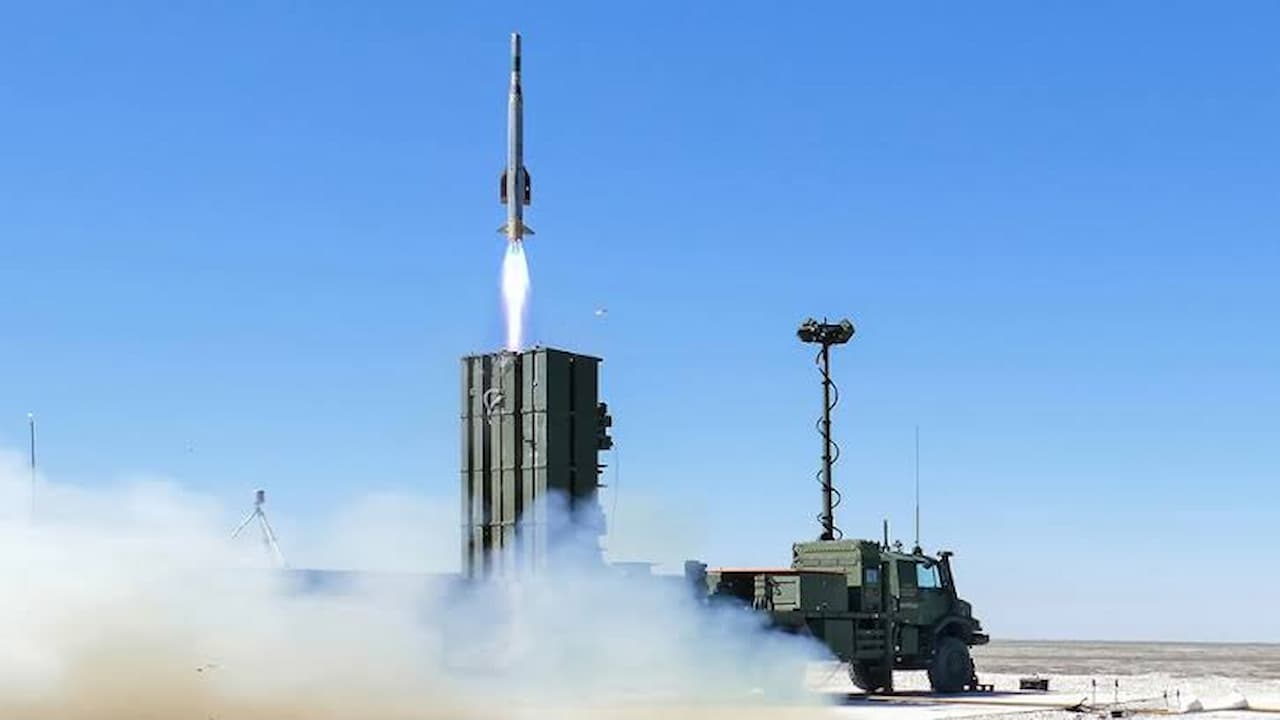
Steel Dome Project Passed to a New Stage
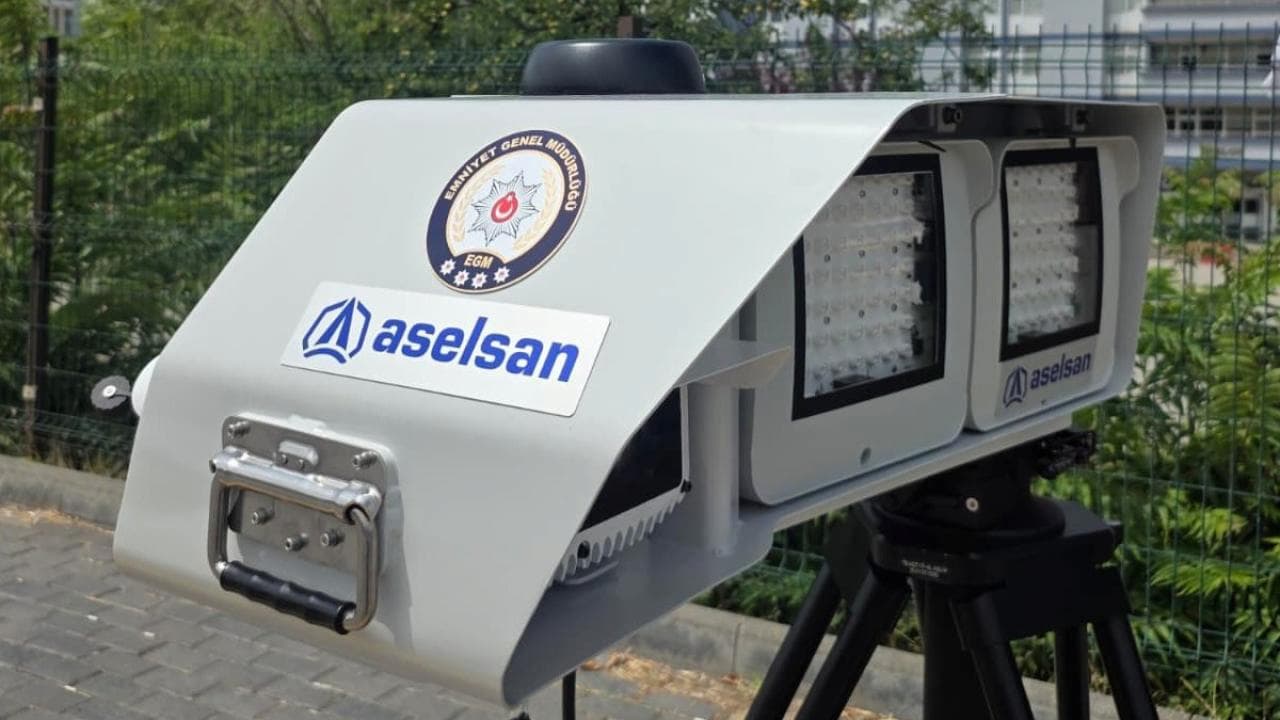
One of the most remarkable developments of the forum was the new contract that ASELSAN signed. Low orbit satellite communication and multilayer air defense system of Turkey Steel Dome total of ihbar radar systems $350 million The value of the agreement was announced.
It’s not only the investment amount that makes this project important. Steel Kubbe aims to bring different radar systems, air defense elements and command centers on a common digital network. Thus, data from different sources can be processed in one center and can be intervened in a much shorter time.
The most critical part of the business is the software infrastructure. Because success in modern air defense systems is possible not only with powerful radars, with algorithms that can analyze millions of data generated by these radars. In addition to increasing the integration of artificial intelligence in the next period, Steel Dome-like systems are expected to operate much more autonomous.
New Satellite Hamle from TUBITAK UZAY
Another development in the Summit was space technologies. TUBITAK UZAY announced that it will develop two new high-resolution observation satellites using the experience obtained from the IMECE satellite. About $300 million k The project with budget aims to increase the capacity of Turkey in the space area.
Satellite technologies are no longer just the image. Data obtained through artificial intelligence-supported analysis systems can be processed in seconds. This enables quicker decisions from border security to disaster management, from agriculture to city planning. In particular, high-resolution satellite images on the defense side significantly accelerate processes such as artificial intelligence, target detection and status assessment.
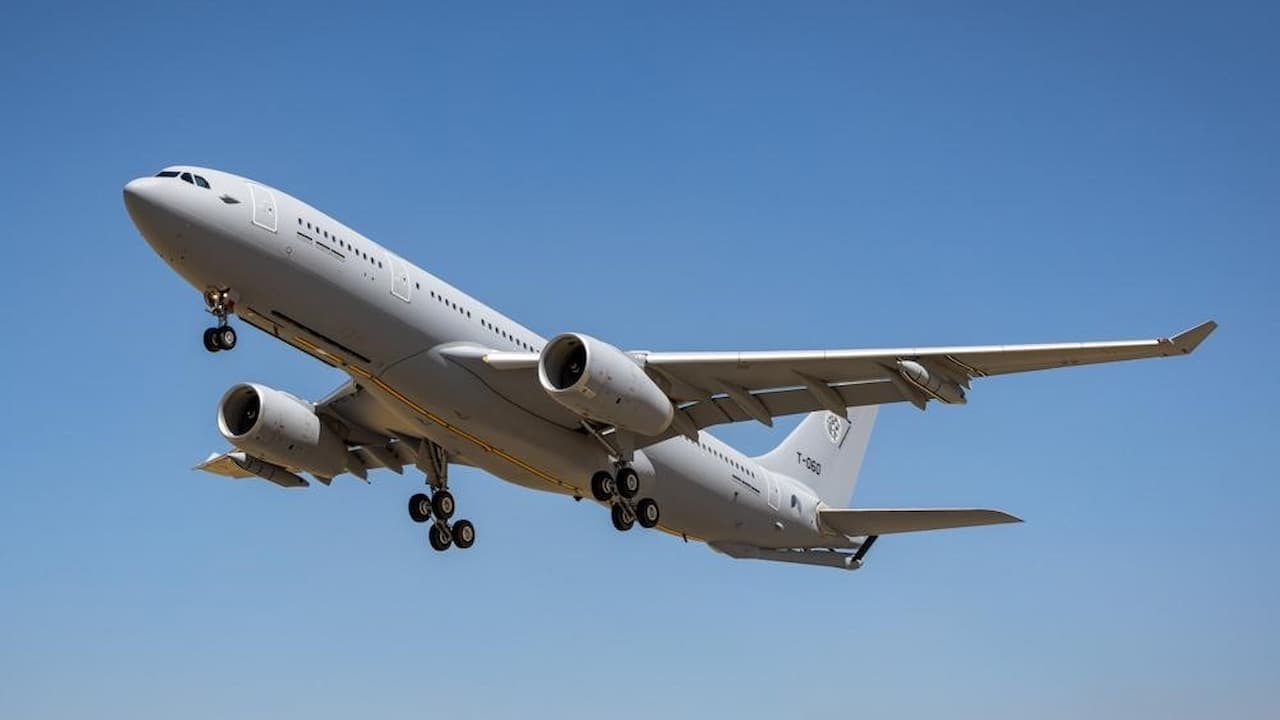
10 from NATO Airbus A330 MRTT Announcement
One of the explanations that attract attention within the forum is participating in the joint fuel fleet of NATO 10. A330 MRTT aircraft was. At first glance, this development may only seem like a new military aircraft investment. However, A330 MRTT platforms are among important platforms that strengthen the joint operation capability of NATO thanks to advanced communication systems, sensor integration and digital task management infrastructures.
Nowadays, military air platforms not only carry or fuel-fueling; but also serve as mobile command centers that can share large amounts of data in real-time between different troops.
Artificial Intelligence and Drone Technology Pre-Planting
The biggest conversion in the defense industry is experienced on the software side. ROKETSAN continues to increase its investments in drone technologies, electronic harp, command control software and artificial intelligence-supported systems.
Unmanned air tools are only platforms that are transferring images thanks to its particularly AI-supported image processing technologies. An important part of processes such as target identification, route optimization, threat analysis and task planning can now be performed autonomously.
This transformation in the defense sector affects civil technologies directly. Today, many image processing and artificial intelligence technology developed for military purposes, started to be used in sectors such as health, automotive and logistics after several years.
NATO’s DIANA Program Offers New Opportunities for Initiatives
The transformation in defense technologies is not only a process that major companies are guiding. NATO Defence Innovation Accelerator for the North Atlantic (DIANA) The program is one of the most concrete examples. The program aims to support innovative solutions developed in critical areas such as artificial intelligence, quantum IT, robotic, autonomous systems, biotech, advanced material technologies and space technologies.
The initiatives selected under DIANA are not only receiving financing support. At the same time, access to test centers located in NATO member countries can perform joint studies with researchers and defense agencies from different countries. One of the most important advantages for ventures is to be tested in real scenarios of technologies developed in the laboratory environment. This contributes to the ripening of projects in less time and opening to the international market.
Artificial Intelligence Changes Balances in Cyber Security
Artificial intelligence is not only in defense systems, cyber security a critical role in the field. While traditional security software is mostly protected against known threats, artificial intelligence-supported systems can detect unusual movements by analyzing network traffic in real-time, potential attacks can be predicted without further realization and send instant alerts to security teams.
Today, cyber attacks, particularly targeting ransom software, data leaks and critical infrastructures are becoming increasingly complex, such technologies significantly shorten the response time to events and reduce the risk of human resources. This is the main reason for the evaluation of cyber security investments with artificial intelligence in the technology strategy of NATO. Because only the protection of physical limits in modern defense understanding is sufficient; communication networks, satellite systems, command control centers and critical digital infrastructures are also considered strategic areas to be protected up to at least land, air and sea elements. Therefore, artificial intelligence-supported cyber security solutions stand out as one of the most critical components of future defense technologies
What Does Understanding Come For Turkey?
Artificial intelligence, space technologies, software and air defence projects in the NATO Defense Industry Forum held in Ankara should not only be evaluated as an organization where new agreements are signed. Opened investments show that Turkey’s role in defense technologies is growing increasingly and more visible in international projects. Specifically ASELSANWith more space in the NATO ecosystem of technologies developed by institutions such as ARELSAN, ROKETSAN and TUBITAK, it can lead to both new export opportunities and international R&D business unions in the coming years.
The most important side of this conversion is experienced in the field of software and artificial intelligence from hardware. Today, producing an advanced air defense system does not only mean developing radar, missile or sensor. Developing algorithms that can analyze millions of data from these systems in real-time, they have become critical as minimal physical platforms that can automatically classify threats and provide accurate decision support in seconds to command centers. Therefore, AI engineers, data scientists, cybersecurity experts and embedded software developers are among the most needed areas of defence industry.
A new period starts in terms of universities, technoparks and technology initiatives. NATO’s innovation programs and technology-oriented business associations cover not only major defence companies, but also initiatives working on AI, robotic, cybersecurity and space technologies. Access to international funds for startups developed specifically deep technology (Deep Tech) can occur important opportunities for participation in joint R&D projects and opening to global markets. In terms of the entrepreneurship ecosystem in Turkey, these developments show that defense technologies are now not only public institutions, but also an active role in private sector and young technologies.
The competition in the defense industry in the coming years will not only be shaped through developing stronger platforms. Countries that work faster, use artificial intelligence more effectively and speed up software development processes will get an important advantage. The projects announced in Ankara also show that Turkey strengthens the goal of taking place among countries that are not only the user in this new technology race. In particular, new investments in the field of artificial intelligence, space technologies, autonomous systems and defense software are expected to contribute to the growth of both technology sector in the coming period and increased employment.
AdminMicrosoft 4.800 Kişiyi İşten Çıkarıyor: AI Dönüşümü Hızlandı


BM'nin İlk Küresel Yapay Zeka Yönetişimi Diyaloğu Başladı